
Fast, Reliable Biohazard & Crime Scene Cleanup Across Stanford
Biohazard cleanup in Stanford isn’t a standard residential job. Because virtually every home in 94305 sits on a Stanford University ground lease, the first call isn’t to us. It’s to Stanford Real Estate & Facilities Management. We know that. We’ve worked within the university’s approval process for years, and we understand how to move fast once that clearance comes through. When you need a trauma scene, unattended death, or blood cleanup handled with discretion and full compliance, call (888) 737-2439. A live dispatcher answers, day or night.
If you’re reading this because something happened today, call now. We will walk you through the Stanford-specific first step before our crew arrives, so nobody waits longer than necessary.
Why Floodline Restoration Co. of California Is Stanford’s Preferred Biohazard & Crime Scene Cleanup Company
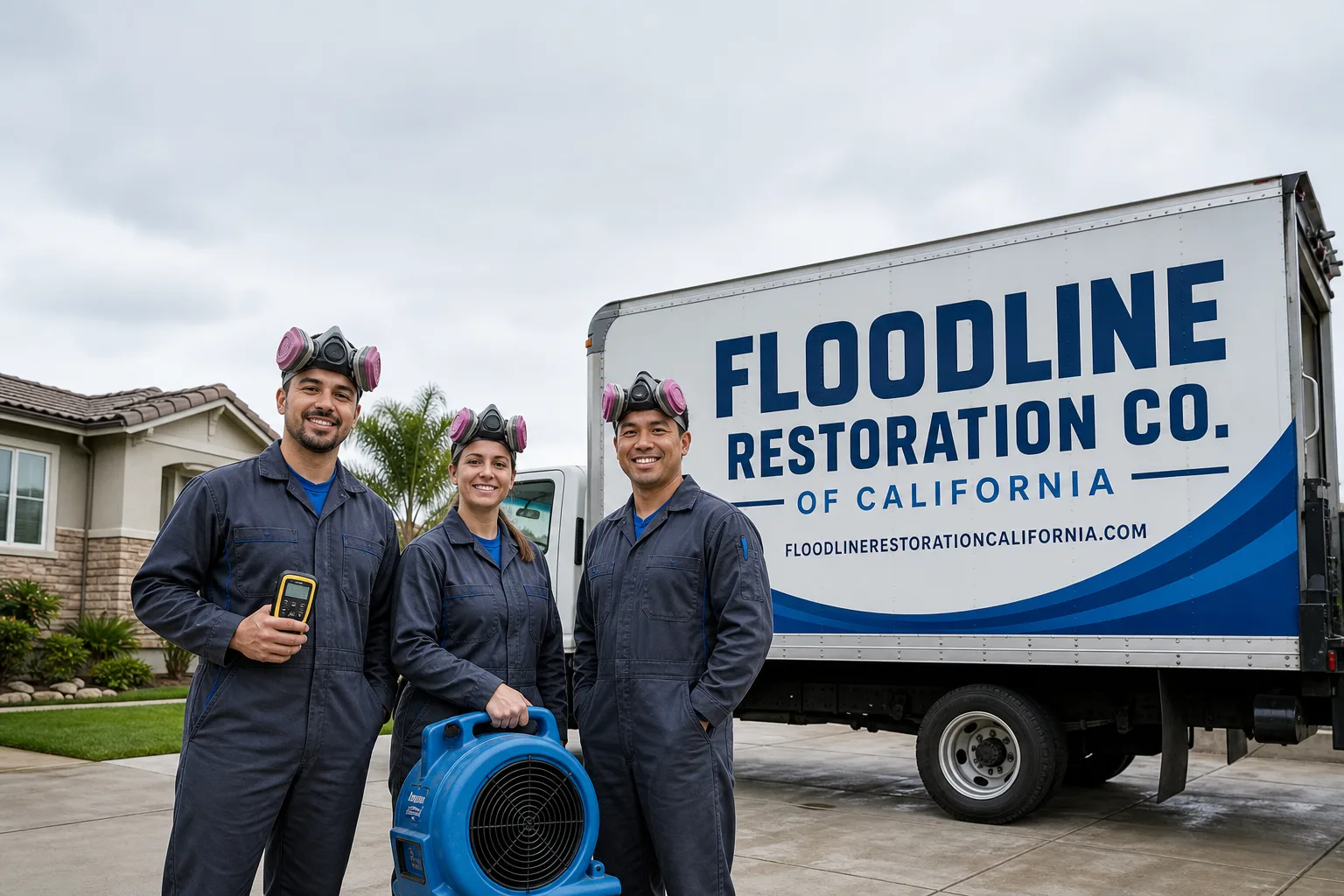
Floodline Restoration Co. was founded in 2010 by Curt Bowman, who built the company around a dispatch board, not a sales desk. That matters in Stanford, where the difference between a good outcome and a stalled project is often whether the contractor picked up the phone at 2 a.m. and already knew the university intake protocol. Our crews are background-checked, uniformed, and trained to IICRC, RIA, and IFA standards. They arrive knowing that a Stanford job may need a university facilities escort, not just a house key.
The work carries the 90-Day Done Right Promise, in writing. If something isn’t done right, we make it right. No paperwork battles. No arguing. That guarantee, which we call the Keystone Standard internally, applies to every biohazard and crime scene cleanup we perform in Stanford. It’s part of the K.E.Y.S. values code we operate under: Krafted right, Every time, Your home first, Standing behind it.
Our Biohazard & Crime Scene Cleanup teams serve the entire 94305 area, from faculty housing near Campus Drive to the quiet streets tucked below Junipero Serra Boulevard. Response time to most Stanford addresses runs 60 to 90 minutes once clearance is received. In life-safety situations where county or university officials are already on scene, we can stage nearby and mobilize the moment authorization lands.
Our Biohazard & Crime Scene Cleanup Services in Stanford
This page covers the biohazard and trauma work we handle most often in Stanford. Every job includes a written scope before work begins, photo documentation throughout, and direct coordination with your adjuster or the university’s risk management office.
Trauma & Unattended Death Cleanup
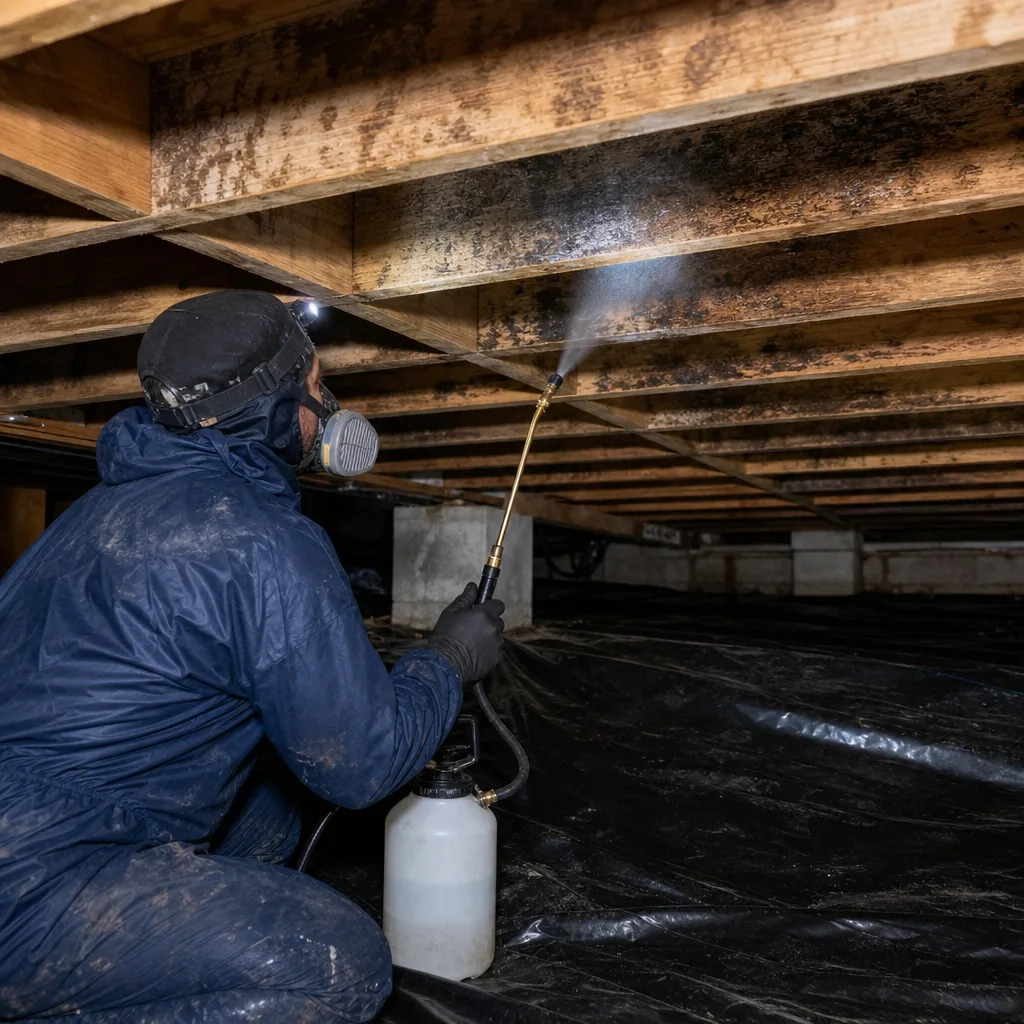
An unattended death in a 1960s ground-lease home near the Dish trail presents a specific problem set. Decomposition fluids migrate through hardwood, subfloor, and sometimes into wall cavities. The house remains university property, which means we cannot cut into a wall or pull flooring without Stanford Real Estate & Facilities Management sign-off. We know which forms to route, who to call in Capital Planning, and how to keep the process moving. Once approved, our techs deploy full PPE, HEPA-filtered negative air machines, and EPA-registered disinfectants, then complete a moisture log and clearance documentation acceptable to Santa Clara County.
Typical unattended death cleanup in Stanford runs $2,500 to $6,000 depending on how long the scene sat and how far fluids traveled into the structure.
Blood & Bodily Fluid Cleanup
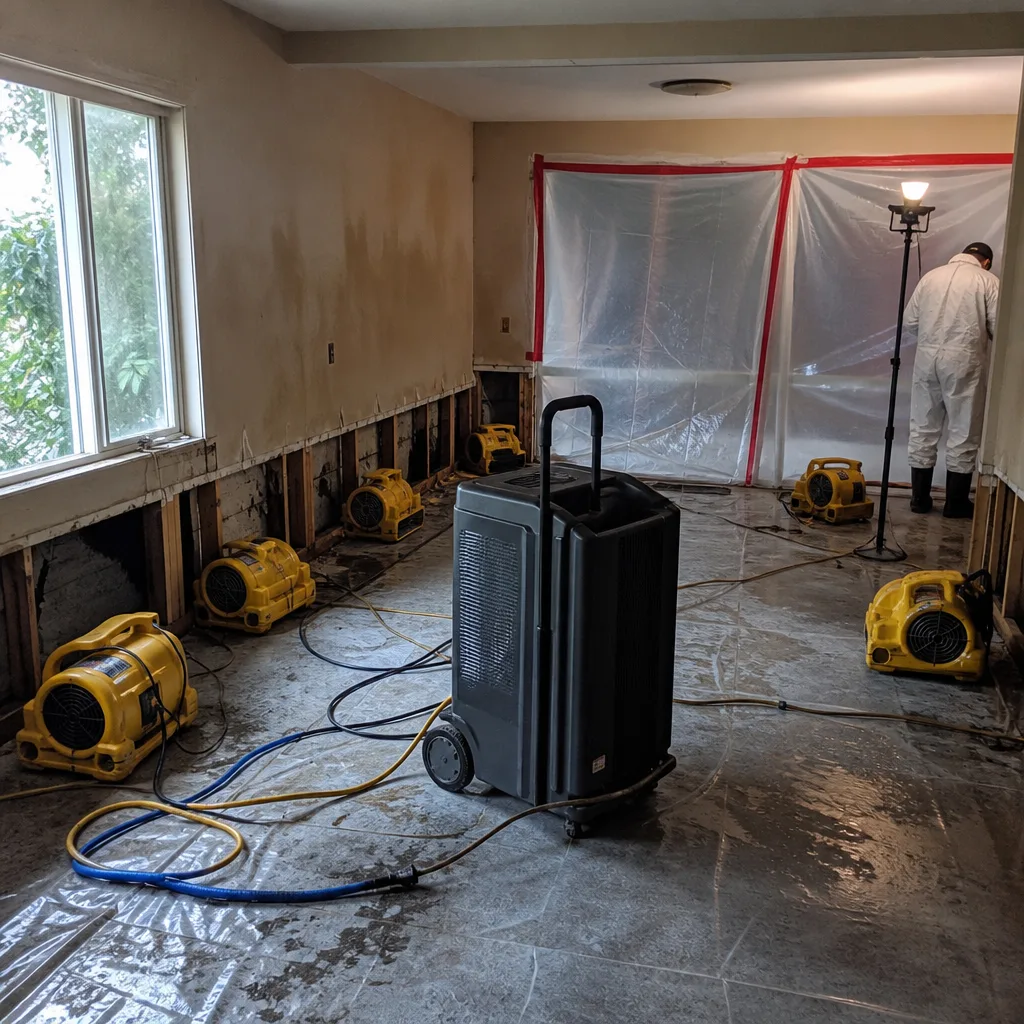
Bloodborne pathogen cleanup requires IICRC and RIA protocols, full-body protection, and disposal through licensed medical waste haulers. In Stanford, we also navigate the university’s environmental health and safety review when the incident occurs in faculty housing or any campus-affiliated building. Our crew removes contaminated porous materials, treats affected hard surfaces with hospital-grade disinfectants, and verifies the result with ATP testing, not a visual once-over.
Most blood cleanup jobs in Stanford fall between $1,200 and $3,500, depending on the volume of fluid and the surfaces involved.
Infectious Disease Disinfection
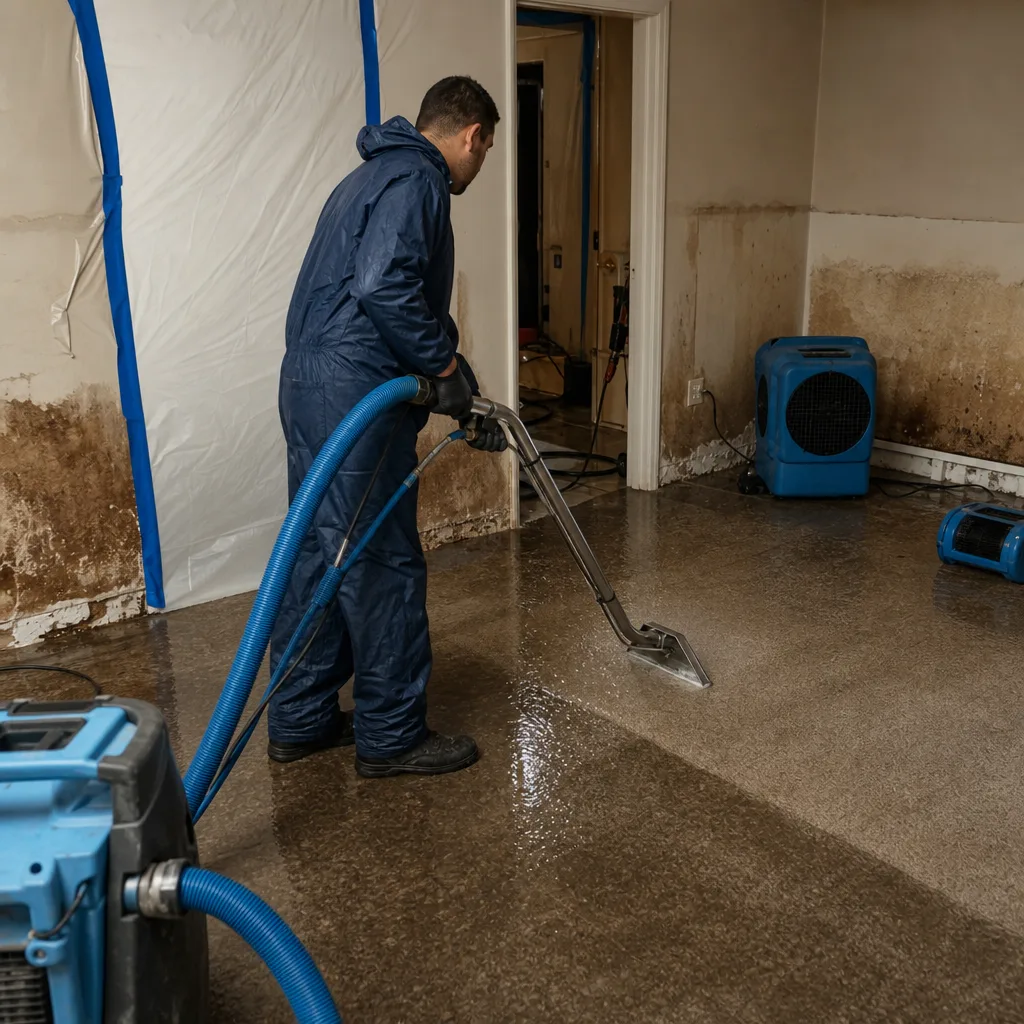
After a norovirus, MRSA, C. diff, or COVID-19 exposure inside a Stanford residence or shared faculty facility, the concern is touch surfaces and soft goods. We fog with EPA List N disinfectants using ULV equipment, wipe and dwell all high-contact points, and document the service for the university’s environmental health office when required. Because Stanford is unincorporated Santa Clara County, final clearance sometimes routes through the county’s environmental health division, not just the university. We handle both tracks.
Cost for a full infectious disease disinfection in Stanford typically ranges from $900 to $2,800, based on square footage and room count.
Hoarding Cleanup
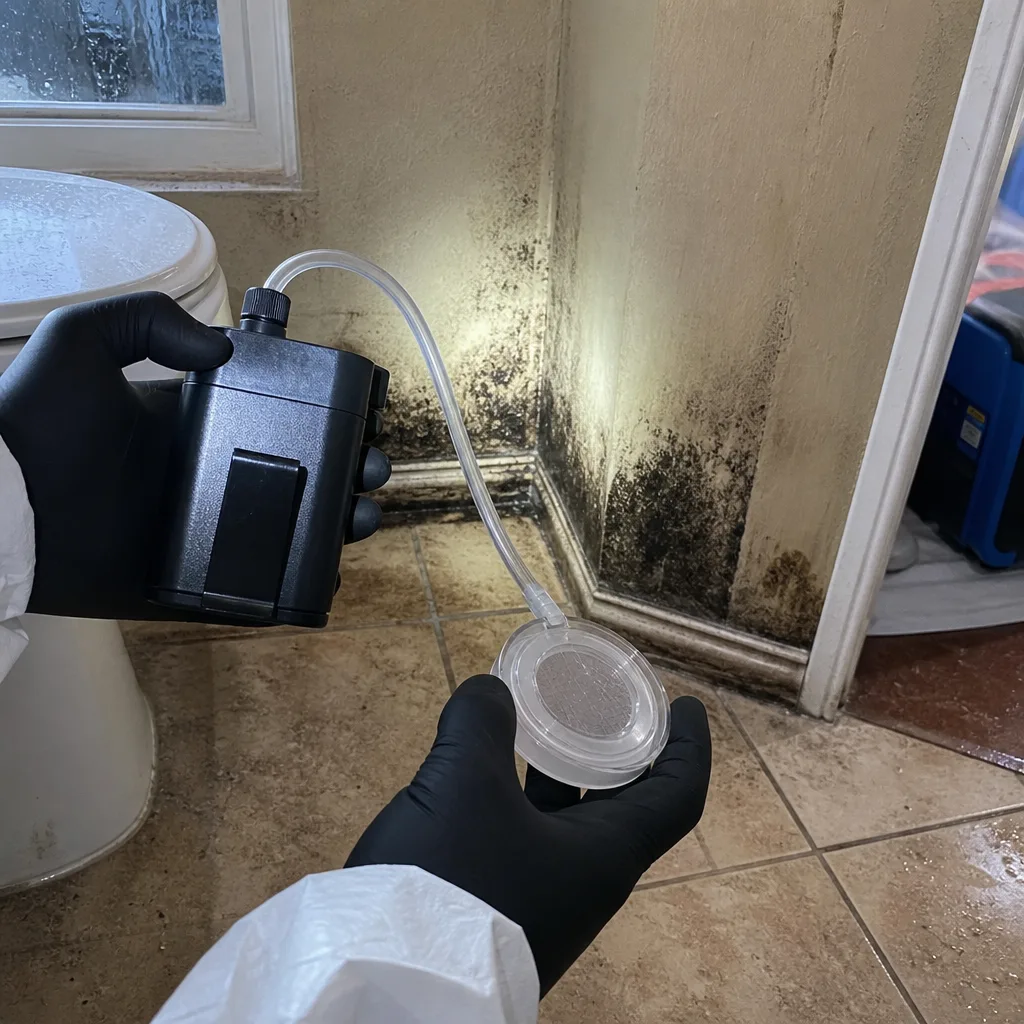
Hoarding remediation in Stanford faculty housing is delicate work. The resident is usually a longtime university employee or retiree, and the family is often working with Stanford occupational health or human resources. We coordinate sorting with the family, keep salvageable documents and possessions organized, and remove biohazard-contaminated debris under controlled protocols. Rodent waste, mold, and sharp objects get treated as hazards, not afterthoughts.
Hoarding cleanup in Stanford runs $3,000 to $15,000 depending on volume, access, and biohazard severity. A written estimate comes before any work starts.
Crime Scene Cleanup
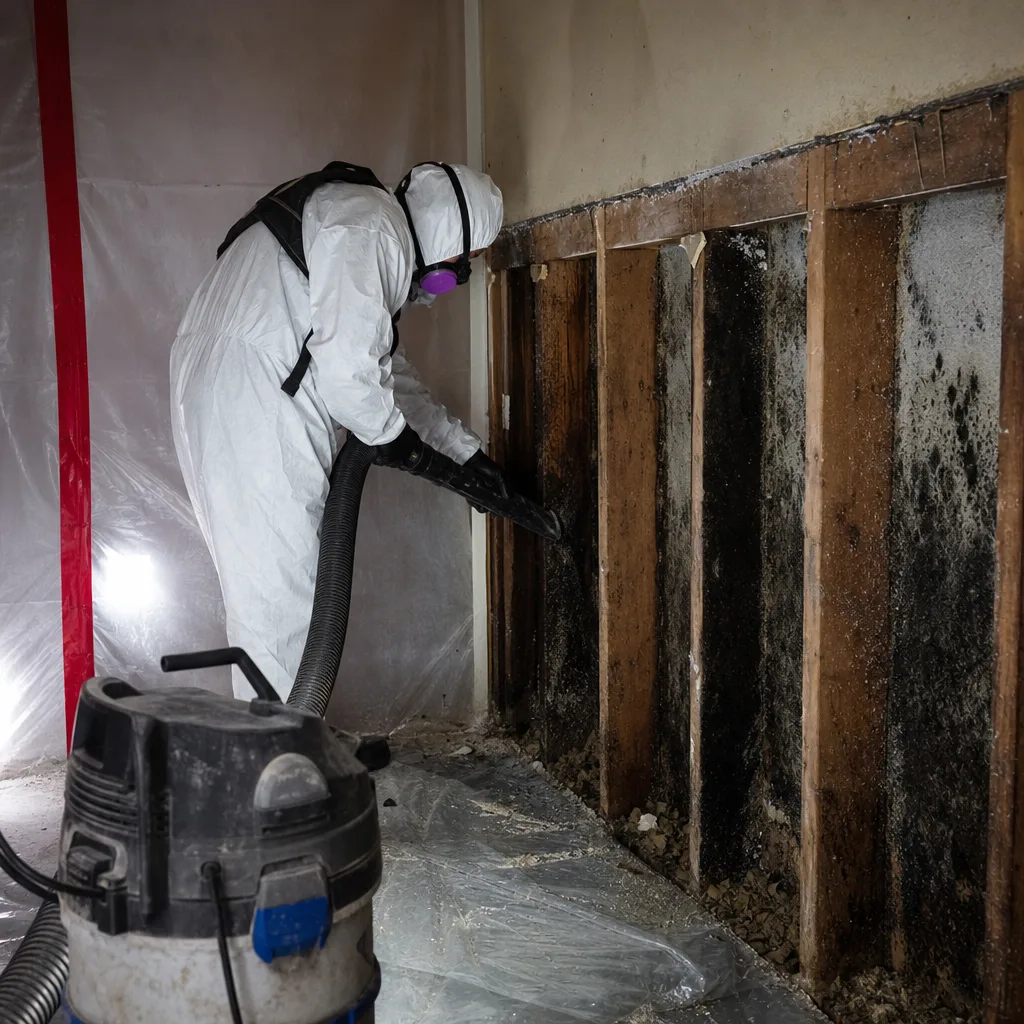
After law enforcement releases a crime scene in Stanford, we step in. That usually means blood, fingerprint dust, tear gas residue, or bodily fluids on walls, floors, and personal belongings. We work with the family, the property owner’s representative, and when needed, the Santa Clara County Sheriff’s Office to document everything. Our role is to return the space to safe, dignified use. Not to sell you services you don’t need.
Crime scene cleanup in Stanford starts around $1,500 and can reach $8,000 for complex multi-room scenes.
What happens when you call
- 1
A real person answersNo phone trees - you reach a local pro.
- 2
You get an upfront price rangeHonest numbers before anyone is dispatched.
- 3
A background-checked tech heads outLicensed & insured, dispatched right away.
- 4
You approve before work beginsNothing starts until you say go.
How Stanford’s Ground-Lease System Changes Everything
Here’s the information gain other sites don’t give you. Stanford, ZIP 94305, is not an incorporated city. It’s a private university enclave. Virtually every residential property sits on university-owned land under a ground lease. That means the homeowner owns the building but not the land. It also means any substantive restoration or biohazard work requires pre-approval from Stanford Real Estate & Facilities Management before our crew can begin. You won’t find this step in Palo Alto, Menlo Park, or anywhere else around the Bay. Out-of-town crews who treat Stanford like a normal neighborhood get shut down mid-project by university facilities staff. We don’t, because we route the paperwork first.
This dual-track approval process is the single biggest reason Stanford biohazard jobs stall. You’re not just working with a homeowner and their insurance carrier. You’re working with Stanford’s centralized risk management office, the county building department in San Jose, and in some cases the university’s Capital Planning office. Three parties. Two approval tracks. One contractor who needs to know them all.
We are the only Biohazard & Crime Scene Cleanup in Stanford resource that walks you through this system before a single drop of disinfectant touches the floor.
What Fails First in Stanford’s Biohazard Jobs
Stanford’s mid-century faculty housing, built mostly between the 1940s and 1970s, was never designed for modern decontamination work. The subfloors are often single-layer hardwood over crawlspace. Fluids travel. Wall cavities lack vapor barriers. Odors migrate. In the historic core-campus buildings, many from the late 1800s and early 1900s, surfaces are Richardsonian Romanesque sandstone and red tile. Standard porous-surface decontamination on that stone causes irreversible staining. Stanford’s historic preservation office will flag it after the fact, and the cost to repair the damage falls on whoever skipped the protocol. We use non-acidic, pH-neutral cleaning agents on historic stone and document every product used so nothing gets flagged later.
Then there’s the environmental side. Stanford sits at the base of the Santa Cruz Mountain foothills. The parcels west of Junipero Serra toward Jasper Ridge are genuine wildland-urban interface. Dry-season Diablo winds push fire risk hard. We’ve responded to biohazard situations tied to post-fire ash contamination, and to smoke-damaged interiors in faculty homes that required decontamination before occupancy. Seismic concern is real too. The 1989 Loma Prieta earthquake, about 10 miles from the San Andreas Fault, damaged Stanford structures severely. A biohazard job in a compromised structure needs a structural safety assessment before our techs enter. We do that first.
One more failure we see repeatedly: a contractor cleans a trauma scene in a 1940s faculty bungalow, finishes the visible work, and schedules final inspection. Then the county asks for the university’s sign-off. It doesn’t exist, because the contractor never filed. The job stalls. The family waits. The house sits empty. We file both tracks on day one, so the final inspection actually ends the job.
Specific Equipment and Standards We Use in Stanford
Our techs carry Dri-Eaz and Phoenix air movers and dehumidifiers when water is part of the biohazard picture, and HEPA-filtered negative air machines on every trauma and unattended death job. We train to IICRC, RIA, and IFA standards, and we keep that training current. In Stanford specifically, where many residences are older and sensitive to air movement changes, we run containment with negative pressure so contaminated air never crosses into clean rooms or shared university spaces.
For historic sandstone and porous masonry on core campus, our approach uses soft brushes, low-pressure washing, and pH-neutral chemistry. No bleach. No acid. No shortcuts that damage stone that’s been standing for 130 years.
Pricing for Biohazard & Crime Scene Cleanup in Stanford, CA
Here are real ranges for Stanford’s market. A typical blood cleanup in a faculty apartment runs $1,200 to $3,500. Unattended death remediation in a ground-lease home near Campus Drive runs $2,500 to $6,000. Full infectious disease disinfection of a 1,500-square-foot residence runs $900 to $2,800. Hoarding cleanup starts around $3,000 and can reach $15,000 for severe cases. Crime scene cleanup ranges from $1,500 to $8,000 depending on scene complexity and surface types.
What moves the number: how long biological material sat, how far it traveled through flooring and cabinetry, whether the building is mid-century or historic, and whether we’re working under county permit, university review, or both. Every Stanford job starts with a written scope and a free estimate. Call (888) 737-2439 and we’ll give you numbers that hold.
We Also Serve Communities Near Stanford
Our crews cover Stanford and the surrounding peninsula, including Palo Alto, Atherton, East Palo Alto, and Los Altos Hills. If your property sits just outside the 94305 boundary or you need service across multiple campus-adjacent parcels, we handle it. The same dispatch team answers the phone, and the same written guarantee applies.
Serving Stanford, CA - Our Local Coverage Area
We’re based in the Stanford area and know this community well. Use the map below to see our service coverage - if you’re nearby, we can almost certainly help.
FAQs - Biohazard & Crime Scene Cleanup in Stanford
Yes. Nearly every Stanford residence sits on a university ground lease, and substantive restoration work requires pre-approval from Stanford Real Estate & Facilities Management. We handle that paperwork for you. Call (888) 737-2439 and we’ll start the process on the first call.
Permits and inspections for structures in unincorporated Santa Clara County run through the county building department, but core-campus buildings also trigger a parallel review by Stanford’s Capital Planning office. You’re dealing with two approval tracks. We file both so the job doesn’t stall at final inspection.
Yes, using pH-neutral, non-acidic cleaning agents and low-pressure application. Standard disinfectants and bleach cause irreversible staining on century-old sandstone and red tile. We document every product and method so Stanford’s historic preservation office has a clear record. No surprises later.
Both create structural risk before decontamination starts. We assess for seismic compromise and fire-related structural weakening before any tech enters. A biohazard cleanup inside a damaged structure is a confined-space hazard. We treat it that way. It’s the right call, and it protects you and our crew.
We coordinate directly with Stanford’s risk management office, Capital Planning, and the county environmental health division. You won’t be the messenger. That’s true for insurance adjusters too. We bill the carrier directly and provide photo documentation for every claim.
Call Floodline Restoration Co. of California
If you’re dealing with a trauma scene, unattended death, blood spill, hoarding condition, or infectious disease exposure in Stanford, call (888) 737-2439 now. A live dispatcher answers. We’ll explain the university approval step, start the paperwork, and stage a crew to respond the moment clearance lands. You’ll get a written scope before work starts, photo documentation for every claim, and the 90-Day Done Right Promise in writing. That’s how we do it in Stanford. No sales pressure. Just a square deal and a job done right.
Written by Curt Bowman, Owner at Floodline Restoration Co. of California, serving Stanford and the surrounding Bay Area since 2010.