

Fast, Reliable Mold Remediation Across Mission District
Mold remediation in Mission District typically costs between $1,400 and $4,200 depending on the scope, and in most occupied units we can begin containment within hours of your call, not days. The Mission’s pre-1920 wood-frame flats create a specific set of conditions: plaster-over-lath walls trap moisture where you can’t see it, unvented crawl spaces feed recurring growth, and slow leaks from century-old supply lines colonize wall cavities long before staining appears. Our Mold Remediation teams know these buildings because we’ve opened hundreds of Mission District walls and crawl spaces over the last 42 years. If you suspect mold in your Mission District home or rental, call (888) 737-2439 and a live person will answer, any hour, any day.
We serve the entire 94110 ZIP and the neighborhoods that make up the Mission District, from 24th Street’s commercial corridor to the residential blocks near Garfield Square and the flats around Precita Park. Response time matters here because the longer moisture sits inside a lath-and-plaster wall cavity, the deeper the colonization goes.
Why Floodline Restoration Co. of California Is Mission District’s Preferred Mold Remediation Company
Forty-two years of restoration work in San Francisco means we’ve already dealt with every failure pattern the Mission District’s housing stock can throw at us. We know the difference between surface staining on a bathroom ceiling and a hidden reservoir of mold feeding on a leaking galvanized riser behind the wall. That local knowledge changes everything about how a job is scoped.
Mission District property owners and managers call us for one reason more than any other: we tell them the truth about what’s behind the plaster before we open it, and then we prove it with moisture readings, photo documentation, and a written scope agreed before work starts. No overselling. No invented problems. When we open a wall and find unpermitted soft-story retrofit framing, we say so in writing and handle the DBI disclosure, because in San Francisco, hiding that from the Department of Building Inspection is not an option and pretending it isn’t there is how you end up with a stop-work order and an angry tenant.
Our technicians arrive in uniform, background-checked, and trained to IICRC and RIA standards. The same crew that maps moisture on day one reads the log every day until the dry standard is met, hands that log to you and your carrier, and rebuilds what needs rebuilding. That’s the full cycle, and it’s how we’ve earned referrals from Mission District landlords, homeowners, and property managers for over four decades.
We answer the phone with a person at 2 a.m., not a recording. When a certified crew reaches a Mission District address, extraction and containment are running the same visit. That’s a promise we’ve kept since Curt Bowman founded this company in 2010 around a dispatch board, not a sales desk.
Our Mold Remediation Services in Mission District
Mold Inspection & Testing
In Mission District’s Victorian and Edwardian flats, visual inspection alone misses more mold than it finds. Plaster-over-lath walls can look dry on the surface while a supply-line leak or roof flashing failure feeds active growth behind the keys. We run moisture meters, thermal imaging, and air sampling when the situation calls for it, and we interpret results against the specific behavior of century-old building assemblies, not a generic checklist. Testing in the Mission typically runs $350-$650 for a standard flat inspection, with lab fees included.
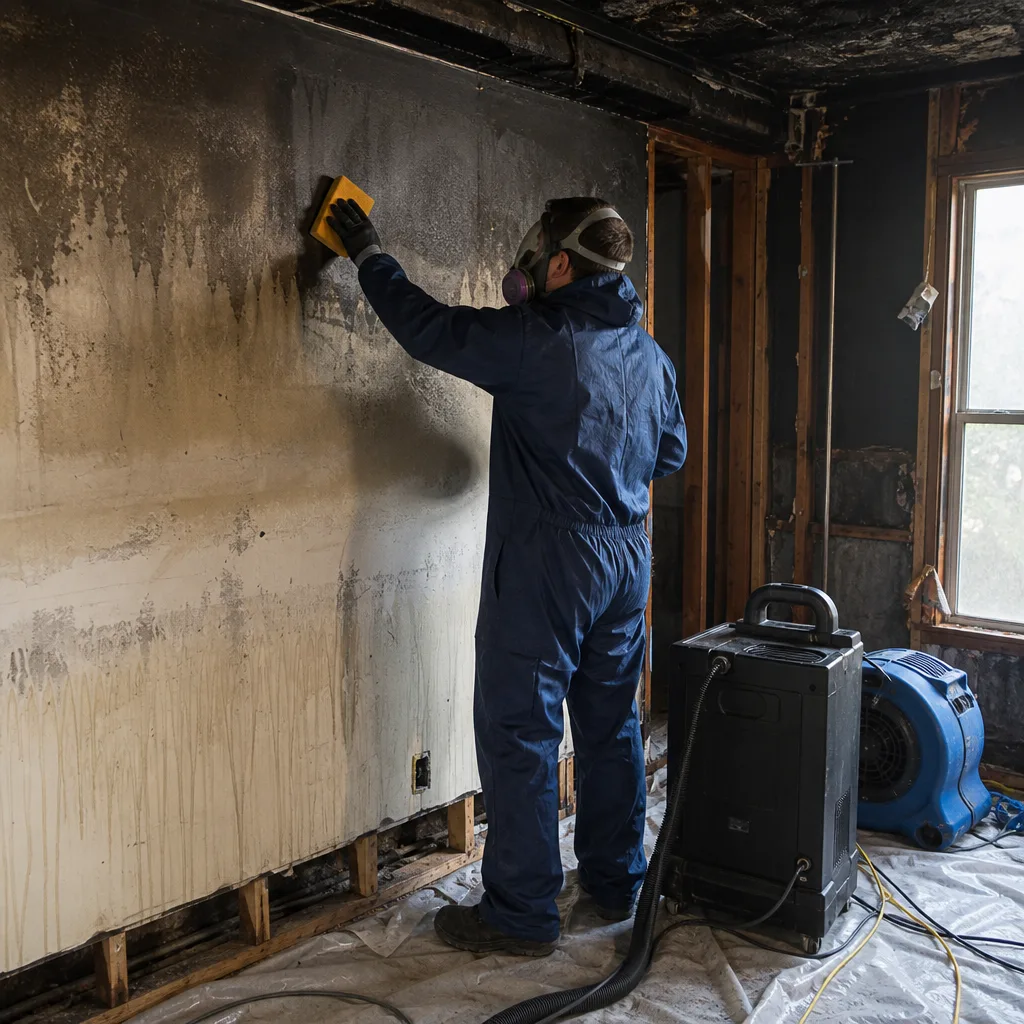
Black Mold Remediation
Black mold, or Stachybotrys, loves the slow, persistent moisture source that a cast iron drain or galvanized riser leak delivers. In Mission District buildings, it most often shows up behind bathroom walls, under kitchen sinks, and in the joist cavities below leaking toilet flanges. A contained black mold job in a typical Mission District unit runs $2,200-$4,800, with full HEPA filtration, negative air pressure, antimicrobial treatment, and clearance testing. No one should disturb black mold without proper containment, and no one should try to remove it themselves in a pre-1920 building with plaster dust and unknown retrofit conditions.
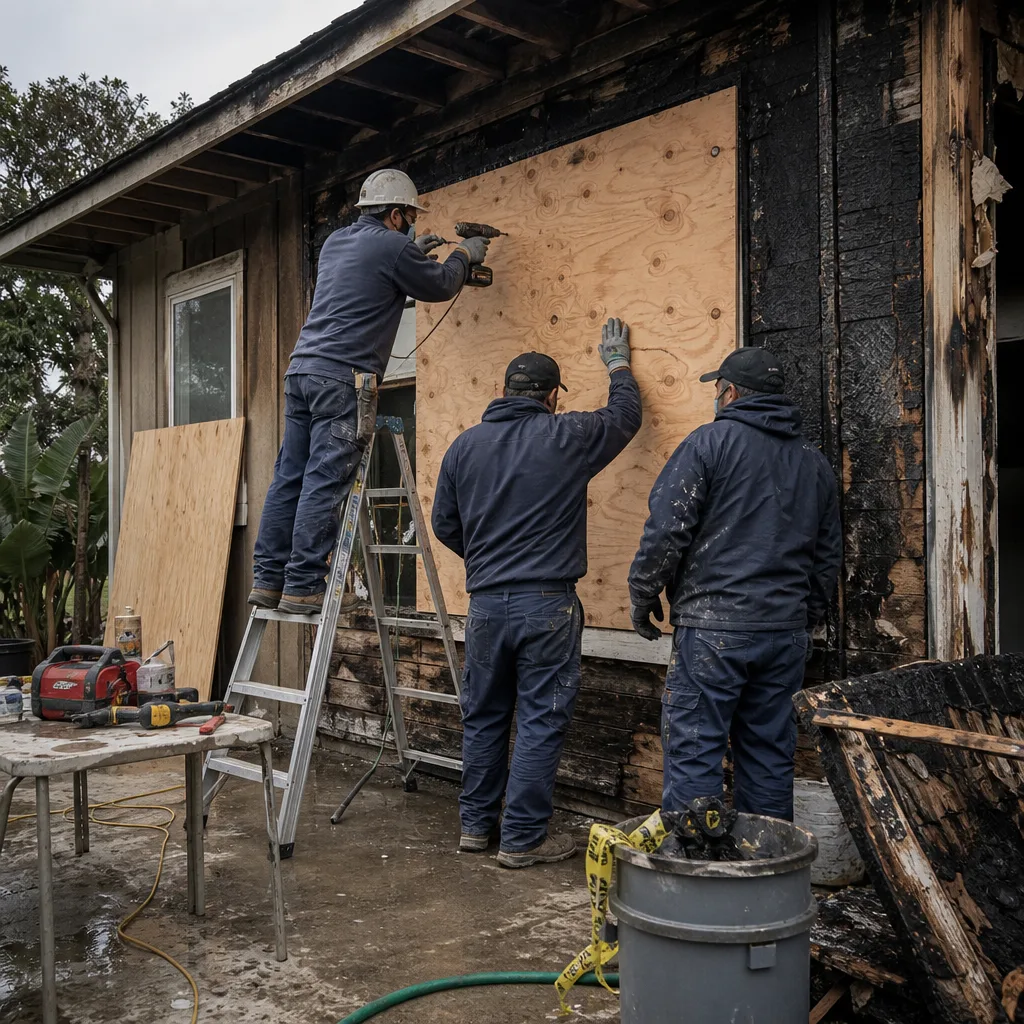
Air Quality Restoration
After remediation, the air inside a Mission District flat can still carry spore counts elevated enough to trigger asthma or allergic response, especially in the upper units of a two-to-four-unit building where the stack effect pulls air up from a damp ground-floor garage or crawl space. Air quality restoration in the Mission typically runs $600-$1,400 per unit and includes HEPA air scrubbing with XPOWER units, post-remediation verification, and humidity monitoring until the indoor environment stabilizes.
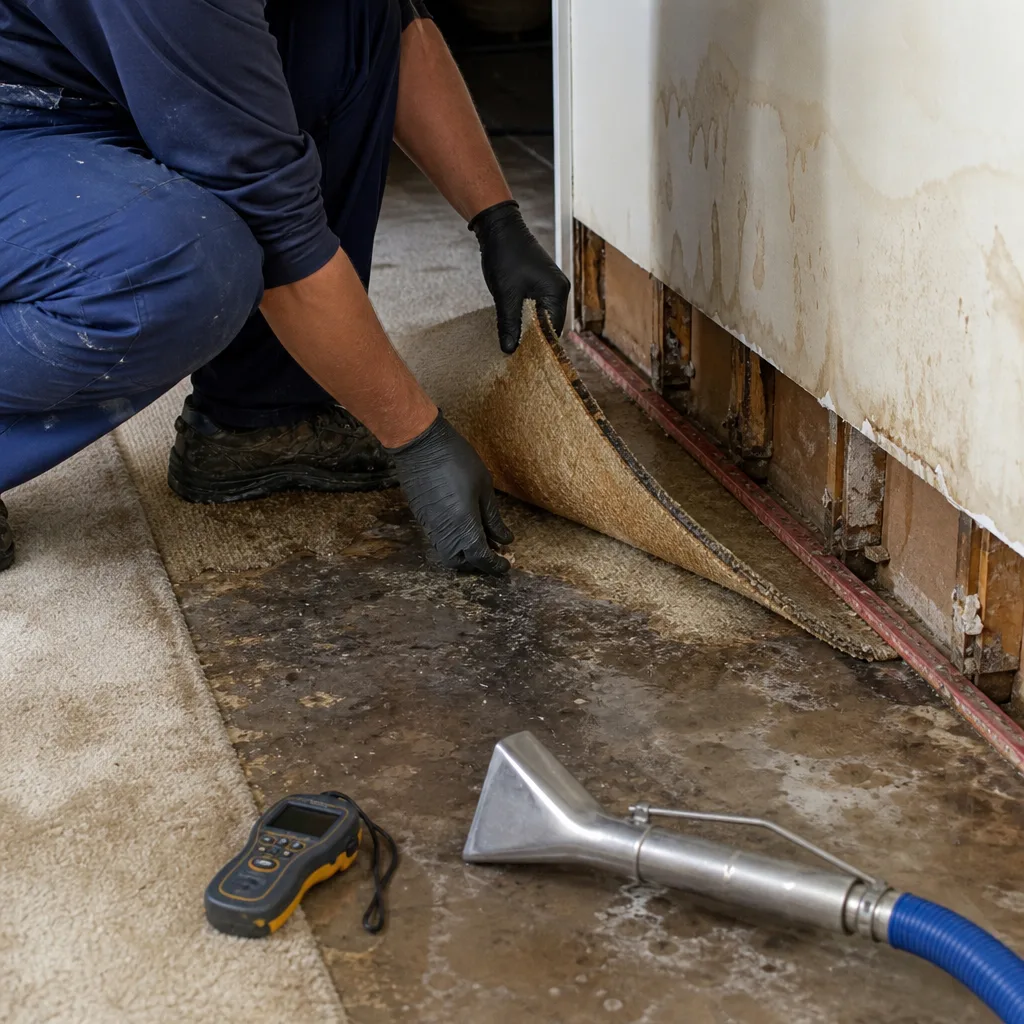
Crawl Space Treatment & Moisture Control
Unvented crawl spaces and basement garage levels are the most overlooked mold source in Mission District housing. The neighborhood’s sheltered inland microclimate traps marine air in low spots, and when that air meets a cold, damp crawl space floor, condensation feeds mold on joists and subflooring that occupants breathe every day. Crawl space treatment, including antimicrobial application, vapor barrier, and dehumidification planning, runs $1,800-$4,500 depending on square footage and access. Without moisture control, mold comes back. We don’t treat crawl spaces without addressing the moisture source, because doing half the job is how the Mission’s chronic dampness problem keeps reappearing.
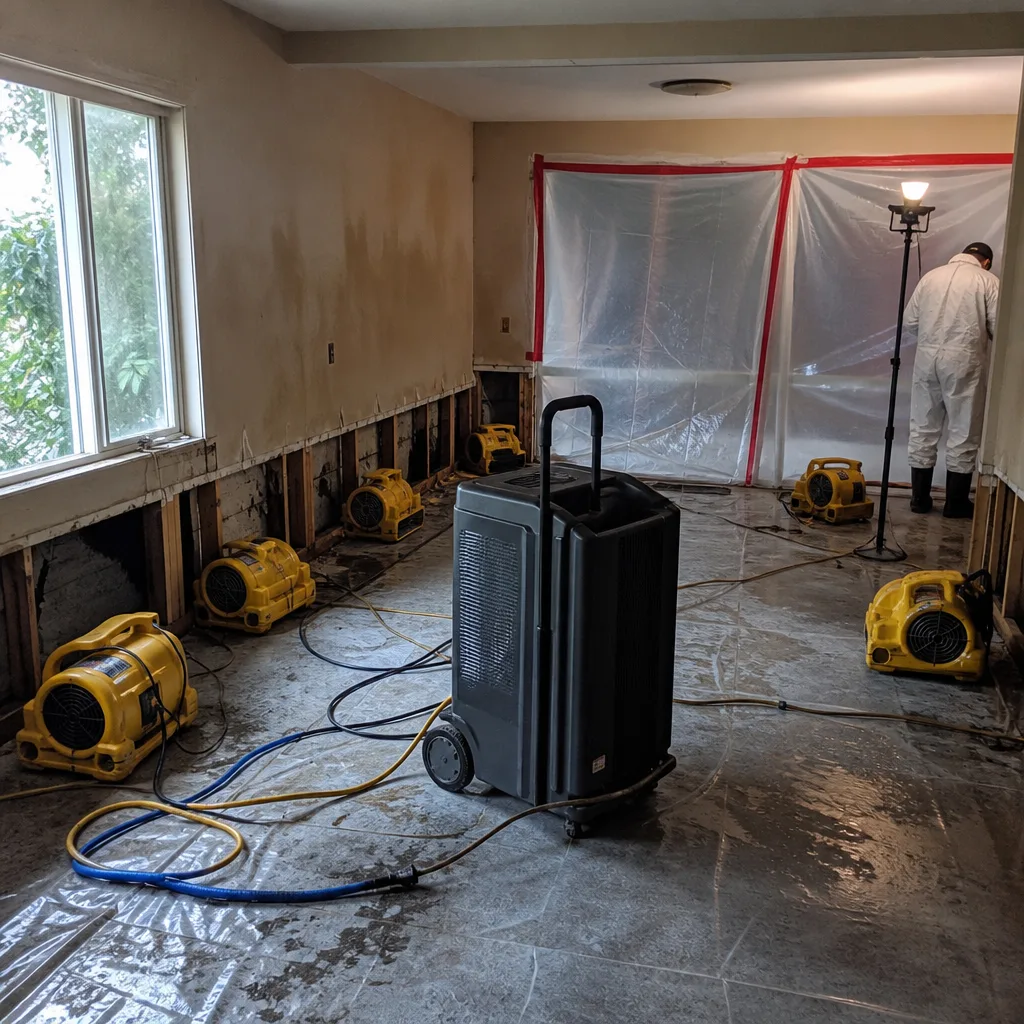
What happens when you call
- 1
A real person answersNo phone trees - you reach a local pro.
- 2
You get an upfront price rangeHonest numbers before anyone is dispatched.
- 3
A background-checked tech heads outLicensed & insured, dispatched right away.
- 4
You approve before work beginsNothing starts until you say go.
Trusted Brands We Service in Mission District
We work on every type of building the Mission District throws at us: owner-occupied Victorians, soft-story Edwardian flats, conversion condos, and mixed-use buildings with residential units above commercial storefronts on 24th Street and Mission Street. We stock common parts and materials for rapid turnaround, and our teams use professional-grade Dri-Eaz dehumidifiers, XPOWER air scrubbers, and Injectidry systems sized for the deep wall and floor cavities found in these older buildings. Our certifications through IICRC and RIA matter here, because Mission District buildings demand experience with structural retrofit conditions that newer Bay Area housing never presents.
Common Mold Remediation Problems We See in Mission District Homes
- Plaster-over-lath walls conceal active mold. A wall can read dry on the surface while a slow supply-line leak feeds black mold inside the cavity. The Mission’s 1890-1915 building stock is almost universally plaster and lath, so surface inspection misses what’s really happening.
- Unvented crawl spaces and basement garages recycle moisture into living spaces. The Mission’s inland microclimate, with its trapped marine air and warm days, creates condensation cycles under pre-1920 flats that keep mold returning after superficial treatment.
- Soft-story retrofit framing creates hidden water intrusion points. When retrofit work was done without permits or left incomplete, wall openings can channel rainwater into hidden cavities. Mold colonizes there and stays invisible without invasive scoping.
- Galvanized supply lines and cast iron drains fail slowly inside walls. Century-old pipes don’t usually burst all at once. They weep, drip, and rust through gradually, establishing active mold colonies behind walls long before any visible staining reaches the surface.
Pricing for Mold Remediation in Mission District, CA
Mission District pricing reflects the reality of working inside pre-1920 wood-frame buildings with plaster walls, tight access, and permit disclosure requirements. Here’s what a typical flat or unit in 94110 can expect:
- Mold inspection & moisture mapping: $350-$650
- Containment & air scrubber rental (per day): $250-$500
- Small-area remediation (bathroom ceiling, window wall, under-sink): $1,200-$2,500
- Medium remediation (full room, crawl space section, joist cavity): $2,500-$4,500
- Full-unit remediation with crawl space treatment: $4,500-$9,000+
- Air quality restoration & post-remediation verification: $600-$1,400
What changes the price in the Mission more than anything is access. A third-floor walk-up flat with no elevator and a narrow stairway costs more to remediate than a ground-floor unit with a garage entrance. Unpermitted retrofit framing that triggers DBI disclosure adds time and paperwork, which is part of the real cost in this city. We never surprise you with the bill. Every job gets a written scope agreed before work starts, and we bill your insurance carrier directly so you’re not playing messenger. Estimates are free. Call (888) 737-2439.
We Also Serve Cities Near Mission District
Our Mission District teams also respond daily to Noe Valley, San Francisco, Visitacion Valley, and Chinatown. The building types vary, but the promise doesn’t: written scope, direct insurance billing, and the 90-Day Done Right Promise on every job.
Serving Mission District, CA - Our Local Coverage Area
We’re based in the Mission District area and know this community well. Use the map below to see our service coverage - if you’re nearby, we can almost certainly help.
FAQs - Mold Remediation in Mission District
It affects it directly: when our technicians open a wall or ceiling in a Mission District soft-story building and find incomplete or unpermitted retrofit framing, we are legally required to disclose that condition to the SF Department of Building Inspection before proceeding with repairs. That disclosure adds permit review time to your remediation timeline, but skipping it risks a stop-work order and legal exposure for the property owner. We handle the disclosure for you and build the delay into the schedule honestly from day one. Call (888) 737-2439 to discuss your building’s situation.
Plaster-over-lath construction hides moisture in the wall cavity behind three coats of plaster and a wood lath key system, so the visible surface can stay dry and stain-free for months while mold feeds on wet lath and studs behind it. Detection requires moisture meters, thermal imaging, and sometimes small inspection openings, not just a visual walkthrough. In a Mission District flat built between 1890 and 1915, assuming no mold because no stain is visible is the most expensive mistake an owner can make.
Crawl spaces under Mission District Victorians are almost always unvented, damp, and connected to the living space above through gaps in the subfloor and around pipe penetrations. Mold in those crawl spaces doesn’t stay in the crawl space: air pressure differences pull spores up into the unit, and occupants breathe them every day. Crawl space treatment only works if moisture control is included, which means vapor barrier, drainage correction, and air sealing. A crawl space treatment without moisture control in the Mission is a temporary fix, and we won’t sell one.
San Francisco’s rent control and tenant protection ordinances place strict legal constraints on when and how landlords can temporarily displace tenants during mold remediation work. In the Mission District’s overwhelmingly rent-controlled 2-4 unit buildings, a landlord cannot simply ask a tenant to move out for a week while walls are opened and treated. Remediation often has to be sequenced around tenant occupancy, which extends timelines by days or sometimes weeks depending on the unit layout and the extent of containment. Our teams are experienced in phasing Mission District jobs to keep tenants in place where it’s safe, and in documenting the legal necessity of temporary relocation when it isn’t.
Cast iron drains in Edwardian flats built between 1900 and 1915 have reached or passed the end of their service life, and they fail by developing slow, weeping cracks and pinhole rust through the pipe wall rather than breaking suddenly. That steady seepage wets the framing, subfloor, and lath behind walls and under floors for months or years, creating ideal conditions for mold growth that stays hidden until a restoration crew opens the cavity. The mold is usually worse than the visible stain suggests, because cast iron leaks deliver moisture at a low, consistent rate that plaster and wood absorb readily. If you smell musty air in an Edwardian Mission District flat and can’t find the source, call us at (888) 737-2439 for an inspection.
Get Started with Mold Remediation in Mission District Today
A mold problem in the Mission District never gets smaller by waiting. Every day moisture sits inside a plaster wall cavity, wood lath across the neighborhood’s pre-1920 flats, or a damp crawl space under a soft-story Victorian, the colony grows and the remediation cost climbs. Call (888) 737-2439 now and speak to a live person. We’ll schedule an inspection, give you a written scope with honest pricing, and start containment the same visit if the situation calls for it. Done right, and backed in writing. That’s how Floodline Restoration Co. of California has worked since 2010, and how we’ll work for you.
Written by Curt Bowman, Owner at Floodline Restoration Co. of California, serving the Mission District since 2010.