
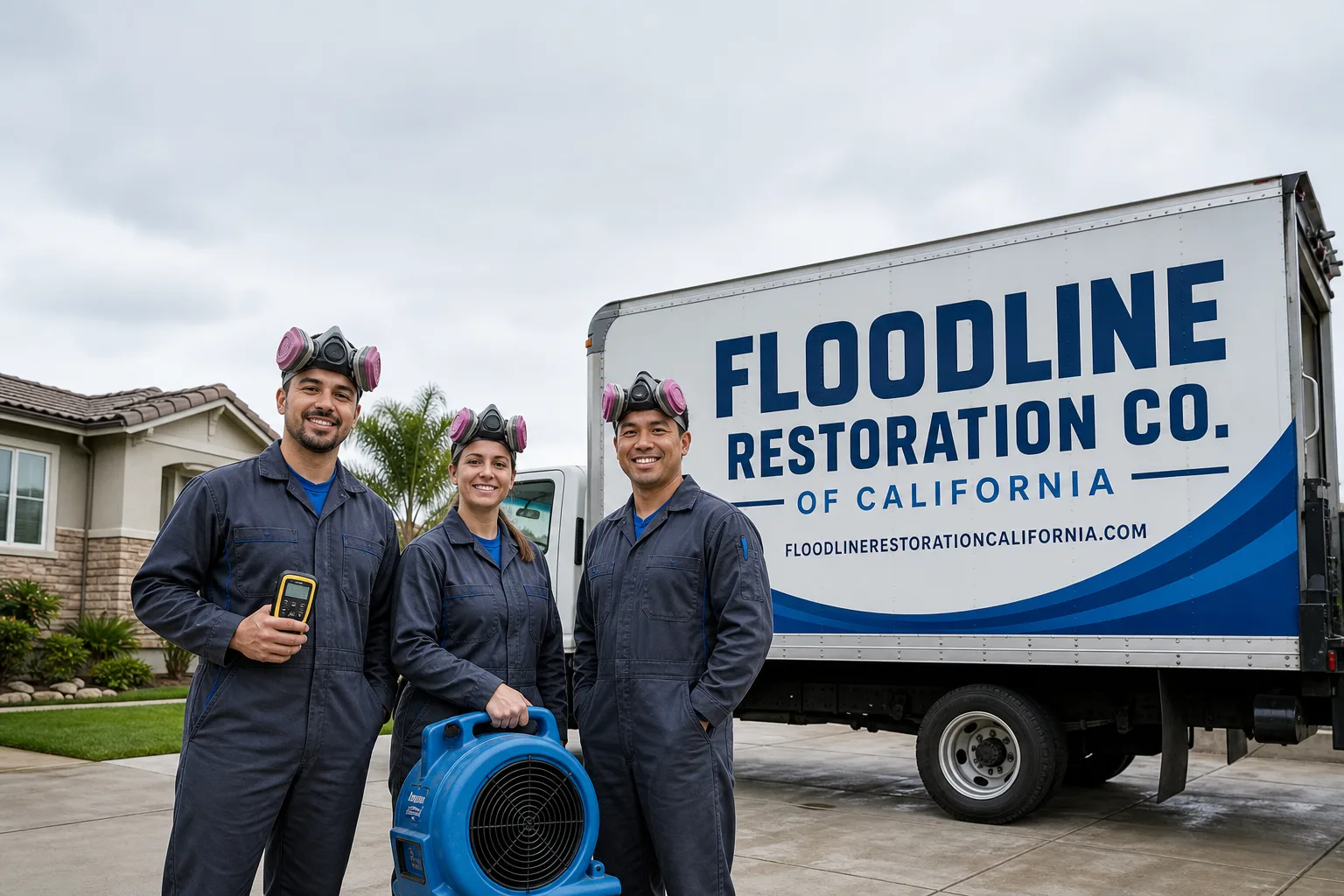
Fast, Reliable Storm & Disaster Restoration Across La Cañada Flintridge
Storm and disaster restoration in La Cañada Flintridge follows a pattern we know deeply: wildfire smoke settles into wall cavities on a Santa Ana wind, then the first real rain pushes mud and ash down Pickens Canyon and Haines Canyon into homes built on hillside lots. We respond to La Cañada Flintridge calls within hours, not days, because the damage compounds fast when hydrophobic soil is involved. If you’re standing in a flooded garage or looking at a breached gable right now, call (888) 737-2439 and a live dispatcher will answer. Our crew knows the difference between standard water loss and post-fire debris flow, and that knowledge changes how we dry, clean, and rebuild your home.
Why Floodline Restoration Co. of California Is La Cañada Flintridge’s Preferred Storm & Disaster Restoration Company
Floodline Restoration Co. has been answering La Cañada Flintridge calls for storm damage, mud intrusion, and emergency board-up with the same steady approach since Curt Bowman founded the company in 2010: a live dispatcher answers, a certified crew arrives, and the work starts that same visit. We know the streets above Foothill Boulevard and below the Angeles National Forest, and we know what a debris-basin overtopping does to a 1960s split-level on a canyon-adjacent lot. Homeowners here tell us the same thing: they want one crew that handles extraction, drying, and rebuild without a mid-job handoff to strangers. That’s how we work. Every La Cañada Flintridge job gets a moisture log, daily readings, and our 90-Day Done Right Promise in writing before we leave.
Our technicians are background-checked, uniformed, and certified to IICRC, RIA, and IFA standards. We carry Dri-Eaz, Phoenix, and Injectidry equipment on every truck. When you call about storm damage in La Cañada Flintridge, the person who answers knows this city’s terrain and the specific risks that come with living below a burn scar.
Our Storm & Disaster Restoration Services in La Cañada Flintridge
Storm Damage Cleanup
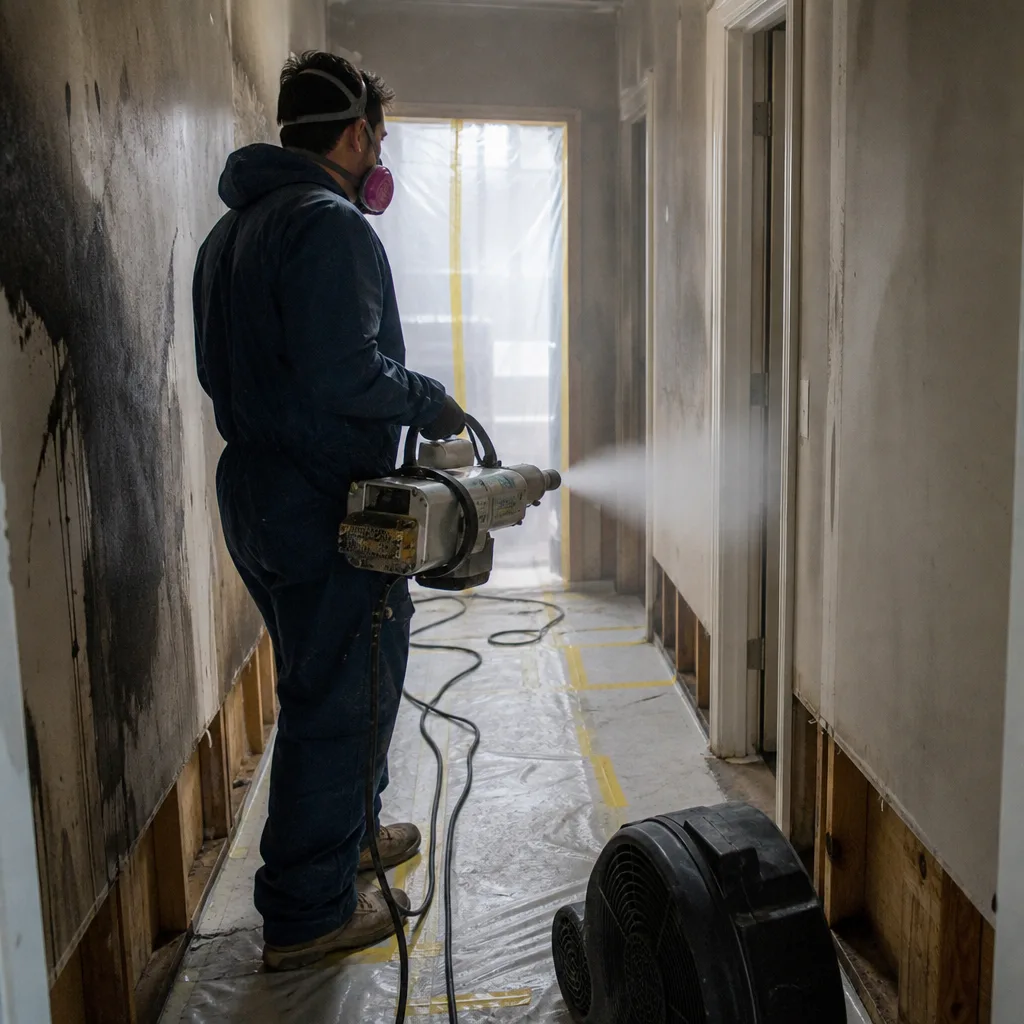
Storm damage cleanup in La Cañada Flintridge usually means more than water. Post-fire rainfall carries ash, silt, and fine debris that coats every surface and works into wall cavities. We pressure-wash exterior stucco, remove sediment from window wells and door thresholds, and set up HEPA filtration where silica-ash particulate has gone airborne. A typical cleanup on a 1,800-square-foot hillside home in La Cañada Flintridge runs $2,400 to $5,800 depending on how far the sediment traveled into the structure.
Flood Damage Restoration
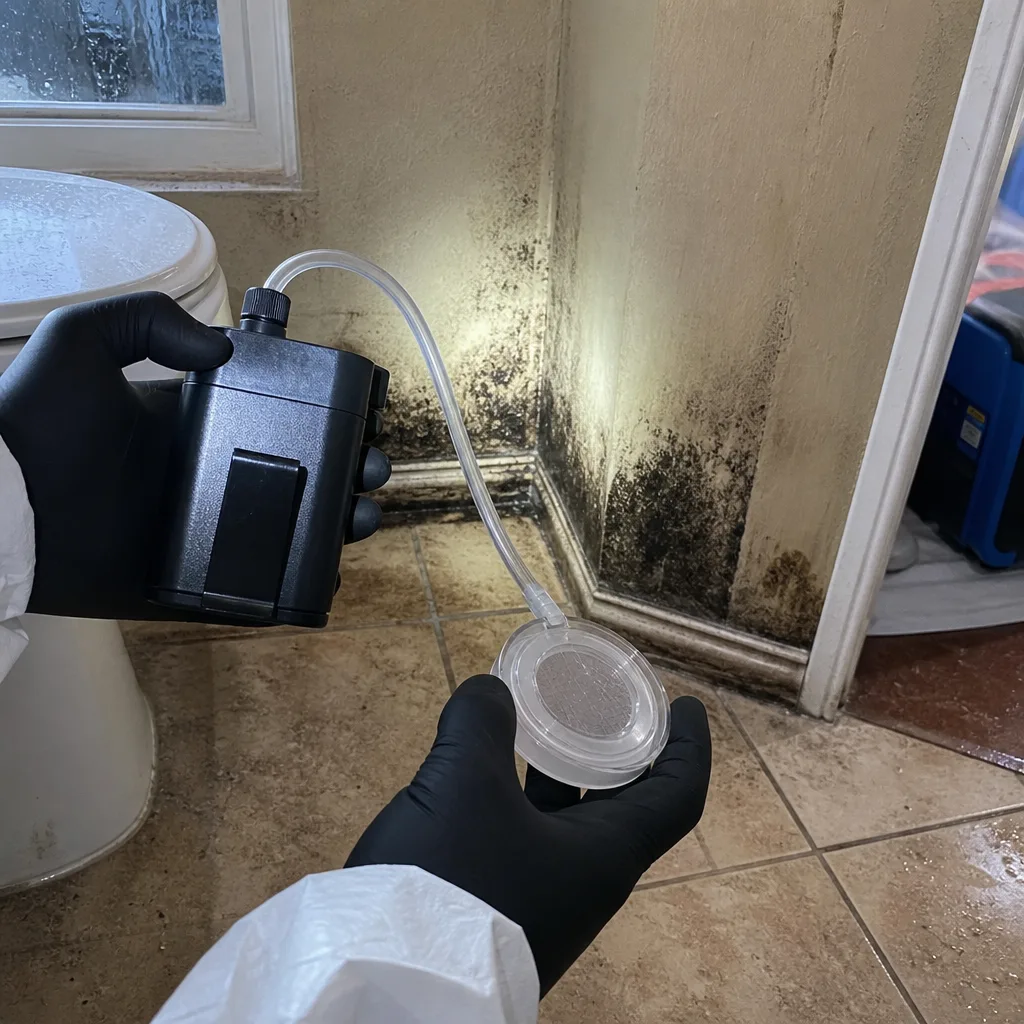
When Pickens Canyon or Haines Canyon overflows, flood damage restoration in La Cañada Flintridge means dealing with mud-laden water, not just clear water. That changes the drying plan. We use Injectidry panel systems to pull moisture from wall cavities that standard air movers can’t reach, and we log daily moisture readings until the dry standard is met. Flood damage restoration on a La Cañada Flintridge home typically runs $4,500 to $14,000, with crawl-space and slab-level intrusion at the higher end.
Emergency Board-Up
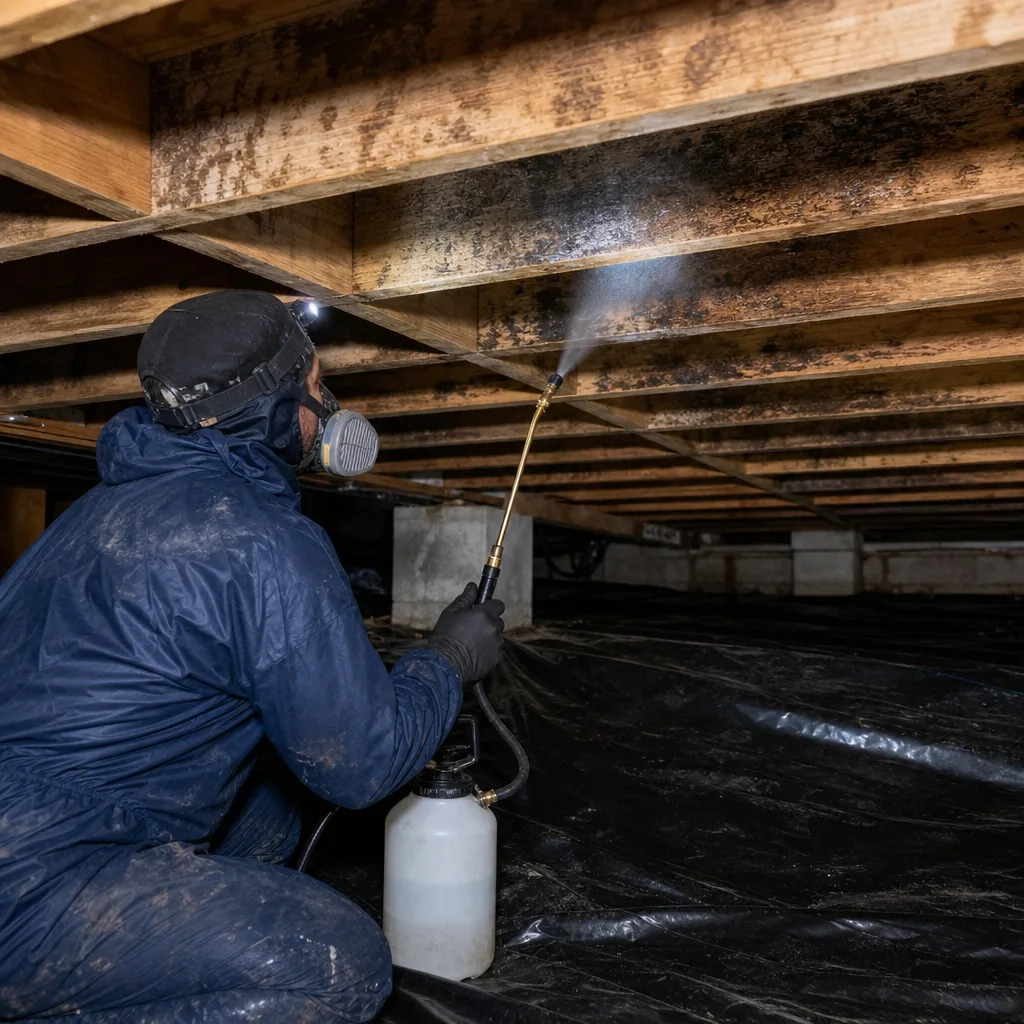
La Cañada Flintridge hillside lots take wind and debris pressure that flatland homes never see. Emergency board-up has to be heavier here: plywood anchored to framing, not just nailed to trim. Our crews carry materials sized for oversized windows and sliding doors common on mid-century ranchers and custom rebuilds in this city. Emergency board-up for a La Cañada Flintridge home generally runs $600 to $1,800, and we arrive the same day you call.
Roof Tarping
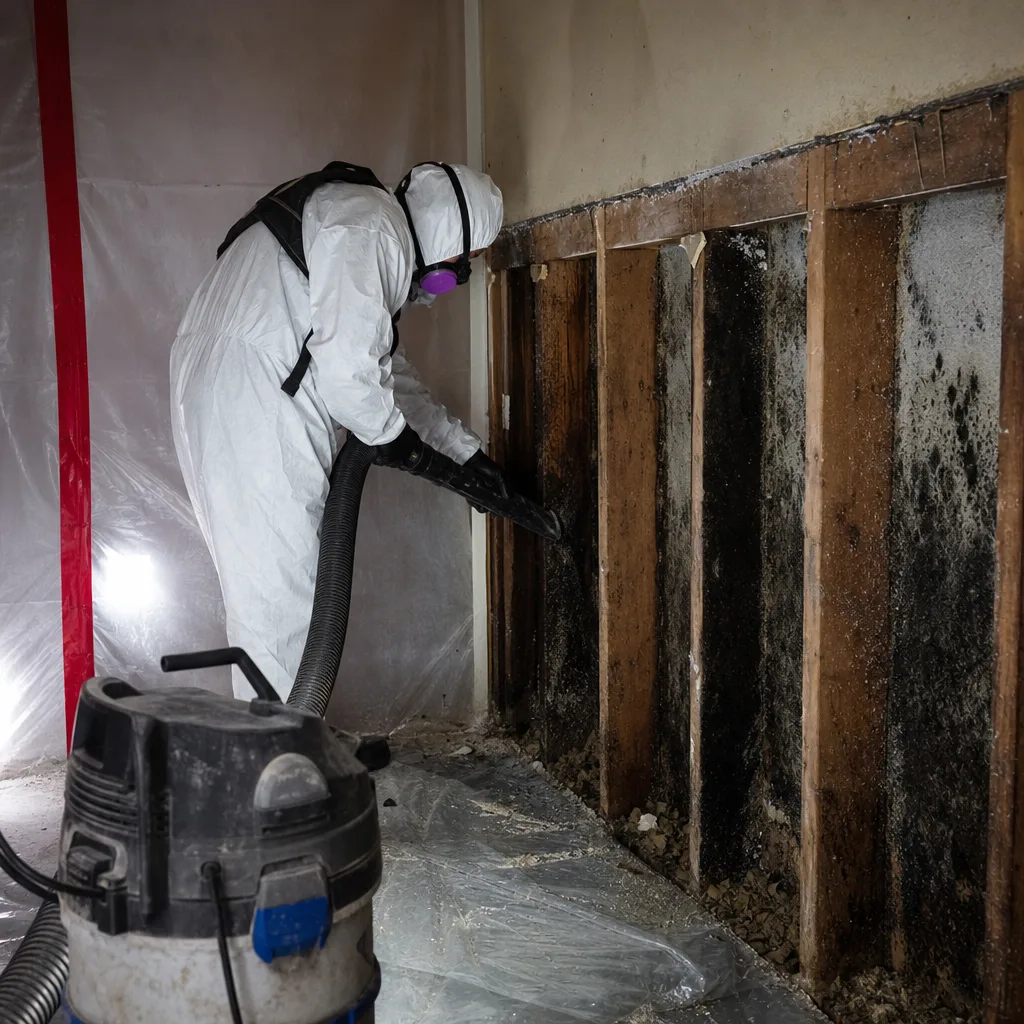
Downslope wind during a storm event can lift flashing and tear shingles off the lee side of a hillside roof in minutes. Roof tarping in La Cañada Flintridge requires heavy-gauge poly and furring-strip anchoring that holds against 50-mile-per-hour gusts off the San Gabriels. We tarp same day for most callouts. Roof tarping here typically costs $500 to $1,400 depending on roof pitch and access, which matters when your driveway switchbacks up a canyon slope.
What happens when you call
- 1
A real person answersNo phone trees - you reach a local pro.
- 2
You get an upfront price rangeHonest numbers before anyone is dispatched.
- 3
A background-checked tech heads outLicensed & insured, dispatched right away.
- 4
You approve before work beginsNothing starts until you say go.
Trusted Brands We Service in La Cañada Flintridge
La Cañada Flintridge homes range from original 1950s construction to custom rebuilds from the last two decades, and the equipment inside them spans every major brand. We work on structures built around Carrier, Lennox, and Trane HVAC systems, Andersen and Milgard windows, and older wood-sash windows that need custom board-up cuts. Our trucks carry common hardware for mid-century La Cañada Flintridge homes, which keeps turnaround fast when a storm has already done enough damage. We stock the fasteners and anchors hillside work demands.
Common Storm & Disaster Restoration Problems We See in La Cañada Flintridge Homes
- Mud under slab foundations: Debris flows push sediment under the stem wall and into the crawl space, where it holds moisture against framing and creates conditions standard drying can’t resolve. Homes built on hillsides between 1950 and 1975 are especially vulnerable because many crawl-space vents sit at grade or below.
- Silica-ash residue in wall cavities: After an Angeles National Forest fire, fine ash works into attics, soffits, and wall voids during high wind. Standard water-loss crews miss this. It requires HEPA vacuuming and negative-air containment, not just carpet fans.
- Compromised eaves and gables on lee slopes: Santa Ana winds hit the downhill side of La Cañada Flintridge homes hardest. We see recurring rafter-tail rot and gable sheathing failures that started as small wind-driven leaks nobody caught in time.
- Detached workshops and garages with heavy doors: Rural and acreage lots in La Cañada Flintridge often include detached structures with oversized sliding or carriage doors. Debris flows warp tracks and jam doors shut, which traps moisture inside and delays drying if not addressed first visit.
Pricing for Storm & Disaster Restoration in La Cañada Flintridge, CA
| Service | Typical Range in La Cañada Flintridge |
|---|---|
| Storm damage cleanup (interior + exterior) | $2,400 - $5,800 |
| Flood damage restoration with structural drying | $4,500 - $14,000 |
| Emergency board-up (same-day) | $600 - $1,800 |
| Roof tarping (heavy-gauge, anchored) | $500 - $1,400 |
| Debris removal (mud, rock, vegetation) | $1,200 - $4,000 |
| Wind damage repair (structural, exterior) | $3,000 - $12,000 |
La Cañada Flintridge pricing runs slightly above the LA Basin average because hillside access, heavier anchoring, and mud removal all add labor. Our estimates are free and written, and we bill your carrier directly so you never carry paper between us and an adjuster. Call (888) 737-2439 for a square deal on storm and disaster restoration in La Cañada Flintridge.
We Also Serve Cities Near La Cañada Flintridge
Our crews cover La Cañada Flintridge and the surrounding foothill communities daily. That includes Altadena, La Crescenta-Montrose, Pasadena, and Glendale. If you’re in one of those cities and facing storm damage, the same certified crew and the same 90-Day Done Right Promise apply. Our Storm & Disaster Restoration team handles everything from first extraction to finished rebuild.
Serving La Cañada Flintridge, CA - Our Local Coverage Area
We’re based in the La Cañada Flintridge area and know this community well. Use the map below to see our service coverage - if you’re nearby, we can almost certainly help.
FAQs - Storm & Disaster Restoration in La Cañada Flintridge
Mud that reached under a slab foundation in La Cañada Flintridge usually shows up as persistent dampness at the base of interior walls, a musty odor that gets worse after rain, or exterior soil staining that sits higher on the stem wall than it did before the storm. Confirming it requires a crawl-space or under-floor inspection with a moisture meter, which we do as part of every storm damage assessment here. Call (888) 737-2439 to schedule an inspection.
You should schedule a post-rain debris inspection in La Cañada Flintridge within two to four weeks after the first significant rainfall following an Angeles National Forest fire. That’s the window when hydrophobic soil runoff starts channeling down Pickens and Haines Canyons, and the earlier we document sediment movement and ash intrusion, the easier it is to keep damage from compounding. We inspect the day you call.
A heavy sliding door on a La Cañada Flintridge detached workshop can often be salvaged if the track is cleaned and re-aligned before the door is forced open. Forcing it warps the rollers and bends the track. In about two out of three cases we see, the door itself is serviceable and only the track, weatherstripping, and lower panel need work. We assess this on the first visit and never recommend replacement without showing you a written scope.
Fine ash left by a La Cañada Flintridge post-fire mudflow requires HEPA-level vacuuming and negative-air containment during any wall-cavity or crawl-space cleaning. Standard wet-mopping and box fans will spread silica-ash particulate deeper into the home and leave a respiratory irritant behind. We run HEPA filtration on every post-fire sediment job in this city and document the cleaning in the moisture log we hand to you and your carrier.
Most homeowners policies in the La Cañada Flintridge area cover smoke damage and subsequent mud or debris-flow damage as separate covered events, but the timeline matters. Insurers look closely at whether the mud intrusion was a new event or an extension of an unrepaired condition. We photograph every phase, document the sequence, and bill your carrier directly, which removes the most common reason these claims stall. Call (888) 737-2439 and we’ll coordinate with your adjuster from the first inspection.
Storm & Disaster Restoration in La Cañada Flintridge: The Fire-Then-Flood Pattern
La Cañada Flintridge sits directly below the Angeles National Forest in a wildland-urban interface zone where the fire-then-flood cycle defines damage restoration more than almost any other category. When chaparral burns on the slopes above, as it did catastrophically in the 2009 Station Fire, the denuded hydrophobic soil channels debris flows and mud into residential streets and structures with the first significant rainfall. That’s exactly what happened in January 2010, when flows overwhelmed local debris basins and buried homes along Haines Canyon and Pickens Canyon. Restoration contractors here routinely address the compounded aftermath of wildfire smoke and ash damage, followed months later by mud and sediment infiltration. That sequential dual-disaster pattern is genuinely rare elsewhere in the LA Basin, and it demands a crew that has worked through it before.
LA County Public Works maintains a network of debris basins immediately above this city, including the Pickens Canyon and Haines Canyon basins, specifically to catch post-fire flows. But when those basins fill and overtop, as they did in 2010, the mud surge arrives rapidly and carries rocks, logs, and ash-laden sediment. That sediment coats HVAC systems, penetrates wall cavities, and leaves behind a fine silica-ash particulate requiring HEPA-level remediation protocols well beyond standard water-damage cleanup. Standard water-loss drying fails when mud and fine ash penetrate below-grade spaces. Crews without HEPA and negative-air containment leave silica-laden residue behind that recurs as a respiratory irritant, and light-duty board-up and tarping on hillside lots cannot withstand the downslope wind and mud pressure we see on oversized doors and long service drives.
On a hillside property off Haines Canyon Road, our crew arrived hours after a debris-flow pulse overtopped the basin and pushed mud, rocks, and ash-laden sediment against a mid-century split-level. The lower-level garage and a detached workshop were buried to two feet. We deployed emergency board-up and roof tarping on a breached gable first, then used Dri-Eaz and Phoenix axial air movers plus a heavy-duty Injectidry panel system to dry wall cavities after pressure-washing the silica-ash residue from exterior stucco. One visit stabilized the structure, set drying goals, and left the homeowner with a written protocol for HEPA vacuuming of the ash-contaminated crawl space. That’s the standard on every La Cañada Flintridge job.
Written by Curt Bowman, Owner at Floodline Restoration Co. of California, serving La Cañada Flintridge with storm and disaster restoration since 2010.