
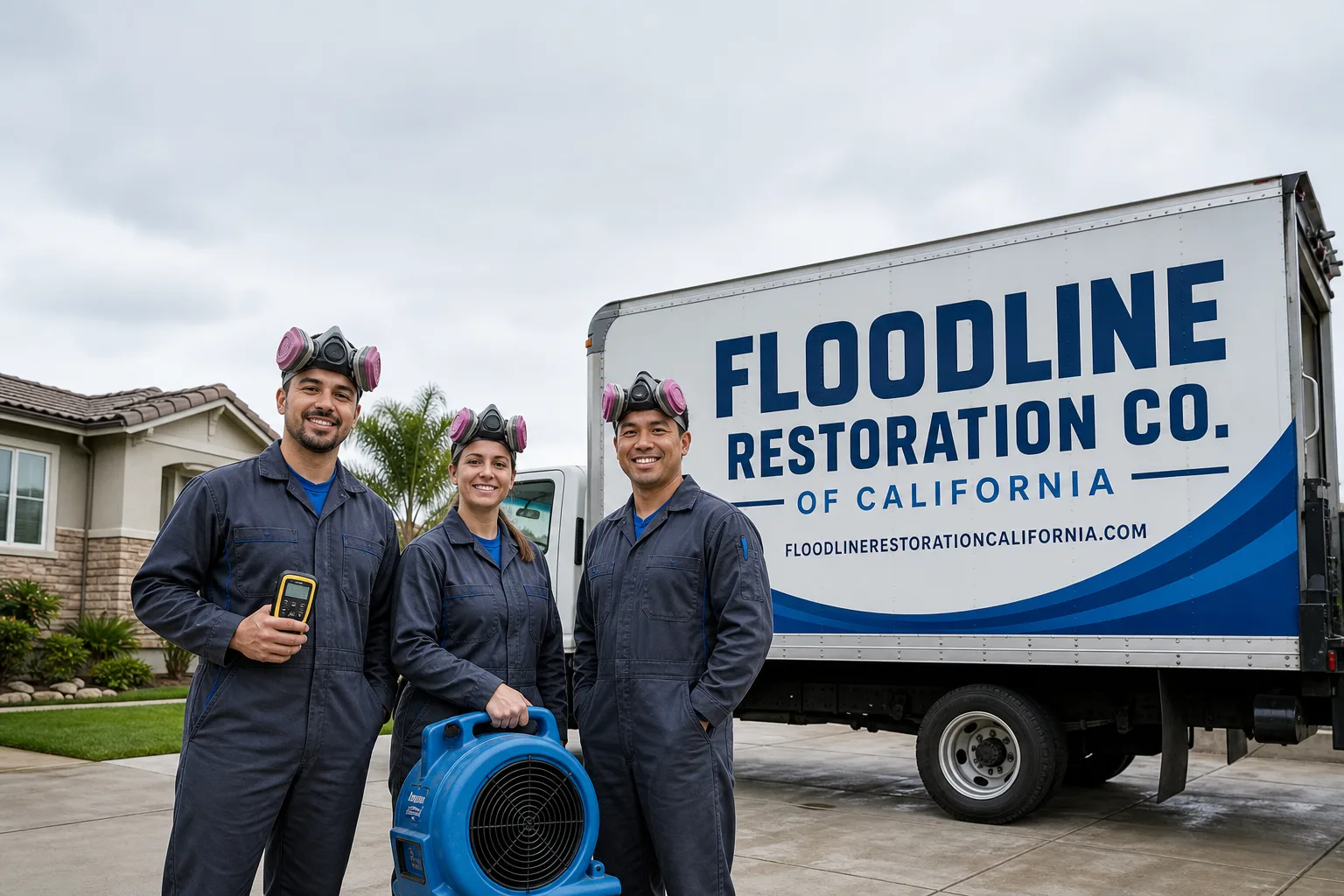
Fast, Reliable Storm & Disaster Restoration Across Dinuba
Storm damage in Dinuba rarely stops at a broken window or a few lost shingles. Between the Consolidated Irrigation District’s canal network and older homes built on subsoil that has been sinking for decades, a storm that drops an inch of rain can leave water where it doesn’t belong. We respond to storm and disaster calls across 93618 the same day, with a live person answering the phone at (888) 737-2439 no matter what hour the wind picks up. Our Storm & Disaster Restoration crews know this town’s water patterns the way only a team that works here can.
Why Floodline Restoration Co. of California Is Dinuba’s Preferred Storm & Disaster Restoration Company
Dinuba homeowners don’t have time for a restoration company that treats every water event like it’s the same problem. A springtime seep on a 1950s slab home east of Alta Avenue is a different job than a wind-damaged roof on a newer build near Ridge Creek. Curt Bowman founded Floodline Restoration Co. with a dispatch board, not a sales desk, and that decision still shapes how we handle every Dinuba call. A live person picks up, a background-checked technician in uniform gets scheduled, and the crew arrives with a written scope before any work begins.
We’ve spent years reading moisture maps and drying logs in homes throughout Tulare County’s raisin belt, and we understand what older wood-frame and slab houses in Dinuba need after a storm. The technicians who show up are trained to IICRC, RIA, and IFA standards. They carry Dri-Eaz, Phoenix, and XPOWER equipment sized for the wall cavities and crawlspaces common in 1940s and 1950s construction. And every job ends with the 90-Day Done Right Promise in writing. If it’s not done right, we make it right. No arguing.
Our Storm & Disaster Restoration Services in Dinuba
What Dinuba needs after a storm depends on what the storm did and what the house was already dealing with. These are the services our crews handle most often in 93618.
Flood Damage Restoration
Flooding in Dinuba isn’t always about rain. Irrigation canal overflows, seepage from field deliveries, and saturated soil around slab foundations send water into basements and crawlspaces just as often as a hard downpour. Our flood restoration starts with extraction using professional-grade Dri-Eaz and XPOWER equipment, then moves to a structured drying plan built around the home’s actual construction, not a generic checklist. In an uninsulated 1940s wall cavity, drying takes longer, and we log daily moisture readings until the structure hits the dry standard. A typical flood extraction and drying job in Dinuba runs $2,800 to $5,900 depending on square footage and how far water traveled.
Storm Damage Cleanup
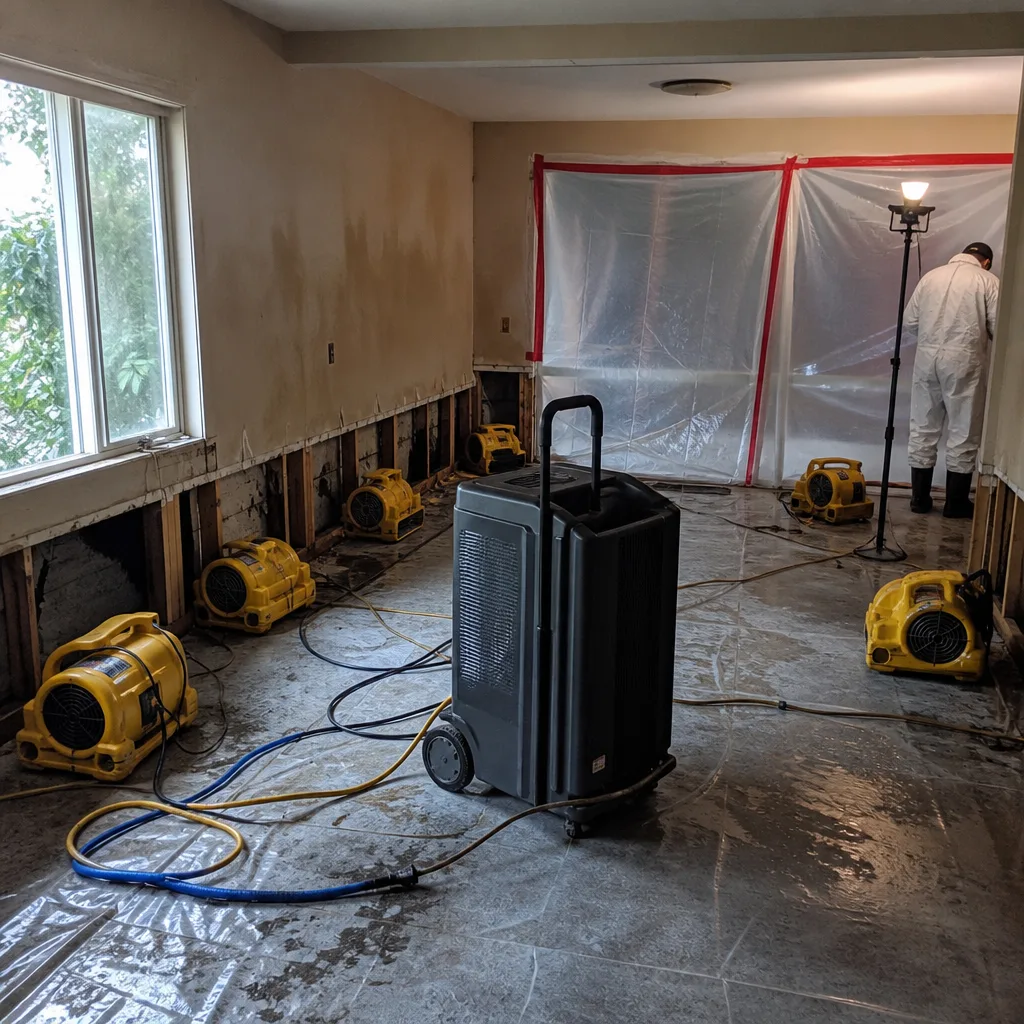
Wind-driven rain, downed tree limbs, and roof punctures put debris and moisture exactly where they cause the most trouble. We clear the damage, board up openings, and get drying equipment running the same visit. Storm cleanup in Dinuba typically runs $900 to $2,400 for a single-story home with moderate debris and water intrusion. The sooner the standing water leaves, the less chance mold gets a foothold before Tule fog season locks in the humidity.
Emergency Board-Up
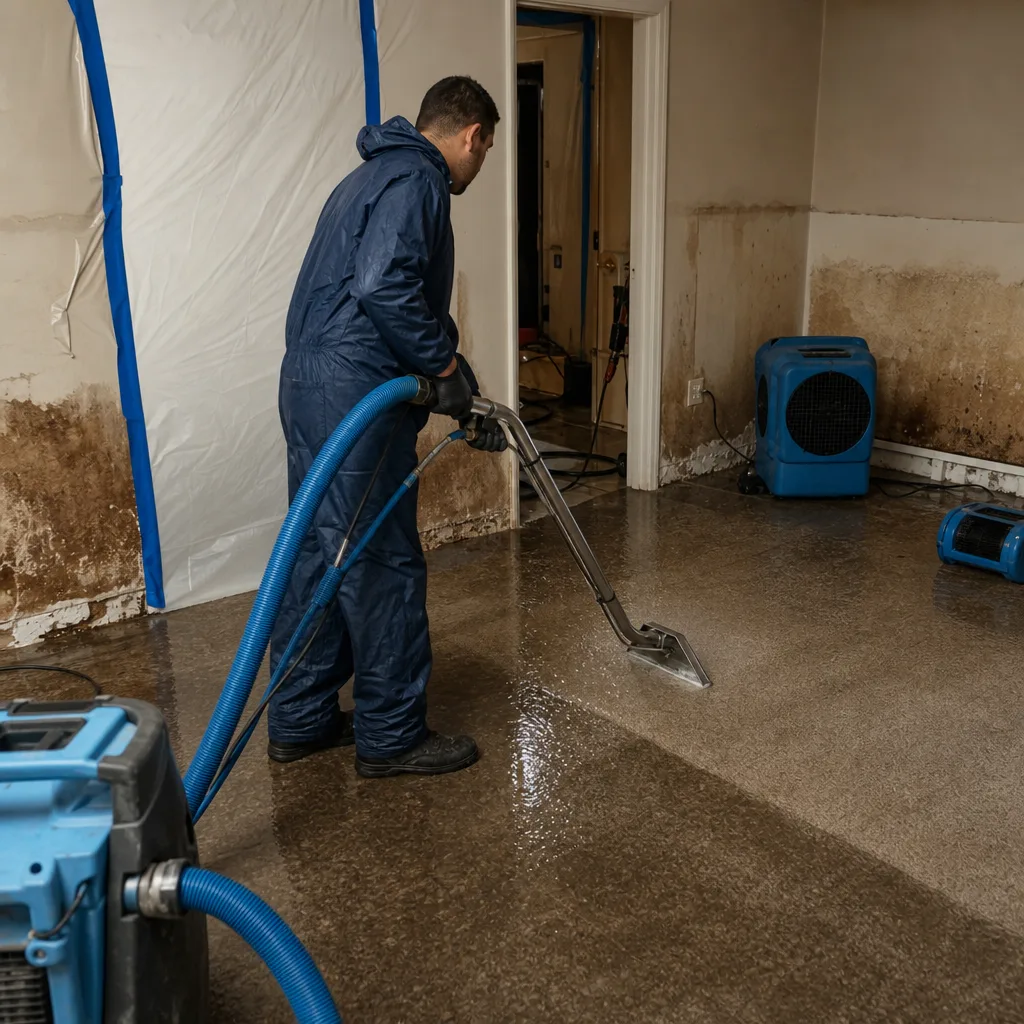
A broken window on El Monte Way or a punctured wall near the Raisin City-side streets can’t wait until morning. We board up and secure openings same day, using materials that hold through Central Valley wind gusts. Board-up in Dinuba runs $350 to $800 per opening, and our crews photograph and document everything before and after so your insurance carrier gets a clean, defensible record.
Roof Tarping
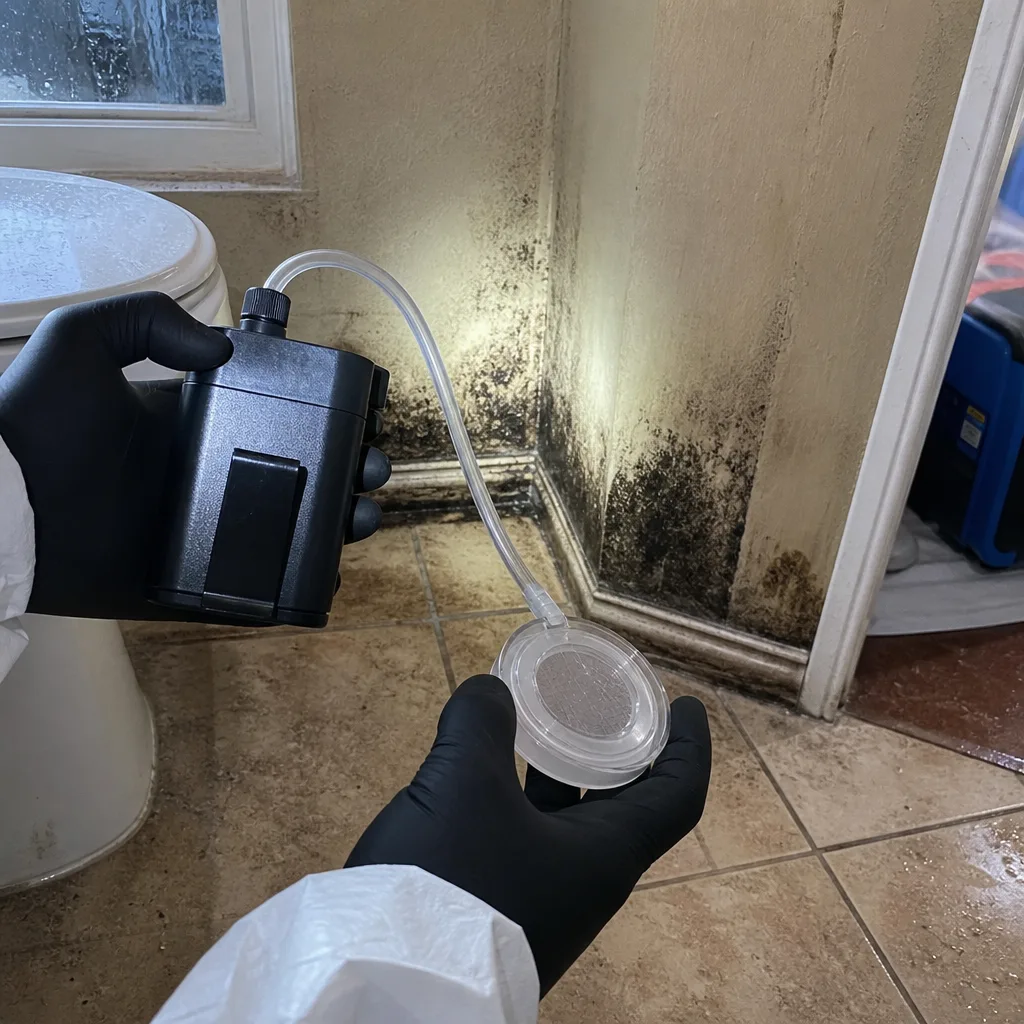
A damaged roof over a Dinuba home is a race against the next fog cycle. We tarp and seal roof breaches with reinforced anchoring that stands up to valley wind, buying time for a full repair or insurance settlement. Roof tarping in Dinuba runs $450 to $1,200 for a standard single-story home, depending on roof pitch and how much decking is exposed.
Every one of these services comes with direct insurance billing and photo documentation shared with your adjuster, so you never find yourself acting as the messenger between us and the carrier.
What happens when you call
- 1
A real person answersNo phone trees - you reach a local pro.
- 2
You get an upfront price rangeHonest numbers before anyone is dispatched.
- 3
A background-checked tech heads outLicensed & insured, dispatched right away.
- 4
You approve before work beginsNothing starts until you say go.
Trusted Brands We Service in Dinuba
Most restoration work in Dinuba isn’t brand-dependent, but when equipment choices matter, we rely on what our own techs trust: Dri-Eaz for extraction and dehumidification, and XPOWER for air movement in tight Central Valley wall cavities. Our technicians hold IICRC, RIA, and IFA certifications, which means the equipment gets used the way it was designed to be used. We stock the drying chambers, moisture meters, and containment materials in our trucks that get a Dinuba job moving without a run back to the shop. The aim is a single visit for extraction and setup, with the same crew returning for daily readings and final clearance.
Common Storm & Disaster Restoration Problems We See in Dinuba Homes
- Irrigation-cycle water intrusion. A springtime seep in a Dinuba basement or crawlspace often tracks to the Consolidated Irrigation District’s canal delivery schedule, not rainfall. Treat it as a one-off storm event and the same slab crack takes on water again next April.
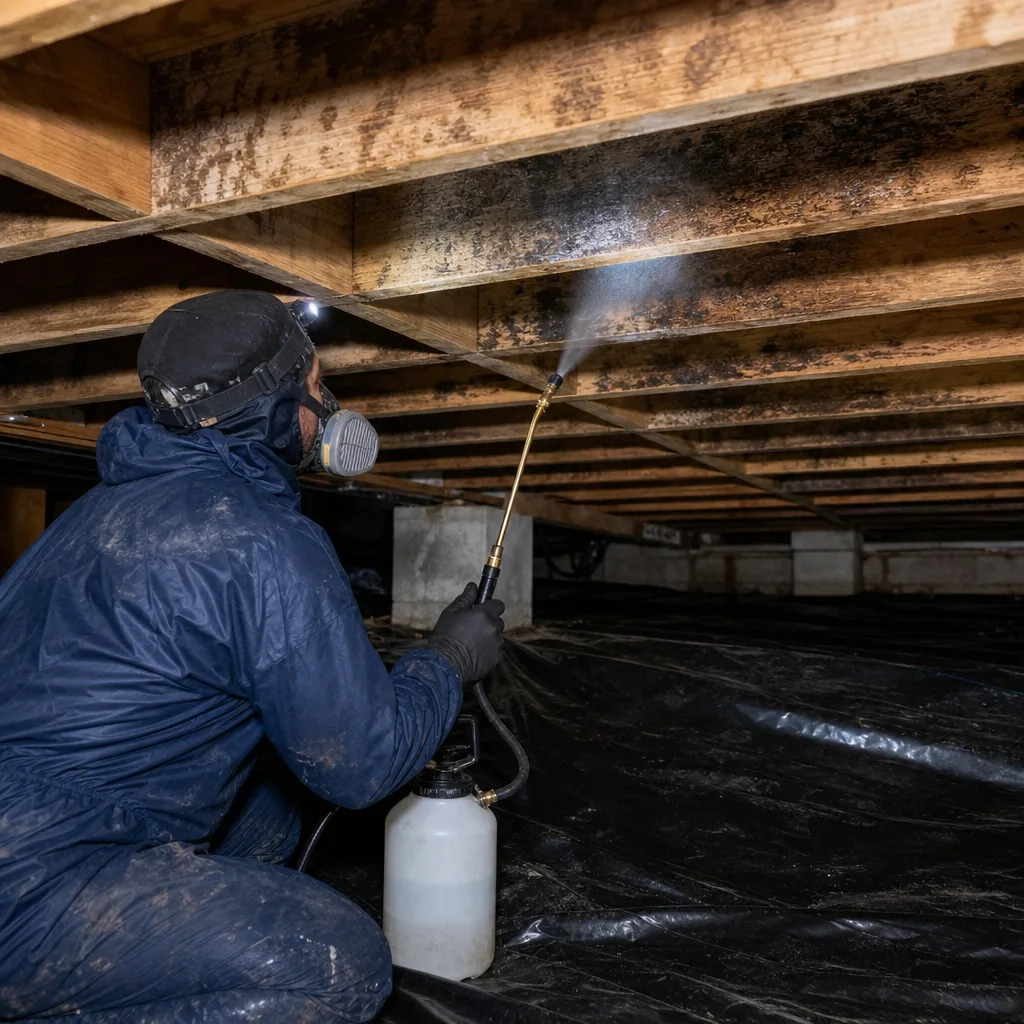
- Mold in uninsulated 1940s-1960s wall cavities. Older Dinuba homes have frame walls with no insulation and little air movement. If moisture from a storm isn’t fully dried before Tule fog season holds humidity near saturation for weeks, mold colonizes fast.
- Subsidence cracks mistaken for storm damage. Tulare County has some of the worst land subsidence in the country from groundwater over-pumping. Nearly every slab in 93618 shows settlement stress. A contractor who doesn’t photograph and log pre-existing cracks before storm work starts risks being blamed for damage the soil caused years ago.
- Galvanized plumbing failures after soil movement. Many older Dinuba homes still have original galvanized supply lines, and decades of shifting soil puts stress on every joint. A storm that saturates soil around a foundation can trigger leaks that look like flood damage but are actually plumbing failures.
Pricing for Storm & Disaster Restoration in Dinuba, CA
Dinuba storm restoration pricing tracks the older, modest footprint of homes throughout 93618. A complete flood extraction with drying on a 1,000-square-foot 1950s slab home typically runs $2,800 to $5,900. Storm cleanup with debris removal and moisture mitigation runs $900 to $2,400. Board-up runs $350 to $800 per opening, and roof tarping runs $450 to $1,200. Homes with pier-and-beam foundations or crawlspaces soak up additional drying time and cost. Our estimate is free, it’s delivered in writing, and the scope is agreed to before we start. We bill your insurance carrier directly, and the $50 Off Any Repair Over $250, the $89 Seasonal Tune-Up, and the Senior & Veteran 5% discount all apply in Dinuba. Call (888) 737-2439 to lock in an estimate.
We Also Serve Cities Near Dinuba
Our crews regularly handle storm and disaster restoration in Reedley, Cutler, Orosi, and Orange Cove. The same dispatch team, the same certified technicians, and the same written 90-Day Done Right Promise apply wherever we work in the raisin belt.
Serving Dinuba, CA - Our Local Coverage Area
We’re based in the Dinuba area and know this community well. Use the map below to see our service coverage - if you’re nearby, we can almost certainly help.
FAQs - Storm & Disaster Restoration in Dinuba
Spring water intrusion in Dinuba usually follows the Consolidated Irrigation District’s canal delivery schedule, not the weather. When field irrigation ramps up in spring, soil moisture around slab foundations rises sharply, and any existing crack or gap in a foundation becomes a channel for water. This is a recurring cycle, not a one-off event. The fix involves documenting the source, sealing what can be sealed, and planning for the soil movement that made the crack in the first place. Call (888) 737-2439 and our crew will trace the water to its actual source before recommending a repair.
Yes, and the worry is justified. Older Dinuba homes have uninsulated wall cavities with little air movement, which means any moisture that gets in during a storm lingers. If the structure sits damp when Tule fog season arrives, ambient humidity stays near saturation for weeks and mold colonizes within days, not months. The answer is drying the structure to the dry standard before fog season locks in the moisture, not just cleaning visible surfaces. Our daily moisture logs and drying chambers are built for exactly this month-by-month reality.
You can’t tell by looking, and that’s why documentation matters before any storm work begins. Tulare County’s long history of groundwater over-pumping has caused severe land subsidence, and nearly every slab in 93618 shows settlement stress. Our crew photographs and logs every existing crack before we start storm restoration, so the cause and condition of each one is on record. If a crack predates the storm, that’s documented. If a storm made it worse, that’s documented too. That record protects you and it protects us.
It can be done, but it has to be done completely. September and October are critical months for Dinuba restoration because any moisture left in a wall cavity when fog season arrives will sit at near-saturation humidity for weeks. Our drying schedules run longer in the fall, deliberately, because we measure the structure against the dry standard, not against the calendar. Rushing a dry-out in October is how a job fails a follow-up inspection in December. We’d rather take the extra days in autumn than hand back a house with a mold problem waiting underneath.
Dinuba’s housing stock varies block by block. A 1940s wood-frame home with a shallow slab foundation responds to storm water completely differently than a newer build on a raised foundation with modern drainage. The same storm can push water into a crawlspace on one street and leave a slab home two blocks away dry but windy. The difference comes down to construction type, lot grading, and where the home sits relative to the irrigation network. Our crew reads each house before recommending a scope, which means your neighbor’s job and yours are genuinely different problems.
Storm & Disaster Restoration Dinuba Homeowners Can Count On
On a 1950s wood-frame home near Dinuba’s Raisin City-area streets, our crew arrived after a winter storm to find water pooling against a shallow slab foundation that had shifted from years of Tulare County subsidence. We documented the pre-existing slab cracks before extracting standing water with our Dri-Eaz and XPOWER equipment, then set up drying chambers inside the uninsulated wall cavities. The Tule fog season kept ambient humidity near saturation for days, so the drying schedule stretched longer than a summer job would. That’s the work: reading the agricultural water calendar, the soil, and the season together, not just the storm that knocked on the door.
If you’re in Dinuba and dealing with storm or disaster damage, call (888) 737-2439. A live person answers, a certified crew gets scheduled, and the 90-Day Done Right Promise means the work is backed in writing. We’ll be there when we say.
Written by Curt Bowman, Owner at Floodline Restoration Co. of California, serving Dinuba and the Central Valley with storm, water, and disaster restoration.