
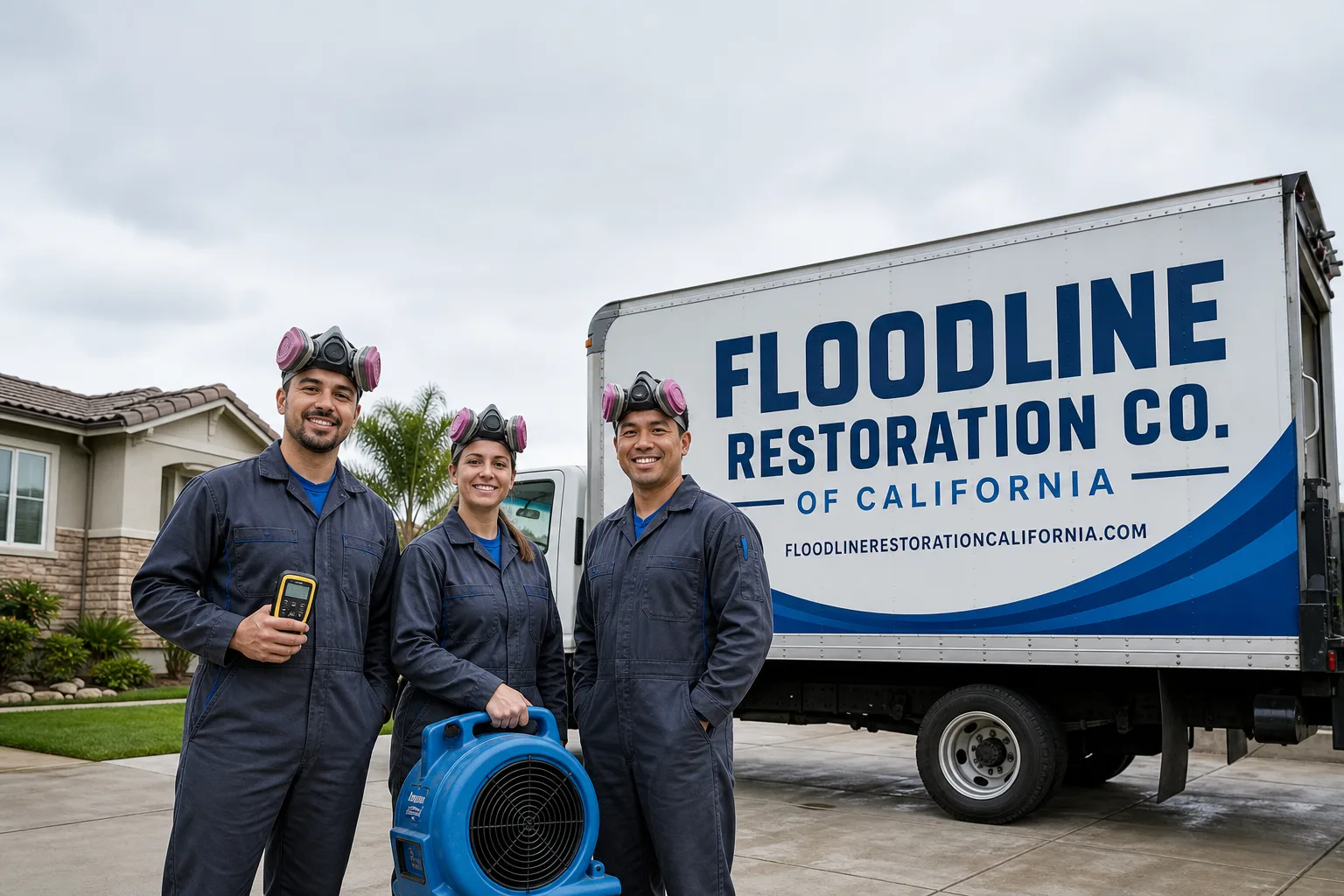
Fast, Reliable Mold Remediation Across San Francisco
Mold remediation in San Francisco typically costs $1,800-$6,500 depending on the square footage affected, whether wall cavities are involved, and whether your building sits in a DBI historic district. Most jobs in the city take 3-7 days from first inspection to final clearance, not because the work is slow, but because San Francisco’s marine layer keeps old wood from drying on any inland schedule. If you’re seeing black staining on baseboards, smelling must in a closet, or your landlord just told you a pipe broke two floors up, call (888) 737-2439. A live person answers, day or night.
We know the difference between the fog-fed mold that’s been quietly growing in your Edwardian’s uninsulated walls for years and the fresh outbreak from last week’s leak. That distinction matters when the Department of Building Inspection asks questions, and it matters for your insurance claim. Our crews work the Mission, Noe Valley, the Richmond, and every hill in between, and we carry the equipment and the permits to do it right the first time.
Why Floodline Restoration Co. of California Is San Francisco’s Preferred Mold Remediation Company
Our Mold Remediation team has opened enough walls in this city to know what’s behind them before the first screw comes out. San Francisco isn’t like the East Bay or the Peninsula. The Victorians and Edwardians that define the Mission District, Noe Valley, and Visitacion Valley were built between 1880 and 1930, mostly balloon-frame, mostly uninsulated, mostly with old-growth redwood that drinks moisture and holds it for weeks. A restoration contractor who learned drying tables in Sacramento will pull equipment too early here. We don’t.
We run Dri-Eaz dehumidifiers and Injectidry mats until the moisture map says the framing is actually dry, not until the clock says it should be. That’s the difference between a job that stays fixed and one where the mold comes back in eight months. Our technicians are IICRC, RIA, and IFA certified, background-checked, and uniformed. You’ll know who’s in your home.
Floodline Restoration Co. was founded in 2010 by Curt Bowman. We’ve built our name in the Bay Area on a simple promise: the 90-Day Done Right Promise. If it’s not done right, we make it right. In writing. No arguing, no paperwork battles. We stand behind every job in San Francisco the same way we’d stand behind one in our own neighborhood.
Calls are answered by a live dispatcher at 2 a.m., not a recording. When you call (888) 737-2439, a person picks up. We schedule fast, show up when we say, and bring professional-grade equipment on every job, not just the big ones.
Our Mold Remediation Services in San Francisco
Mold Inspection & Testing
Mold inspection in San Francisco runs $350-$750 for a visual assessment with moisture mapping and air or surface sampling. But here’s what most companies won’t tell you: in a city where fog keeps ambient humidity above 70% most nights, a visual inspection that only looks at the exposed wall face misses the real problem. We open small inspection ports when needed and run moisture meters into the wall cavities. In Visitacion Valley and the outer neighborhoods where single-family homes sit on damp hillsides, we check crawl spaces and rim joists as standard practice, not as an add-on.
Mold Removal
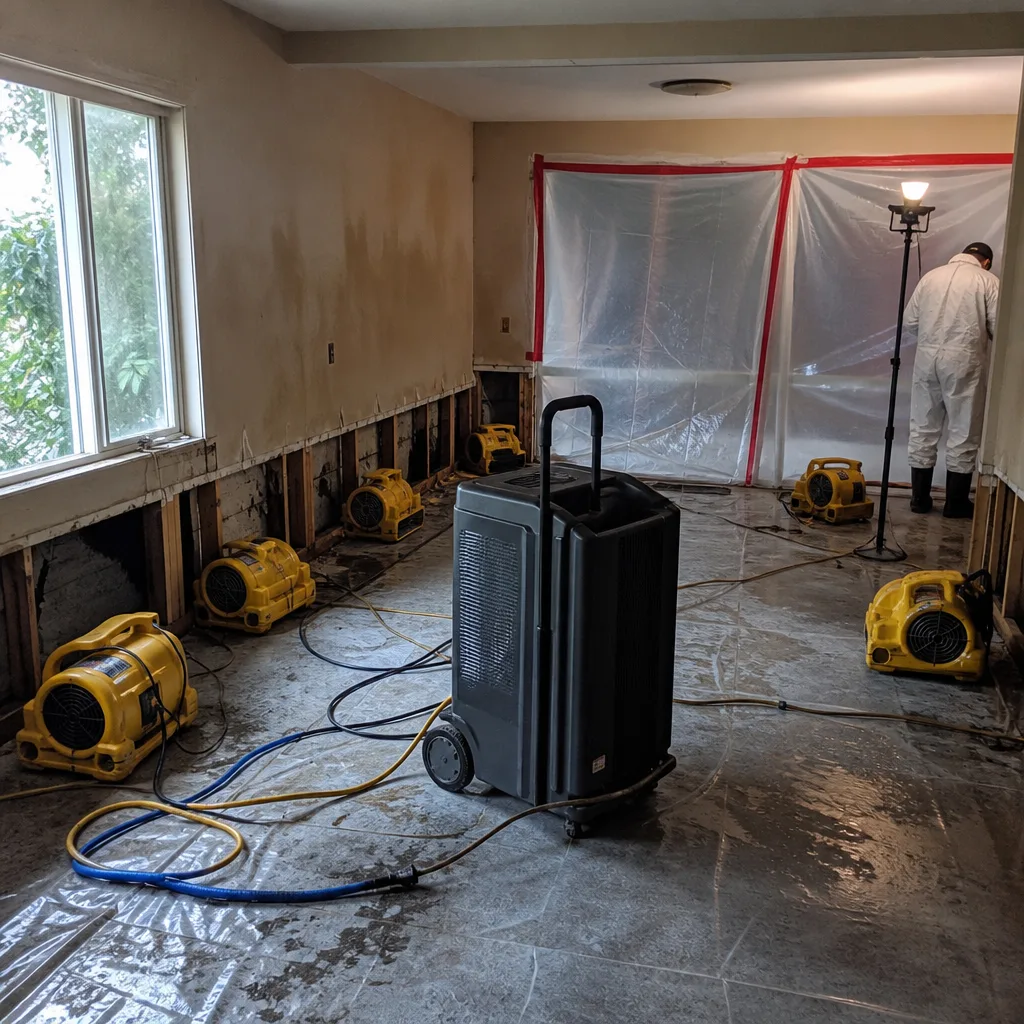
Mold removal in San Francisco typically costs $1,500-$4,500 for contained areas under 100 square feet, and $4,500-$12,000+ when multiple rooms or structural cavities are involved. The price depends on how far the colony has spread behind lath and plaster, whether we need scaffolding for tall Victorian ceilings, and whether DBI permits are required. We contain the work area under negative air pressure, remove affected materials down to sound framing, and dispose of everything according to San Francisco’s construction debris rules.
Black Mold Remediation
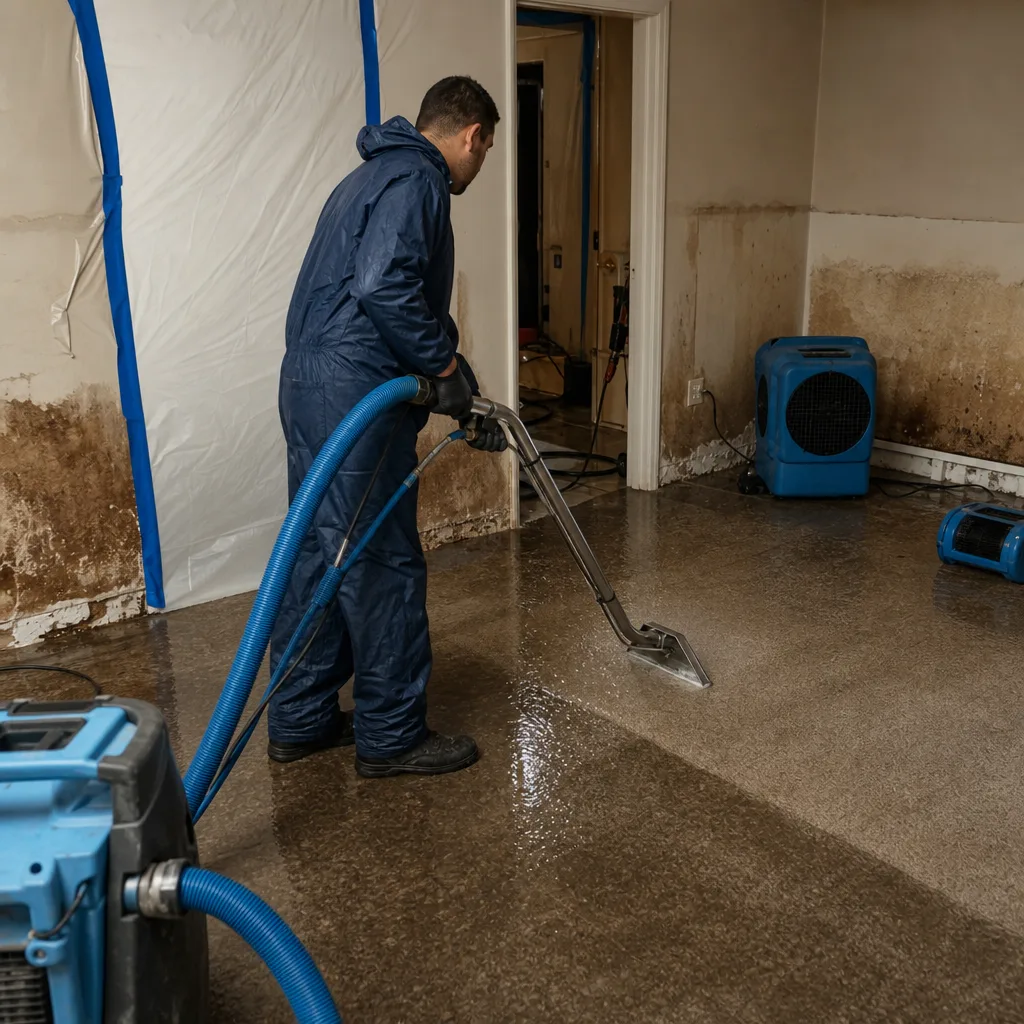
Black mold (Stachybotrys) remediation in San Francisco runs $2,500-$8,000 for typical residential jobs in older flats. We treat every black mold discovery as a health and structural issue, not a stain. The colonized drywall, plaster, and insulation come out. The framing gets sanded, treated, and dried to below the mold threshold. In a three-story Edwardian flat in the Mission, our crew opened a balloon-frame wall after a supply line cracked behind a second-floor bathroom. The old-growth redwood framing was still damp from months of fog-driven condensation, and black mold colonies had spread across four stud bays up into the uninsulated attic cavity. We ran Dri-Eaz dehumidifiers and Injectidry floor mats for nine days, far longer than inland drying charts, and replaced the affected redwood with salvaged period lumber to pass the historic overlay review.
Air Quality Restoration
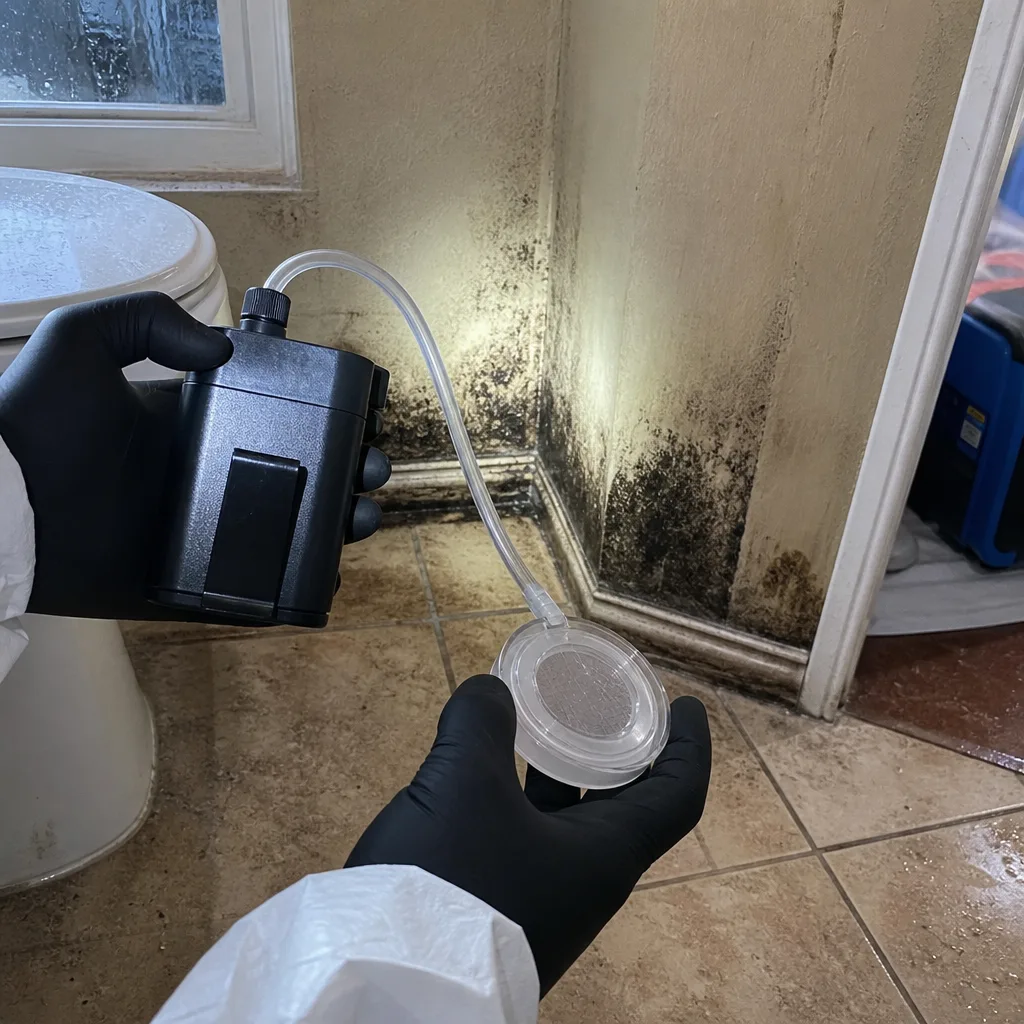
Air quality restoration in San Francisco costs $600-$1,800 depending on the size of the home and the extent of contamination. After mold removal, we run HEPA air scrubbers and take clearance samples to confirm spore counts have dropped to background levels. This step matters more here than in drier cities because fog-driven outdoor spore counts are high year-round. A clearance test that looks fine against a Fresno baseline can miss active mold in a Noe Valley flat. We test against San Francisco outdoor controls.
What happens when you call
- 1
A real person answersNo phone trees - you reach a local pro.
- 2
You get an upfront price rangeHonest numbers before anyone is dispatched.
- 3
A background-checked tech heads outLicensed & insured, dispatched right away.
- 4
You approve before work beginsNothing starts until you say go.
Trusted Brands We Service in San Francisco
We use professional-grade Dri-Eaz equipment on every San Francisco job because it’s built for the kind of long-duration drying our climate demands. Our technicians are trained to IICRC standards and certified through RIA and IFA programs. When we need to match period millwork or source old-growth redwood replacement studs for a DBI historic overlay, we don’t substitute modern lumber. We salvage and restore. For homeowners in the Mission, Chinatown, and Visitacion Valley, that means the repair fits the building, not just the budget. We keep common parts and materials stocked locally so we’re not waiting on a truck from out of state when your wall cavity is open and the fog is rolling in.
Common Mold Remediation Problems We See in San Francisco Homes
- Balloon-frame wall cavities that never dry. San Francisco’s marine layer keeps relative humidity elevated year-round, and unlike the rest of California, the city gets no hot, low-humidity summer spell to passively dry wet framing. Mold amplification can begin in wall cavities within 24-48 hours of a water event because the background moisture content of old framing is already elevated before the loss occurs.
- Historic district permit stops. The Department of Building Inspection requires a permit for mold remediation that disturbs more than 10 square feet of material, and in historic districts like the Mission’s or Nob Hill’s Victorian rows, the use of period-appropriate building materials must be documented. A contractor who patches with modern drywall and moves on will get a stop-work order. We carry DBI permit pre-approvals and salvage old-growth redwood replacement studs before opening walls.
- Pre-existing mold versus loss-caused mold. Crews working Nob Hill or the Mission commonly open a wall to address a single burst pipe and find pre-existing mold colonies spanning multiple stud bays, not from the current loss, but from years of fog-driven condensation on uninsulated exterior balloon-frame walls that never fully dried between rainy seasons. Billing and scope disputes with insurers are the norm because the line between pre-existing and loss-caused damage is hard to draw cleanly. We document everything with photos and moisture logs so your adjuster sees exactly what we saw.
- Soft-story seismic compounding. Soft-story buildings, wood-frame apartments over open garages, are ubiquitous in San Francisco. Seismic racking opens wall assemblies to water intrusion that then hides inside uninsulated cavities for months. By the time you see the stain, the colony is established. We check soft-story structures for exactly this pattern before we quote a scope.
Pricing for Mold Remediation in San Francisco, CA
Here’s what you should expect to pay in San Francisco, based on the jobs we’ve completed across the city:
- Mold Inspection & Testing: $350-$750
- Mold Removal (single room, contained): $1,500-$3,500
- Mold Removal (multiple rooms or structural cavities): $4,500-$12,000+
- Black Mold Remediation: $2,500-$8,000
- Air Quality Restoration: $600-$1,800
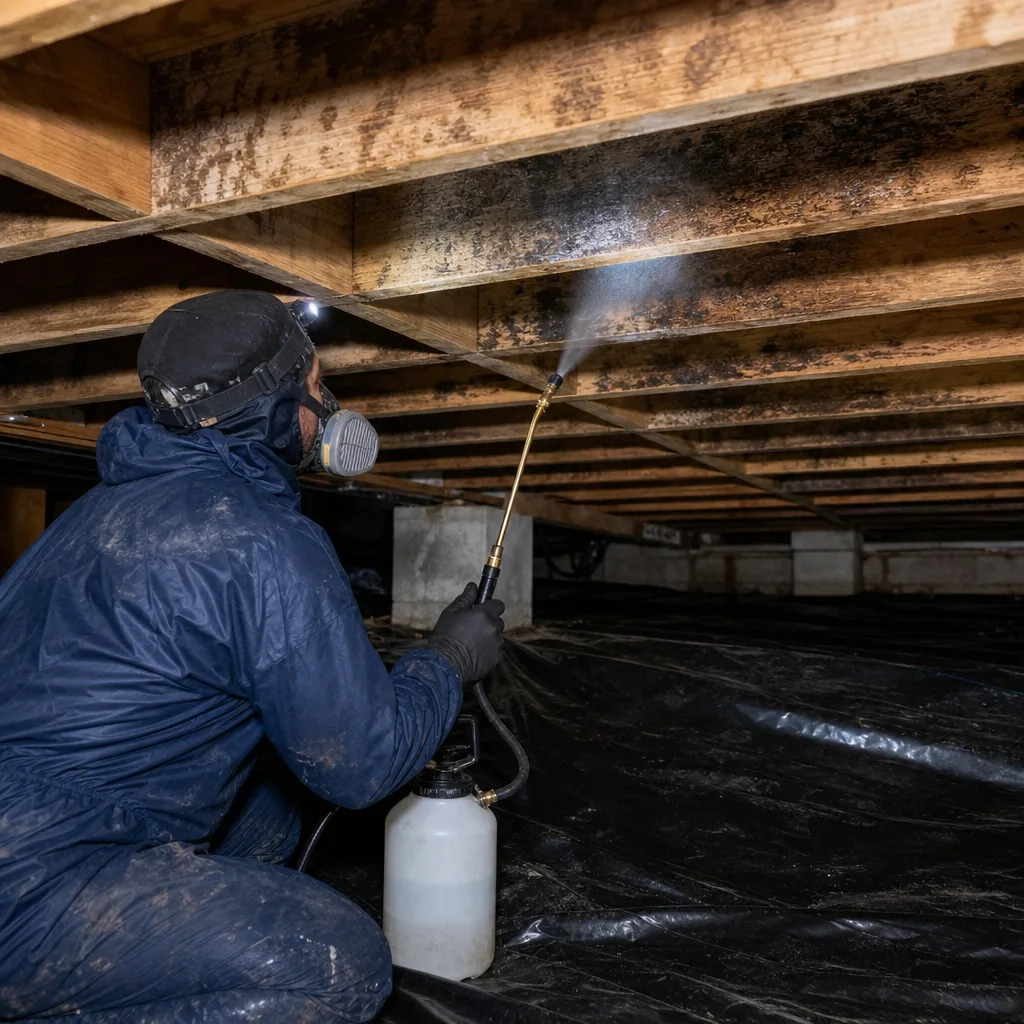
- Crawl Space Treatment: $1,200-$3,200
- Moisture & Humidity Control (whole-home dehumidification): $1,800-$5,500
What moves the price in San Francisco is access. Third-floor walk-ups in the Mission take longer than garage-level units. Lath-and-plaster removal costs more than drywall because it’s heavier and messier. Historic district work adds permit time and period-material sourcing. We give you a written scope before work starts, so you know exactly what’s being done and what it costs. Estimates are free. Call (888) 737-2439 for an exact quote on your home.
We Also Serve Cities Near San Francisco
Our crews cover San Francisco neighborhoods including the Mission District, Noe Valley, Chinatown, and Visitacion Valley. We also reach surrounding areas across the Bay Area. If your home is in one of these neighborhoods or nearby, call (888) 737-2439 and we’ll get a certified technician to your door.
Serving San Francisco, CA - Our Local Coverage Area
We’re based in the San Francisco area and know this community well. Use the map below to see our service coverage - if you’re nearby, we can almost certainly help.
FAQs - Mold Remediation in San Francisco
Yes, if the work disturbs more than 10 square feet of material, and in historic districts the use of period-appropriate materials must be documented. Our technicians carry DBI permit pre-approvals and we handle the paperwork so the job doesn’t stall. Call (888) 737-2439 and we’ll confirm what your specific address requires.
San Francisco’s marine layer keeps ambient relative humidity elevated year-round, and the city gets no hot, low-humidity summer period to dry out wet building assemblies. Old-growth redwood framing in Victorian and Edwardian homes wicks moisture deeply and dries extremely slowly, so mold can amplify in wall cavities within 24-48 hours of a water event. Oakland and Daly City have more inland weather patterns that allow faster passive drying.
We assess how far the colony has penetrated, dry the framing to below the mold threshold with Dri-Eaz equipment, treat the affected wood, and replace any structurally compromised sections with salvaged period redwood when DBI historic rules apply. We never patch period framing with modern lumber unless the permit allows it. Call (888) 737-2439 to schedule an inspection.
No, and this is the most common mistake we see. Box fans move air across surfaces but they don’t reach inside wall cavities. In San Francisco’s marine climate, cavity moisture will sit at mold-triggering levels for weeks even with fans running. You need injection drying and dehumidification equipment with daily moisture readings. A small leak becomes a big mold problem faster here than almost anywhere else in California.
Mold removal takes out the visible mold and affected materials; mold remediation goes further by correcting the moisture source, drying the structure to a verified standard, treating remaining surfaces, and confirming clearance with air sampling. For a San Francisco Victorian with soft-story construction, remediation also means checking seismic racking gaps where water has been entering wall assemblies unseen. That’s the only way to keep the mold from coming back.
Written by Curt Bowman, Owner at Floodline Restoration Co. of California, serving San Francisco since 2010.