
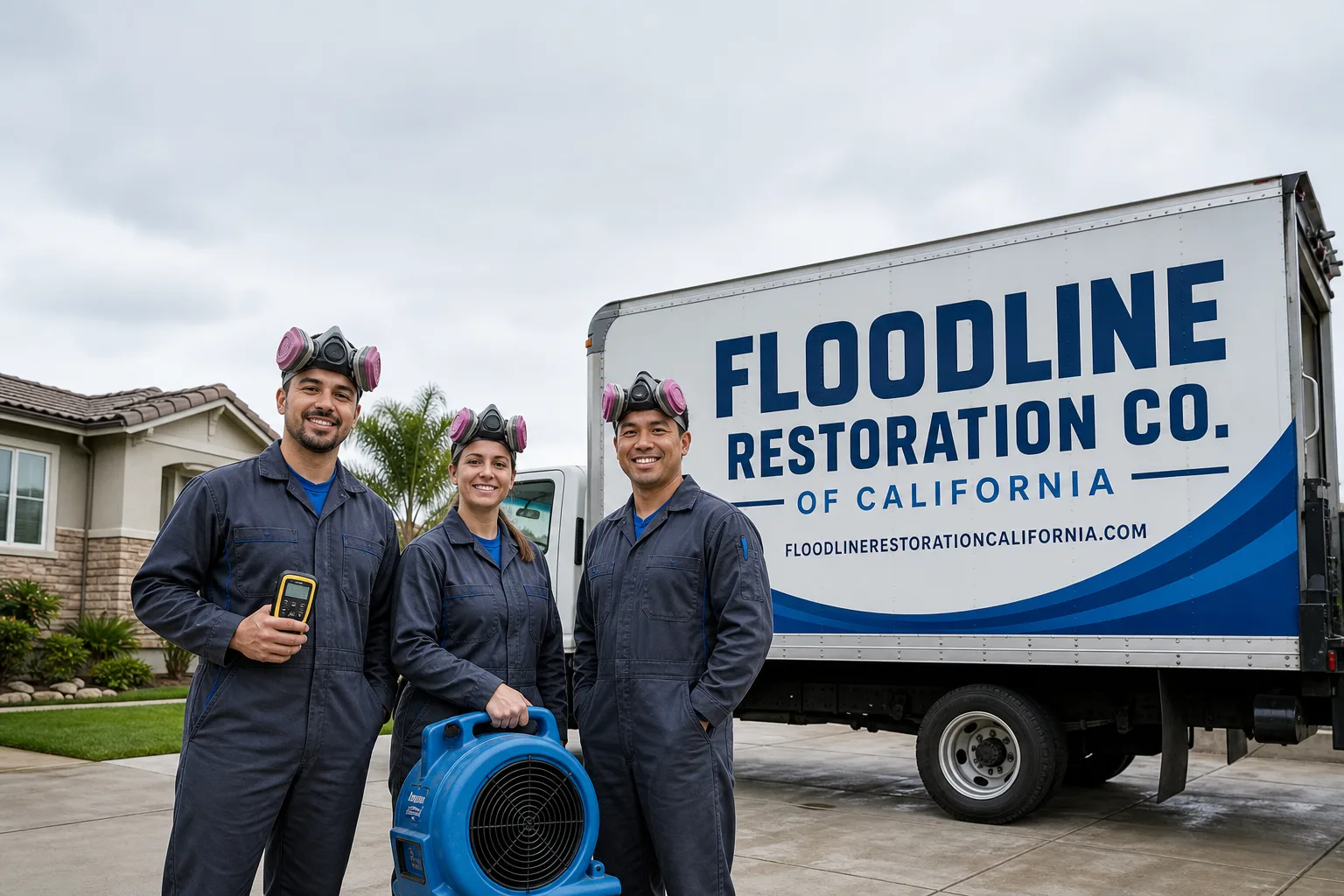
Fast, Reliable Mold Remediation Across Long Beach
Mold remediation in Long Beach typically runs $1,800-$6,500 for a full containment project, with inspections starting around $250-$450 and air quality restoration between $900-$2,800 depending on square footage. Most jobs in Long Beach are completed within 3-7 days, though coastal properties under the marine layer often need extended drying times. We dispatch crews to every Long Beach ZIP code, including 90822, 90831, 90832, and 90833, with a live person answering the phone 24/7. Call (888) 737-2439 and a certified technician can be at your door the same day.
Long Beach presents a mold problem unlike almost anywhere else in the LA basin. The port complex, the persistent morning marine layer, and decades of oil-field subsidence have combined to create moisture conditions that accelerate mold colonization faster than inland cities like Compton or Carson. Homeowners here need a remediation company that understands the chemistry of this specific coastal environment, not a generic water damage crew following a one-size-fits-all playbook.
Key Takeaways:
- Mold inspections in Long Beach start at $250-$450; full remediation runs $1,800-$6,500.
- West-side ZIP codes like 90810 face aggressive mold growth from port-driven salt air and humidity.
- Pre-WWII homes in Rose Park, Wrigley, and the Poly High corridor require asbestos and lead-paint protocols.
- Naples canal homes in 90803 have a flooding mode no other Long Beach neighborhood shares.
- Every job is backed by the 90-Day Done Right Promise, in writing.
Our Mold Remediation team has worked in Long Beach long enough to know which blocks fight moisture hardest. Curt Bowman founded Floodline Restoration Co. of California in 2010, and the standard has never changed: show up when we say, do the work right, and put the guarantee in writing. When you call about mold in a Long Beach home, you’ll speak to a live dispatcher who can route a crew from the Los Angeles metro office to your neighborhood without making you wait through a phone tree.
Why Floodline Restoration Co. of California Is Long Beach’s Preferred Mold Remediation Company
Long Beach homeowners tend to keep their houses. People who bought a craftsman in Rose Park thirty years ago plan to stay another thirty. That changes the math on mold. A superficial wipe-down isn’t enough when you’re protecting a house you’ll pass down. Our crews treat every Long Beach job as if the homeowner will still be checking the drywall in 2046.
We arrive in uniform, background-checked, and certified to IICRC, RIA, and IFA standards. The work is documented with moisture maps, daily readings, and photo evidence for your insurance carrier. No vague promises, no handoffs to a different crew mid-job. The same team that sets up containment on day one handles the drying, the removal, and the antimicrobial application through completion.
Our reputation in Long Beach comes from doing the job once. Homeowners tell us the same thing: they’ve been burned by contractors who showed up with a spray bottle and a fan. We show up with Dri-Eaz dehumidifiers, HEPA air scrubbers, and a written scope of work. The difference is measurable, and it’s why Long Beach customers call us back when moisture returns years later. The 90-Day Done Right Promise stays on file. If anything regrows, we make it right. No arguing, no paperwork battle.
Want the full picture on our approach across the region? See how we handle Mold Remediation in Long Beach from first inspection to final clearance testing.
Our Mold Remediation Services in Long Beach
Mold Inspection & Testing
A proper mold inspection in Long Beach means more than swabbing a visible spot. We test air samples inside and outside the home, take surface samples where staining is present, and map moisture in wall cavities with thermal imaging and moisture meters. In west-side Long Beach ZIP codes, we test for petroleum-adjacent residue that can feed certain mold strains in ways you won’t find in Signal Hill or Lakewood. Inspection reports include lab results and a written remediation scope, so you know exactly what’s behind the wall before anyone opens it.
Mold Removal
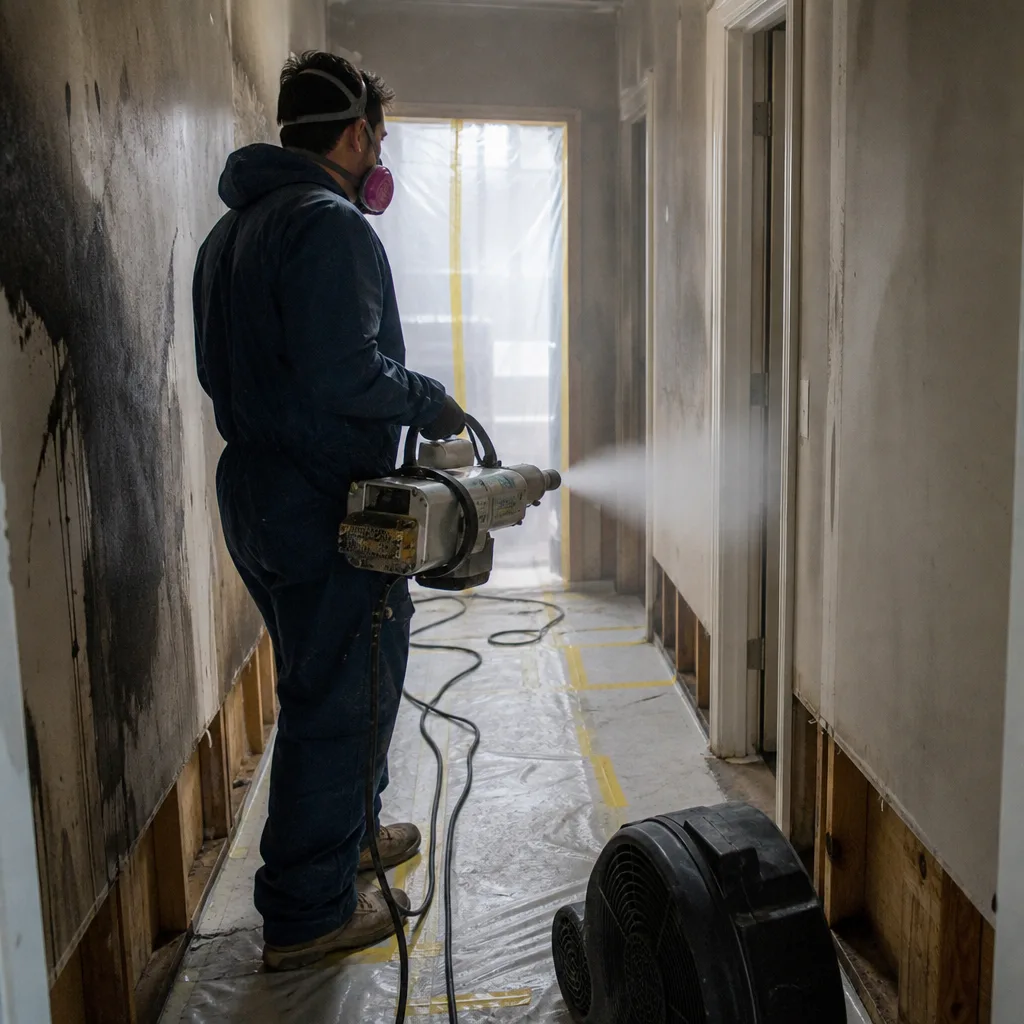
Mold removal in Long Beach usually requires containment, not just cleaning. We set negative air pressure with HEPA-filtered scrubbers, remove affected drywall or plaster to clean, solid framing, and apply antimicrobial treatments rated for the humidity profile of your specific neighborhood. A 1930s bungalow in Rose Park with lathe-and-plaster walls needs a different removal sequence than a 1960s apartment block in 90802. We adjust the protocol accordingly, and we document every step for your carrier.
Black Mold Remediation
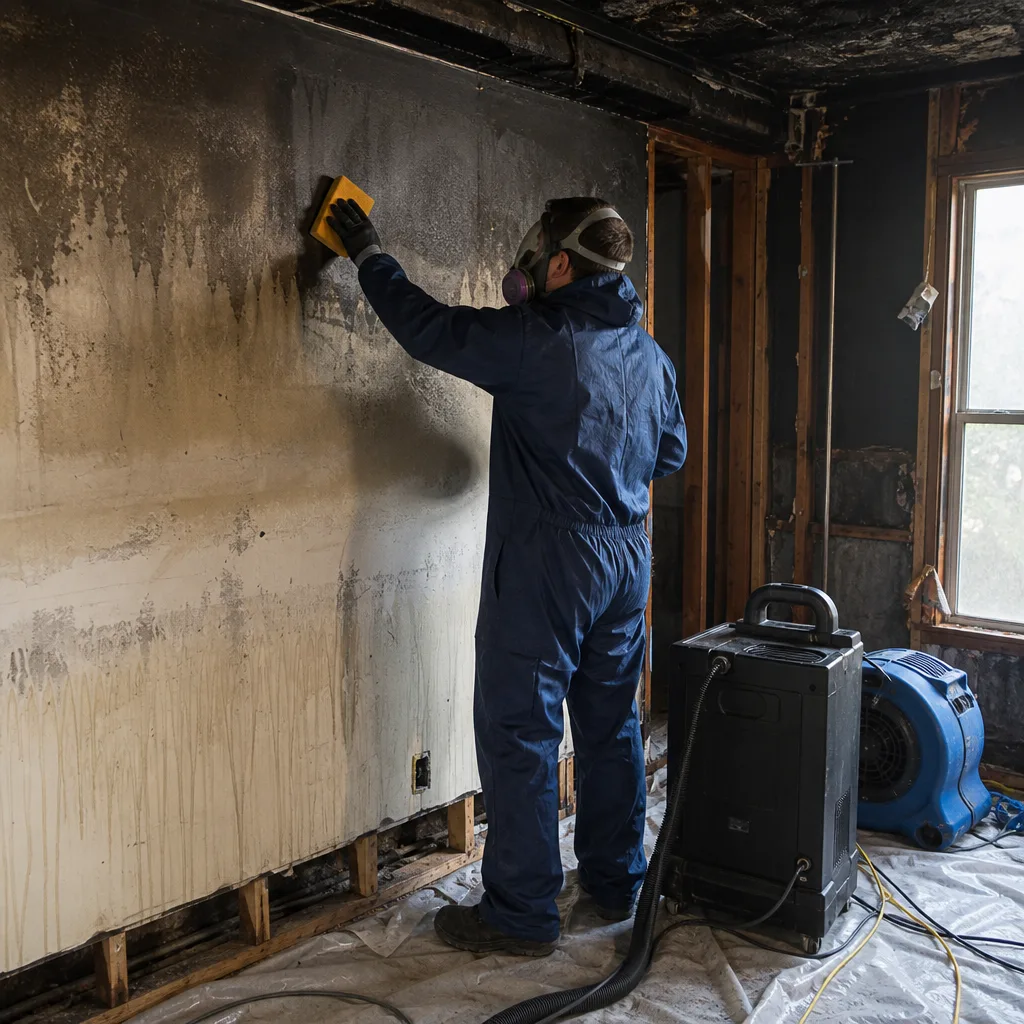
When testing confirms Stachybotrys or other toxigenic mold, Long Beach homeowners rightfully want answers fast. We treat black mold as a containment-first job every time. Full HEPA air scrubbing, sealed work zones, and removal of porous materials that cannot be fully cleaned. In pre-1933 Long Beach homes, this often triggers asbestos and lead-paint testing before demolition begins. We coordinate that testing and keep the job moving so you’re not living in plastic sheeting longer than necessary.
Air Quality Restoration
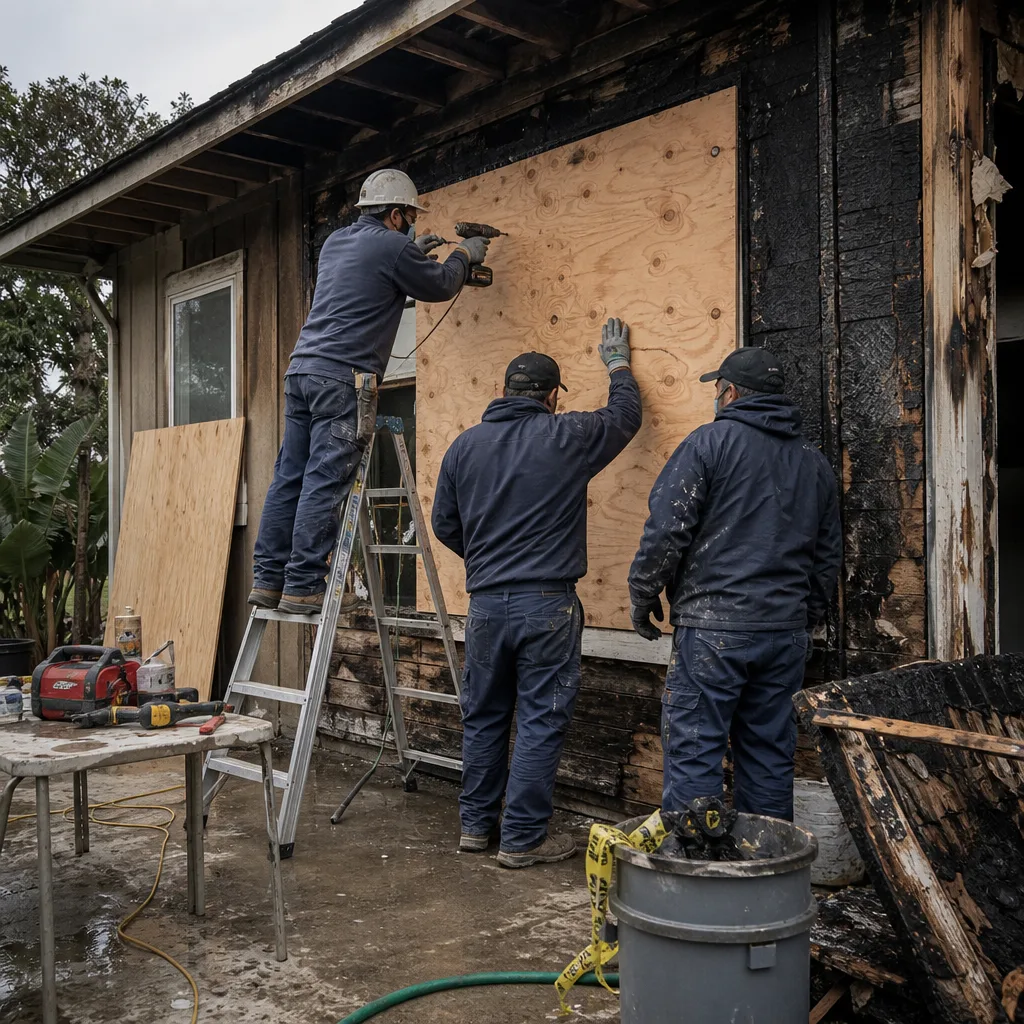
Mold spores don’t stay in one room. Air quality restoration in Long Beach means running HEPA air scrubbers long enough to capture airborne spores that settled in ducts, on surfaces, and in carpet fibers. We use Dri-Eaz and Phoenix units sized to your home’s square footage and run post-remediation air sampling to confirm spore counts returned to normal background levels for your area. Coastal Long Beach has a naturally higher outdoor mold spore baseline than Compton or Carson, and a good clearance test accounts for that.
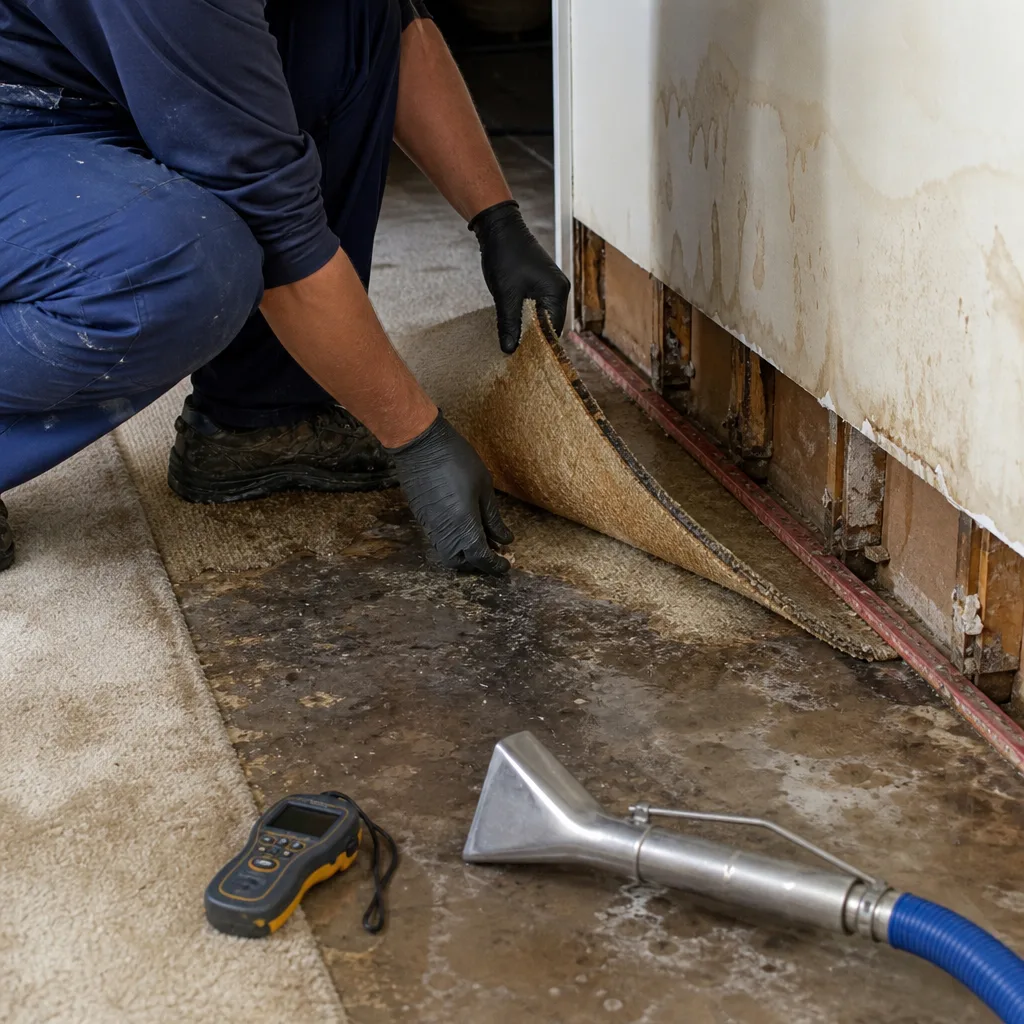
Moisture & Humidity Control
Mold comes back when moisture comes back. In Long Beach, the morning marine layer holds relative humidity at 80-90% well into midday in coastal neighborhoods. That means structural materials dry slower here than they do ten miles inland. We address this directly by specifying dehumidification capacity and drying time targets based on your specific Long Beach microclimate, not a generic chart. Crawl spaces on the west side often need vapor barriers and ventilation corrections to stop the cycle permanently.
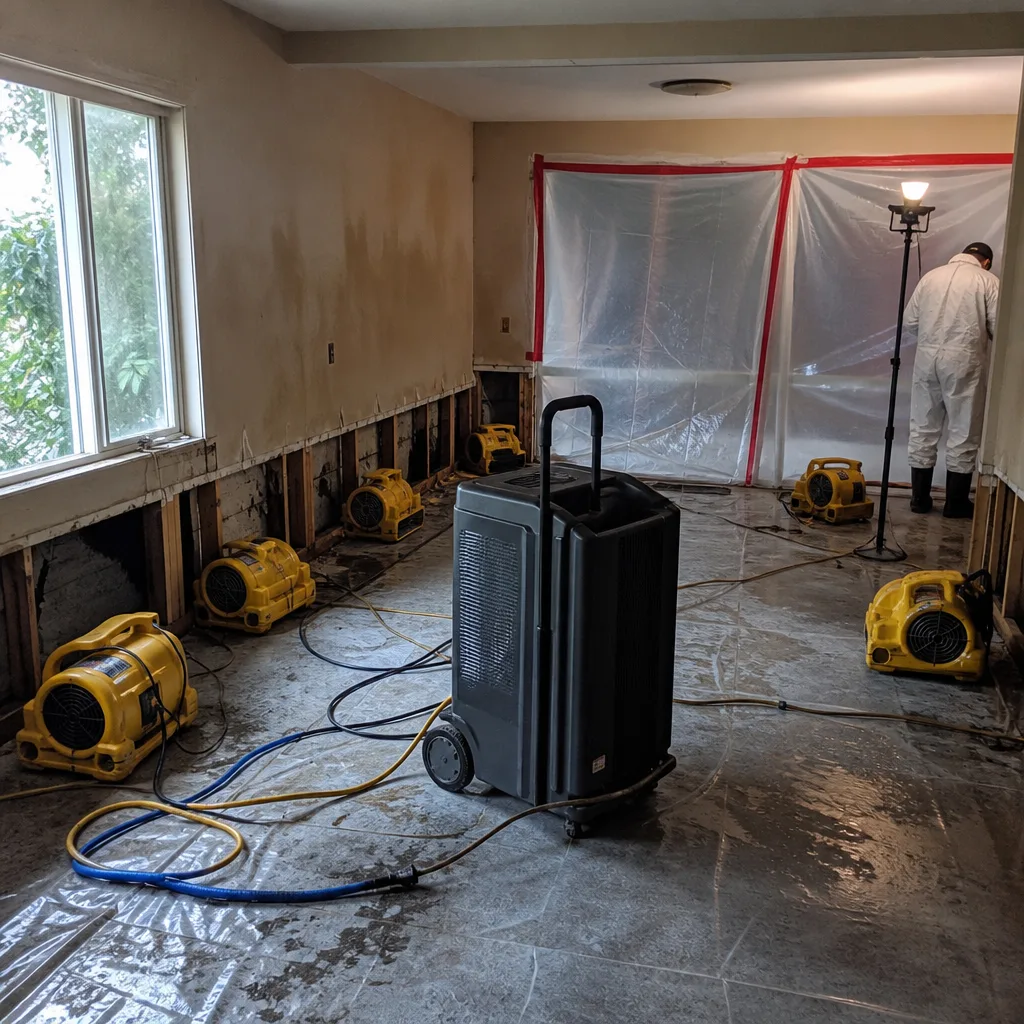
Crawl Space Treatment
Crawl spaces in Long Beach hold moisture from groundwater, marine air, and plumbing leaks. We inspect floor joists, subfloor sheathing, and insulation for fungal growth, then treat what can be saved and remove what cannot. In Naples, where canal water sits just below many slab penetrations, crawl space treatment needs to account for groundwater wicking that rises through foundation cracks after king tides. No other Long Beach neighborhood demands that level of attention.
What happens when you call
- 1
A real person answersNo phone trees - you reach a local pro.
- 2
You get an upfront price rangeHonest numbers before anyone is dispatched.
- 3
A background-checked tech heads outLicensed & insured, dispatched right away.
- 4
You approve before work beginsNothing starts until you say go.
Trusted Brands We Service in Long Beach
Floodline Restoration Co. of California runs Dri-Eaz dehumidifiers and air scrubbers, Phoenix axial fans, and B-Air drying equipment on Long Beach jobs because these units hold up under the long drying cycles our coastal climate requires. Our technicians are certified to IICRC and RIA standards and carry the training to operate this equipment correctly, including the moisture mapping tools that tell us when a wall cavity is actually dry. When a Long Beach homeowner asks why drying takes four days instead of two, we can show them the readings. That’s the difference between professional-grade equipment and a rental unit from the hardware store.
Common Mold Remediation Problems We See in Long Beach Homes
- Port-driven mold acceleration on the west side. In Long Beach’s west-side ZIP codes like 90810, the chronic marine-industrial moisture environment from the port complex-salt-laden air, elevated humidity, and petroleum-adjacent residue-accelerates mold colonization so aggressively that what would be a surface issue in neighboring Compton or Torrance often becomes a deep material intrusion requiring full cavity remediation and corrosion-resistant rebuilds.
- Pre-WWII building materials complicate every step. On a 1930s craftsman in Rose Park, our techs found hidden mold festering inside lathe-and-plaster walls after a winter storm. The pre-WWII construction had absorbed years of marine-layer moisture through cracked stucco, and post-repair testing revealed elevated spore counts that required full containment, HEPA air scrubbing with Dri-Eaz units, and removal of original plaster to bare framing before applying antimicrobial sealants. The job triggered mandatory asbestos protocols and a city permit inspection, and we documented the entire process for the homeowner’s insurance claim.
- Jalousie and aluminum window condensation in older apartments. The aging mid-century apartment blocks in 90802 and 90805 are full of single-pane jalousie or aluminum windows that sweat during fog season. Surface mold gets wiped, but the wall cavity behind the window frame stays wet. Regrowth by the next fog season is nearly guaranteed unless the condensation source is fixed. We address the moisture source, not just the visible mold.
- Naples flood behavior no other neighborhood faces. In the Naples neighborhood (90803), king tides and storm surge can force water up through floor drains and low slab penetrations rather than entering through walls or the roof. Restoration crews working there during winter storm events must account for tidal timing and groundwater wicking-a failure mode essentially nonexistent in any other Long Beach ZIP code and rarely encountered elsewhere in LA County.
Long Beach’s position on San Pedro Bay keeps coastal neighborhoods under a persistent morning marine layer that extends structural drying times significantly compared to jobs only ten to fifteen miles inland. The same bay exposure means El Niño storm seasons bring storm-surge risk to low-lying areas, which compounds typical rain-driven water damage with saltwater contamination that elevates Category 3 water loss protocols and may require Long Beach Storm & Disaster Restoration. We adjust drying plans and equipment schedules accordingly.
Pricing for Mold Remediation in Long Beach, CA
Mold inspection and testing in Long Beach typically runs $250-$450 for a full air and surface sampling package with lab results. A contained mold removal job in a single room usually lands between $1,800 and $3,200. Whole-home remediation with multiple affected rooms, crawl space treatment, and air quality restoration in Long Beach generally falls between $4,000 and $6,500, though larger pre-1933 homes with asbestos and lead-paint protocols can exceed that range. Moisture and humidity control work like vapor barriers or ventilation corrections adds $800-$2,500 depending on crawl space access and square footage.
What moves the price in Long Beach specifically: the age of the home, the presence of lathe-and-plaster instead of drywall, the need for asbestos or lead-paint testing, and whether the property sits in a coastal zone with slower drying times. Every quote is written, itemized, and agreed to before work starts. No surprises on the bill. Estimates are free. Call (888) 737-2439 to schedule an inspection.
We Also Serve Cities Near Long Beach
While this page focuses on Long Beach, our crews regularly handle mold jobs in Signal Hill, Lakewood, Carson, and Compton. Each of those cities has its own moisture profile, and we adjust our protocols accordingly. If you’re in a neighboring community and dealing with mold, our Mold Remediation team can help with the same written guarantee and live 24/7 dispatch.
Serving Long Beach, CA - Our Local Coverage Area
We’re based in the Long Beach area and know this community well. Use the map below to see our service coverage - if you’re nearby, we can almost certainly help.
FAQs - Mold Remediation in Long Beach
Mold in 90810 spreads faster because the area sits directly against the port complex, where salt-laden marine air, elevated year-round humidity, and petroleum-adjacent residue create a moisture-rich, chemically active environment that feeds fungal growth far more aggressively than the drier inland air of Torrance. We treat 90810 mold jobs with extended containment protocols, longer drying targets, and corrosion-resistant rebuild materials because a surface-level wipe-down simply won’t hold. Call (888) 737-2439 to schedule a 90810-specific inspection.
Yes, because pre-1933 Long Beach homes often contain lathe-and-plaster walls, asbestos in plaster and flooring, and lead paint, which means opening wall cavities to remove mold triggers mandatory asbestos and lead-paint testing and city permit inspections. The mold itself is removed the same way as in newer homes, but the demolition and disposal protocols add safety layers that require trained, certified technicians. Floodline Restoration Co. of California handles this end to end, including documenting everything for your carrier.
King tides in Naples push water up through floor drains and low slab penetrations instead of entering through walls or the roof, which means mold grows from below the slab and wicks upward into framing and wall cavities, often requiring Sewage Cleanup in Long Beach. Standard wall-only remediation misses the source, and the mold returns every winter storm season. We inspect ground-level moisture pathways, address slab penetration sealing, and adjust drying protocols around tidal timing. Call (888) 737-2439 for a Naples-specific assessment.
Yes. We use moisture meters, thermal imaging, and air sampling through crawl space access points to test for mold without removing flooring or cutting into walls. If elevated spore counts or high moisture readings are found, we scope a targeted remediation plan from below, not from your living room floor. Most crawl space inspections in Long Beach take under two hours and include a written report with lab results.
Long Beach requires permits when remediation work involves structural demolition, such as removing wall cavities or lathe-and-plaster to bare framing, and pre-1933 homes trigger additional asbestos and lead-paint compliance reviews. We identify permit requirements during the inspection and scope them into the written plan before work begins, so you’re not surprised by a city inspection mid-project. The 90-Day Done Right Promise covers the completed work regardless of permit complexity.
Mold in Long Beach Isn’t Like Mold Anywhere Else
This page explains not just how to remove mold, but why Long Beach’s port-driven moisture chemistry, legacy oil-field subsidence, and tidal canal geology demand a fundamentally different protocol than anywhere else in the LA basin. Decades of oil extraction from the Wilmington field caused documented land subsidence across the harbor district, subtly shifting foundations and cracking slab penetrations in mid-century structures that still function as persistent, hidden water-intrusion pathways. Restoration contractors who don’t know Long Beach miss these pathways. We don’t.
If you’ve found mold in your Long Beach home, don’t wait for the next fog season to make it worse. Call (888) 737-2439 and speak to a live person. We’ll send a background-checked, IICRC-certified technician to your address, document what we find, and put a written scope and price in your hands before any work begins. The 90-Day Done Right Promise stands behind every job we do in Long Beach. Senior and veteran homeowners receive a 5% discount, every time. $50 off any repair over $250. $89 seasonal tune-up for moisture-prone crawl spaces. Call today.
Written by Curt Bowman, Owner at Floodline Restoration Co. of California, serving Long Beach with mold remediation, water damage restoration, and full reconstruction since 2010.