
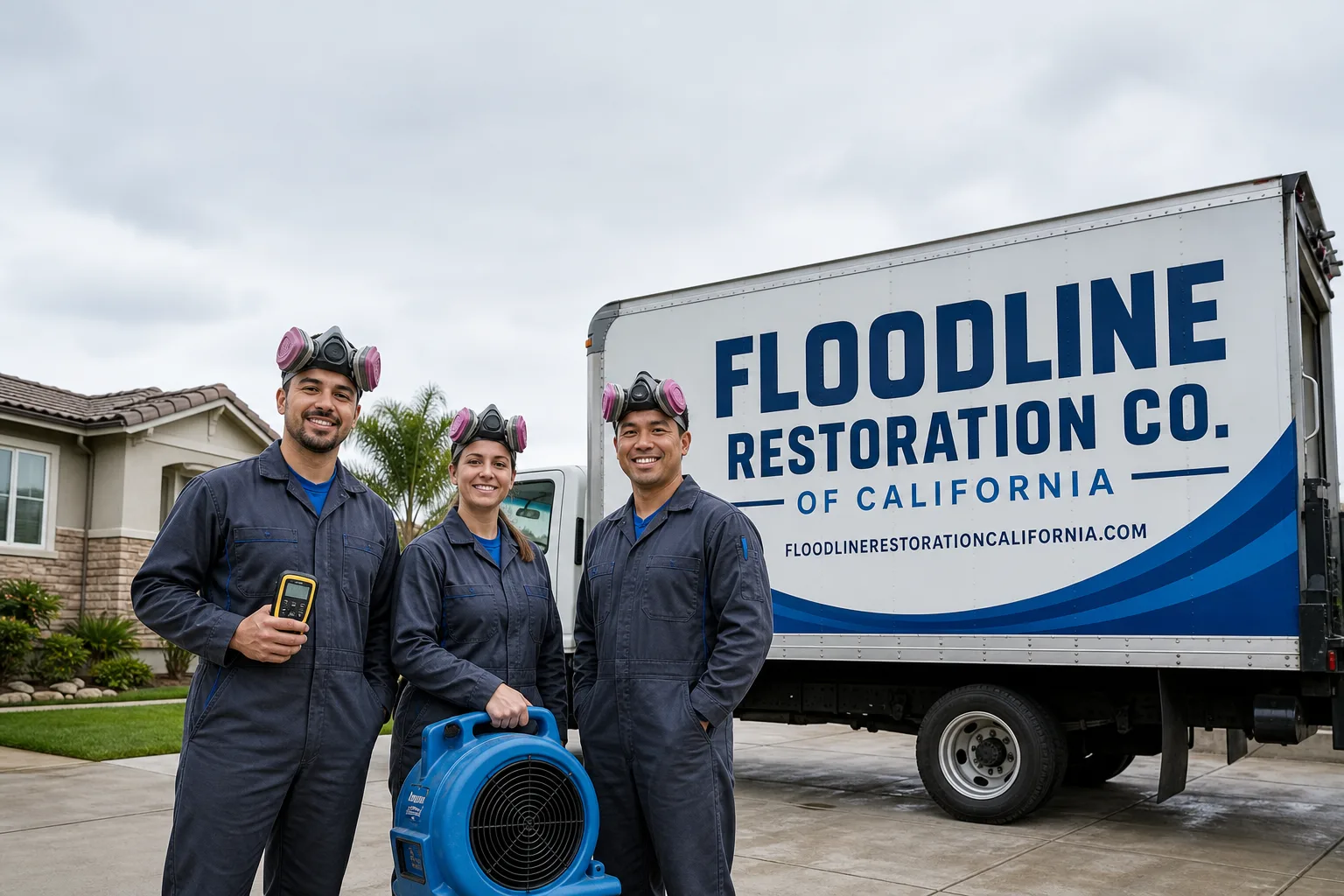
Fast, Reliable Water Damage Restoration Across West Hills
Water damage in West Hills rarely starts as a single problem. It starts as a Santa Ana gust lifting a roof tile near Valley Circle Boulevard, or embers from a brush fire finding an original 1950s attic vent on a quiet cul-de-sac off Platt Avenue. Within hours, water is where it shouldn’t be, and within days, the real damage is happening inside wall cavities where you can’t see it. Floodline Restoration Co. of California answers the phone with a live dispatcher 24/7, and our certified crews reach most West Hills homes within the hour. Call (888) 737-2439 the moment you see water, smell damp, or notice staining on a ceiling. We start extraction the same visit, and we don’t hand the job off until the rebuild is finished.
Key Takeaways
- West Hills sits inside a Very High Fire Hazard Severity Zone, which means water damage here often arrives tangled with smoke, ash, and ember intrusion.
- A typical emergency water extraction in West Hills runs $1,200 to $4,800 depending on affected square footage and contamination level.
- Stucco homes built between the late 1950s and 1980s hide water for weeks before visible signs appear, so early moisture mapping matters more here than in newer construction.
- We bill your insurance carrier directly and provide photo documentation and moisture logs adjusters can actually use.
- The 90-Day Done Right Promise is in writing. If it’s not done right, we make it right. No arguing.
Why Floodline Restoration Co. of California Is West Hills’s Preferred Water Damage Restoration Company
West Hills homeowners have a specific set of fears when water invades a house, and we’ve spent over a decade answering them. The first fear is that the damage spreads while they wait for someone to show up. Our live dispatch answers at 2 a.m., and a background-checked, uniformed technician reaches addresses off Roscoe Boulevard and beyond fast enough that extraction equipment is running the same visit. The second fear is being oversold once a crew is inside the house. We address that with a written scope agreed before work starts, no surprises on the bill, and direct billing to your carrier so you never play messenger between us and the adjuster.
We know the difference between a 1960s stucco tract home near Fallbrook Mall and a 1980s hillside build above Woolsey Canyon Road. That knowledge changes how we dry a house, what we test for, and what we tell your insurance company. Curt Bowman founded this company in 2010 around a dispatch board, not a sales desk, and the same standard still holds: a live person answers, a certified crew arrives, and the job is done right, backed in writing.
Our Water Damage Restoration Services in West Hills
Emergency Water Extraction
When a supply line bursts in a West Hills kitchen or a water heater lets go in a garage off Sherman Way, every hour matters. Standing water wicks into baseboards, saturates drywall, and seeps beneath flooring. Our crews arrive with truck-mounted extraction units and portable wands to pull standing water out fast, then set the stage for drying. In West Hills, we routinely find that water travels behind stucco walls farther than homeowners expect, so we don’t just extract what’s visible; we map the moisture before we leave day one. A typical extraction in West Hills runs $1,200 to $3,200 for a single room, more when multiple rooms or carpet padding are involved.
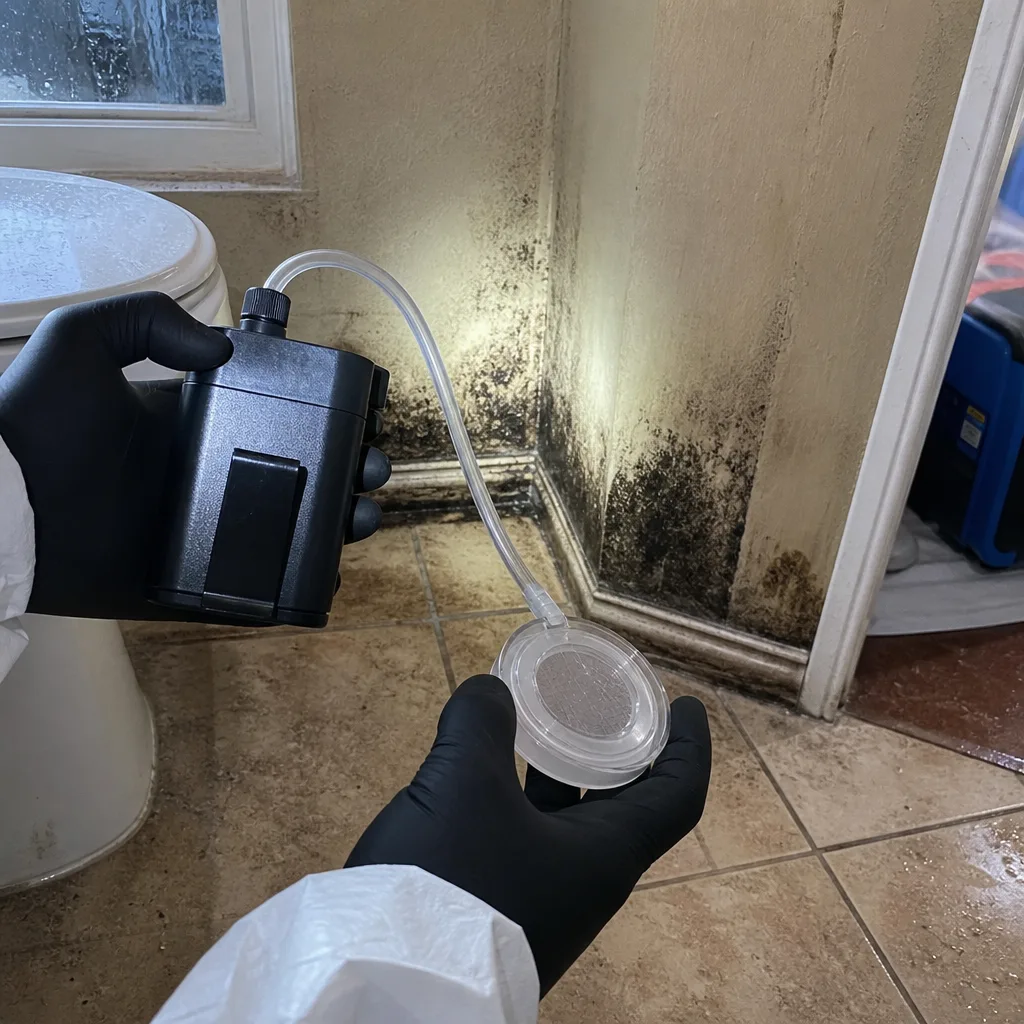
Structural Drying & Dehumidification
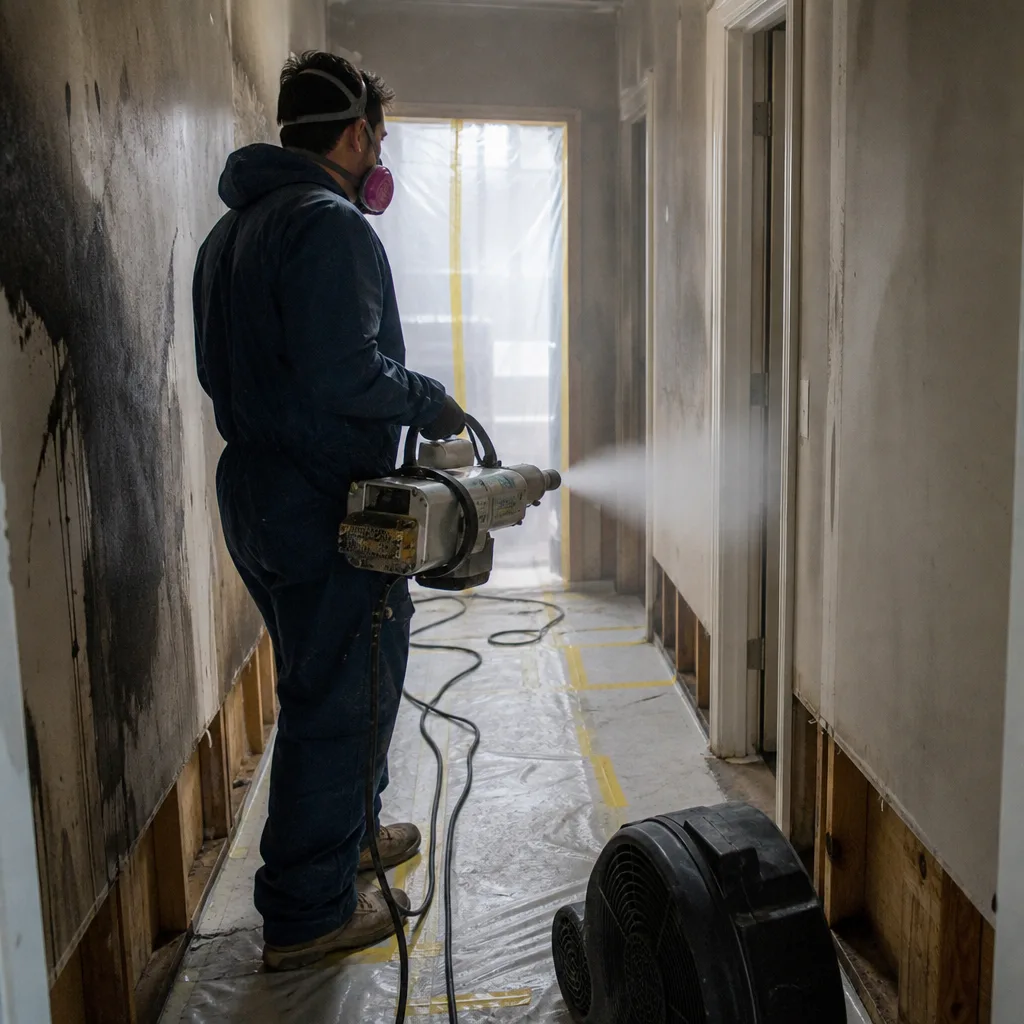
Drying a West Hills home properly takes more than fans. Our crews use Dri-Eaz dehumidifiers, Phoenix air movers, and Injectidry panels to pull moisture from wall cavities, subfloors, and framing without tearing out every surface. We read the moisture map daily, log every reading, and hand that log to you and your carrier. In the stucco homes common across 91307 and 91308, wood framing behind exterior walls can stay damp for weeks after the visible water is gone. We don’t call it dry until the meter says it’s dry.
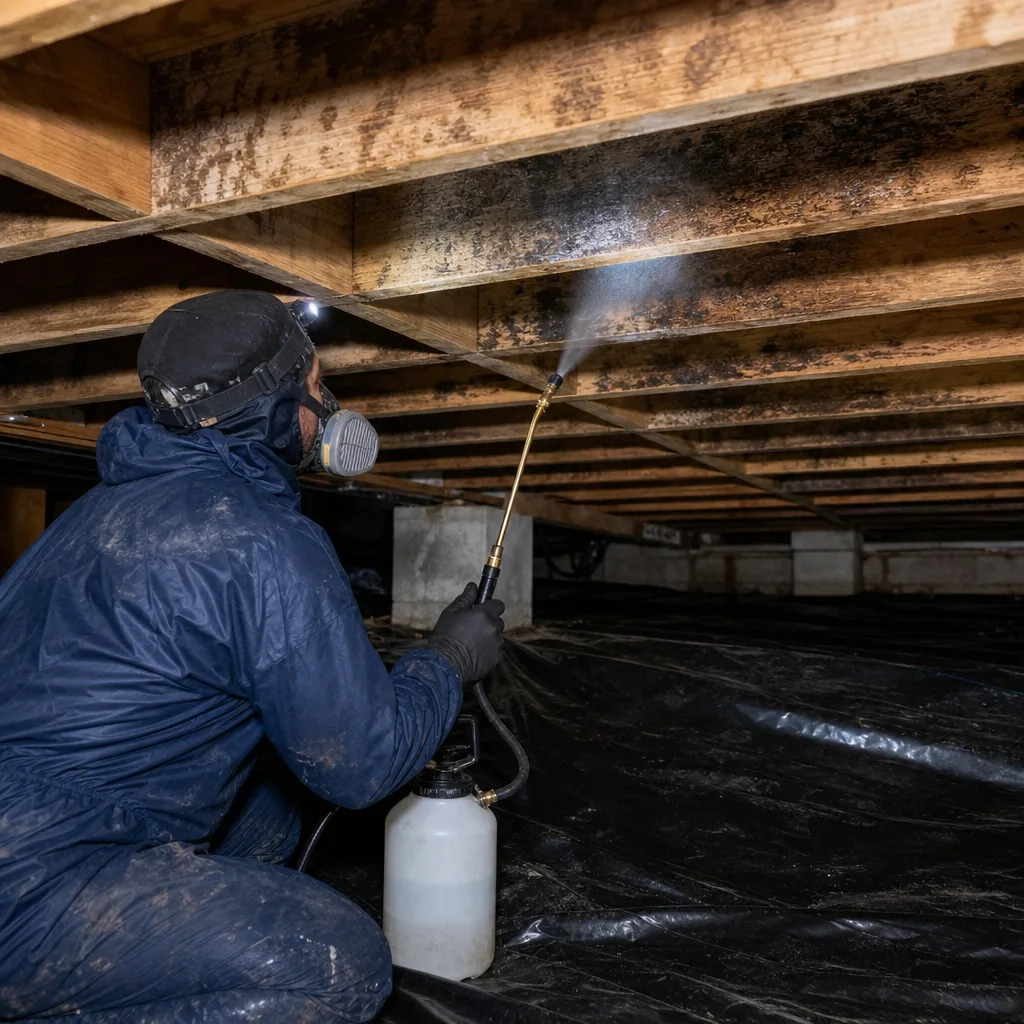
Flood Cleanup
West Hills sits where the Simi Hills funnel Santa Ana winds into the western Valley, and when rain follows wind, water finds its way through lifted roofing materials and around aging window flashing. Flood cleanup here often means addressing not just water but whatever the wind carried in with it: silt, debris, and in some cases ash. We extract, sanitize, and dry, then document everything for your adjuster. Our experience with combined wind-driven rain events in this part of the San Fernando Valley means we know where hidden damage tends to hide.
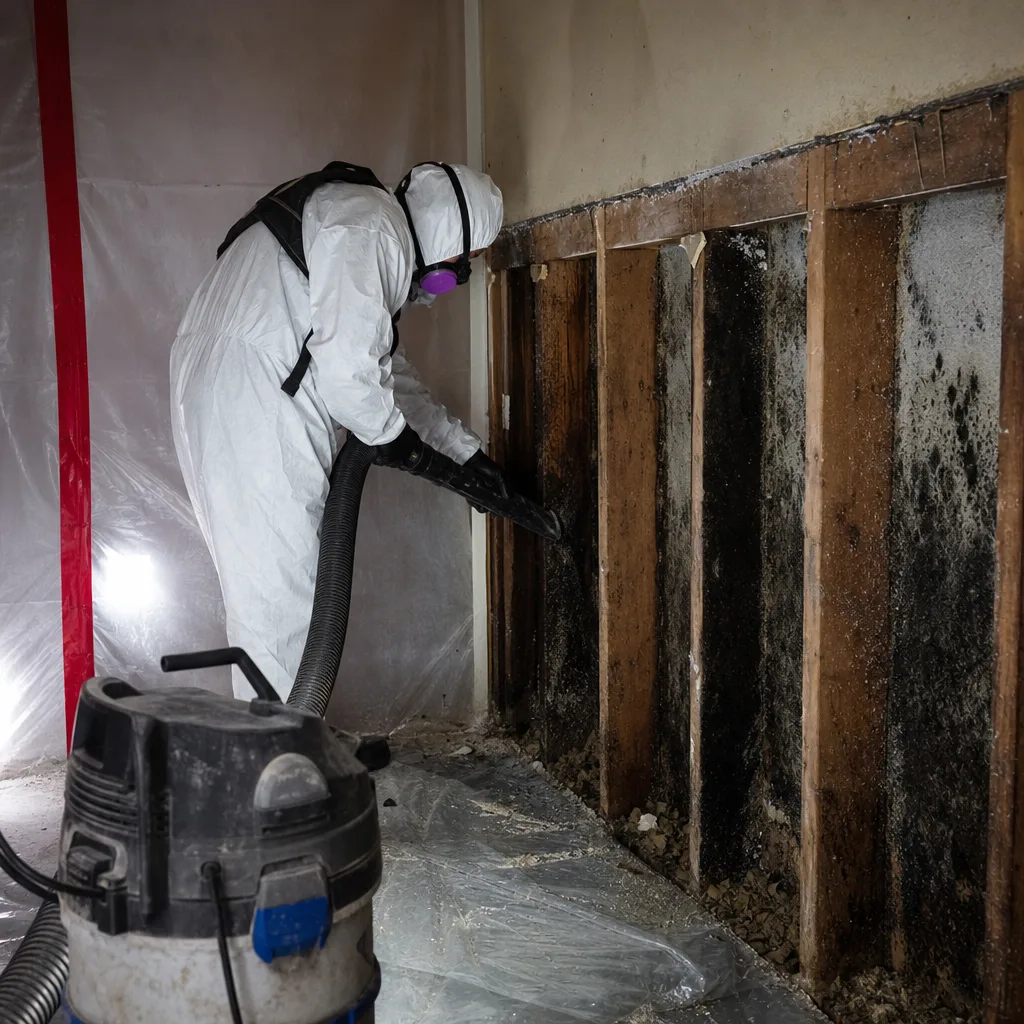
Burst Pipe Restoration
A frozen pipe is rare in West Hills, but an aging galvanized supply line or a failed compression fitting is not. Homes built in the 1960s and 1970s often still carry original plumbing, and when it lets go, the water volume surprises people. We stop the source, extract the water, dry the structure, and restore the damaged areas. Because we handle reconstruction in-house, we can give you one scope for the entire job from extraction to finished wall, rather than handing you a contractor’s number for the rebuild.
What happens when you call
- 1
A real person answersNo phone trees - you reach a local pro.
- 2
You get an upfront price rangeHonest numbers before anyone is dispatched.
- 3
A background-checked tech heads outLicensed & insured, dispatched right away.
- 4
You approve before work beginsNothing starts until you say go.
Trusted Brands We Service in West Hills
West Hills homes run on a mix of old and new systems, and we work across all of them. Whether your water heater is a Rheem, a Bradford White, or a tankless unit, whether your plumbing dates to the original 1960s build or a 2010s renovation, our technicians carry the parts and knowledge to restore it. We stock common fittings, valves, and replacement materials in our local vehicles so a trip to West Hills doesn’t turn into a parts run across the Valley. For drying equipment, we run Dri-Eaz and Injectidry systems, which matter when you’re pulling moisture from behind stucco and through wood framing that’s been wet longer than it should have been.
Common Water Damage Restoration Problems We See in West Hills Homes
- Ember intrusion through original attic vents. Houses built from the 1950s through the 1980s in West Hills often still have the original 1/8-inch mesh attic vents that offer minimal ember resistance. After the 2018 Woolsey Fire, many of these vents were never upgraded, so a nearby fire or even a red-flag wind event can push embers into the attic. That creates a combined smoke, ash, and water restoration, not just a drying job.
- Hidden water saturation behind stucco. Stucco hides moisture for 30 to 60 days before staining or odor becomes visible. By the time a West Hills homeowner sees a ceiling stain near the wall line, mold has often already colonized inside the cavity. Moisture mapping on day one catches what the eye misses.
- Post-firefighting water saturation. When embers ignite an attic or a hillside near Woolsey Canyon Road, the water used to fight that fire ends up soaked into wall cavities, insulation, and subflooring. That’s a different drying profile than a pipe burst, and it demands decontamination before drying starts.
- Underestimated insurance scopes. Adjusters from outside the area frequently miss the combined fire-smoke-water scope common in West Hills. Initial estimates often lack the line items for attic decontamination, ember-resistant vent replacement, and extended drying time behind stucco. We document every phase and work directly with your carrier to correct the scope before work stalls.
Pricing for Water Damage Restoration in West Hills, CA
What you’ll pay in West Hills depends on the type of water, the square footage affected, and whether contamination from smoke, ash, or sewage is present. Emergency water extraction for a single room in a standard stucco tract home runs $1,200 to $3,200. Structural drying and dehumidification for a multi-room event adds $2,500 to $6,500. A full flood cleanup with sanitization and content handling typically lands between $4,000 and $9,000. When smoke or ash from a fire event is involved, attic decontamination and ember-resistant vent replacement typically add $1,800 to $5,000. These are real numbers from jobs we’ve completed in 91307 and 91308, not national averages. Call (888) 737-2439 and we’ll give you a written estimate at no charge.
Standing offers apply: $50 off any repair over $250, $89 seasonal tune-up, and a 5% discount for seniors and veterans, always.
We Also Serve Cities Near West Hills
Our crews work throughout the western San Fernando Valley and into the foothill communities. If you’re in Canoga Park, Woodland Hills, Calabasas, or Chatsworth, the same live dispatch, certified technicians, and 90-Day Done Right Promise apply. West Hills remains our local focus, but our trucks are on these roads every day.
Serving West Hills, CA - Our Local Coverage Area
We’re based in the West Hills area and know this community well. Use the map below to see our service coverage - if you’re nearby, we can almost certainly help.
FAQs - Water Damage Restoration in West Hills
It changes the contamination profile. In a standard water loss, the concern is clean water versus gray or black water. In a Very High Fire Hazard Severity Zone like much of 91307 and 91308, water damage often arrives with embers, ash, and smoke residues, which means the restoration scope must include decontamination, not just drying. Insurance adjusters from outside the area frequently miss this, so documentation and a written scope matter more here. Call (888) 737-2439 if your claim is being undervalued.
Because stucco acts as a reservoir. Water enters through a roof leak or a cracked exterior, then soaks into the wood framing behind the stucco. The stucco holds that moisture against the wood, and with the heat of the western Valley working on it, mold can establish within 30 to 60 days, often before the homeowner sees anything. That’s why we moisture-map behind the wall on day one rather than trusting visible signs.
Call us immediately, and if you can, shut off power to the affected area but don’t climb on the roof yourself. Wind-driven rain in that area lifts roofing tiles and lets water travel down wall cavities, where it soaks insulation and wood framing. The sooner we extract and start drying, the less tearing out has to happen later. We’ll also check the attic vents for ember intrusion, because on the next red-flag day, those same vents are an entry point for fire.
Yes, and that’s a defining characteristic of our work in West Hills. A fire in the hills around here doesn’t just burn houses that touch the flames; it pushes embers and smoke into attics through original vents, and the water used to fight the fire saturates whatever didn’t burn. We sequence the restoration properly: decontamination first, then extraction, then drying, then rebuild. One crew handles all of it, with one written scope.
A pipe burst is typically clean water, contained to one area. Post-firefighting water is laden with ash, soot, and whatever the fire consumed, and it’s usually spread across harder-to-reach spaces like attics and wall cavities. The drying time runs longer, the decontamination step is mandatory, and the insurance scope needs line items a standard water claim doesn’t include. We’ve handled this in 91307 and 91308 enough times that we know exactly what the adjuster will question, and we document it the first time.
Written by Curt Bowman, Owner at Floodline Restoration Co. of California.