
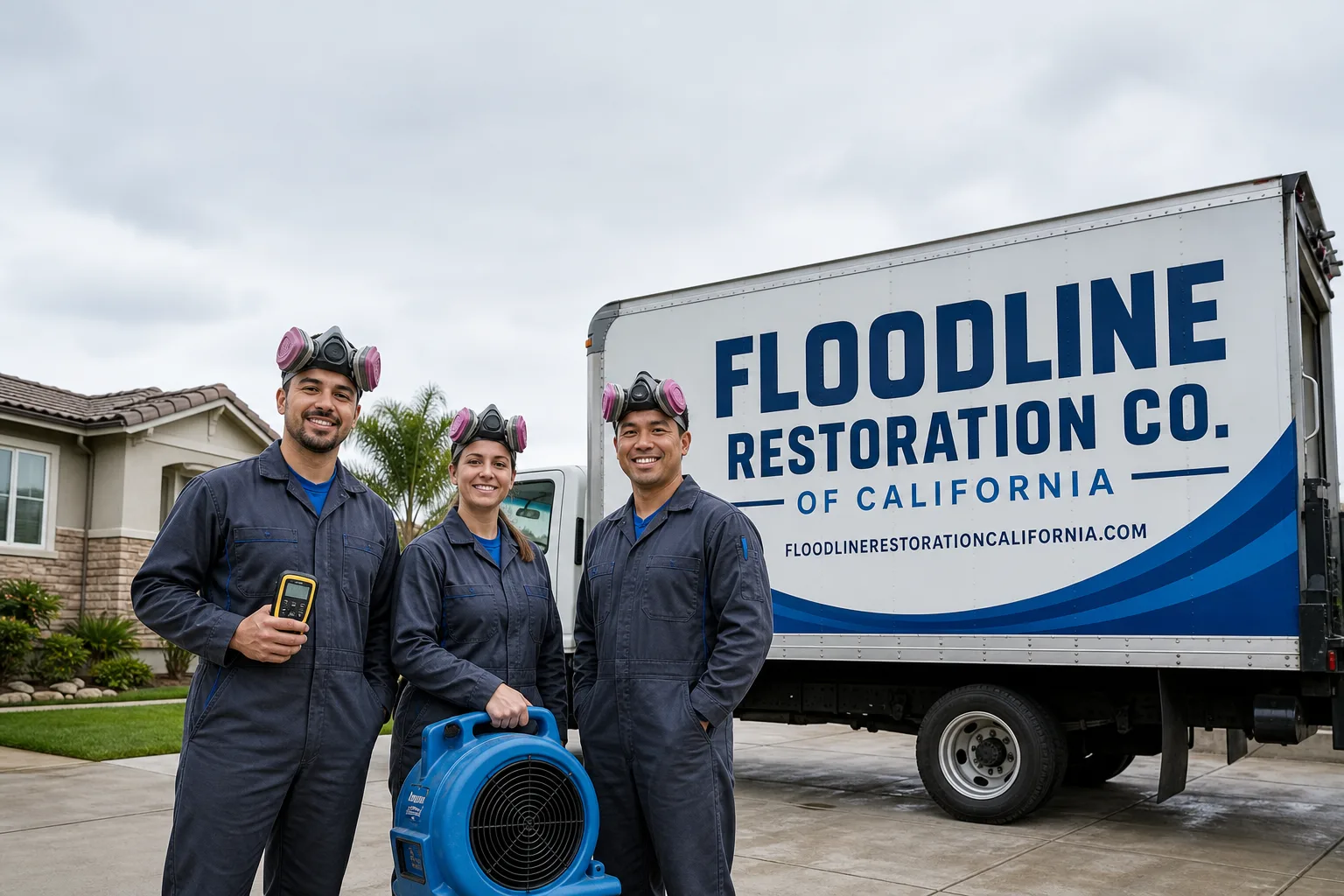
Fast, Reliable Water Damage Restoration Across Tehachapi
Water damage restoration in Tehachapi costs $350 to $4,500 for most residential jobs, depending on the extent of the damage and the finishes involved. A burst supply line in a 1990s tract home typically runs $900 to $2,800 once you factor in extraction, structural drying, and drywall repair. Homeowners at 4,000 feet deal with problems valley contractors never see: freeze-thaw pipe bursts, wind-driven rain through Tehachapi Pass, and snow-load roof leaks that migrate into custom woodwork. If you’ve got water where it shouldn’t be, call Floodline Restoration Co. at (888) 737-2439 right now. A live dispatcher answers, and a certified crew from our Water Damage Restoration team can reach most Tehachapi addresses within the hour.
Key Takeaways:
- Live phone dispatch, 24/7, every day including holidays and hard-freeze nights
- Same-visit extraction on emergency calls with professional-grade Dri-Eaz and Phoenix equipment
- Moisture-mapped drying with daily readings logged until the dry standard is met
- Written 90-Day Done Right Promise on every job, no arguing
- Direct insurance billing, including photo documentation for your adjuster
Why Floodline Restoration Co. of California Is Tehachapi’s Preferred Water Damage Restoration Company
Tehachapi homeowners don’t call the first number they see online. They call the company their neighbor used after the last hard freeze split a pipe, or the one their insurance adjuster quietly recommended when wind-driven rain got behind the stucco. Floodline Restoration Co. has been answering those calls for over 42 years. We’re the Water Damage Restoration in Tehachapi crew that shows up in uniform, walks the property with a moisture meter, and hands you a written scope before any equipment gets unloaded.
Our dispatchers know Tehachapi. They know that Bear Valley Springs and Golden Hills are gated communities with their own road conditions, that a house off Banducci Road may be on a well and septic, and that when the wind kicks up through the pass, the calls start coming from the west side of town first. That local knowledge matters when you’re standing in an inch of water at 2 a.m. and you need someone who knows exactly how to get to you and what they’ll find when they arrive.
Every technician who works in Tehachapi is background-checked and trained to IICRC, RIA, and IFA standards. They arrive with Dri-Eaz, Phoenix, XPOWER, B-Air, and Injectidry equipment sized for mountain homes, not apartment units. And every job carries the 90-Day Done Right Promise in writing. If it’s not done right, we make it right. That’s the Keystone Standard, and it’s been the same since Curt Bowman founded the company in 2010.
Our Water Damage Restoration Services in Tehachapi
Emergency Water Extraction
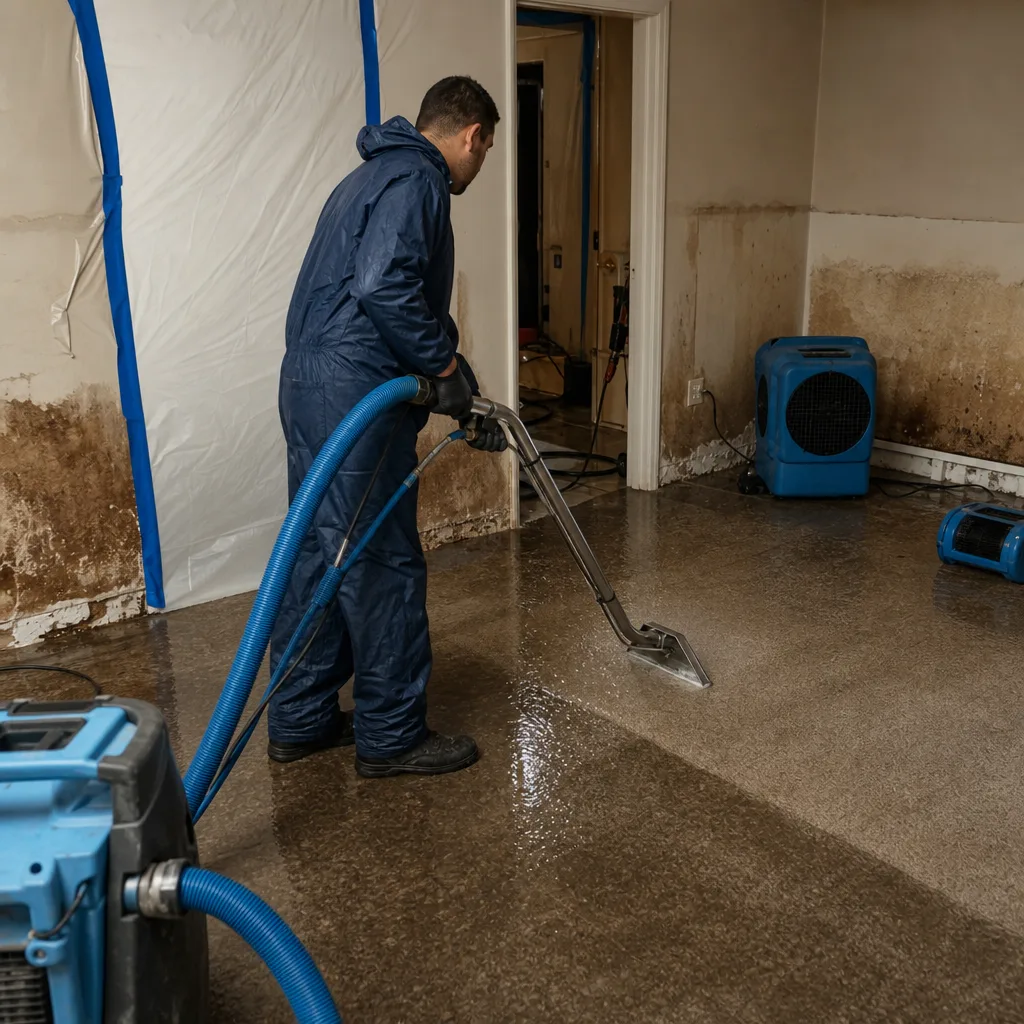
The first hour matters more than the next three days. Water from a split pipe in a Tehachapi crawl space will wick into subfloor and drywall fast, and at this elevation the evaporation rate is slower than the valley, which means mold has more time to take hold. Our extraction crews arrive with truck-mounted and portable extraction units, pull standing water from carpet, hardwood, tile, and concrete, and set containment so the moisture doesn’t migrate into unaffected rooms. Most Tehachapi extraction calls are running within 60 minutes of dispatch.
Structural Drying & Dehumidification
Rushing this step in a custom Bear Valley Springs home is how you warp solid wood doors and delaminate engineered flooring. We don’t rush it. We map moisture in every affected cavity, set Dri-Eaz LGR dehumidifiers and axial air movers to hit the dry standard properly, and take daily readings until the numbers say the structure is dry. You get the moisture log for your records and your insurance carrier. Slowly released moisture is the difference between a room that looks fine for six months and a room we have to reopen because hidden mold bloomed behind the trim.
Flood Cleanup
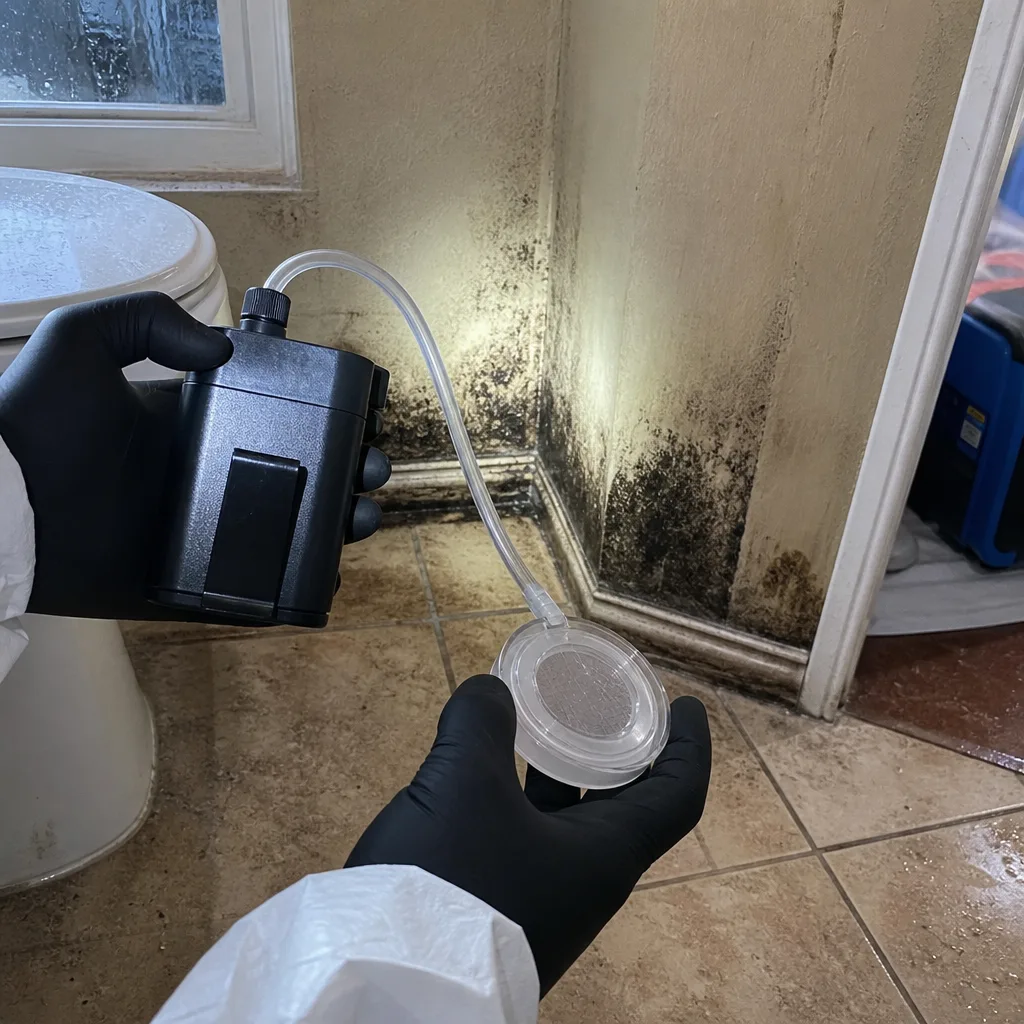
Tehachapi flood events usually come from spring snowmelt overwhelming drainage, a failed sump pump in a ranch basement, or a washing machine supply line letting go during a power flicker. Rainfall through Tehachapi Pass can also saturate ground around slab foundations and push water up through cracks. We handle the full cleanup: extraction, contaminated material removal, antimicrobial treatment where needed, and structural drying. If sewage or gray water is involved, we contain it properly so you’re not dealing with cross-contamination in your ductwork.
Burst Pipe Restoration
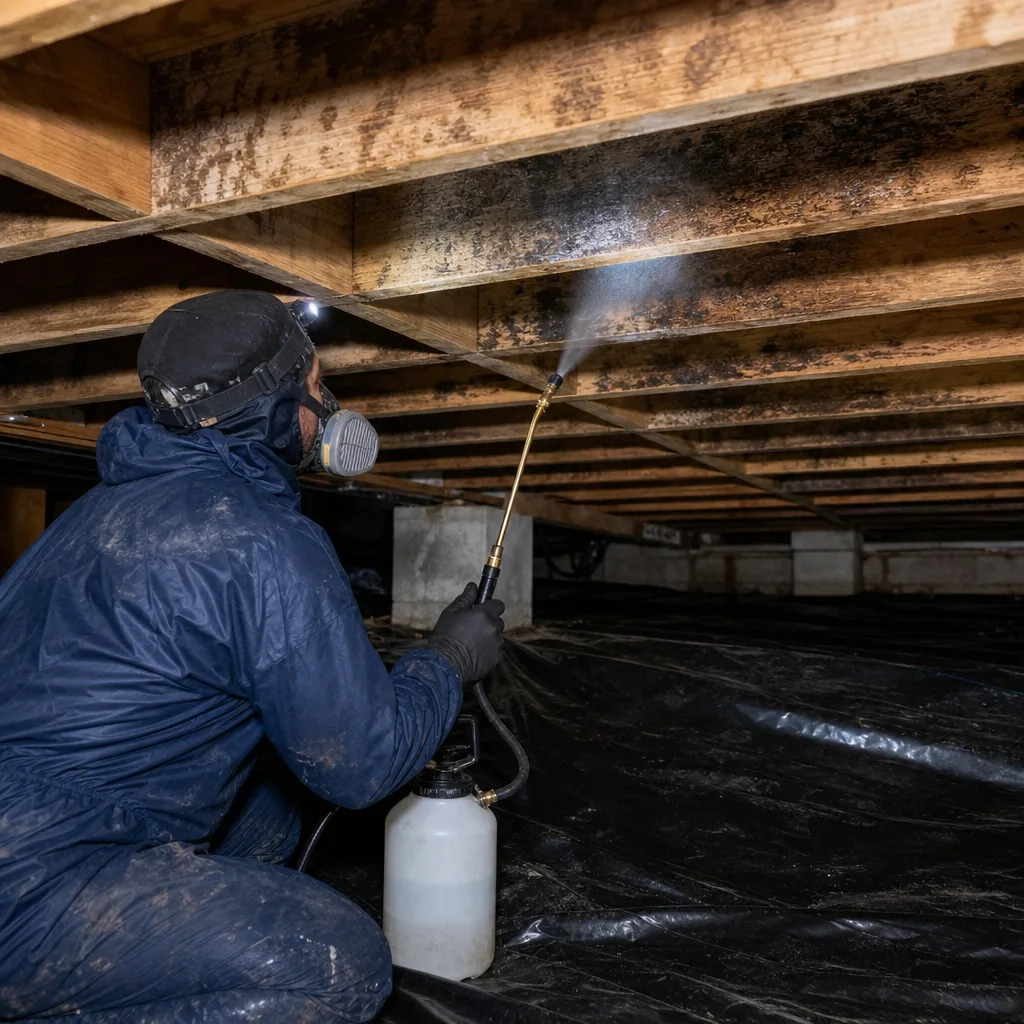
This is the call we get most in Tehachapi after every hard freeze. A supply line plumbed through an uninsulated exterior wall or a shallow crawl space freezes, splits, and floods the house when it thaws. Our techs trace the full extent of moisture migration with thermal imaging, often finding water that traveled along wall plates three rooms away from the visible damage. We extract, dry, repair the drywall, match the paint finish, and document everything for your insurance claim. One visit, one crew, start to finish.
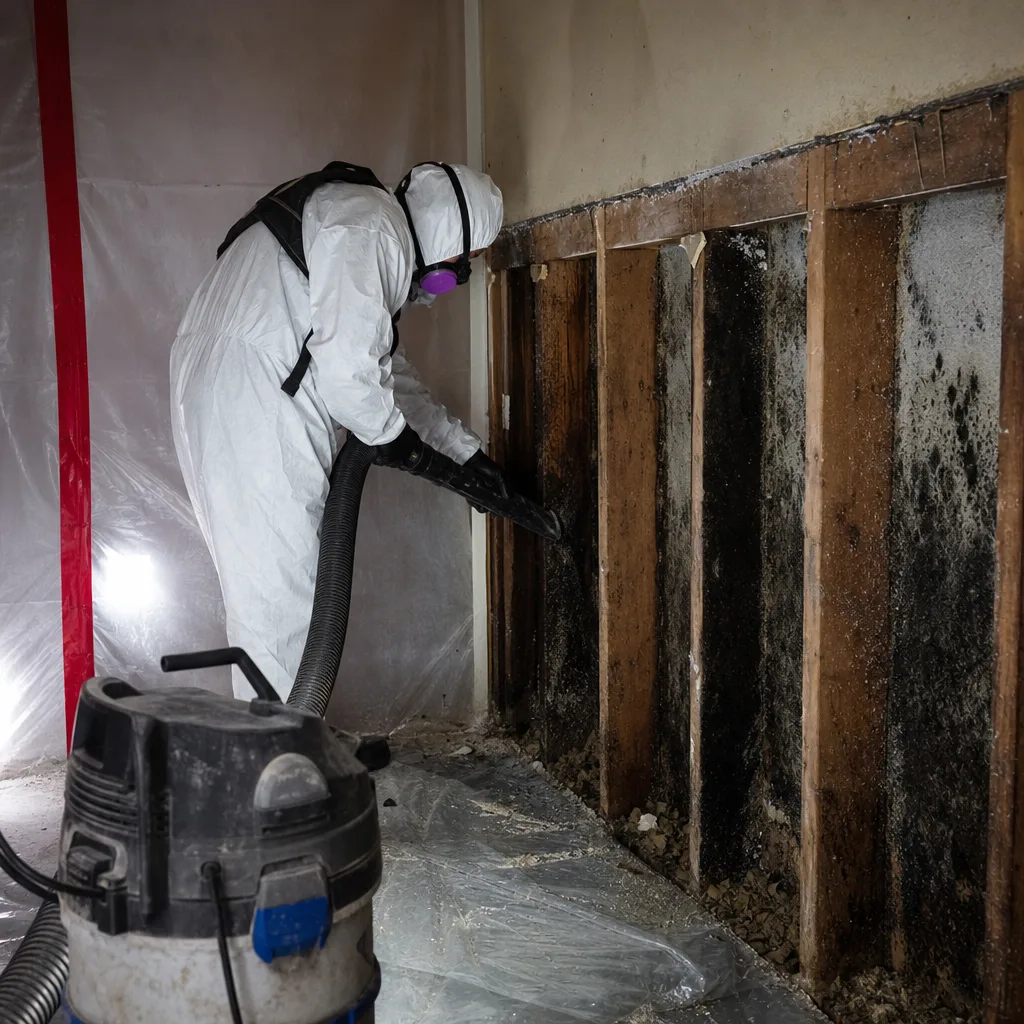
Ceiling & Roof Leak Water Damage
Tehachapi’s snow loads and high-wind events through the pass routinely damage roofing, flashing, and stucco. Water enters at the roof line, travels along trusses, and pools in ceilings and wall cavities where you can’t see it until the stain appears. We trace the water path, stop the active leak where accessible, extract and dry the affected areas, and rebuild the ceiling or wall so the finish matches. If roof repair is needed before we can dry the interior, we coordinate so the job doesn’t stall while you wait for a roofer.
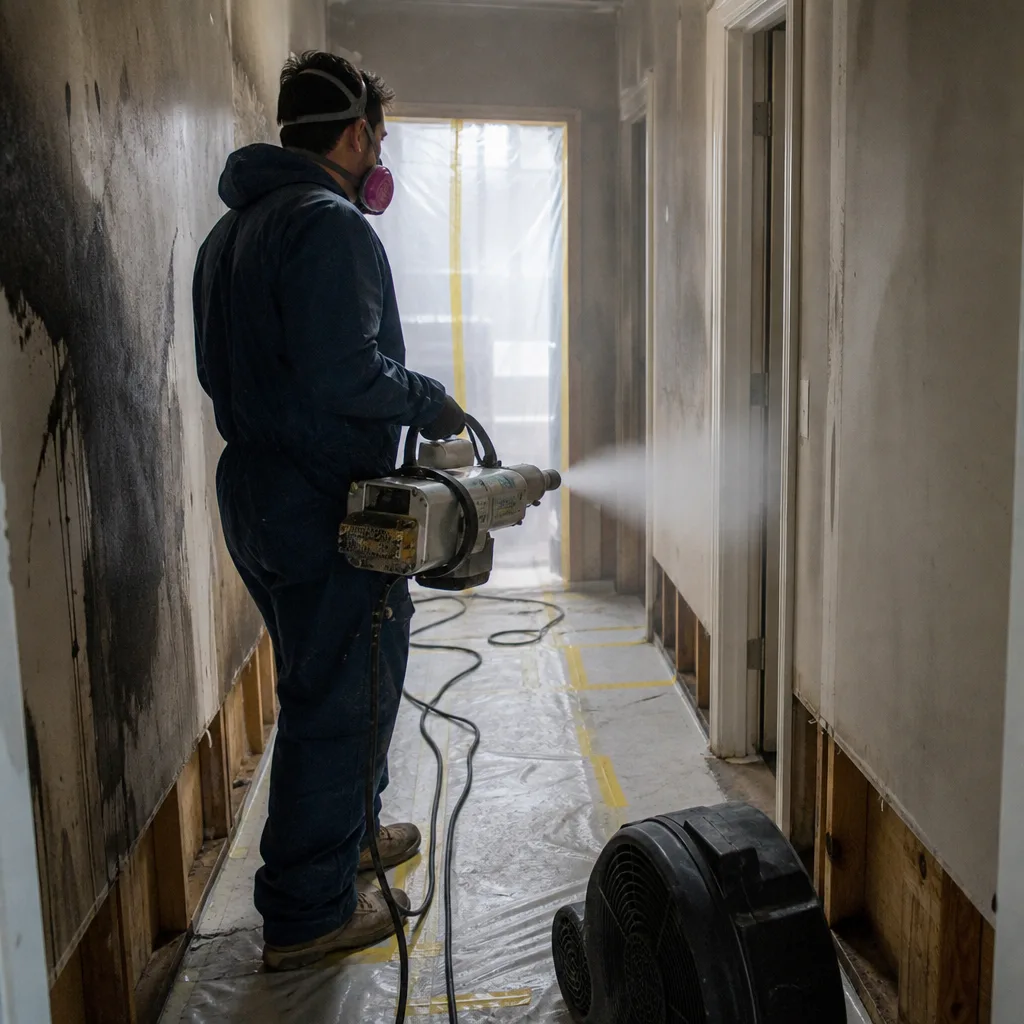
What happens when you call
- 1
A real person answersNo phone trees - you reach a local pro.
- 2
You get an upfront price rangeHonest numbers before anyone is dispatched.
- 3
A background-checked tech heads outLicensed & insured, dispatched right away.
- 4
You approve before work beginsNothing starts until you say go.
Trusted Brands We Service in Tehachapi
Mountain homes run on real equipment, not shortcuts. Our crews work on homes plumbed with copper, PEX, and CPVC from brands like Uponor and Viega, and we dry structures built around finishes from solid oak flooring to engineered bamboo to hand-finished custom millwork. We keep common restoration materials and parts stocked locally for Tehachapi jobs so a simple supply-line repair doesn’t wait on a Fresno parts run. When the job calls for specialized drying, we use Dri-Eaz and Phoenix units configured for high-desert indoor conditions, not the same settings we’d use on a Bakersfield tract home. We don’t have a preferred plumber, roofer, or electrician to push on you. We do have standards that match what your house was built to.
Common Water Damage Restoration Problems We See in Tehachapi Homes
- Freeze-split supply lines in uninsulated exterior walls. The 1980s and 1990s tract homes east of downtown were often plumbed by Central Valley contractors who ran supply lines through exterior walls and shallow crawl spaces without mountain-winter freeze protection. The first hard freeze finds them. Thermal imaging shows us exactly how far the water traveled.
- Wind-driven rain through stucco cracks and roof flashing. Tehachapi Pass funnels some of the strongest sustained winds in California directly into the west side of town. Rain driven horizontally finds every small crack in stucco and every loose flashing seam, and the water ends up behind custom trim where you won’t see it until it’s already moved.
- Hidden moisture behind custom wood doors and built-ins. Water migrates along wall plates and sill plates, not in straight lines. A leak near a window can show up as swelling at the base of a built-in bookcase fifteen feet away. If a contractor only dries the visible wet spot, they’re coming back in six months for mold. We map the whole path.
- Snow-load roof damage on ranch homes and outbuildings. Tehachapi gets snow that the valley floor never sees, and flat or low-slope roofs on ranches and detached garages carry the load unevenly. Ice dams form at the eaves, water backs up under shingles, and the first sign is a ceiling stain in the corner of a bedroom. We trace that water from the stain back to the source.
Pricing for Water Damage Restoration in Tehachapi, CA
Here’s what we actually see on Tehachapi jobs, not national averages pulled from a database:
- Water extraction only: $350 to $900 for a single room, depending on square footage and how much water is standing.
- Burst pipe restoration (typical 1990s tract home): $900 to $2,800 including extraction, drying, drywall repair, and paint matching on one affected wall or ceiling.
- Structural drying only (large room or multiple rooms): $1,200 to $3,500, including daily moisture readings and the final log.
- Ceiling leak water damage with drywall replacement and texturing: $1,500 to $4,500 when the leak path is extensive or custom finishes are involved.
- Full flood cleanup with containment and antimicrobial treatment: $3,000 to $8,000 for a basement or multi-room flood, depending on contamination and material removal.
What moves the number is how far the water traveled, how much custom finish work is involved, and whether contaminated water (sewage or gray water) is in the mix. We give you a written scope before we start. Not an estimate. A scope. You know what we’re doing and what it costs. And we bill your insurance carrier directly so you’re not stuck playing messenger. Call (888) 737-2439 for a free estimate with no obligation.
We Also Serve Cities Near Tehachapi
Our crews work throughout the Tehachapi area, including Golden Hills, Bear Valley Springs, Rosamond, and Arvin. If you’re in one of these communities and have water where it shouldn’t be, the same live dispatch and same 90-Day Done Right Promise apply. Call (888) 737-2439 and we’ll get a certified crew moving your direction.
Serving Tehachapi, CA - Our Local Coverage Area
We’re based in the Tehachapi area and know this community well. Use the map below to see our service coverage - if you’re nearby, we can almost certainly help.
FAQs - Water Damage Restoration in Tehachapi
A pipe in a wall or crawl space doesn’t burst the moment it freezes. It bursts when the water freezes, expands, and then thaws, releasing pressure all at once. Tehachapi’s 4,000-foot elevation means repeated freeze-thaw cycles every winter, and the 1980s and 1990s tract homes on the east side of town were often plumbed by Central Valley contractors who ran supply lines through uninsulated exterior walls and shallow crawl spaces. That plumbing was fine in Bakersfield. It fails in Tehachapi. We see the same failure mode after every hard freeze: a split copper or PEX line in an exterior wall, water migrating along the wall plate into three or four rooms before anyone notices. Call (888) 737-2439 and we’ll trace the full path with thermal imaging before we start drying.
Shut off the main water valve at the meter or at the house, then kill power to any affected rooms if water is near outlets or the panel. Don’t enter standing water in a room with live electricity. Then call (888) 737-2439. A live dispatcher answers and gets a crew moving. Until we arrive, move small furnishings out of the water if you can do it safely, but don’t try to cut into walls or pull baseboards to “let it dry.” Water trapped in cavities does more damage when the cavity is opened too early and the drying environment isn’t controlled.
Yes, if the drying is done correctly. We responded to a water damage call in Bear Valley Springs after a hard freeze split a copper supply line in the uninsulated exterior wall of a custom 1990s ranch home. Our techs used thermal imaging to trace the full extent of moisture migration through the stucco, then set up Dri-Eaz LGR dehumidifiers and axial air movers to dry the cavity without pulling the custom wood doors or trim. We matched the original two-stage paint finish on the repaired drywall and left the home’s whisper-quiet smart-home systems unaffected. That’s the standard, not the exception. Drying a high-end home too fast warps millwork. Drying it too slow breeds mold. We hit the dry standard the right way, and we give you the moisture log to prove it.
Tehachapi Pass is one of the windiest corridors in California, and when a storm front pushes through, rain gets driven horizontally against west-facing walls and rooflines. Water finds its way through stucco cracks, loose flashing, and roof penetrations, then travels along trusses and pools in ceilings far from the actual entry point. On ranch homes with low-slope roofs, ice dams from snow add another layer. By the time you see the ceiling stain, the water has usually been moving for days. We trace the full path from the stain back to the source, fix the active leak point where accessible, and dry the affected cavities before we rebuild.
Yes. A contractor who only works the Kern County valley floor will miss the freeze-thaw indicators, misread the moisture map, and likely send a crew home before the structure is actually dry. Then you’re calling again in March. Our techs know the difference between a one-time supply-line split and a systemic plumbing problem that will fail again next winter. We flag it, document it, and tell you what needs to change so you’re not repeating the same repair every year. Call (888) 737-2439 for an inspection or an emergency response. Estimates are free.
Written by Curt Bowman, Owner at Floodline Restoration Co. of California, serving Tehachapi and surrounding communities with 24/7 live dispatch and the 90-Day Done Right Promise.
Water damage doesn’t wait for business hours in Tehachapi, and neither do we. If you’ve got water where it shouldn’t be at 4,000 feet, call (888) 737-2439 now. A live person answers, a certified crew gets moving, and the job is done right and backed in writing.