
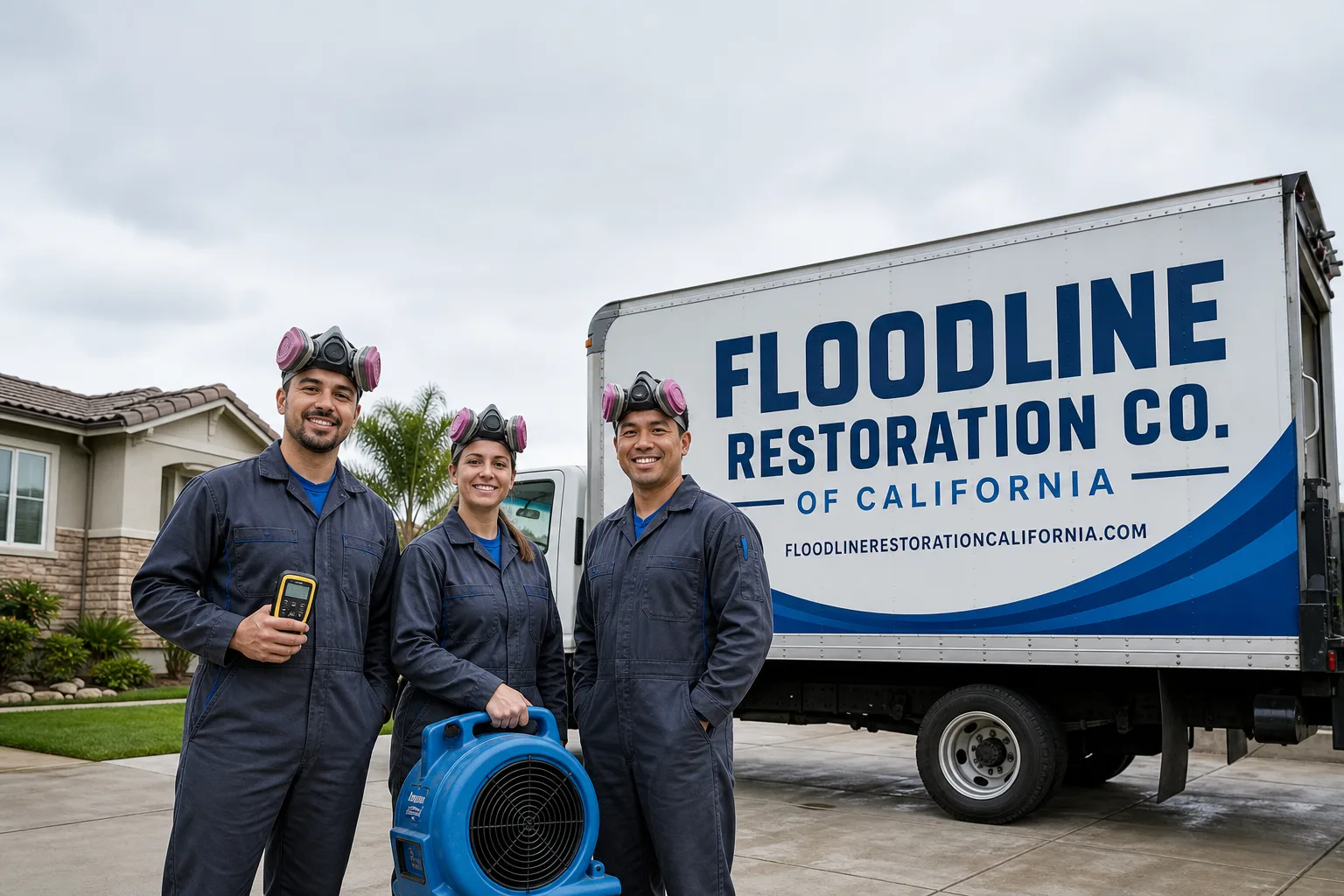
Fast, Reliable Water Damage Restoration Across Rolling Hills Estates
Water damage restoration in Rolling Hills Estates typically runs $2,800 to $7,500 depending on the affected square footage and whether outbuildings are involved. Most emergency extraction calls on the peninsula get a crew on-site within 60 to 90 minutes, and Floodline Restoration Co. of California answers the phone live at (888) 737-2439 when that burst pipe lets go at 2 a.m. We know the hillside lots, the aging ranch homes, and the clay that moves under them. That local knowledge shapes how we document, extract, and dry every job here, because Rolling Hills Estates is not a flatland city, and flatland restoration checklists fail here.
Done right, and backed in writing.
Why Floodline Restoration Co. of California Is Rolling Hills Estates’s Preferred Water Damage Restoration Company
Our Water Damage Restoration team has been working peninsula homes long enough to know what the soil does after a wet winter. Rolling Hills Estates sits on expansive, clay-heavy earth that swells, shrinks, and sometimes slides. That changes everything about how a restoration scope gets written here. We walk every affected room with the homeowner, document pre-existing cracks and wall offsets before a single air mover gets plugged in, and coordinate with geotechnical engineers when the slab or foundation shows signs of movement tied to soil creep. That workflow is not something you get from a company that mostly works the flat lots in Torrance or Redondo Beach.
Homeowners here remember being burned by a contractor once, and they are careful about who gets let inside. We understand that. Our technicians are background-checked, uniformed, and trained to IICRC, RIA, and IFA standards. They carry professional-grade Dri-Eaz and Phoenix equipment, log moisture readings daily, and hand that log to the homeowner and the insurance carrier. We bill the carrier directly, and every job finishes with the 90-Day Done Right Promise in writing. No arguing. No handoff to an inherited crew.
Most jobs are completed in a single visit. A live dispatcher picks up at two in the morning, not a recording, and extraction is running the same visit we arrive.
Our Water Damage Restoration Services in Rolling Hills Estates
We scope every job to the structure, the soil, and the outbuildings on the lot. Here is what that looks like in Rolling Hills Estates.
Emergency Water Extraction
When a supply line ruptures in a 1960s split-level on a hillside, water follows gravity fast. We arrive with truck-mounted extraction and get standing water out before it saturates the slab further. On a hillside lot near Dapplegray Lane, our crew responded to a burst galvanized supply line that had flooded a split-level ranch built in the 1960s. The saturated clay had already shifted the slab enough to open a hairline crack, which we documented before extraction began. We deployed Dri-Eaz dehumidifiers and XPOWER air movers, then met with a geotechnical engineer to confirm the slab had stabilized before structural drying proceeded to IICRC standards. That sequence, documenting the crack before touching the water, is the difference between a covered loss and a denied claim on the peninsula.
Structural Drying & Dehumidification
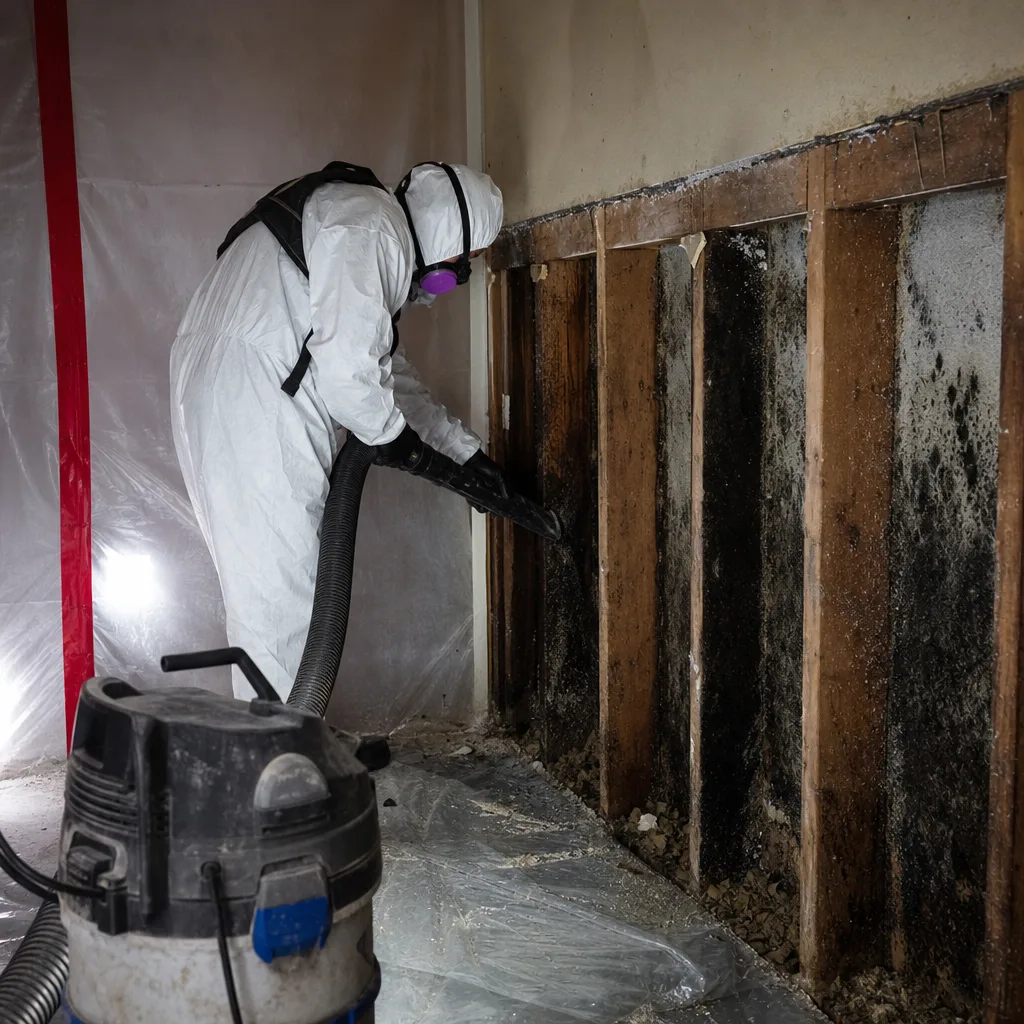
Drying a house in Rolling Hills Estates means fighting marine-layer humidity that keeps crawl spaces and wall cavities damp long after the visible water is gone. We set professional-grade Phoenix and Dri-Eaz equipment with moisture maps specific to hillside crawl spaces, where drainage failures tied to soil movement keep re-wetting the structure. Daily readings get logged until the dry standard is met, and the homeowner and carrier both get a copy of the log. Structural drying here runs slower than in Torrance, and anyone who tells you otherwise has not worked the peninsula fog.
Flood Cleanup
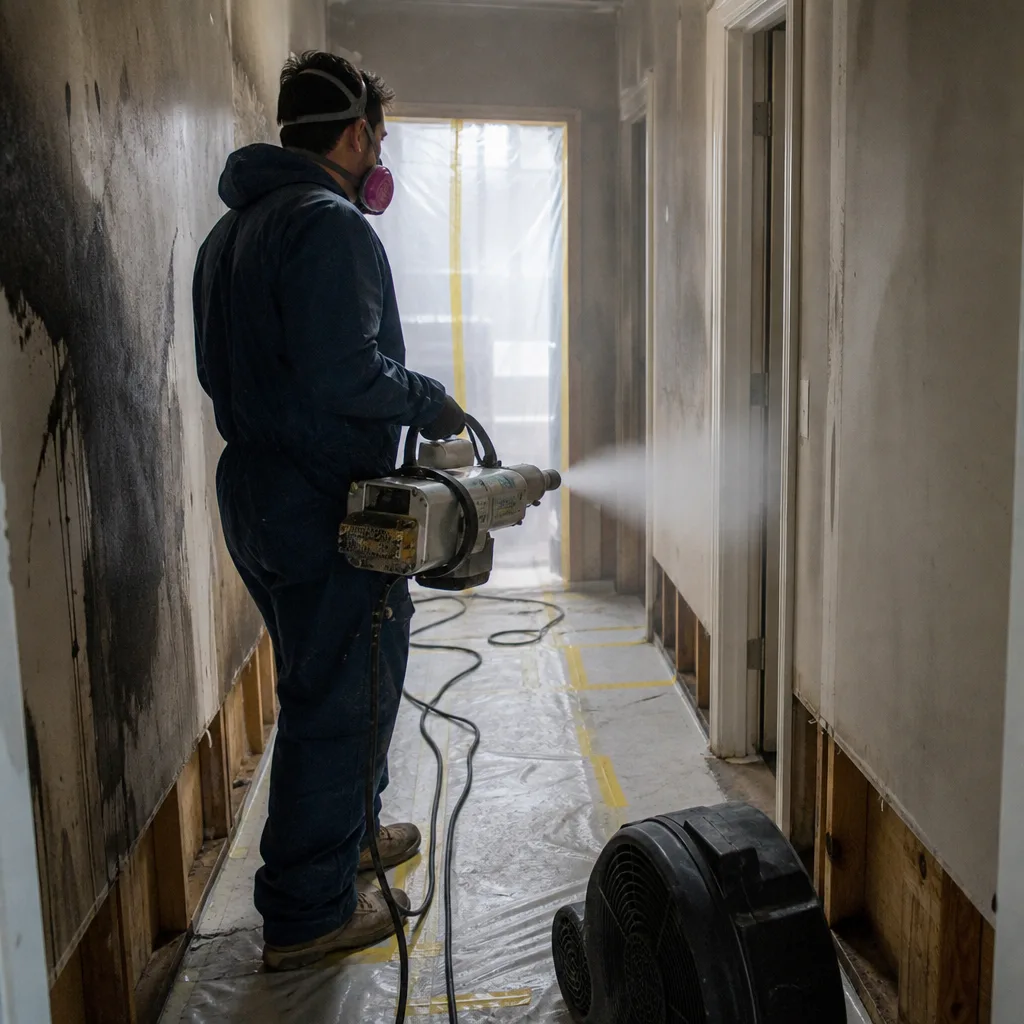
Flash flooding from a failed hillside drain or a clogged culvert sends silty, clay-laden water through doors and into subflooring. That water is not clean, and the clay fines it carries embed in every porous surface. We extract, flush, and treat affected areas, then dry to spec with XPOWER air movers and B-Air scrubbers. In Rolling Hills Estates, flood cleanup regularly extends past the main dwelling into barns, stables, and tack rooms, which hold moisture in ways a living room never will.
Burst Pipe Restoration
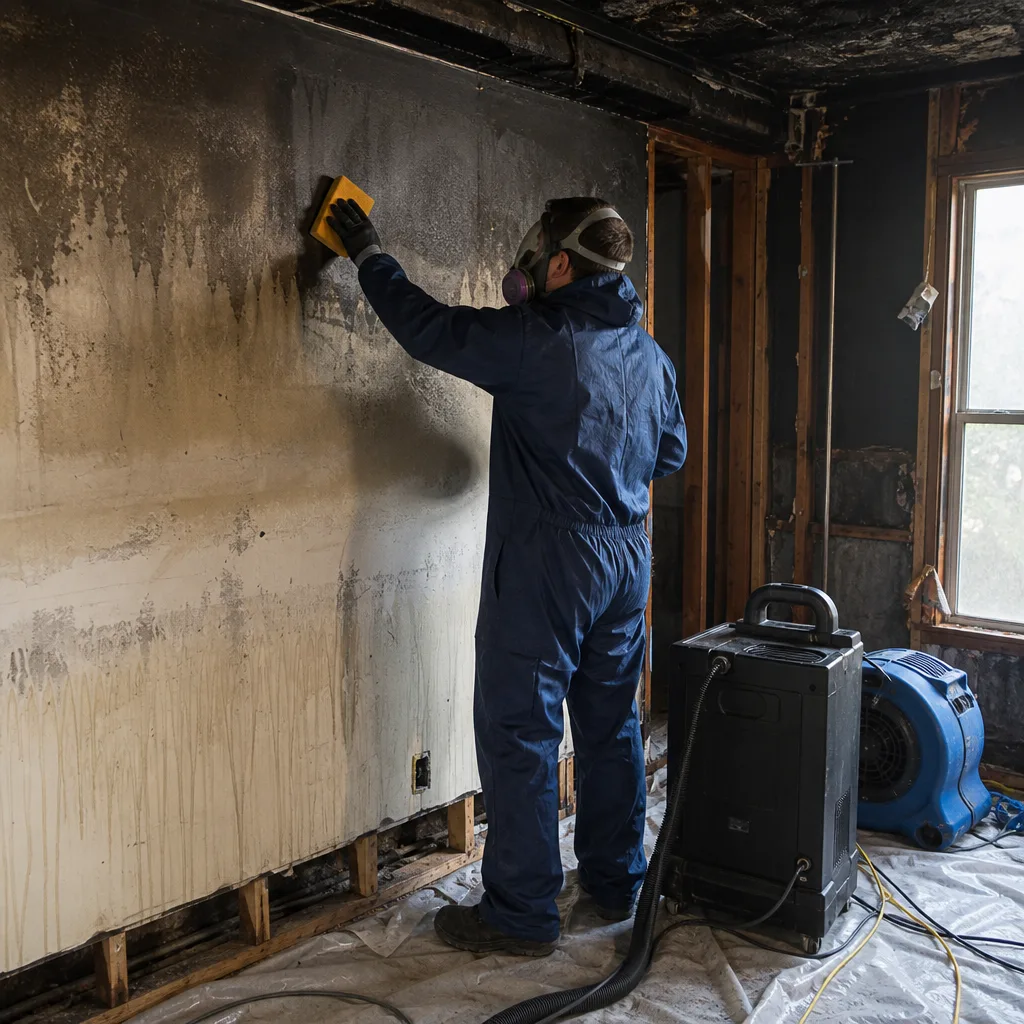
Original galvanized supply lines are common in the 1950s and 1960s ranches here, and when they fail, they fail fully. We isolate the line, extract the water, dry the structure, and rebuild what needs rebuilding. The same crew that reads the moisture map on day one handles daily readings and the rebuild, so there is no handoff and no inherited crew walking onto your lot mid-job.
What happens when you call
- 1
A real person answersNo phone trees - you reach a local pro.
- 2
You get an upfront price rangeHonest numbers before anyone is dispatched.
- 3
A background-checked tech heads outLicensed & insured, dispatched right away.
- 4
You approve before work beginsNothing starts until you say go.
Common Water Damage Restoration Problems We See in Rolling Hills Estates Homes
- Pre-loss foundation documentation skipped: Insurers on the peninsula routinely attribute new wall separation to earth movement, not the water event. We photograph and log every pre-existing crack and offset before extraction. That documentation protects the claim from the start.
- Under-scoped drying in equestrian outbuildings: Tack rooms and stables hold marine moisture, and mold colonizes within 48 hours if drying is not brought up to spec. Many flatland crews never check the barn. We include every affected outbuilding in the drying plan and the moisture log.
- Flatland moisture maps used on hillside lots: A crawl space on a Rolling Hills Estates hillside does not dry like a crawl space on a flat lot in Lomita. Drainage failures tied to chronic soil creep keep re-wetting the structure, and a moisture map that ignores grade changes misses the source.
- Foundation cracks dismissed as cosmetic: On this peninsula, a hairline crack that opens after a water event may be the first sign of slab movement driven by saturated clay. We bring in a geotechnical engineer when we see it, and we do it before repair scope is finalized, not after the drywall goes back up.
Pricing for Water Damage Restoration in Rolling Hills Estates, CA
Emergency water extraction in Rolling Hills Estates runs $1,200 to $3,000 depending on affected square footage. Structural drying and dehumidification adds $1,800 to $4,500, with daily equipment fees of $75 to $150 per unit. Flood cleanup, including clay-contaminated water and sanitation, typically runs $3,000 to $8,000. Burst pipe restoration, from extraction through drywall and paint, falls between $4,000 and $12,000 when the pipe is original galvanized and run replacement is needed. Equestrian outbuilding drying adds $800 to $2,500 per structure, and geotechnical engineering consultation adds $600 to $1,500 when slab movement is suspected. We offer no-hassle upfront pricing with direct insurance billing, and the estimate is free. Call (888) 737-2439 for an exact written scope before any work starts.
Trusted Equipment and Standards We Bring to Rolling Hills Estates
We run Dri-Eaz and Phoenix drying equipment, because those are the professional-grade tools that hold up under peninsula humidity and multi-day structural drying. Our technicians train to RIA and IFA standards and carry the certifications to back their work. We do not run homeowner-grade fans and call it restoration. When we set equipment in a hillside crawl space or a tack room, we know what it will do under fog-load conditions, and we monitor it daily until the numbers prove the structure is dry. The line the water left is where we start, and the moisture log is where we finish.
We Also Serve Cities Near Rolling Hills Estates
If your home is just outside Rolling Hills Estates, we also serve Water Damage Restoration in Rolling Hills Estates as well as Manhattan Beach, Torrance, Lomita, and Palos Verdes Estates. The peninsula clay does not stop at the city line, and neither do we. Call (888) 737-2439 and we will have a crew en route from our Los Angeles dispatch office to your home in the South Bay or on the hill.
Serving Rolling Hills Estates, CA - Our Local Coverage Area
We’re based in the Rolling Hills Estates area and know this community well. Use the map below to see our service coverage - if you’re nearby, we can almost certainly help.
FAQs - Water Damage Restoration in Rolling Hills Estates
The expansive, clay-heavy soil on the Palos Verdes Peninsula swells and shrinks with moisture, which means a water loss here can move a foundation before the insulation is even dry. Restoration on these hillside lots requires documenting pre-existing cracks and wall offsets before extraction, then coordinating with a geotechnical engineer whenever slab movement is suspected. Our Water Damage Restoration team treats soil movement as part of the scope, not a side note, and we do not finalize a repair plan until the foundation is stable. If you have had water damage and are seeing new cracks, call (888) 737-2439 for a documented assessment.
No, and that is a problem in Rolling Hills Estates, where many lots include barns, stables, and tack rooms that hold marine moisture. A standard flatland restoration scope stops at the main dwelling. We include every affected outbuilding in the extraction, drying, and moisture-log plan, because mold in a tack room colonizes just as fast as mold in a bedroom, and insurers need the documentation. If water has reached your outbuildings, ask about it when you call, and we will add it to the written scope before work starts.
Before any extraction or demolition, the restorer needs dated photographs of every pre-existing foundation crack, wall offset, and stair-step mortar crack on the property. On the peninsula, insurers routinely dispute whether new displacement was caused by the water event or by underlying earth movement, and undocumented cracks get blamed on the soil. Our crews log and photograph all of it before a single air mover gets plugged in, and that record goes to the adjuster with the moisture log.
The marine layer keeps relative humidity higher on the peninsula than on the flatlands below, which slows evaporation and keeps wall cavities and crawl spaces damp longer. Drying a house in Rolling Hills Estates takes more equipment, more daily readings, and more patience than drying a flat lot in Torrance. We plan for that with Dri-Eaz and Phoenix units sized for fog-load conditions, and we do not call a structure dry until the moisture readings match the dry standard, not the calendar.
Hillside lots on the peninsula often trigger additional requirements when foundation work, drainage repair, or structural changes are involved, and the permit path runs through Los Angeles County and city review. We handle permit coordination on the jobs where it applies and work with your carrier on the documentation. If your water damage has touched the foundation or drainage system, call (888) 737-2439 and we will tell you what your specific lot needs before any work begins.
Contact Floodline Restoration Co. of California
If water is in your Rolling Hills Estates home right now, call (888) 737-2439. A live person answers, day or night, and a certified crew gets to your door fast. We work from a clear written scope, bill your insurance carrier directly, and stand behind every job with the 90-Day Done Right Promise. Senior and veteran households get a 5% discount, and any repair over $250 qualifies for $50 off. The Rolling Hills Estates hills are where we work, and we will be there when we say.
Written by Curt Bowman, Owner at Floodline Restoration Co. of California, serving Rolling Hills Estates and the Palos Verdes Peninsula since 2010.