
Fast, Reliable Water Damage Restoration Across Mission District
Water damage in Mission District homes rarely stays in one room. A burst pipe in a top-floor Victorian on Guerrero Street sends water through plaster ceilings into the flat below. A failed water heater in a soft-story building off 24th Street soaks the garage framing before anyone notices. We respond to Mission District calls within the hour because we know exactly how these pre-1920 wood-frame buildings fail, and we bring the extraction equipment to stop it the same visit. Call (888) 737-2439 and a live dispatcher answers, day or night.
Our Water Damage Restoration team has worked in nearly every block of the Mission, from the residential streets south of Cesar Chavez to the mixed-use corridors along Mission and Valencia. We know the alley-load garages off Capp Street, the narrow service entrances behind Mission Street storefronts, and the shared walls that make one unit’s leak four units’ problem. Response time matters here more than in single-family suburbs, because in a two-story Edwardian flat, every hour of standing water means more plaster saturation, more lath wicking, and more tenant displacement risk.
Why Floodline Restoration Co. of California Is Mission District’s Preferred Water Damage Restoration Company
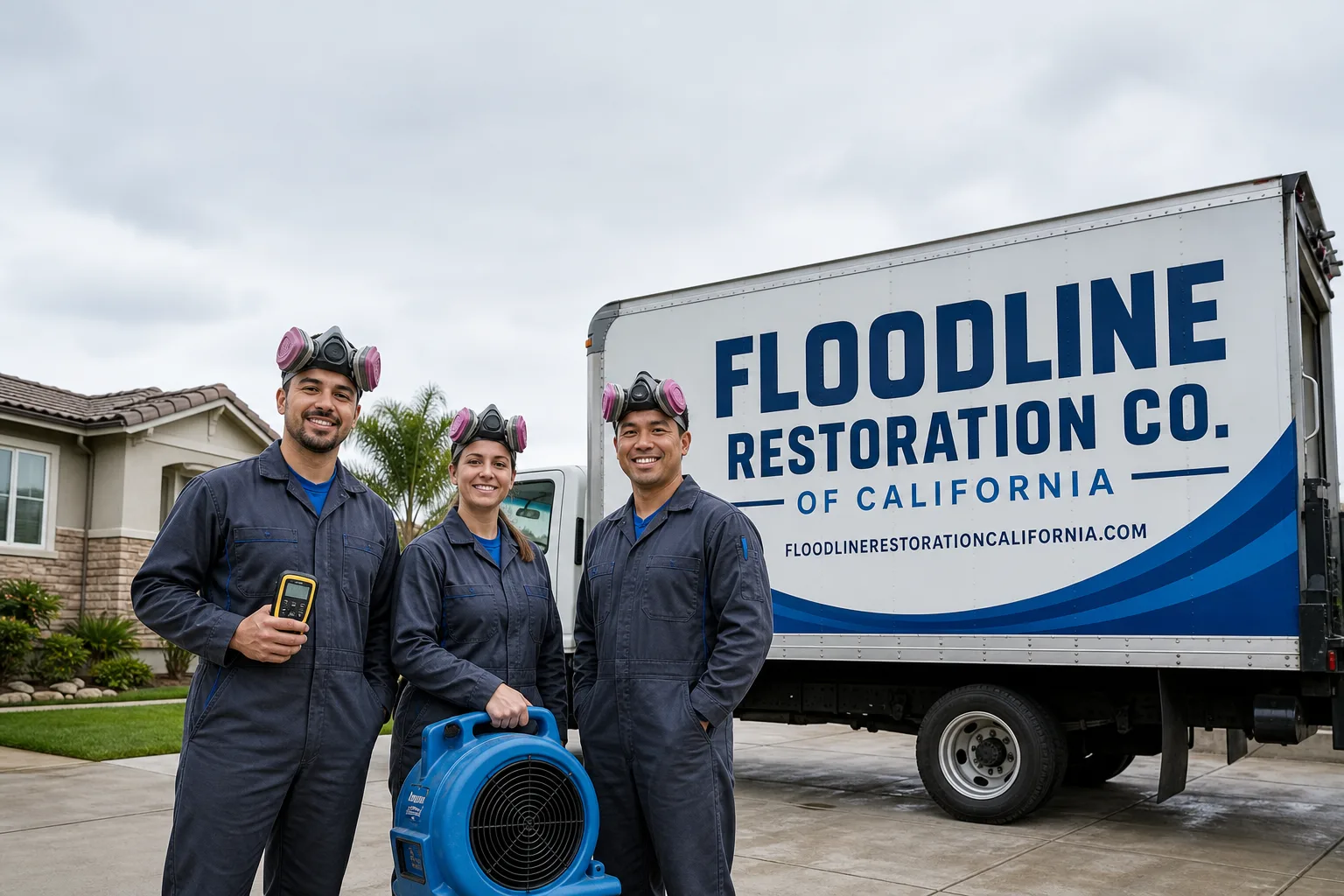
Floodline Restoration Co. has been answering calls in Mission District since Curt Bowman founded the company in 2010, built around a dispatch board, not a sales desk. Local property owners keep our number because we show up with the right equipment for Victorian and Edwardian construction, not a generic water truck. Our background-checked, uniformed technicians are trained to IICRC, RIA, and IFA standards, and they understand what a plaster-over-lath wall does when it gets wet: it holds moisture like a sponge and hides mold growth until someone opens it with a moisture meter and a thermal camera.
We answer the phone with a live person at two in the morning. A certified crew reaches Mission District addresses fast, and extraction is running the same visit. Homeowners and landlords in 94110 call us because we carry moisture-mapping equipment that reads behind plaster walls and under original pine flooring, not just surface dampness. The same crew that reads the moisture map on day one handles daily readings, logs everything for the carrier, and rebuilds what needs rebuilding. When we finish, you get the 90-Day Done Right Promise in writing. If it’s not done right, we make it right. No paperwork battles, no arguing.
Our Water Damage Restoration Services in Mission District
Emergency Water Extraction
We extract standing water from Mission District flats, basements, and garage-level units within minutes of arriving. Our techs use truck-mounted and portable extraction units that move water out of narrow stairwells and tight ground-floor garages where larger equipment would never fit. In a recent call in a three-unit Edwardian near Valencia Street, a burst galvanized supply line in a top-floor kitchen sent water through original lath-and-plaster into two occupied units below. We set Injectidry drying mats on the plaster ceilings, deployed Phoenix axial air movers in the narrow hallway, and coordinated with the property owner to comply with SF’s rent-control displacement rules before any unit was vacated.
Structural Drying & Dehumidification
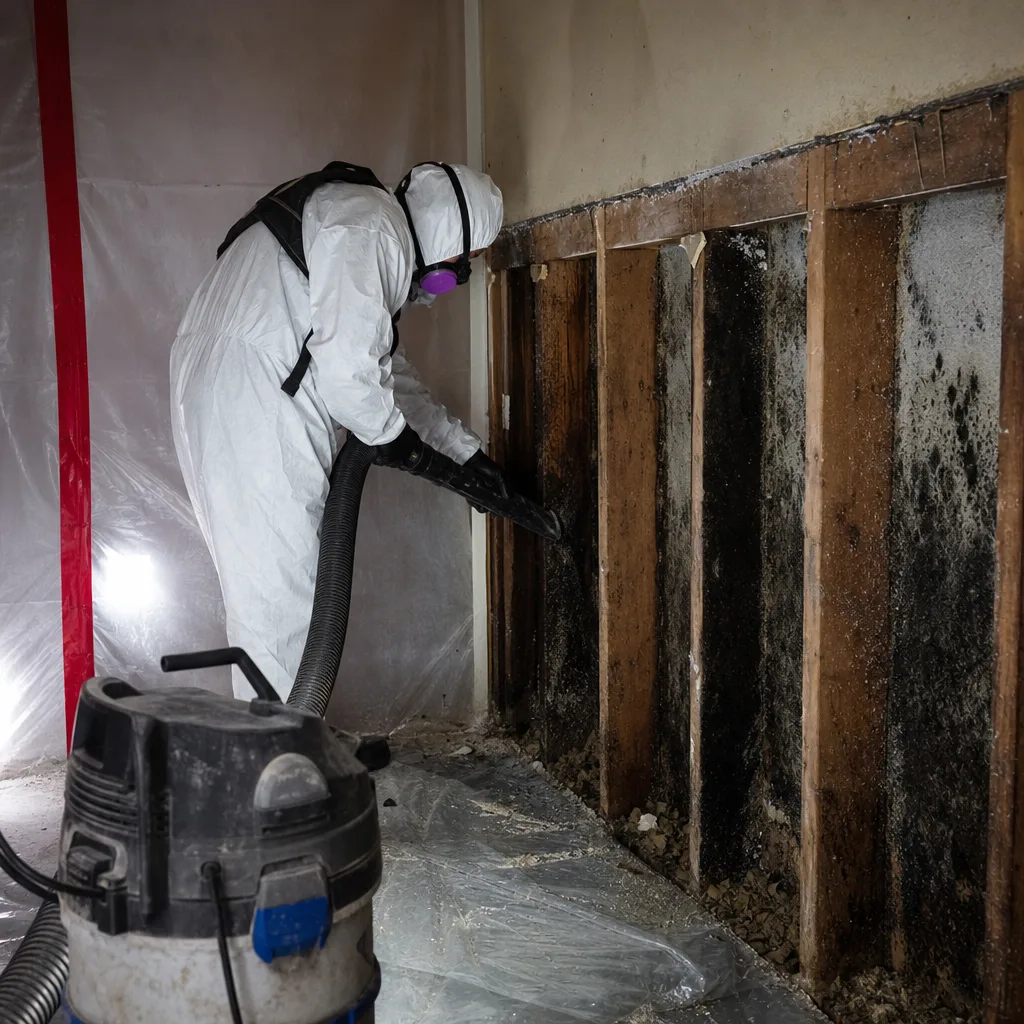
Mission District buildings dry differently than newer construction. The neighborhood’s sheltered inland position makes it one of San Francisco’s warmest, least-foggy spots, but pre-1920 walls have no vapor barriers and no modern insulation. That means warm air encourages evaporation, but the moisture has nowhere to go once it hits dense plaster and old-growth framing. We run professional-grade Dri-Eaz, Phoenix, and XPOWER dehumidifiers with daily moisture readings logged until the dry standard is met. The log goes to you and your carrier, so there’s a record from day one to the day we hand it over.
Flood Cleanup
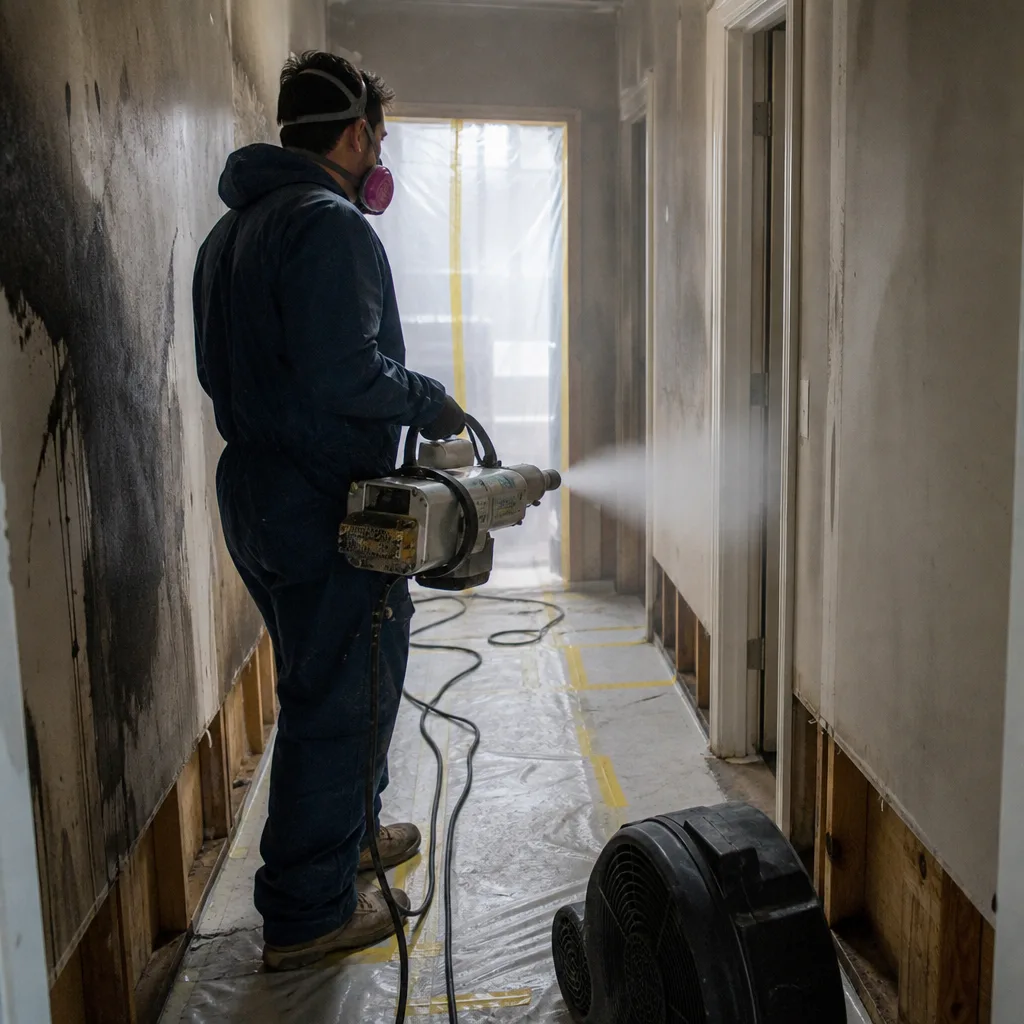
Whether the water came from a storm, a sewage backup, or a broken supply line, Mission District flood cleanup has to move fast. Shared walls between flats mean standing water in one unit raises the humidity in adjacent units, and crawl spaces under wood-frame buildings stay damp for weeks without active drying. We extract, sanitize, and set drying chambers in the affected space, and we check adjoining walls and floor cavities with moisture meters before we call the job done. Our crews wear proper PPE, and we document everything with photos for your records and the insurance adjuster.
Burst Pipe Restoration
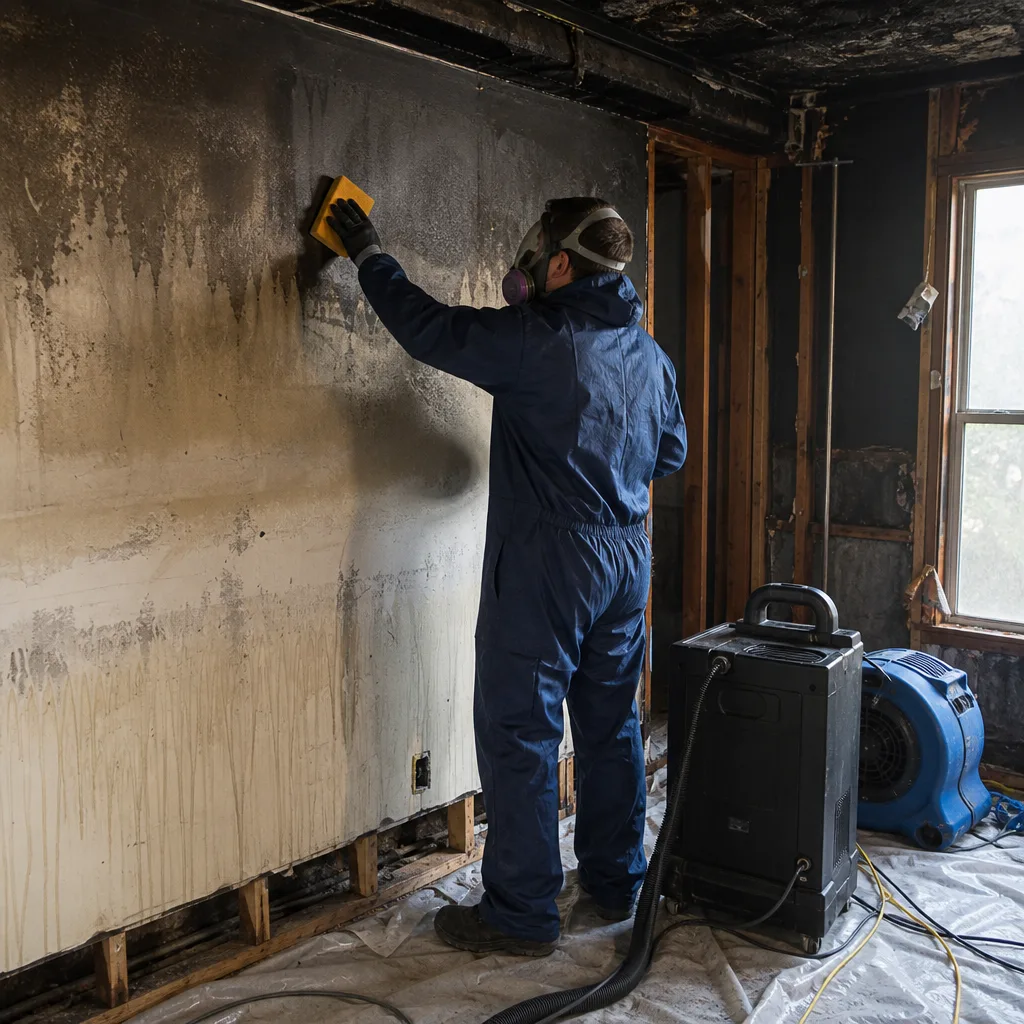
Most Mission District homes still have original or early-replacement galvanized supply lines from the early 20th century. They corrode from the inside out, and when they fail, they fail under pressure and fast. We stop the water at the source, extract what soaked into flooring and wall cavities, and dry the structure back to a known moisture standard. Then we handle the repair or rebuild scope in writing before any construction starts, so you know what you’re approving and what it costs. That’s the square deal we’ve built the company on.
What happens when you call
- 1
A real person answersNo phone trees - you reach a local pro.
- 2
You get an upfront price rangeHonest numbers before anyone is dispatched.
- 3
A background-checked tech heads outLicensed & insured, dispatched right away.
- 4
You approve before work beginsNothing starts until you say go.
Trusted Brands We Service in Mission District
Our techs are trained to IICRC, RIA, and IFA standards, and we run the equipment that actually performs on Mission District’s dense housing stock. We stock injection drying mats, axial air movers, and low-grain refrigerant dehumidifiers sized for narrow hallways and small stairwell landings, and we service the systems that fail most often in these buildings: older supply risers, angle stops behind toilets, and washing machine valves in kitchen closets. When a fitting fails in a 1912 Edwardian on Shotwell Street, we don’t wait on parts from a warehouse. We carry common fittings for legacy galvanized and copper lines so extraction and control can start the same day.
Common Water Damage Restoration Problems We See in Mission District Homes
- Cascading multi-unit leaks. A single burst pipe or appliance leak on an upper floor works through plaster-over-lath ceilings into multiple occupied units below. San Francisco’s rent-control and tenant-protection ordinances place real legal constraints on temporary displacement during restoration, and we sequence the work to keep occupied units safe while following the rules that apply here, in 94110, not in Oakland or Daly City.
- Soft-story retrofit surprises. Many Mission District buildings have the classic San Francisco configuration: residential wood-frame units over an open ground-floor garage or commercial space. When we open wet walls after a water loss, we regularly encounter incomplete or unpermitted retrofit framing. San Francisco requires disclosure to the Department of Building Inspection before repairs proceed, and we know exactly how to document that without stalling your timeline.
- Hidden moisture behind plaster. Century-old plaster walls soak up water and look dry on the surface long after a leak. Homeowners who skip non-invasive moisture mapping end up with mold blossoming behind the plaster months later. We map every affected wall and floor cavity with thermal imaging and probing meters before we sign off.
- Alley-load access problems. Many Mission District garages open onto narrow rear alleys, not the street. Restoration vans that assume standard driveway access lose an hour trying to stage equipment. We drive trucks sized for Mission District alleys and send crews who know how to move equipment through single-lane rear access points without blocking neighbors.
Pricing for Water Damage Restoration in Mission District, CA
Here are honest numbers for Mission District’s market. Emergency water extraction in a typical 2-4 unit Victorian flat runs $475 to $1,100 depending on how many rooms are involved and whether stairwells complicate equipment movement. Structural drying and dehumidification in Mission District’s plaster-wall buildings typically costs $1,200 to $3,200, because drying takes longer when there are no vapor barriers and the plaster holds moisture longer than drywall. Burst pipe restoration including extraction, drying, and basic framing or plaster repair usually lands between $1,800 and $4,500. Ceiling and roof leak water damage from Mission District’s older flat roofs and skylight curbs typically runs $950 to $2,800, including drying of the affected ceiling and wall cavities above. What actually changes the price: how many units are affected, whether soft-story framing is involved, and whether your building’s retrofit work requires DBI disclosure. We give a written scope before any work starts. No surprises on the bill, and direct insurance billing means you never play messenger between us and the carrier. We discount for seniors and veterans. Call (888) 737-2439 for a free estimate.
We Also Serve Cities Near Mission District
Our crews work throughout the Bay Area, with a focus on San Francisco’s dense central neighborhoods. We serve Mission District daily and respond to water damage calls in Noe Valley, Visitacion Valley, and Chinatown with the same live dispatch and same-visit extraction. If you own or manage property in any of these neighborhoods, call us before the water spreads.
Serving Mission District, CA - Our Local Coverage Area
We’re based in the Mission District area and know this community well. Use the map below to see our service coverage - if you’re nearby, we can almost certainly help.
FAQs - Water Damage Restoration in Mission District
They add a compliance step that doesn’t exist in most neighboring cities. San Francisco’s rent-control ordinances restrict when and how occupants can be temporarily displaced during restoration, and starting work before that’s resolved can create legal liability for the property owner. We sequence the extraction and drying work to keep occupied units safe while the displacement rules are followed, and we document everything for the carrier. Call (888) 737-2439 the moment water crosses between units, and we’ll coordinate the compliance piece from the first visit.
The walls hold water differently. Plaster-over-lath absorbs and traps moisture behind its surface, so a wall can feel dry to the touch while the cavity behind it stays wet for weeks. Newer drywall construction dries faster and shows damage sooner. In Mission District homes, we use non-invasive moisture mapping because surface readings alone will miss hidden pockets that turn into mold later. That’s the only way to actually finish the job rather than just looking finished.
Because San Francisco’s mandatory soft-story seismic retrofit ordinance has driven partial structural work through many Mission District apartment buildings over the past decade. When a crew opens a wall after a water loss and finds incomplete or unpermitted retrofit framing, the city requires disclosure to the Department of Building Inspection before repairs can proceed. We know the paperwork and the inspectors, and we’ll keep your timeline moving instead of letting a permit surprise cost you a week.
We plan for it before we arrive. Our trucks are sized for Mission District alleys, and our crews know which rear access points on blocks like Treat Avenue or Florida Street actually accommodate a dehumidifier on wheels. We stage drying equipment in the smallest footprint needed, run condensate lines to existing drains, and coordinate with building owners so we never block a neighbor’s garage or a narrow service corridor. If we can’t park at the door, we carry equipment in by hand rather than delaying the extraction.
Yes, and not the way you’d expect. The Mission is one of San Francisco’s warmest, least-foggy neighborhoods, so surface evaporation happens faster than in the fog belt. But the century-old building envelopes have no vapor barriers, so that evaporated moisture moves into wall cavities and lingers there. We expect drying to take as long or longer than foggy-neighborhood jobs because we’re drying dense plaster and old-growth framing, not sheetrock. Daily moisture readings tell us exactly when the dry standard is met, and we hand the log to you and your carrier.
Written by Curt Bowman, Owner at Floodline Restoration Co., serving Mission District and the surrounding San Francisco Bay Area since 2010.
Ready When the Water Hits - Call Now
Water spreads while you wait. The line the water left is where we start, and we’ll be there when we say. Call (888) 737-2439 for a free estimate and a live dispatcher who actually answers. We stand behind every Mission District job with the 90-Day Done Right Promise, in writing. Senior and veteran discounts always apply, and $50 off any repair over $250 is waiting when you call.