
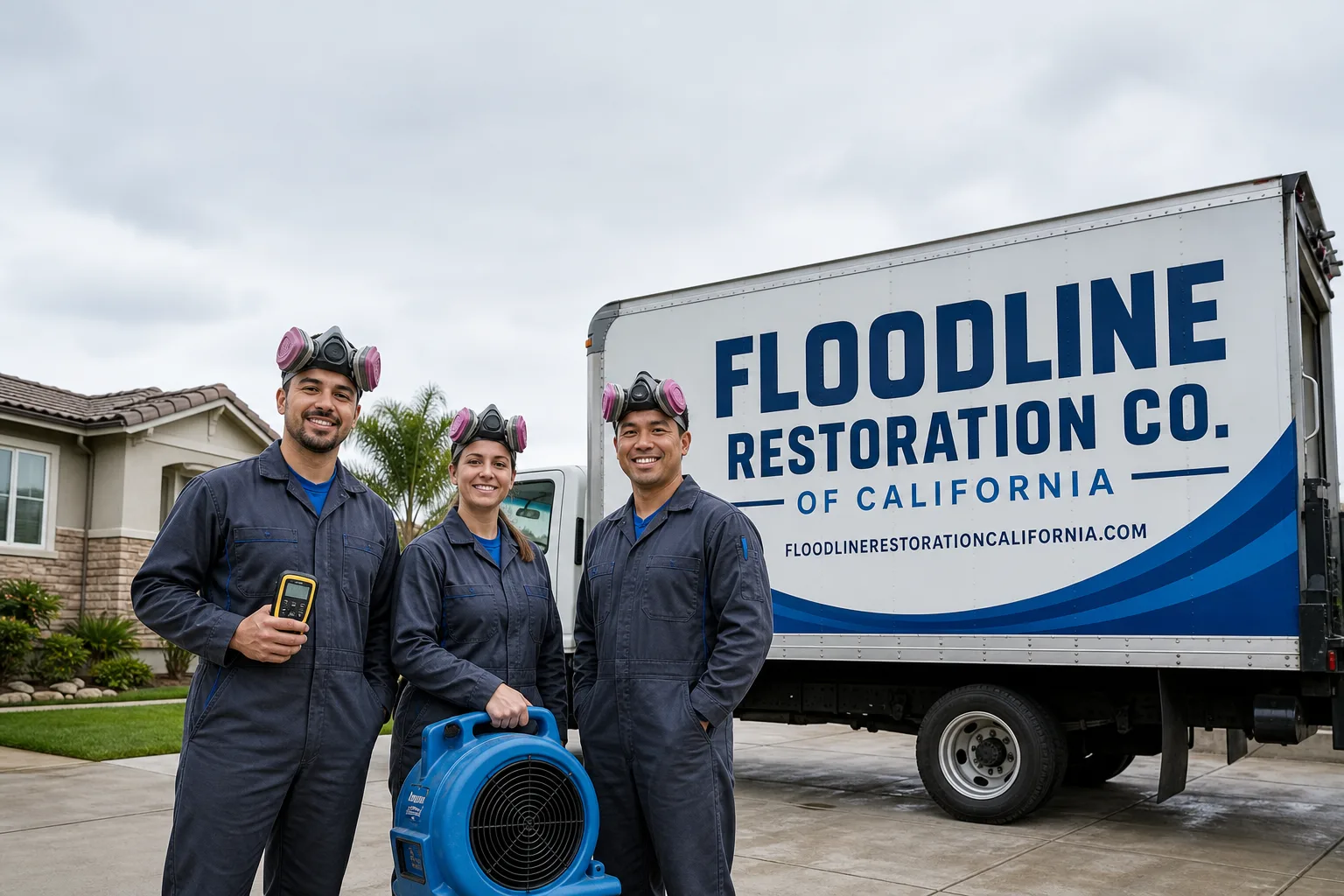
Fast, Reliable Water Damage Restoration Across Mission District
Water damage in a Mission District flat rarely stays in one unit. A burst galvanized supply line on a third floor can be in a first-floor tenant’s ceiling within twenty minutes, and in this neighborhood’s 1890s and 1910s wood-frame buildings, the plaster-over-lath construction hides that water until it’s already traveled. We get it. Floodline Restoration Co. of California has crews staged to reach Mission District addresses quickly, with compact extraction equipment sized for 32-inch entry doors, steep stairwells, and street parking that demands a plan. Call (888) 737-2439 and a live dispatcher answers, day or night. A certified crew starts extraction the same visit.
Key Takeaways
- Water in Mission District flats spreads through shared plaster ceilings and wall cavities into adjacent rent-controlled units fast. Treating only the source unit leaves hidden moisture that will mold.
- Most emergency water extraction in the Mission runs $350-$900 for the first room, and full structural drying for a typical two-unit vertical spread runs $2,800-$6,500. We give written pricing before work starts.
- We answer the phone with a live person 24/7, and we arrive with equipment that fits through narrow Mission District doorways and up tight stairwells. No answering service. No “leave a message.”
- Every job carries the 90-Day Done Right Promise in writing. If it’s not done right, we make it right, no argument.
Why Floodline Restoration Co. of California Is Mission District’s Preferred Water Damage Restoration Company
We’ve worked the Mission long enough to know the difference between a 1906 survivor with original lath and a 1970s stucco-over. That matters when you’re deciding whether a plaster ceiling can be saved or has to come down. Curt Bowman founded this company in 2010 with a dispatch board, not a sales desk, and the crews you’ll meet in the Mission District are background-checked, uniformed, and trained to IICRC, RIA, and IFA standards. We don’t hand off extraction to one company and rebuild to another. The same crew that reads the moisture map on day one handles the daily readings and the rebuild, and you get the moisture log and the 90-Day Done Right Promise in writing.
Mission District homeowners and property managers call us because we understand what this neighborhood’s housing stock does under water. A soft-story four-unit flat on Shotwell doesn’t dry like a single-family house in Noe Valley. The wall cavities are connected. The crawl space under the garage is unvented. The plaster hides moisture for weeks. Planning around San Francisco’s tenant-protection ordinances, street parking on narrow blocks like Folsom or Harrison, and building access through 30-inch doors isn’t an add-on for us. It’s the baseline.
Our Water Damage Restoration Services in Mission District
Floodline Restoration Co. of California is the full-cycle Water Damage Restoration company serving Mission District property owners from first extraction through finished rebuild. Here’s what that means block by block.
Emergency Water Extraction
When a galvanized line lets go at 2 a.m. in a flat above 24th Street, the first call should be to a live dispatcher, not a recording. Our dispatchers answer at all hours and send a Mission District-ready crew with truck-mounted and portable extraction units sized for tight alley-load entries. We get standing water out of finished floors, stair landings, and utility closets the same visit, and we log moisture readings before we open a single wall.
Structural Drying & Dehumidification
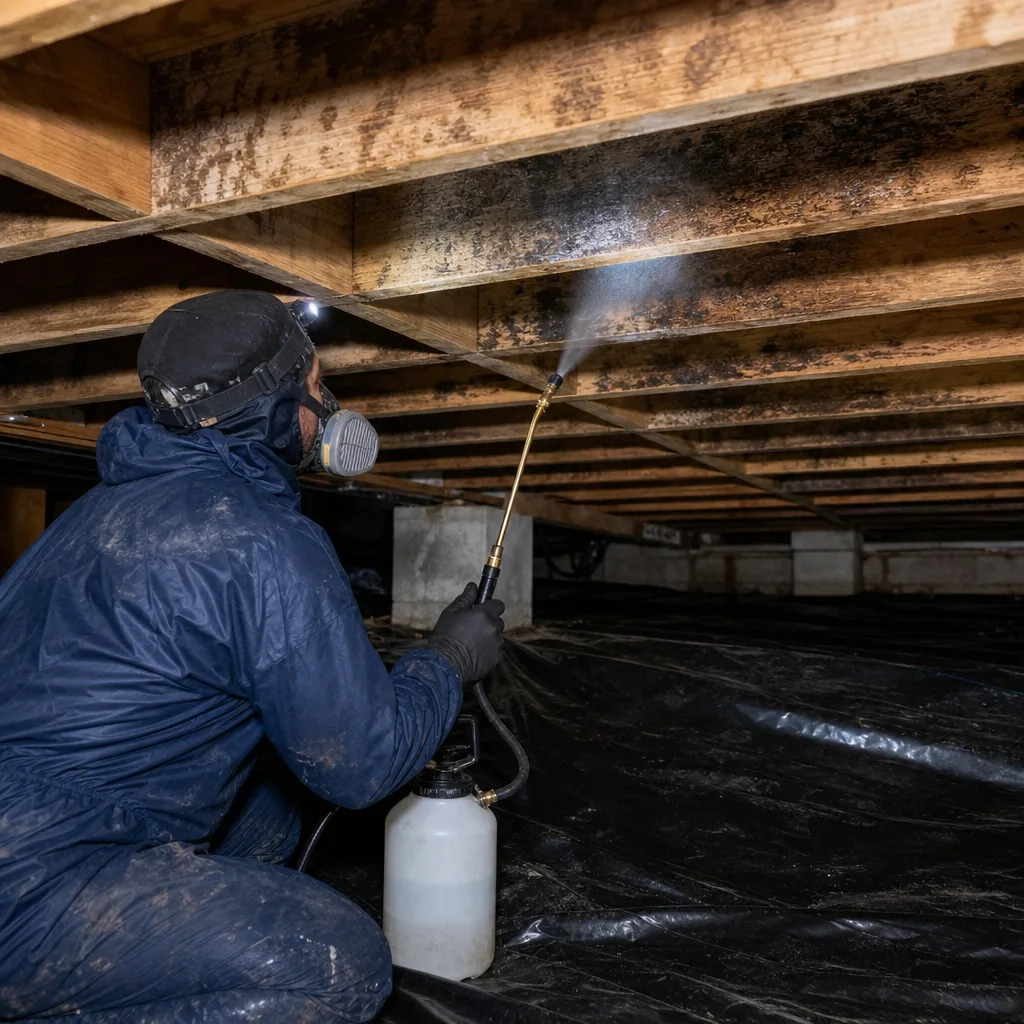
Drying a Mission District Victorian means drying what you can’t see: the cavity behind the lath, the space between the subfloor and the joists, the unvented crawl under the ground-floor unit. We run Dri-Eaz and Phoenix dehumidifiers and XPOWER air movers with daily readings until the dry standard is met. You get a moisture log you can hand to your insurance adjuster, and we don’t call the job done when the surface feels dry. We call it done when the meter says dry.
Flood Cleanup
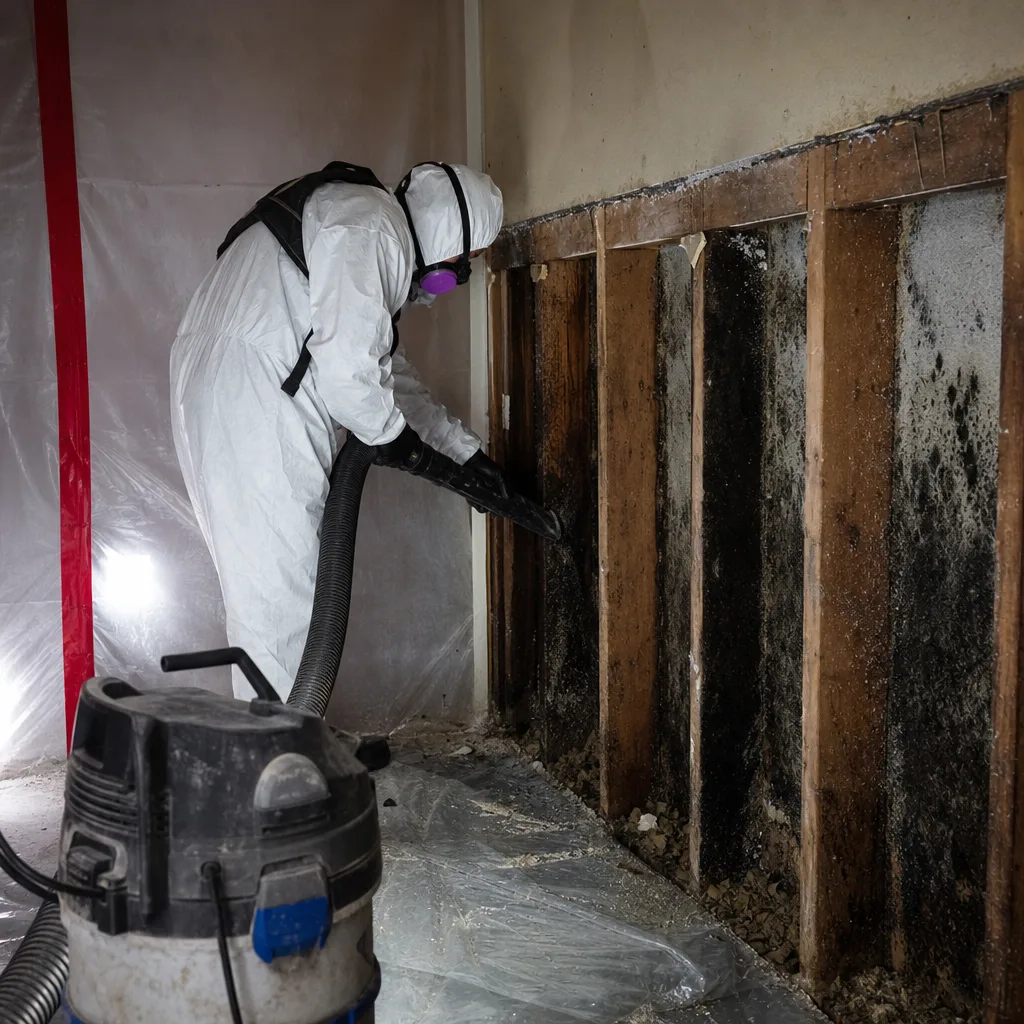
Heavy rain in the Mission is less common than fog-side flooding, but when the topographic bowl traps a storm and water pushes through a flat roof or a rear basement stairwell, the damage is immediate and dirty. We remove contaminated water, haul out soaked plaster and insulation, treat the affected framing, and set the drying plan. If sewage or storm water is involved, we handle that as a categorized loss with the appropriate containment and disposal, and we document everything for the carrier.
Burst Pipe Restoration
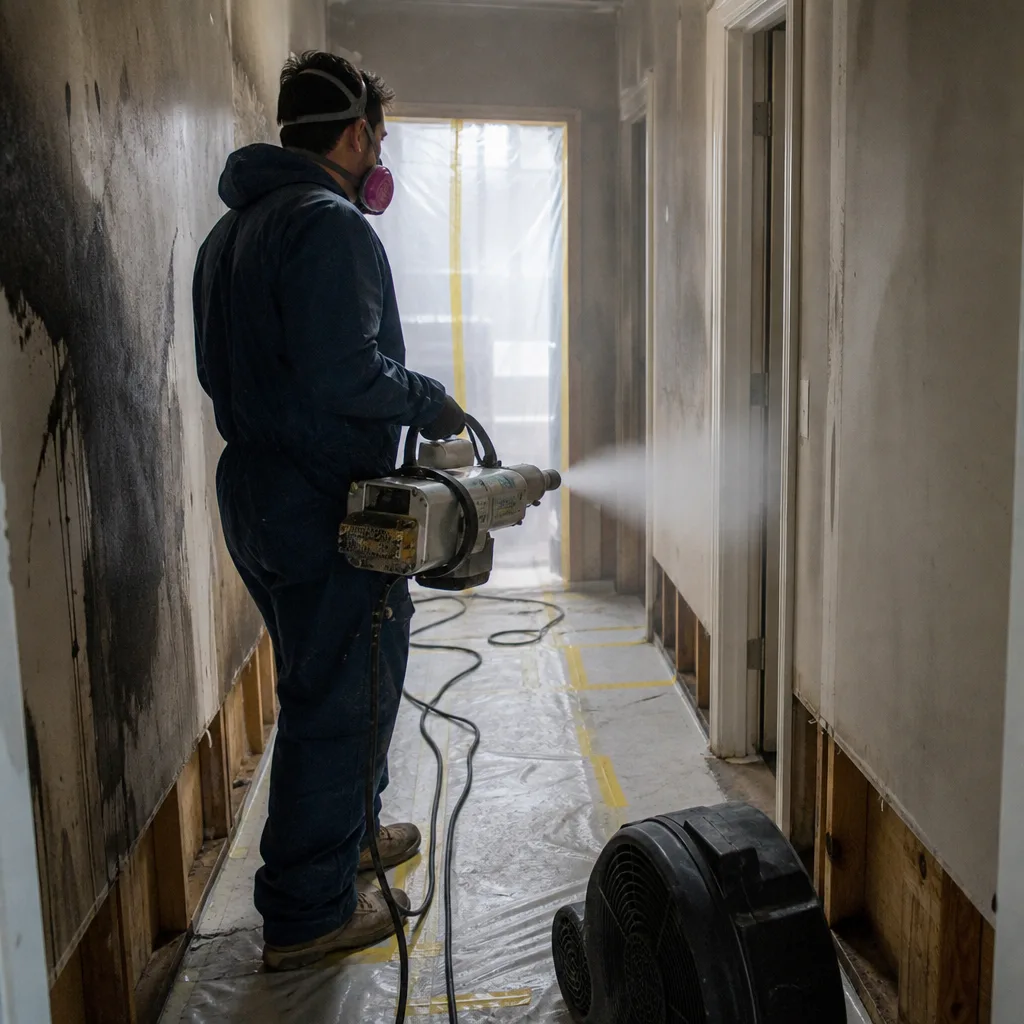
Original galvanized supply lines in buildings that pre-date the 1906 earthquake are at the end of their service life, and when they fail, they fail all at once. We locate the source, stop the flow with emergency plumbing coordination, extract, dry, and rebuild the damaged walls, ceilings, and floors. Because so many Mission District pipe runs are buried in plaster walls rather than accessible chases, we’re careful to open only what must be opened and to document the condition of the framing before we put it back.
Ceiling & Roof Leak Water Damage
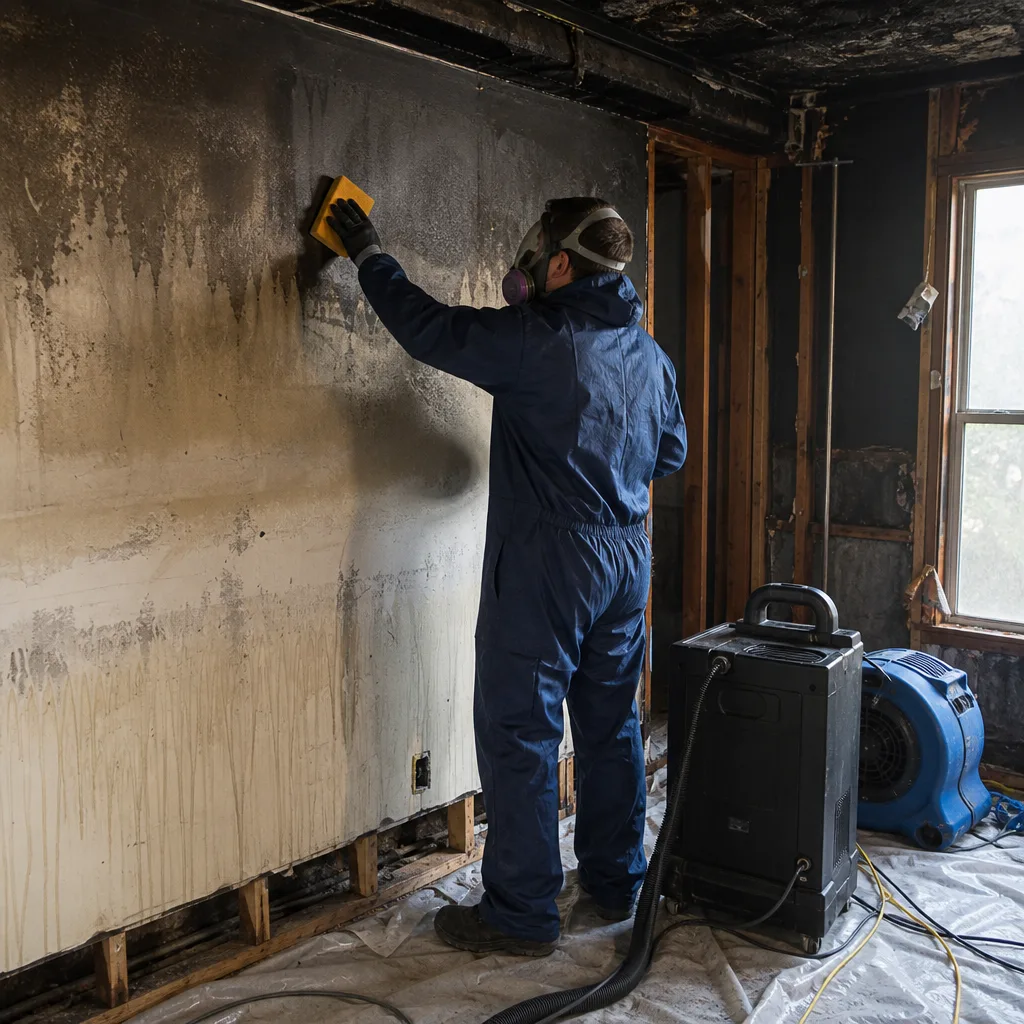
A leaking flat roof or a failed second-floor window flashing in the Mission doesn’t just stain a ceiling. It drips into a lower unit’s kitchen, and it wets the shared joist space in between. We trace the water path with moisture meters, open the ceiling cavity in a controlled way, dry the joist space, and patch or rebuild the plaster or drywall so the repair doesn’t telegraph through the paint six months later.
What happens when you call
- 1
A real person answersNo phone trees - you reach a local pro.
- 2
You get an upfront price rangeHonest numbers before anyone is dispatched.
- 3
A background-checked tech heads outLicensed & insured, dispatched right away.
- 4
You approve before work beginsNothing starts until you say go.
Trusted Brands We Service in Mission District
We work on and around fixtures, finishes, and mechanical systems in Mission District flats and storefronts of every age and brand, including common local plumbing and roofing systems tied to water losses. Our crews carry Injectidry injection-drying panels for hard-to-reach cavities like the spaces between plaster ceilings and hardwood floors, and we use Dri-Eaz, Phoenix, XPOWER, and B-Air drying equipment on every job. We don’t stock parts for every fixture on earth, but we carry the common fittings, valves, and repair materials for older San Francisco plumbing systems, which means fewer return trips and a faster dry-out for your building.
Common Water Damage Restoration Problems We See in Mission District Homes
- Multi-unit vertical spread through shared plaster ceilings. Water from an upper-floor source travels through the joist cavity and reappears as a stain in the ceiling of the rent-controlled unit below. Treating only the unit with visible damage leaves a mold reservoir in the shared cavity.
- Plaster-over-lath walls that hide moisture. Plaster wicks water and dries slowly, so a wall can look dry on the surface while the lath behind it stays above 25% moisture content for weeks. We use moisture meters and injection drying to dry what the eye can’t see.
- Soft-story retrofit complications. Many Mission District apartment buildings have undergone partial seismic retrofits. Opening walls after a water loss sometimes exposes incomplete or unpermitted retrofit framing, which legally must be disclosed to the SF Department of Building Inspection before repairs proceed. Missing that step causes permit delays and worse.
- Tight access and street-parking constraints. A 32-inch entry door, a stair landing the width of a file drawer, and no place to park a box truck on Shotwell or Folsom all change the equipment plan. We stage compact gear and walk the equipment in so extraction starts the same visit, not the next day.
Pricing for Water Damage Restoration in Mission District, CA
A straight-forward emergency water extraction in a Mission District flat typically runs $350-$900 for the first affected room, including equipment setup and initial drying. A full structural dry-out after an upper-floor pipe break that’s moved through a plaster ceiling into a lower unit usually lands between $2,800 and $6,500, depending on the number of rooms opened and how much plaster, framing, and flooring comes out. Basement and ground-floor garage dry-outs with a car in the way usually add $400-$800 for staging and access. Rebuild work, like patching lath and replastering a ceiling, is priced separately in a written scope before any reconstruction starts. We stand by a no-hassle pricing policy: you get the number in writing before work begins, and we bill your insurance carrier directly. Call (888) 737-2439 for a free estimate, and ask about the Senior & Veteran 5% discount and $50 off any repair over $250.
We Also Serve Cities Near Mission District
While this page is focused on Water Damage Restoration in Mission District, our crews also run to Noe Valley, Visitacion Valley, Chinatown, and the broader San Francisco area. If your property sits just outside the Mission’s zip code boundaries, call anyway. Dispatchers route the nearest crew, and a Mission District-trained team often reaches neighboring blocks just as fast.
Serving Mission District, CA - Our Local Coverage Area
We’re based in the Mission District area and know this community well. Use the map below to see our service coverage - if you’re nearby, we can almost certainly help.
FAQs - Water Damage Restoration in Mission District
We treat the whole affected column as one loss, not a series of separate unit repairs. That means we open and dry the shared joist cavity, the ceiling cavity, and any affected walls in the lower unit, and we coordinate directly with the property owner and the tenants to schedule access without unnecessary displacement. San Francisco’s tenant-protection ordinances impose real limits on when and how tenants can be temporarily relocated, so our plan is built around keeping people in place safely whenever possible. Call (888) 737-2439 with your address and unit layout and we’ll walk you through the drying plan.
Plaster-over-lath walls need injection drying, not just surface air movement. In a 1906 survivor, the plaster is often original lime plaster with horsehair binder, and it’s worth saving if it can be dried before mold takes hold. We drill small, inconspicuous injection points, push dry air into the lath cavity with Injectidry panels, and monitor with moisture meters until the cavity is dry. We only remove plaster that is unsalvageable or contaminated. Replacing it with historically compatible materials comes later, in the rebuild phase, priced in writing.
Yes. We’ve dried many ground-floor garage and basement spaces in Mission District soft-story buildings with the car still inside. We position dehumidifiers and air movers around the vehicle, lay protective sheeting, and route hoses and cords along clean paths so the owner can still get the car out if they need to. If the space underneath the car is saturated, we may ask for a short window to move it, but our default is to work around it. The only time we require the car to move is when structural access demands it.
Not always, but sometimes yes. If the water has saturated the structural frame around the ground-floor garage opening or exposed older retrofit connections that don’t match current SF DBI details, we’ll bring in a structural engineer before we touch the framing. Opening a wall after a water loss in the Mission regularly reveals incomplete or unpermitted retrofit work done in the past decade, and San Francisco’s enforcement environment requires disclosure to the Department of Building Inspection before repairs proceed. A good restoration company in this city doesn’t skip that step to make a timeline look better. We won’t skip it.
Same day, usually within a few hours. A live dispatcher takes your call 24/7, and the nearest certified crew responds with compact extraction and drying gear sized for Mission District conditions: 32-inch entry doors, steep interior stairs, and street blocks with no parking. We stage equipment at the curb and hand-carry what’s needed. In most jobs, extraction is running the same visit. Call (888) 737-2439 and we’ll tell you the current crew location and a realistic arrival window.
Call Floodline Restoration Co. of California for Water Damage Restoration in Mission District
Water in a Mission District flat doesn’t wait, and neither should you. Whether it’s a burst galvanized line above 24th and Folsom, a leaking roof over a rent-controlled unit on Valencia, or a flooded ground-floor garage on Harrison, we’ll answer the phone and get a certified, background-checked crew to your door. You’ll get a written scope, a moisture log, direct insurance billing, and the 90-Day Done Right Promise in writing. Done right, and backed in writing. We’ll be there when we say. Call (888) 737-2439 for a free estimate.
Written by Curt Bowman, Owner at Floodline Restoration Co. of California, serving Mission District homeowners and property managers with full-cycle water damage restoration.