
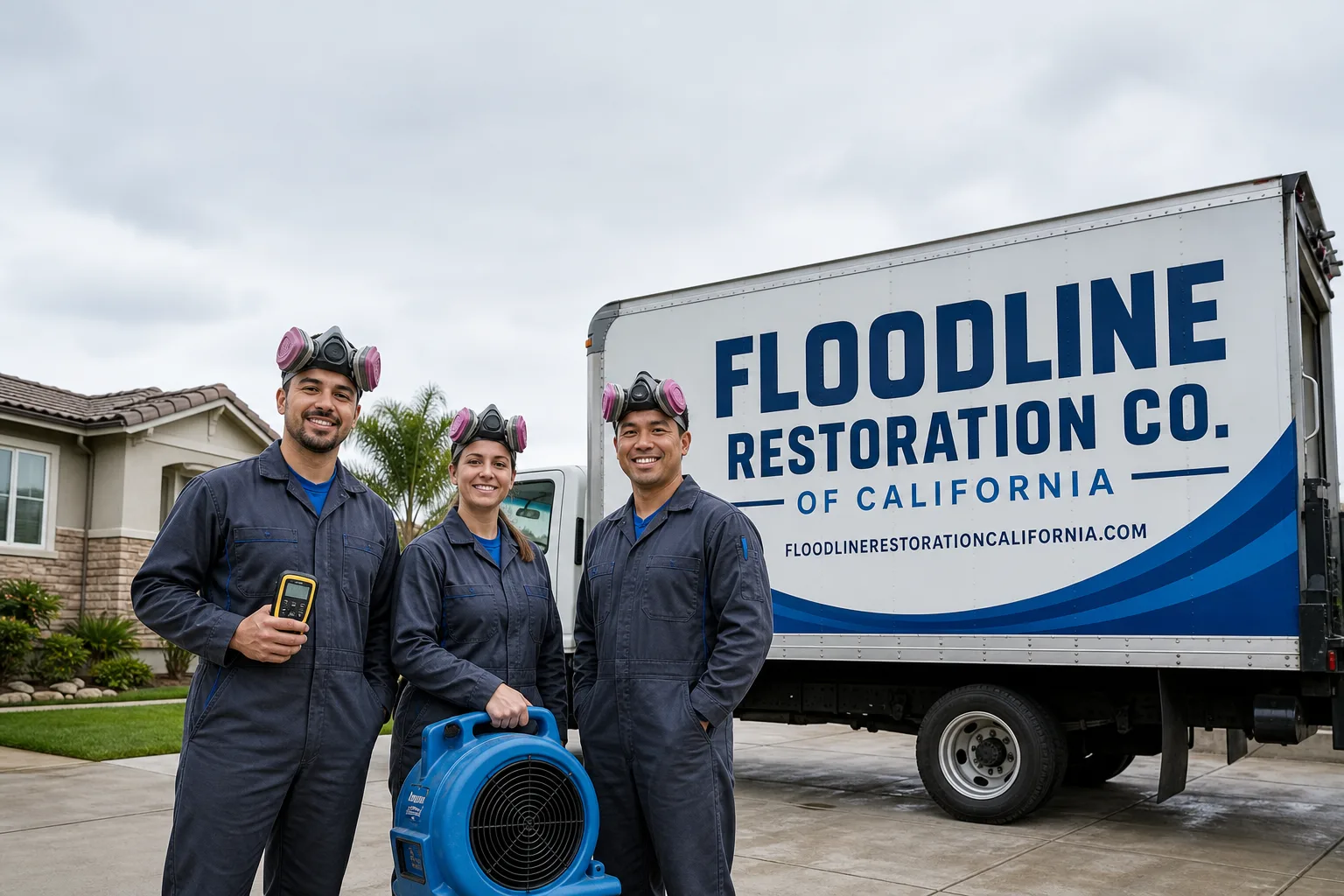
Fast, Reliable Water Damage Restoration Across Milpitas
Water damage in Milpitas moves fast, and so do we. A burst supply line or a backed-up Calera Creek can soak flooring, wick up drywall, and start mold within 48 hours. Our Water Damage Restoration crews reach Milpitas homes quickly, usually the same day you call. We extract first, dry thoroughly, and rebuild what needs rebuilding. Call (888) 737-2439 any hour. A live person answers.
Why Floodline Restoration Co. of California Is Milpitas’s Preferred Water Damage Restoration Company
We’ve worked enough jobs in the 95035 and 95036 zip codes to know that western Milpitas slabs don’t dry like San Jose slabs. The former tidal marsh fill holds water. Homeowners near McCarthy Boulevard and Calera Creek have called us after surface drying looked complete, only to find moisture still trapped under the slab. That local knowledge changes how we set up equipment from the first day.
Homeowners in Milpitas tend to stay put. They’ve been in the same house since the Nixon administration, raised kids there, and they don’t want a rotating cast of subcontractors walking through the door. They want one crew, background-checked and uniformed, who knows the house from extraction to rebuild. That’s how we work. Curt Bowman built Floodline around a dispatch board, not a sales desk, and every job carries the 90-Day Done Right Promise in writing. If it’s not done right, we make it right. No arguing.
We answer the phone at 2 a.m. with a real person. Not a recording. A live dispatcher takes the call, and a certified crew gets to Milpitas fast. Extraction starts the same visit in most cases.
Our Water Damage Restoration Services in Milpitas
Emergency Water Extraction
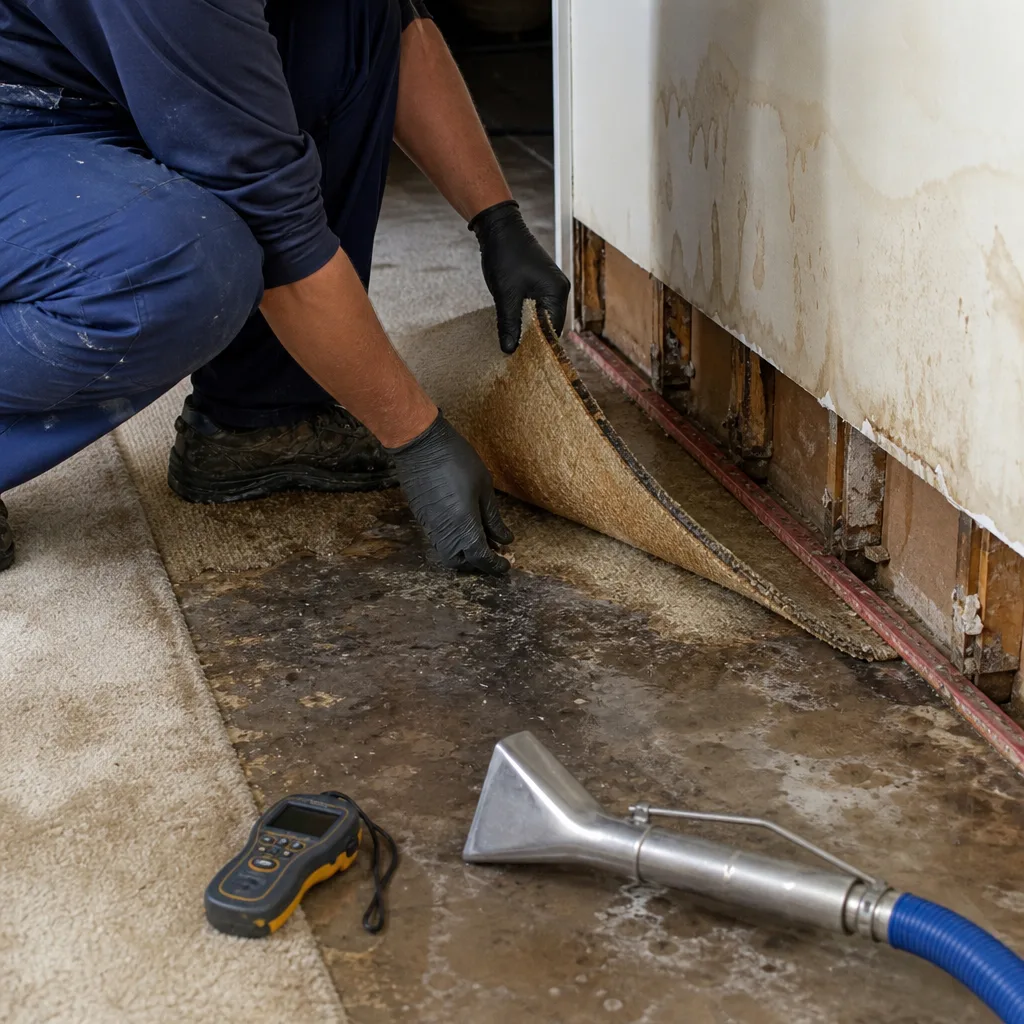
Standing water in a Milpitas slab-on-grade home needs to come out immediately. Our crews arrive with truck-mounted extraction units and pull water from carpet, hardwood, and tile before it migrates into walls and under the slab. In the 1960s and 1970s tract homes along the Abel and Sinnott corridors, we pay particular attention to the low spots where water collects against baseboards and seeps into wall cavities. Speed here matters more than almost anywhere else in the South Bay, because the water table under western Milpitas is close enough to grade that introduced water doesn’t drain away on its own.
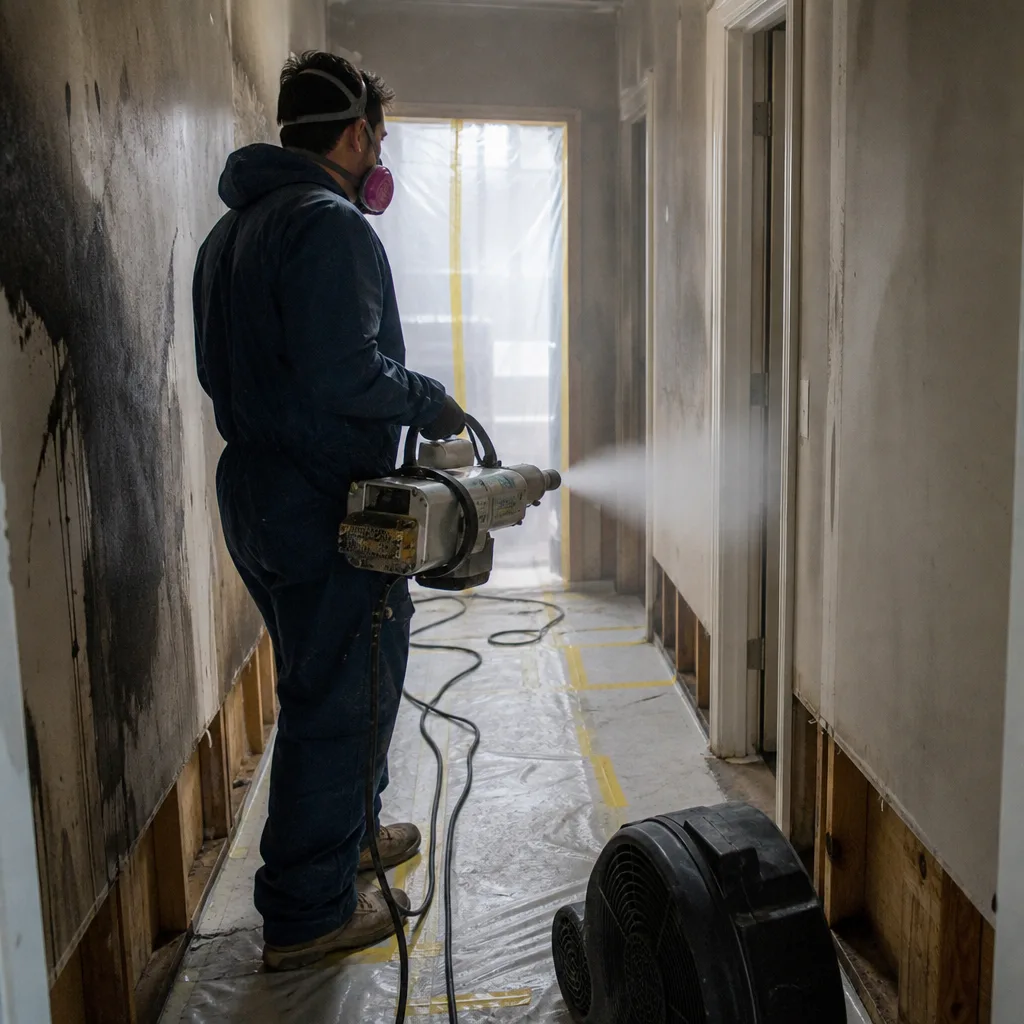
Structural Drying & Dehumidification
This is where Milpitas jobs get harder than the same square footage in Santa Clara or Sunnyvale. The marine moisture that funnels through the Alviso lowlands keeps relative humidity higher in bayside parcels, which shortens the window before mold colonizes. We run Dri-Eaz and Phoenix dehumidifiers longer, and we don’t trust surface moisture readings. We use penetrating meters to check sub-slab conditions. When the seasonal water table sits two to three feet below grade, the slab acts like a sponge sitting on a wet counter. It takes real drying science, not just airflow, to hit the dry standard.
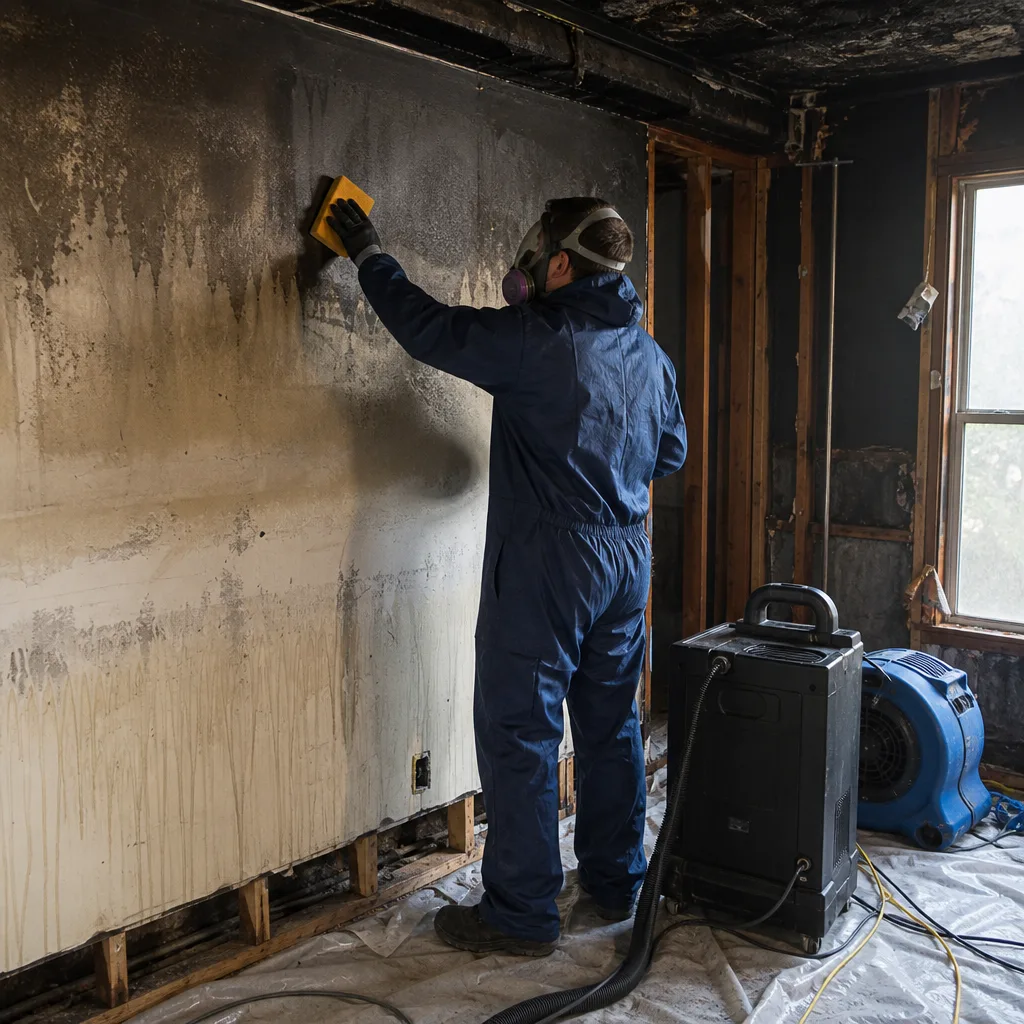
Flood Cleanup
Winter runoff from the Diablo Range foothills moves through Calera Creek and across flat residential Milpitas before it reaches the bay. When the creek backs up, low-lying 95035 parcels near I-880 see flash flooding that carries silt, debris, and sometimes sewage. Our flood cleanup crews remove contaminated material, sanitize affected surfaces, and document everything with photos for your insurance carrier. We log moisture readings daily and hand that log to you and your adjuster. No one has to guess whether the house is dry.
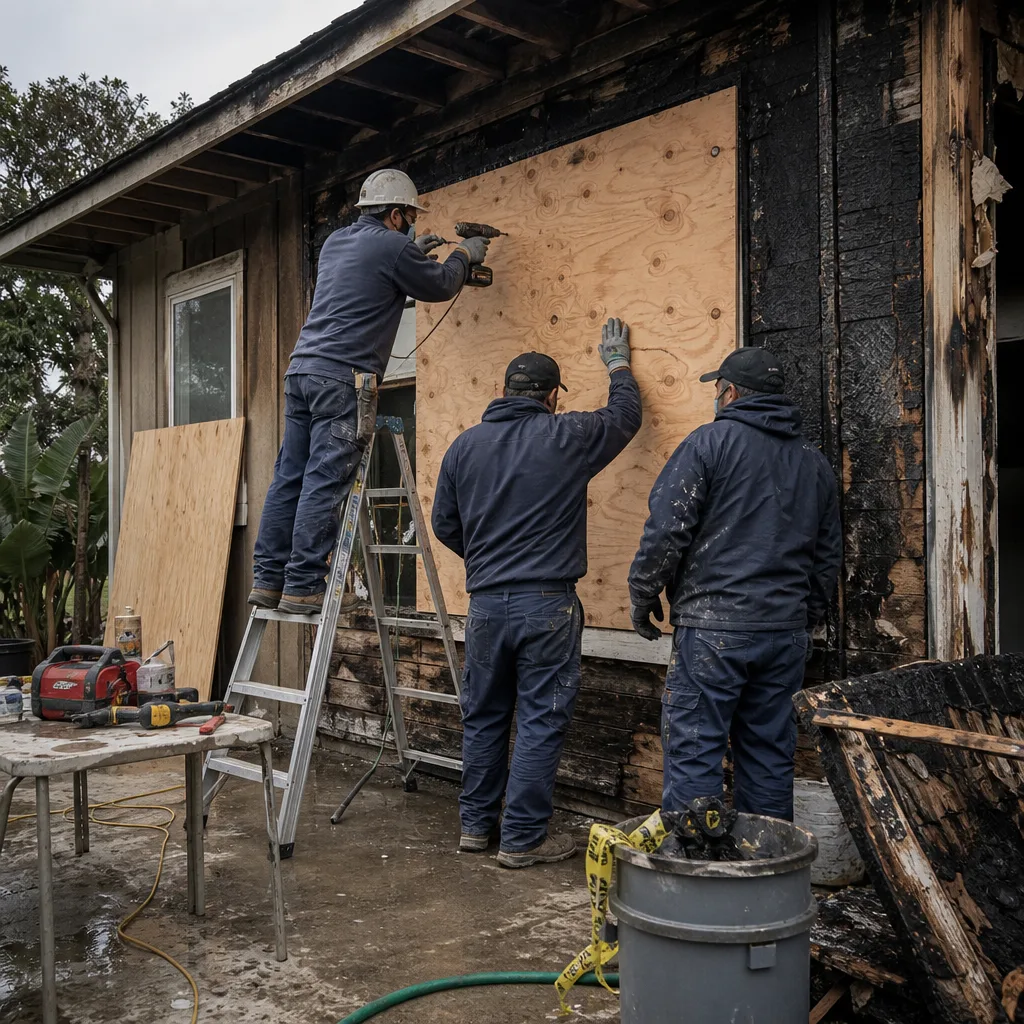
Burst Pipe Restoration
Many Milpitas homes built in the 1960s and 1970s still have original galvanized or early copper supply lines. They corrode. They fail. And because so many of these homes are slab-on-grade, the leak often travels under the floor for days or weeks before anyone notices. A warm spot on the tile, a spike in the water bill, or a musty smell near a wall. By the time we’re called, water has usually spread further than the homeowner expects. We trace the pipe, extract the water, dry the slab, and rebuild the damaged flooring, cabinets, and drywall. One crew handles the whole job.
What happens when you call
- 1
A real person answersNo phone trees - you reach a local pro.
- 2
You get an upfront price rangeHonest numbers before anyone is dispatched.
- 3
A background-checked tech heads outLicensed & insured, dispatched right away.
- 4
You approve before work beginsNothing starts until you say go.
Trusted Brands We Service in Milpitas
Milpitas homes run on a mix of original 1960s plumbing and newer high-efficiency systems, and our technicians are trained to IICRC, RIA, and IFA standards across all of them. We work on slab leaks from corroded galvanized and original copper lines, as well as burst PEX and CPVC in the mid-rise developments near the Great Mall and BART station. We stock common fittings and drying components locally, so we’re not waiting on parts when your floors are wet. Our crews use Dri-Eaz and Phoenix drying equipment on nearly every Milpitas job because the sub-slab conditions demand professional-grade performance, not rental equipment from a hardware store.
Common Water Damage Restoration Problems We See in Milpitas Homes
- Water trapped under slabs on former tidal marsh fill. In western 95035 parcels near the McCarthy Boulevard corridor, the seasonal water table sits within two to three feet of grade. After a slab leak or flood, water persists under the slab for weeks, and surface drying readings don’t tell the truth about what’s still wet underneath.
- Mold colonizing faster in bayside parcels. The marine moisture that funnels through the Alviso lowlands keeps humidity high in western Milpitas. The 48-72 hour mold window is real here, and it’s shorter than inland neighborhoods. Undersized dehumidification lets mold establish before drying is complete.
- Hidden slab leaks in 1960s and 1970s tract homes. Homes along Abel, Sinnott, and Calaveras corridors often still run original galvanized or early copper supply lines. These corrode from the inside and leak under the slab, where water travels unseen for days or weeks.
- Stacked-unit failures near the Milpitas BART station. The mid-rise apartment buildings opened around the BART station in 2020 have shared plumbing stacks. One upper-floor leak can wet multiple units below before anyone discovers it. The damage cascade is different from anything we see in the single-family neighborhoods across Santa Clara or East Foothills.
Pricing for Water Damage Restoration in Milpitas, CA
Water damage restoration pricing in Milpitas depends on the scope of damage, not on who you know. Here’s what we see in the 95035 and 95036 markets:
- Emergency water extraction on a single room runs $400-$900 in Milpitas, depending on water volume and how long it’s been standing.
- Structural drying and dehumidification across multiple rooms typically runs $1,200-$3,500, with western Milpitas jobs landing on the higher end because of the extended drying timeline required by the high water table.
- Flood cleanup from Calera Creek or storm runoff runs $2,000-$7,000 depending on contamination level and affected square footage.
- Burst pipe restoration including slab leak repair and flooring replacement typically runs $3,500-$12,000 in Milpitas.
We give you a written scope before work starts. No surprises on the bill. We bill your carrier directly when insurance is involved, and we coordinate with your adjuster so you don’t have to play messenger. Estimates are free. Call (888) 737-2439.
We Also Serve Cities Near Milpitas
Beyond Milpitas, our crews handle water damage restoration in Santa Clara, Alum Rock, East Foothills, and Sunnyvale. If you’re in a neighboring city and water is where it shouldn’t be, call (888) 737-2439 and a live dispatcher will route the nearest available crew.
Serving Milpitas, CA - Our Local Coverage Area
We’re based in the Milpitas area and know this community well. Use the map below to see our service coverage - if you’re nearby, we can almost certainly help.
FAQs - Water Damage Restoration in Milpitas
Because the land itself holds water. Western Milpitas was built on former tidal marsh fill, and the seasonal water table sits within two to three feet of grade. Water introduced by a leak or flood doesn’t drain away like it would in higher-elevation San Jose tracts. It sits under the slab, in utility chases, and against foundation walls. After a January storm backed up Calera Creek and flooded a 1960s slab-on-grade home on Sinnott Lane, our crew found water still pooled in the under-slab utility chases two weeks later, well after surface drying. We set up a Dri-Eaz DriTec desiccant and Injectidry vacuum panels at the chases to pull moisture through the slab, then monitored with Protimeter meters until the sub-slab readings matched the surrounding fill. That’s the difference between drying a Milpitas slab and drying a slab in East Foothills. Call (888) 737-2439 if you suspect water is still trapped under your slab.
It makes subgrade drying a matter of weeks, not days. When the water table sits two to three feet below grade, any basement or subgrade space is effectively sitting in a shallow reservoir. Standard drying equipment will pull surface moisture, but the slab and lower walls keep wicking water upward from the surrounding fill. We run professional-grade dehumidifiers longer, use penetrating meters to verify sub-slab conditions, and log daily moisture readings so you and your carrier know the dry standard was actually met. Skipping this step is how mold shows up three months later.
Call us first at (888) 737-2439, then shut off power at the breaker if water is near outlets or appliances. Don’t walk through standing water in a flooded Milpitas home, especially near the low-lying parcels off I-880, because creek water carries contaminants. We’ll start extraction the same day, remove soaked materials that can’t be salvaged, and set up drying equipment sized for the higher humidity in bayside parcels. Document what you can with photos for your carrier, but our crew documents everything as part of the job. We bill your insurance directly and coordinate with your adjuster.
Most water extraction and drying work doesn’t require a city permit in Milpitas, but structural rebuilds often do. When we replace drywall, flooring, or framing after water damage, we handle the permitting with the City of Milpitas building department. The bigger code issue in Milpitas is doing the rebuild right in a slab-on-grade home where the sub-slab moisture hasn’t actually been resolved. Any crew can hang new drywall. The Keystone Standard means we don’t rebuild over a slab that’s still wet, and we prove the dry standard with a moisture log before finish work starts.
The failure cascades. In the mid-rise developments around the Milpitas BART station, shared plumbing stacks mean a single upper-floor leak can wet the units below within hours. Water travels down pipe chases, through electrical penetrations, and across floor assemblies before anyone on the ground floor even sees a stain. By the time we’re called, the affected area may span four or five units. That’s a fundamentally different job from a burst pipe in a 1960s Sinnott Lane tract home. We’ve worked these BART-area buildings enough to know the chase layouts and the drying challenges that come with stacked construction. If you manage or own a unit near the station, call (888) 737-2439 the moment you suspect a leak above you.
If water is where it shouldn’t be in Milpitas, don’t wait. Mold doesn’t. Call (888) 737-2439 for a free estimate from Floodline Restoration Co. of California. A live person answers, and a crew that knows western Milpitas slabs will be on the way.
Written by Curt Bowman, Owner at Floodline Restoration Co. of California, providing Water Damage Restoration in Milpitas and surrounding Bay Area communities.