
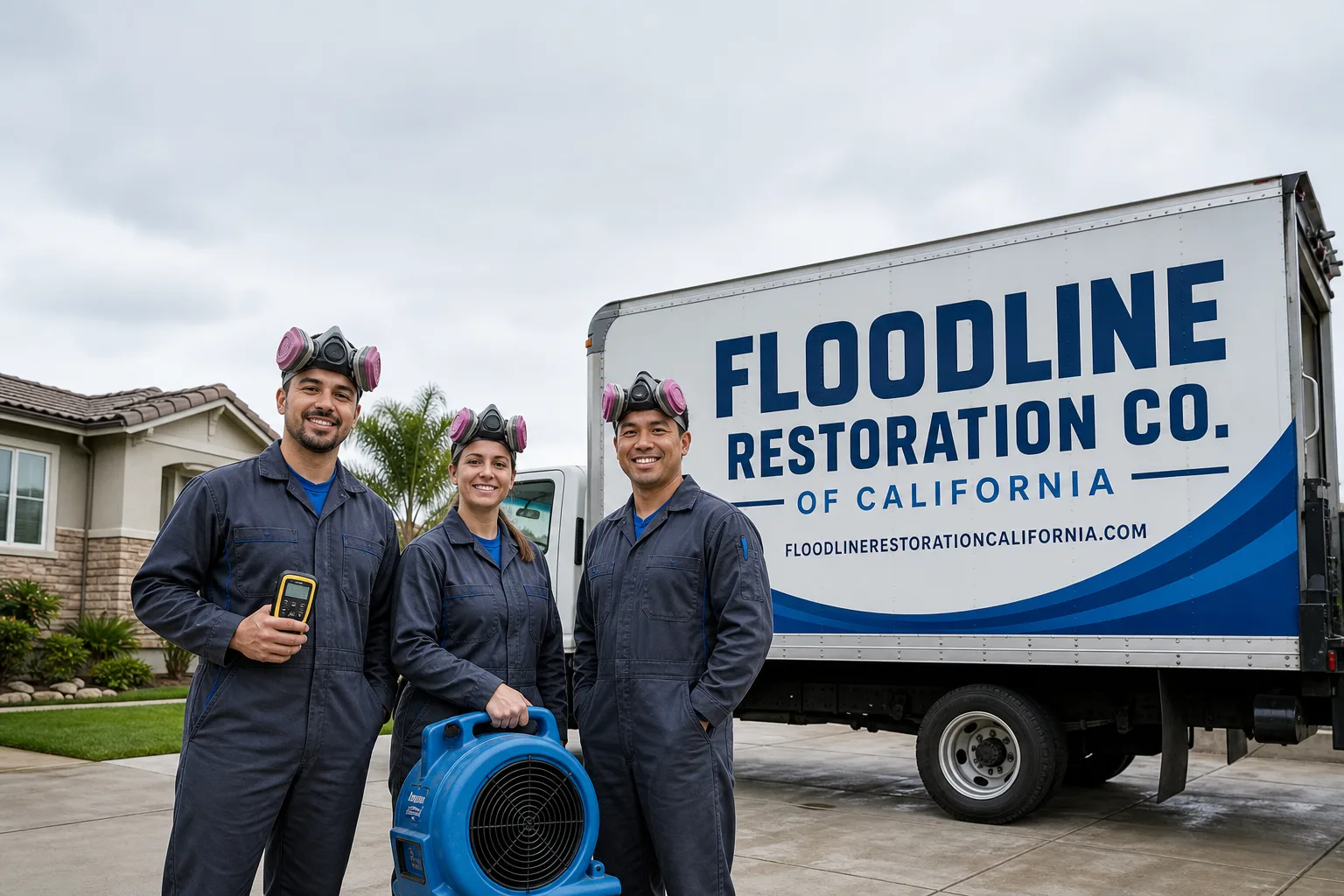
Fast, Reliable Water Damage Restoration Across Brea
Water damage in Brea moves fast, and so do we. Most emergency water extraction jobs in Brea run $850-$2,400, and our crews typically reach homes in the 92821, 92822, and 92823 ZIP codes within 60 to 90 minutes of your call. Floodline Restoration Co. of California has been answering the phone with a live dispatcher since Curt Bowman founded the company in 2010, so you’ll never leave a message when water is spreading through your living room. Call (888) 737-2439 and a certified crew will be on the way.
We know Brea’s flatland tract homes, its hillside canyons, and the oil field that runs beneath both. That local knowledge changes how we approach extraction, drying, and any excavation work. It also means we arrive already knowing what to look for.
Why Floodline Restoration Co. of California Is Brea’s Preferred Water Damage Restoration Company
Brea homeowners have learned to be careful about who they let into their house. We understand that. Every technician we send into a Brea home is background-checked, uniformed, and trained to IICRC, RIA, and IFA standards. The same crew that reads the moisture map on day one handles daily readings, hands the log to the homeowner and the carrier, and rebuilds what needs rebuilding. No mid-job handoff, no inherited strangers.
Our 90-Day Done Right Promise, the Keystone Standard, is given in writing on every Brea job. If it isn’t done right, we make it right, no arguing and no paperwork battles. That matters to people who have owned their home for twenty years and plan to stay another twenty. It’s why our Water Damage Restoration team gets called back by Brea neighbors and their grown children.
We also bill the insurance carrier directly. You never play messenger between us and the adjuster. We document everything with photos, keep the moisture log current, and coordinate with your carrier so the claim moves while the drying does.
Our Water Damage Restoration Services in Brea
Emergency Water Extraction
When a supply line bursts in a 1960s tract home near Arovista Park, every hour of standing water works against you. Our crew arrives with truck-mounted extraction units and portable XPOWER extractors, removes the standing water, and gets air moving the same visit. In Brea’s 92821 flatlands, where slab foundations sit on older plumbing, we always check whether the water source could have contacted soil before we call it clean.
Structural Drying & Dehumidification
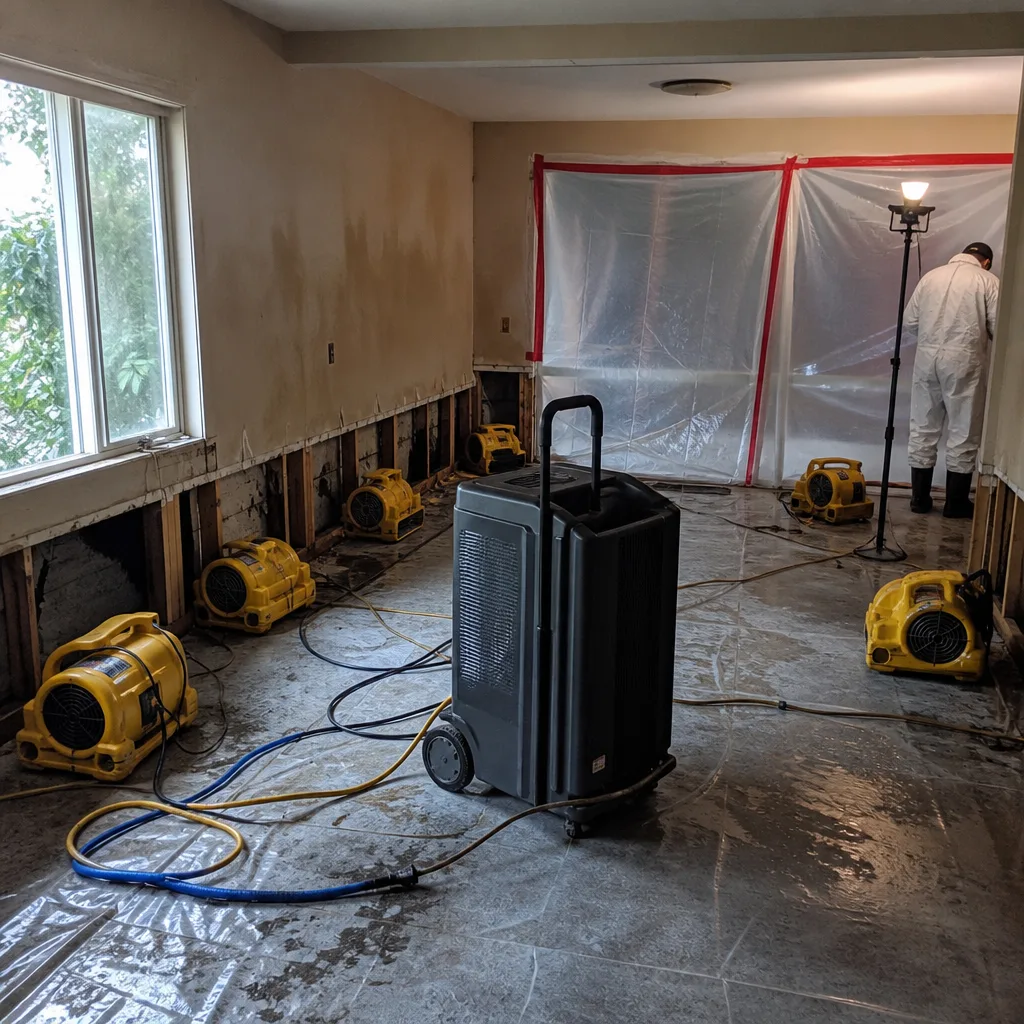
Brea’s stucco-over-frame construction hides water well, which is not a compliment. Water travels behind the stucco, saturates the sheathing, and shows up as a ceiling stain days after the leak started. We use Dri-Eaz LGR dehumidifiers and B-Air air movers, set up based on a moisture map we take the day we arrive, and take daily readings until the dry standard is met. You get the log. So does your carrier.
Flood Cleanup
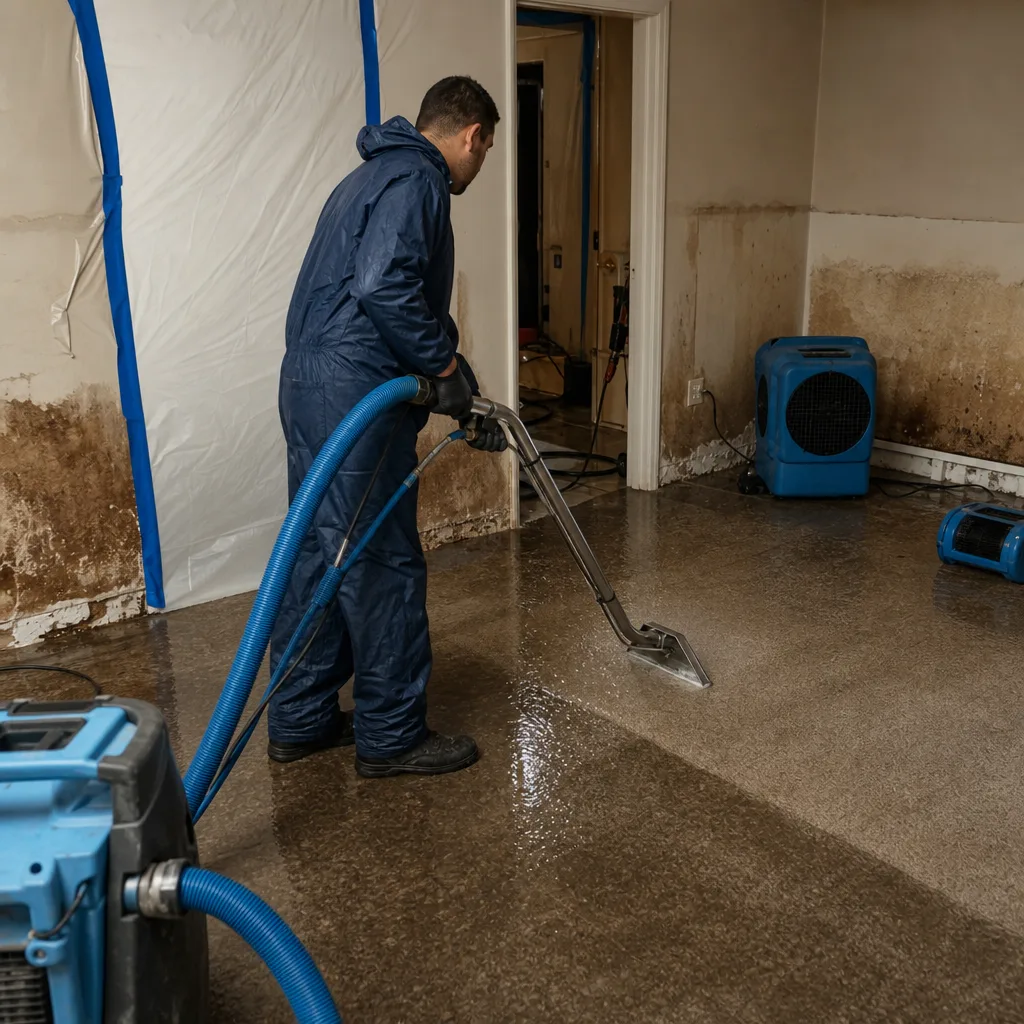
Carbon Canyon and the Olinda Ranch hills catch water differently than the flats. Santa Ana wind-driven rain overpressures roof penetrations, and water finds its way in where flatland homes stay dry. Our flood cleanup in Brea includes removing contaminated water, cutting out saturated drywall, treating for microbial growth, and drying the structure to the standard your carrier will accept. In the 92823 hills, we also watch for mud and ash sediment in the water, which changes how we clean.
Burst Pipe Restoration
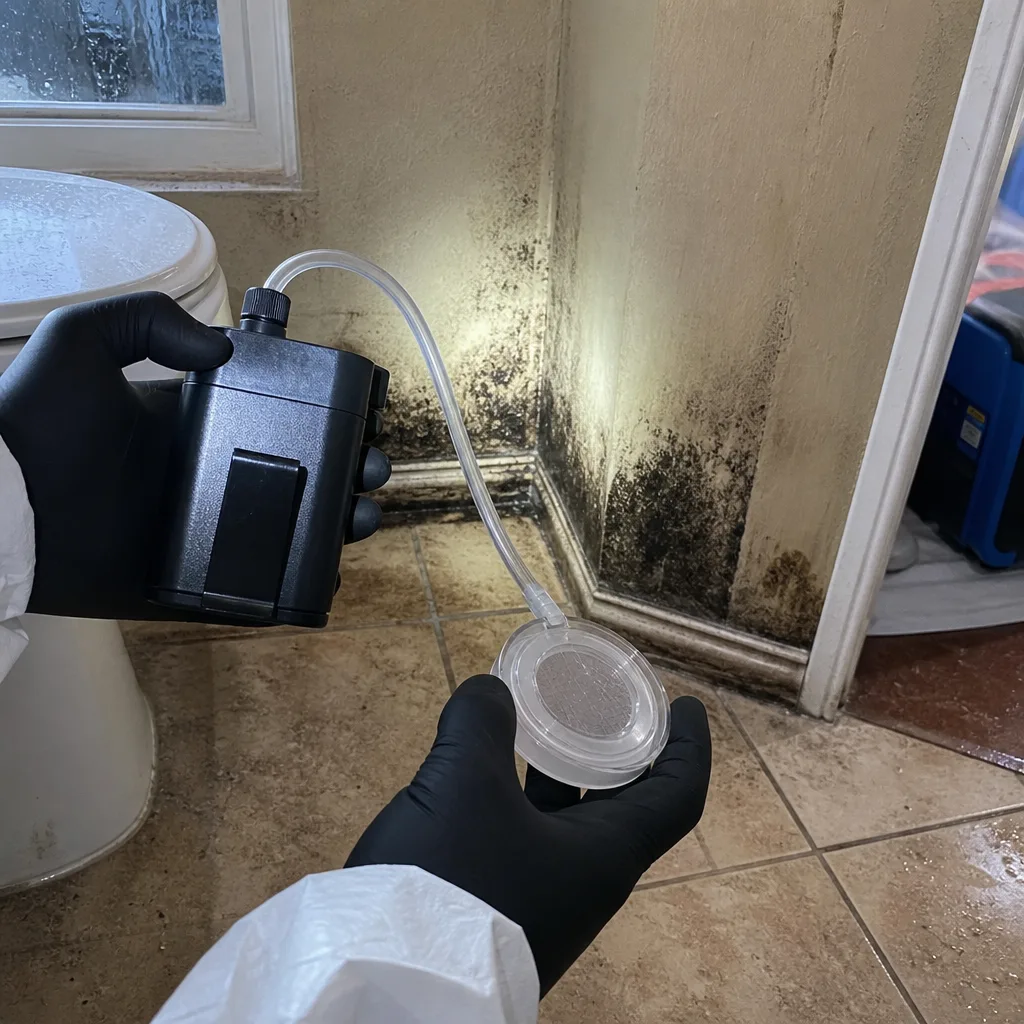
Brea’s 1950s and 1960s tract homes in 92821 often still run on original galvanized pipe. The city’s moderately hard water has been working on that pipe for five or six decades. When it finally lets go, the damage is usually inside a wall or under a slab. We restore what the water ruined, and we document the cause clearly so your insurance claim moves without a fight.
What happens when you call
- 1
A real person answersNo phone trees - you reach a local pro.
- 2
You get an upfront price rangeHonest numbers before anyone is dispatched.
- 3
A background-checked tech heads outLicensed & insured, dispatched right away.
- 4
You approve before work beginsNothing starts until you say go.
Trusted Brands We Service in Brea
We work on homes plumbed and built with every major brand found in Brea, from the copper systems in mid-century tract housing to the newer PEX runs in Olinda Ranch. That’s not a nameplate list, it’s how we stock our trucks. We carry common fittings, valves, and connectors for the brands we see most in Brea so we aren’t leaving your job mid-extraction to hunt for a part. Injectidry drying systems are on the truck for hard-to-reach wall and under-cabinet cavities, and our IICRC-certified techs know which approach fits which construction type.
Common Water Damage Restoration Problems We See in Brea Homes
- Corroded galvanized supply lines in 92821 tract homes. Sixty years of moderately hard water eats through the pipe walls from the inside, and the failure is sudden. Water under slab or inside a wall goes unnoticed until it surfaces somewhere it shouldn’t.
- Santa Ana wind-driven rain through Carbon Canyon. The Puente Hills funnel wind hard through that corridor, and rain gets driven sideways into roof penetrations that would stay dry in Fullerton or Placentia. Ceiling failure follows, and the water has usually been traveling behind stucco for days.
- Hydrocarbon-impacted soil in 92823. Brea sits atop the active Brea-Olinda Oil Field. Any water damage restoration that involves excavation or foundation access in the hillside and canyon areas must screen for hydrocarbon-impacted soils and mapped oil-field infrastructure first. This is a permitting and safety check our flatland neighbors never face, and skipping it delays the permit and can expose a crew to soil gas hazards.
- Post-fire mud and ash intrusion in Olinda Village. After a dry fire year, winter rain moves ash and debris down Carbon Canyon drainages. That water isn’t just wet, it’s loaded with sediment and fire residue, and it requires different cleaning and drying protocols than a clean plumbing leak. CalFire’s VHFHZ rebuild requirements layer on top of Orange County’s hillside grading ordinances, and structural drying standards go up accordingly.
Pricing for Water Damage Restoration in Brea, CA
Here’s what Brea homeowners can expect to pay, based on the jobs we’ve done across the city:
| Service | Typical Brea Range |
|---|---|
| Emergency water extraction (single room) | $850-$1,600 |
| Structural drying & dehumidification (3-5 days) | $1,400-$3,200 |
| Flood cleanup (mud/ash-involved, Carbon Canyon area) | $2,200-$5,500 |
| Burst pipe restoration (wall or ceiling damage) | $1,800-$4,800 |
A slab leak in a 1960s 92821 home that requires jackhammering and foundation access will land higher, especially if the excavation hits hydrocarbon-impacted soil and requires AQMD notification. We give you a written scope before work starts, with direct insurance billing, so the number you agree to is the number you pay. Estimates are free. Call (888) 737-2439.
We Also Serve Cities Near Brea
If you’re in Placentia, Rowland Heights, Fullerton, or Yorba Linda, our crews serve those neighborhoods too. Dispatch and scheduling for Brea are coordinated from our Los Angeles office, with local crews positioned for fast response across northern Orange County.
Serving Brea, CA - Our Local Coverage Area
We’re based in the Brea area and know this community well. Use the map below to see our service coverage - if you’re nearby, we can almost certainly help.
FAQs - Water Damage Restoration in Brea
Yes. Homes in the Carbon Canyon and Olinda Ranch areas of 92823 can require CalFire VHFHZ rebuild review, Orange County hillside grading review, and an oil-field infrastructure check if any excavation is involved. We handle that screening before we dig, so the permit doesn’t stall your drying. Call (888) 737-2439 and we’ll tell you during the estimate whether your job triggers any of it.
It usually doesn’t. The flatland tract homes in 92821 sit on the field’s mapped extent, but groundwater there is typically clean, and slab work below grade rarely intersects contaminated soil. We still check the mapped oil-field boundaries on every Brea job before we cut into a slab. If the maps show a well or pipeline nearby, we test. If they don’t, we proceed with standard structural drying.
Yes. Post-fire, the drainages through Carbon Canyon carry ash, soot, and mud into homes, and that water contaminates drywall, insulation, and framing differently than a clean plumbing leak. The drying standard is higher because the water carried fire residue, and Orange County’s hillside rules may require more invasive opening of walls to prove the structure is dry. This is a known, repeating cycle in the canyon zone.
Yes, by a wide margin. The original galvanized and early copper supply lines in Brea’s mid-century tract housing have been corroding for five or six decades in the city’s moderately hard water. Olinda Ranch homes, built in the 1990s and 2000s, mostly have newer plumbing that hasn’t reached failure age. When we get a burst-pipe call in Brea, it’s almost always a 92821 home.
Call us, then shut off the water at the main if you can do so safely, and do not move soaked debris or dig anywhere near a retaining wall. Puente Hills clay moves when it gets wet, and any excavation near a retaining wall or drainage structure on those slopes can trigger foundation creep or a slope failure. Our crew will assess the soil and the drainage before we do anything else.
Written by Curt Bowman, Owner at Floodline Restoration Co. of California, serving Brea since 2010.