
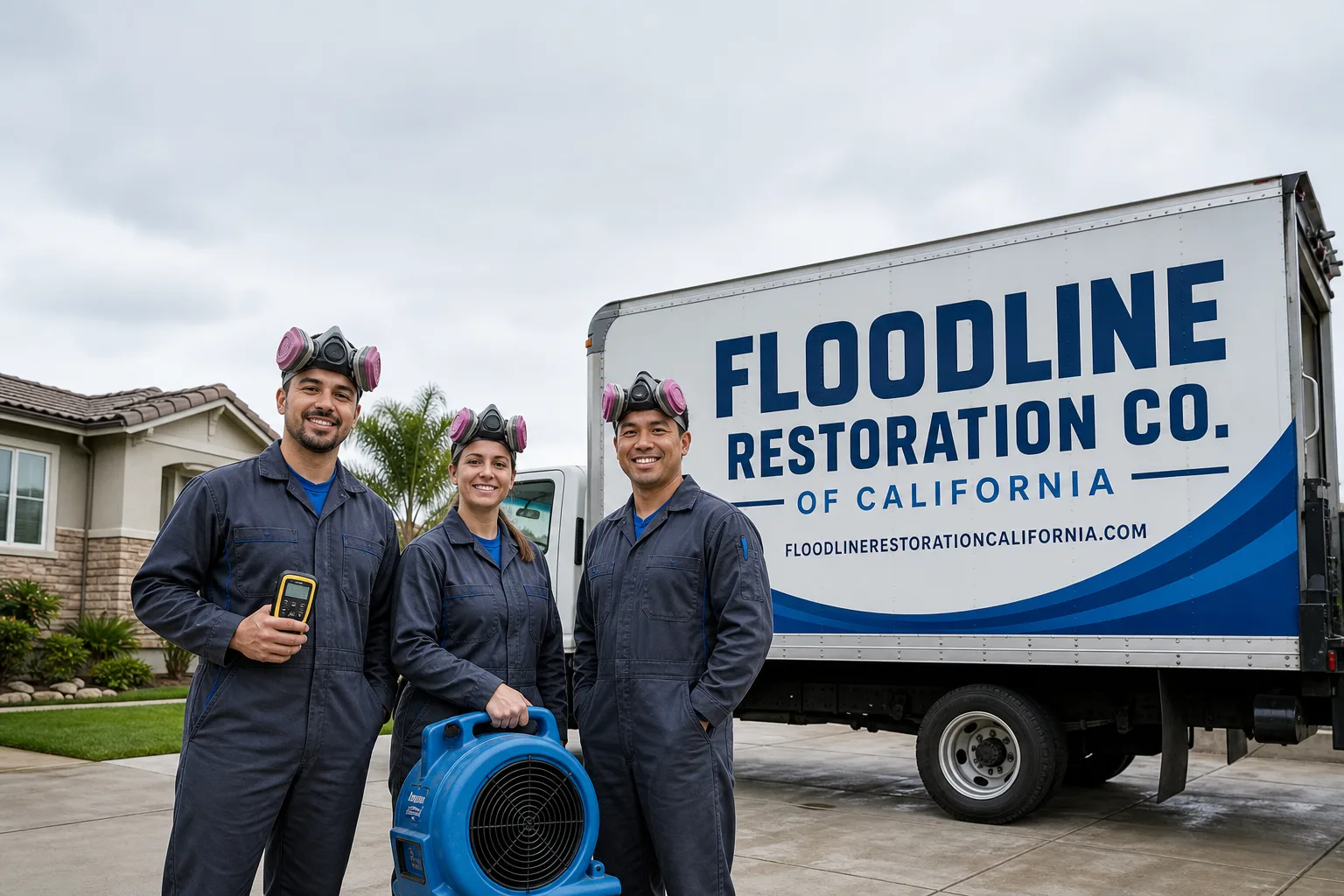
Fast, Reliable Storm & Disaster Restoration Across San Dimas
When a storm hits San Dimas, the damage rarely looks like a typical flood. Our crews know this because they work the foothill streets north of Arrow Highway every season. If debris-laden runoff has pooled against your slab foundation or mud has pushed through your garage door, call (888) 737-2439 right now. A live dispatcher answers, and we’ll have a certified crew on the way with extraction equipment on the same visit. That’s how Storm & Disaster Restoration should work: fast, specific to this canyon, and finished by the same team that started it.
Why Floodline Restoration Co. of California Is San Dimas’s Preferred Storm & Disaster Restoration Company
We answer the phone with a person, not a recording, at any hour. San Dimas homeowners tell us that matters most when the San Dimas Wash jumps its banks at two in the morning. Our technicians are background-checked, uniformed, and trained to IICRC, RIA, and IFA standards, so the crew that walks through your front door is one you can trust with a 1962 ranch-style home and everything in it. We don’t hand the job off to a subcontractor after extraction. The same certified crew reads the moisture map on day one, takes daily readings, and handles the rebuild if you need it. Curt Bowman founded this company in 2010 around a dispatch board, not a sales desk, and every job is backed by the 90-Day Done Right Promise, in writing.
When you live in San Dimas, you aren’t calling a restoration company that has to look up where San Dimas Canyon Road is. We already know. We know that mud from a post-fire debris flow tests differently than clean water intrusion, and we know the difference means hazmat protocols and a longer drying plan. Our San Dimas customers have relied on that local knowledge for years. We’ll be there when we say, and the line the water left is where we start.
Our Storm & Disaster Restoration Services in San Dimas
Here’s how we handle storm damage in San Dimas, from the first call to the final nail.
Storm Damage Cleanup
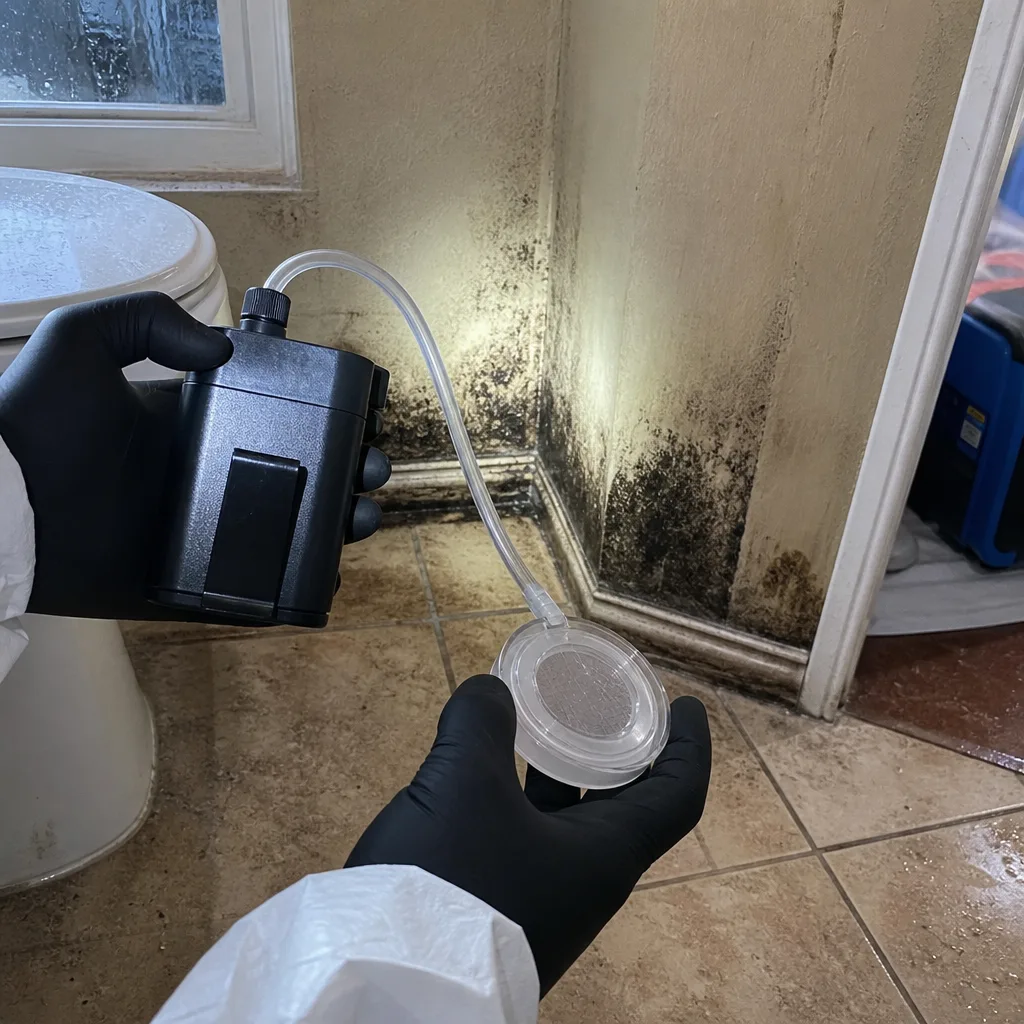
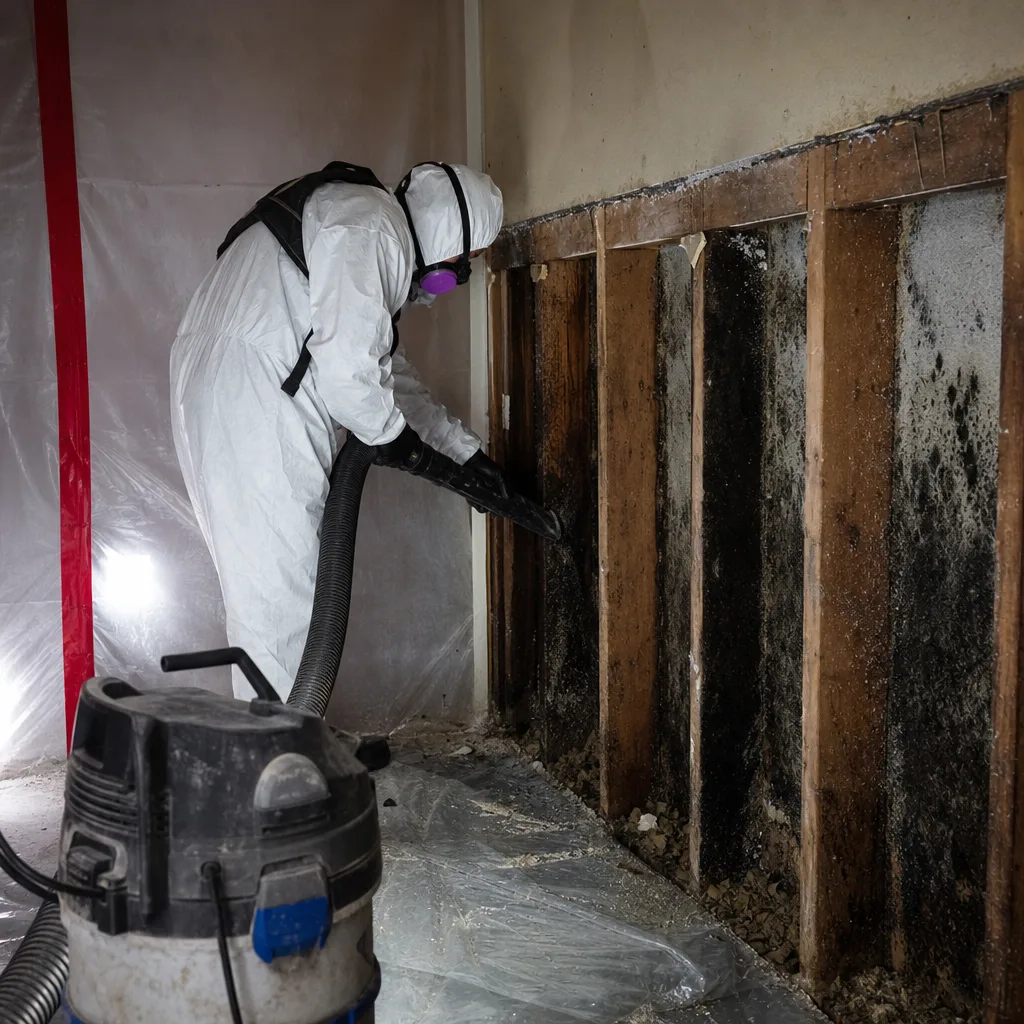
A storm in the San Gabriel Mountains doesn’t always bring clean rainwater to San Dimas. It can bring ash, mud, charred sediment, and whatever the runoff picked up on its way down the canyon. Our storm damage cleanup crews start by testing what came in, because debris-flow mud from burned slopes carries heavy metals and fire retardant residue. That’s a Category 3 black water job, and we treat it like one: full PPE, contaminated material removal, and structural drying that goes below the surface. In neighborhoods near San Dimas Canyon Road, we expect this, not just prepare for it.
Flood Damage Restoration
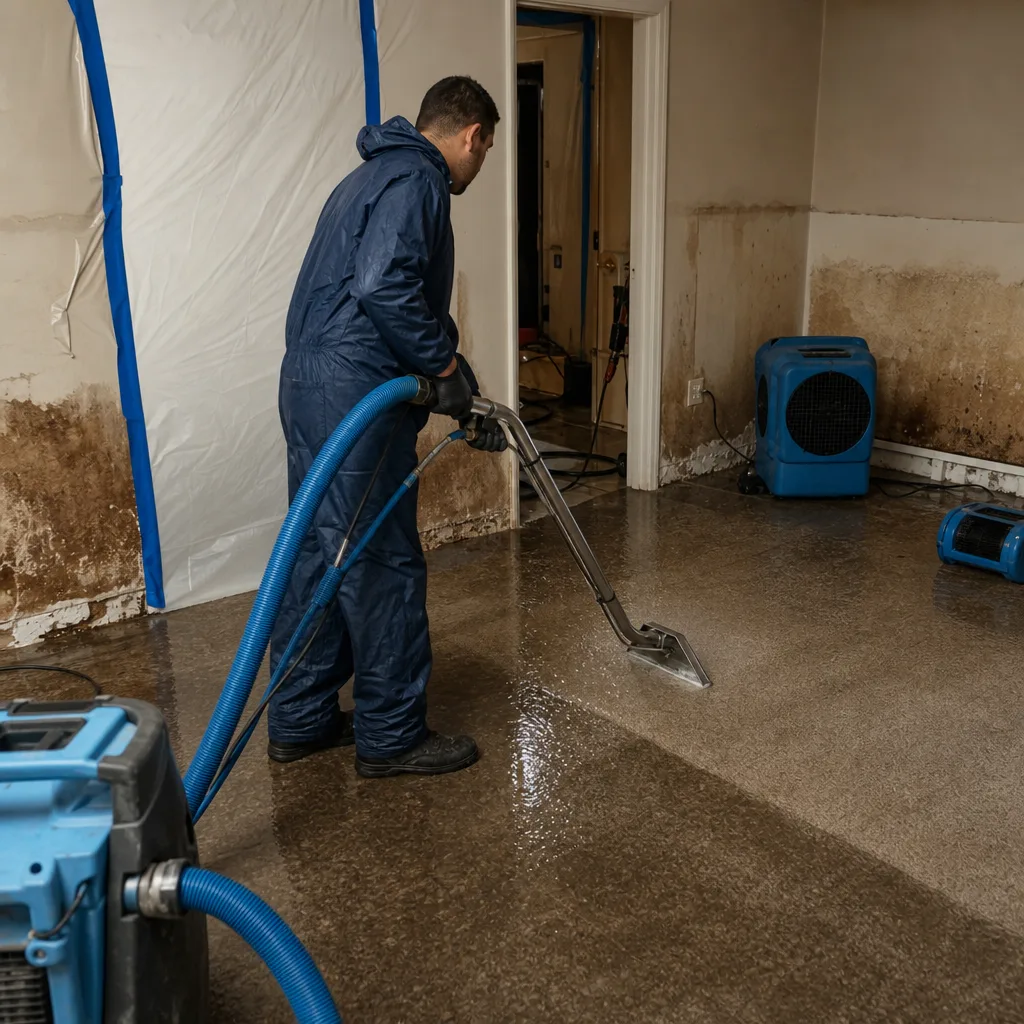
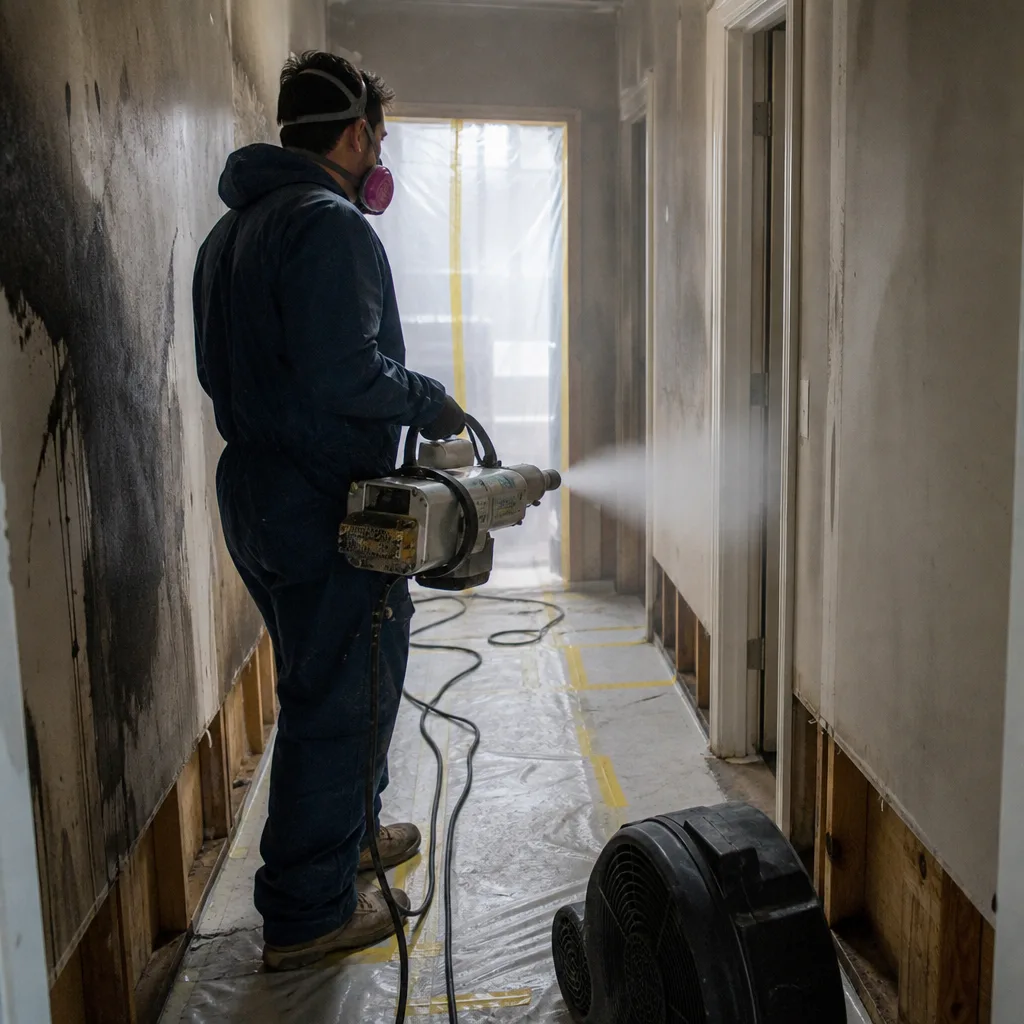
Flooding in San Dimas typically comes from two places: overland flow off the alluvial fan and pipe failures inside older homes. Both end in the same mess, but the restoration path is different. For overland flow, we excavate silt and debris first, then dry the slab and walls with Dri-Eaz dehumidifiers and Phoenix air movers. For pipe failures, especially in 1950s to 1970s homes with original galvanized supply lines, we isolate the source before drying so the problem doesn’t repeat in a week. Daily moisture readings get logged and shared with your insurance carrier, so there’s no argument about when the job is done.
Emergency Board-Up
If wind or floodwater has compromised a window, door, or wall, we board it up the same day. A hole in the envelope of a San Dimas home invites more than critters; it lets Santa Ana winds drive dust and ash into a structure that’s already wet. Our board-up crews secure the opening with professional materials and document the loss with photos for your adjuster. We don’t do temporary fixes that need a second visit to correct.
Debris Removal
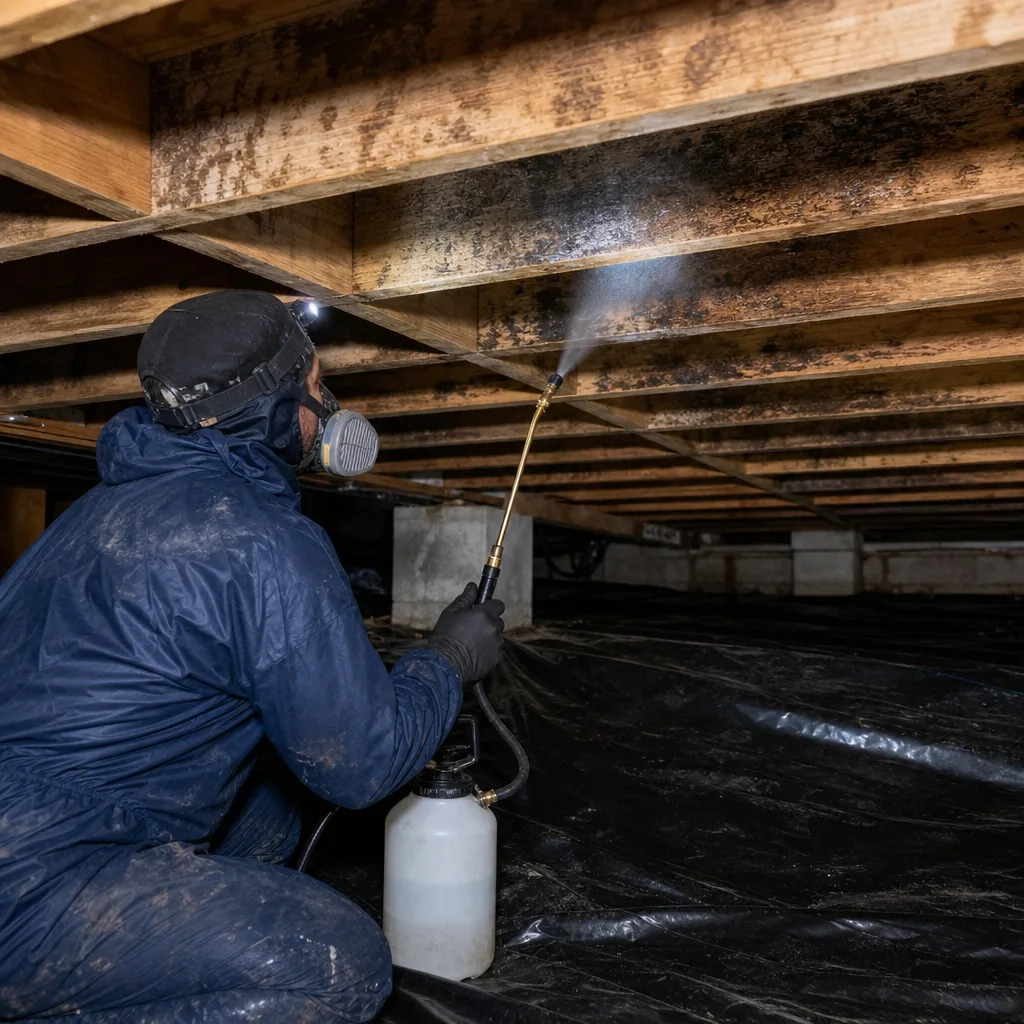
Post-fire debris flows don’t stop at the waterline. They leave mud, branches, rocks, and silt piled against foundations, garage doors, and crawlspace vents. We remove the debris, then test what remains for contamination before drying begins. In San Dimas, the debris itself is often the contamination source, and skipping that test means leaving heavy metals in the slab and walls. We don’t skip it.
Roof Tarping
When a storm tears shingles off a 1960s ranch house or a limb punctures a flat section over the carport, we tarp it before the next atmospheric river arrives. Our crews use commercial-grade materials and tie-downs rated for Santa Ana wind gusts. Roof tarping in San Dimas is about buying time without inviting a bigger problem: a tarp that fails sends water behind the stucco and into the slab, and that’s a much larger restoration than a few shingles.
What happens when you call
- 1
A real person answersNo phone trees - you reach a local pro.
- 2
You get an upfront price rangeHonest numbers before anyone is dispatched.
- 3
A background-checked tech heads outLicensed & insured, dispatched right away.
- 4
You approve before work beginsNothing starts until you say go.
Storm Damage Cleanup, Flood Damage Restoration, Debris Removal: What We Emphasize in San Dimas
Every storm restoration company does water extraction. Very few do it well in a city built on the San Dimas Wash’s alluvial fan. Here’s what that means in practice, based on the homes we actually see.
The bulk of San Dimas’s residential stock was built between the 1950s and 1970s. These are slab-on-grade ranch and tract homes with original stucco exteriors. The slab sits directly on the alluvial soil, which means when debris-laden water pools against the foundation, the ground holds moisture against the concrete for weeks. If we only dry the visible wall cavities and don’t address the slab, you’ll have mold behind the baseboards and cracked stucco within a season. That’s why our drying plans for San Dimas homes always include below-slab monitoring, even when the owner thinks the water never got far. The slab is the floor, and water travels under it.
Another pattern we see regularly: original galvanized supply lines. San Dimas has notoriously hard water, and the minerals corrode galvanized pipe from the inside out. A storm surge in the municipal system or a pressure spike from a debris-flow impact can finish off a weakened section, flooding the house from the inside. A homeowner assumes the water came from the storm. We find the burst galvanized nipple behind the water heater or under the kitchen sink. That’s why every post-storm flood job in San Dimas includes a supply-line inspection. It’s not an upsell. It’s the difference between drying the house and repeating the flood next month.
And then there’s the mud itself. Post-burn debris flows carry more than silt. The soil above San Dimas Canyon contains naturally occurring heavy metals, and fire retardant dropped on the slopes during wildfire season adds its own chemistry. When that mud enters a home, it’s not inert. It’s a contamination event. We test, we document, and we remediate per IICRC protocols. A customer once told us another company quoted a simple water extraction for a debris flow on San Dimas Canyon Road. That’s not a smaller bill. That’s a skipped hazmat procedure, and the homeowner pays for it later in the walls.
Trusted Brands We Service in San Dimas
We work on all makes and models of doors, openers, and restoration equipment found in San Dimas homes, from the original one-piece doors common on 1950s tract houses to modern sectional systems in newer developments near Charter Oak. Because we serve the San Gabriel Valley foothills, we keep Dri-Eaz and Phoenix drying equipment calibrated and ready, and our techs are certified to IICRC standards for structural drying and contamination work. When a San Dimas homeowner calls with an opener failure after a power surge or a track bent by storm debris, we diagnose it quickly and stock the parts for a same-week repair. No waiting on a distributor three states away.
Common Storm & Disaster Restoration Problems We See in San Dimas Homes
- Debris-flow intrusion treated as clean water. This is the most expensive mistake in San Dimas. If the water came off burned mountain slopes, it carries heavy metals and fire retardant residue. Skipping the hazmat test means contaminated mud stays in the slab and walls, and mold or chemical exposure follows. We test first, every time.
- Original galvanized supply lines failing after a storm surge. Hard water in the San Gabriel Valley corrodes galvanized pipe from the inside. A pressure spike during a storm can split a weakened section and flood the house from inside. We inspect supply lines on every post-storm flood job in San Dimas.
- Slab-on-grade moisture wicking upward undetected. The alluvial soil under San Dimas holds water against the concrete slab for weeks. Surface drying misses what’s happening underneath. Our crews monitor below-slab moisture until the dry standard is met, not just until the carpet feels dry.
- Ash and sediment in crawlspace vents and sill plates. Older San Dimas homes often have vented crawlspaces with original wood sill plates. Wind-driven ash and debris-flow sediment get forced into these spaces and sit against the framing. That’s a rot and mold trigger we address during every foothill storm cleanup, even when the living space looks dry.
Pricing for Storm & Disaster Restoration in San Dimas, CA
Storm and disaster restoration in San Dimas runs higher than a standard inland-valley water job, and the reason is specific to this canyon: debris-flow contamination. A straightforward water extraction and drying for a clean-water pipe break might run $2,500 to $6,000 depending on square footage. But when mountain runoff carries mud and ash into the home, hazmat testing, contaminated material removal, and deeper structural drying typically push the job to $8,000 to $25,000 or more. Roof tarping for a wind-damaged section runs $400 to $1,200. Emergency board-up runs $300 to $900. Debris removal runs $1,500 to $5,000 depending on volume and contamination level.
What drives the San Dimas price difference is the testing, the PPE, and the below-slab drying that generic water jobs skip. A cheap quote on a debris-flow claim almost always means the contractor is treating Category 3 water as Category 1. That’s not a savings. That’s a lingering liability. We give a written scope before work starts, bill your carrier directly, and stand behind the result with the 90-Day Done Right Promise. Call (888) 737-2439 for a free estimate.
We Also Serve Cities Near San Dimas
Our storm and disaster restoration crews work throughout the eastern San Gabriel Valley foothills. In addition to San Dimas, we regularly serve Charter Oak, La Verne, Pomona, and Glendora. If you live near the San Dimas Wash corridor or in the neighborhoods north of the 210, we’re already familiar with the terrain and the housing stock. Call (888) 737-2439 and a live dispatcher will route the nearest certified crew to your home.
Serving San Dimas, CA - Our Local Coverage Area
We’re based in the San Dimas area and know this community well. Use the map below to see our service coverage - if you’re nearby, we can almost certainly help.
FAQs - Storm & Disaster Restoration in San Dimas
You won’t know by looking, and that’s exactly why we test. If the mud came from a debris flow off burned mountain slopes above San Dimas Canyon, it likely contains heavy metals and fire retardant residue. The only way to confirm is laboratory testing of sediment samples. We collect samples during our initial assessment and have them analyzed before we finalize the remediation plan. If the test comes back positive, we follow IICRC protocols for hazmat handling, which includes specialized PPE, contained material removal, and documentation for your insurance claim. Call (888) 737-2439 if you suspect debris-flow contamination; don’t touch or track the mud through the house.
First, get yourself and your family to safe ground; do not walk or drive through moving debris water. Once you’re safe, call us at (888) 737-2439. Do not try to hose mud out of a garage or crawlspace, because that spreads contaminated material and drives moisture deeper into the slab and walls. Turn off power if water is near outlets or panels, but otherwise leave the intrusion alone until a certified crew arrives. We’ll document the damage for your adjuster, test the sediment, and start extraction the same visit.
Because the concrete slab sits directly on the alluvial fan soil, which holds water against the slab for weeks after a storm. Surface drying, the kind that gets carpets and drywall dry, misses the moisture trapped under the slab. That moisture wicks upward into flooring, baseboards, and stucco over time, causing mold and efflorescence. Our crews use penetrating moisture meters and below-slab probes to monitor conditions until the dry standard is met, which is a longer process in San Dimas than in cities with raised foundations or crawlspaces.
Yes. Galvanized supply lines from the 1950s through 1970s corrode from the inside due to hard water mineral buildup, and a storm surge or pressure spike can split a weakened section. The flood that follows looks like storm damage, but the source is internal pipe failure. On every post-storm flood job in a San Dimas home of that era, we inspect the supply lines. If the pipe failed, the restoration includes plumbing repair and drying, and the insurance claim may be handled differently than a pure storm event. We document the source and coordinate with your adjuster.
Mold can begin growing within 24 to 48 hours of a single water event, especially when the water is debris-laden and carries organic material. In San Dimas, the combination of wet mud, ash, and the San Gabriel Valley’s warm conditions can accelerate mold growth in wall cavities and under slab foundations. A single debris-flow intrusion into a slab-on-grade home is enough to create a mold problem if the drying isn’t thorough. That’s why our drying plans include daily moisture readings and a written dry standard, documented for you and your adjuster. Call (888) 737-2439 if you’ve had water in the house, even if it looks dry now.
Written by Curt Bowman, Owner at Floodline Restoration Co. of California. We serve San Dimas, CA with certified technicians and a written guarantee on every storm and disaster restoration job.
If a storm or debris flow has damaged your San Dimas home, call (888) 737-2439 now. A live person answers, and a certified crew heads your way. Free estimates, direct insurance billing, and the 90-Day Done Right Promise in writing. Done right, and backed in writing.