
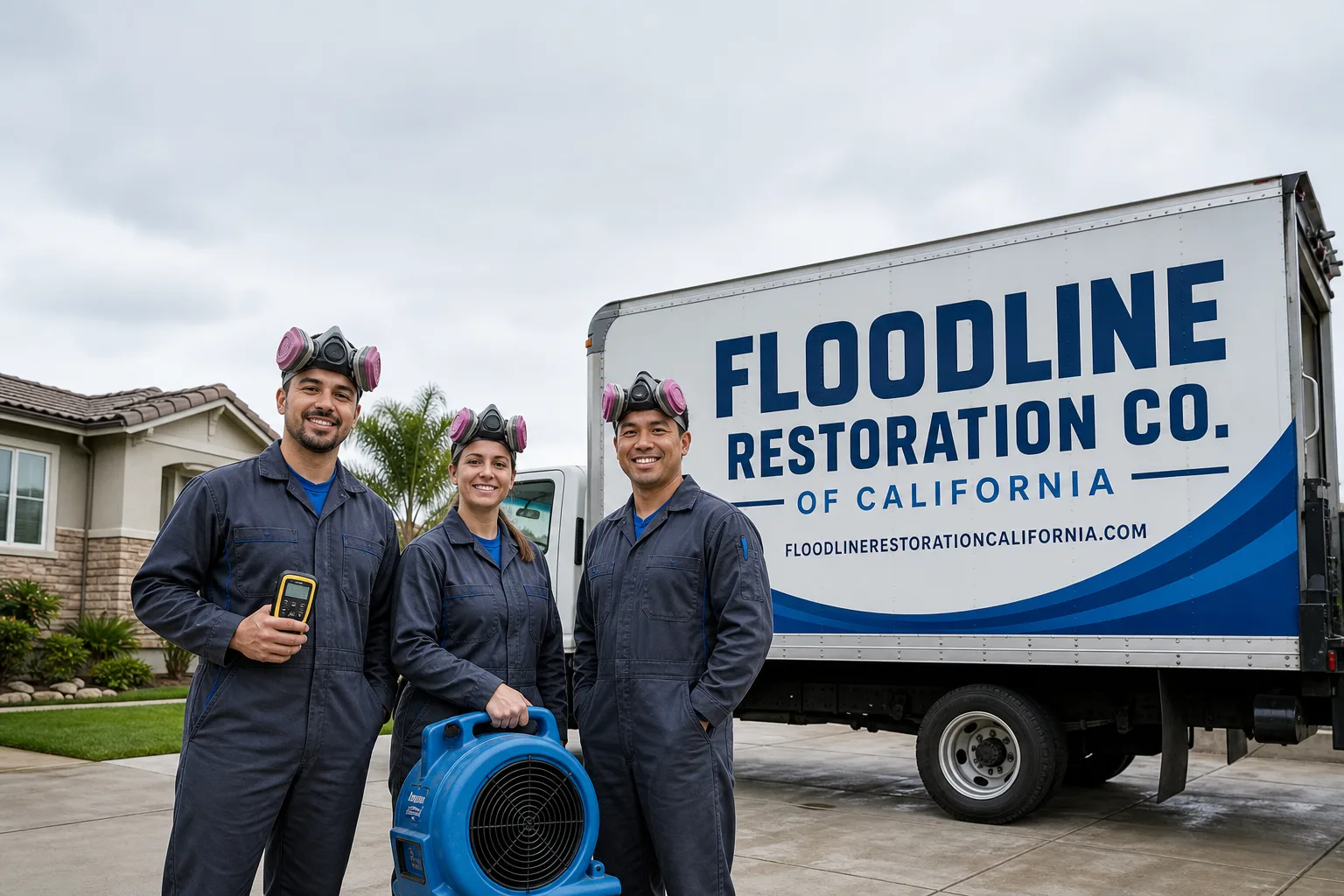
Fast, Reliable Storm & Disaster Restoration Across Los Angeles
Storm damage in Los Angeles doesn’t announce itself politely. It arrives in January, when the first atmospheric river slams into a city that hasn’t seen real rain in eight months. Suddenly, flat roofs that held all summer are pouring water through ceilings in Koreatown, Echo Park, and South LA. If you’re standing in a flooded living room right now, call (888) 737-2439 and a live dispatcher will answer, day or night. Our crews know Los Angeles building stock: the 1920s bungalows with original plaster walls, the 1940s courtyard apartments with clogged roof drains, the parapet cracks left behind by every earthquake since the ’94 Northridge event. We start every assessment at the real source of the water, not the stain on your ceiling.
Key Takeaways
- Emergency response to Los Angeles neighborhoods typically ranges from 45 to 90 minutes for storm damage calls, depending on your ZIP and road conditions.
- Emergency board-up and roof tarping in Los Angeles generally runs $350-$900, with full storm damage cleanup starting around $1,200.
- The 90-Day Done Right Promise means if the work isn’t done right, we make it right. In writing. No arguing.
- We bill your insurance carrier directly, so you’re never playing messenger between us and the adjuster.
- Call (888) 737-2439 for a free estimate. A live person picks up at 2 a.m., not a recording.
Why Floodline Restoration Co. of California Is Los Angeles’s Preferred Storm & Disaster Restoration Company
Los Angeles has no shortage of contractors who show up after a storm, tarp a roof, and disappear. That’s not us. Curt Bowman founded Floodline Restoration Co. in 2010 around a dispatch board, not a sales desk. Every job we take in Los Angeles gets the same treatment: background-checked, uniformed technicians certified to IICRC, RIA, and IFA standards, a written scope of work before anything starts, and a moisture log you can hand to your insurance adjuster. We’ve spent more than 42 years in local communities, and we plan to be here in thirty more. That changes how we work. We hire local, train apprentices into journeymen, and answer the phone with a person.
Homeowners across Los Angeles call us because they remember being burned once by a contractor who overpromised. They want a square deal and a name they can hold accountable. That’s what we offer. We’re not the cheapest bid in Los Angeles, and we won’t pretend to be. We’re the crew that shows up when we say, documents everything, and stands behind the work in writing.
Our Storm & Disaster Restoration Services in Los Angeles
Our Storm & Disaster Restoration team handles the full sequence: securing the structure, extracting water, drying to standard, and rebuilding what needs rebuilding. In Los Angeles, the order of operations matters more than in drier markets, because post-storm temperatures rarely dip below 60°F. Mold can establish visibly within 48 to 72 hours. That compresses every timeline. Here’s how we approach the work.
Emergency Board-Up
When wind rips a branch through a window in Silver Lake or a sliding glass door shatters during a Santa Ana event, the first job is securing the opening. In Los Angeles, that often means boarding up against both storm debris and the very real risk of opportunistic break-ins on a damaged property. We arrive with plywood, fasteners, and the tools to seal the opening properly, then get to work on the water inside. Most board-up jobs in Los Angeles are completed in a single visit. The same crew that boards the window is the crew that extracts the water and dries the walls.
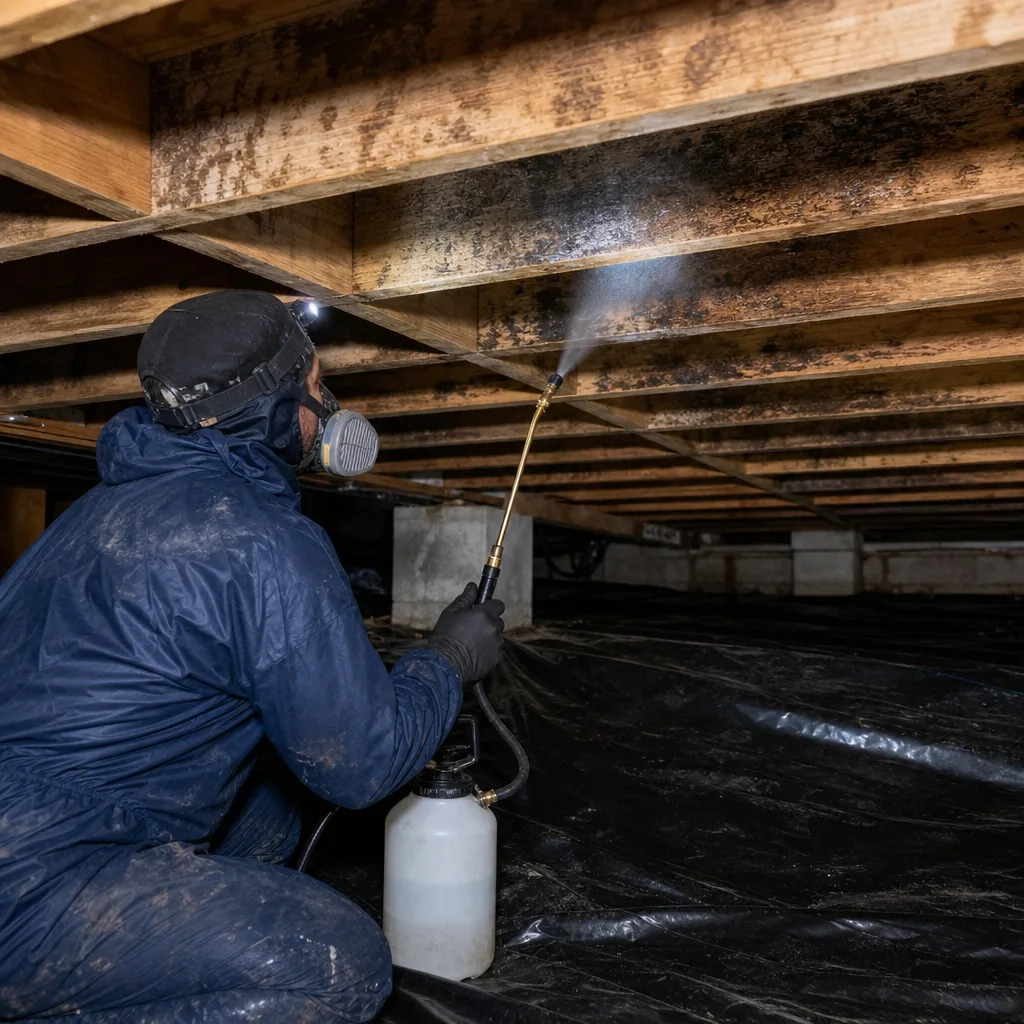
Roof Tarping
Flat-roofed 1940s and 1950s courtyard apartment buildings dominate Koreatown, Pico-Union, and Harvard Heights. These roofs pool water at interior drains clogged with years of sycamore leaf litter and construction debris. A single storm sends water through multiple units at once. That’s why our Los Angeles crews start every roof assessment at the drain, not the water stain. We tarp the failed section, clear the drains, and log daily moisture readings until the dry standard is met. The tarp is a temporary fix. The drying plan is what protects you from secondary damage.
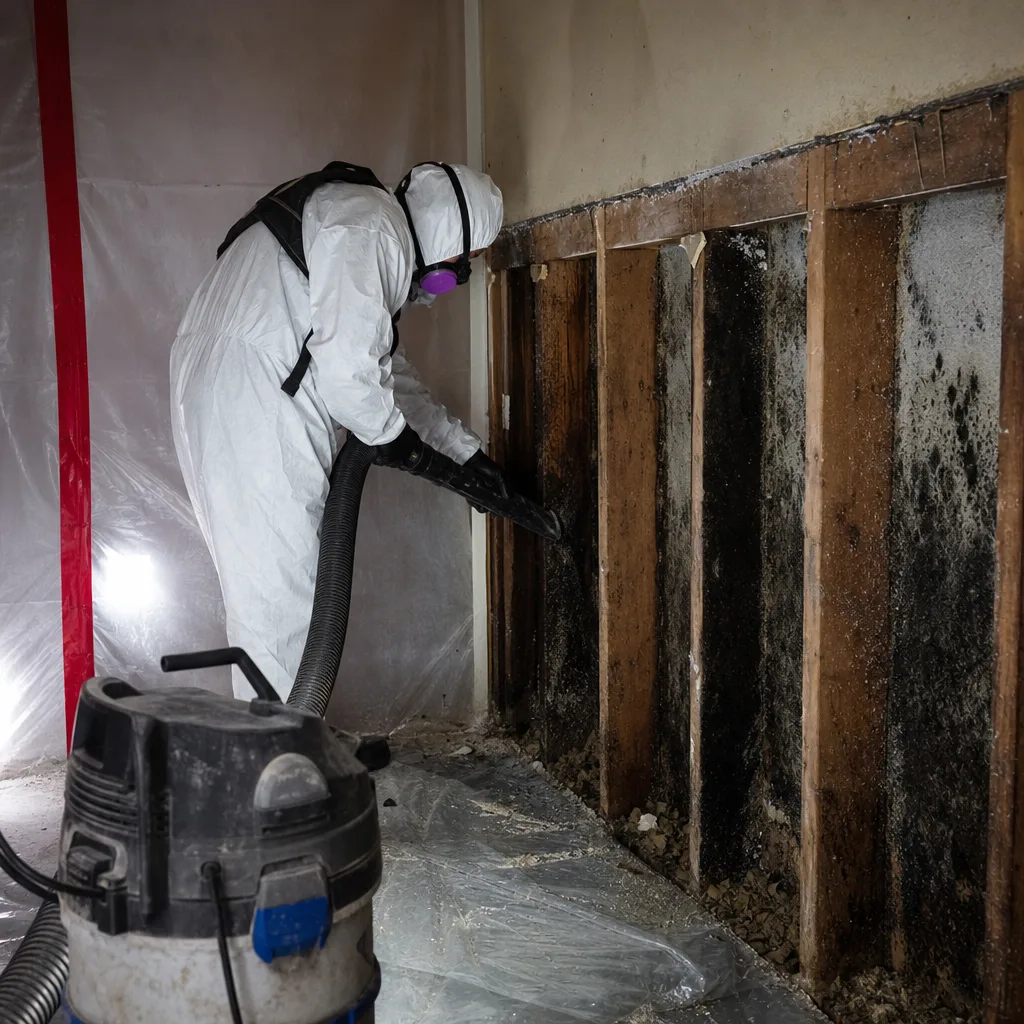
Storm Damage Cleanup
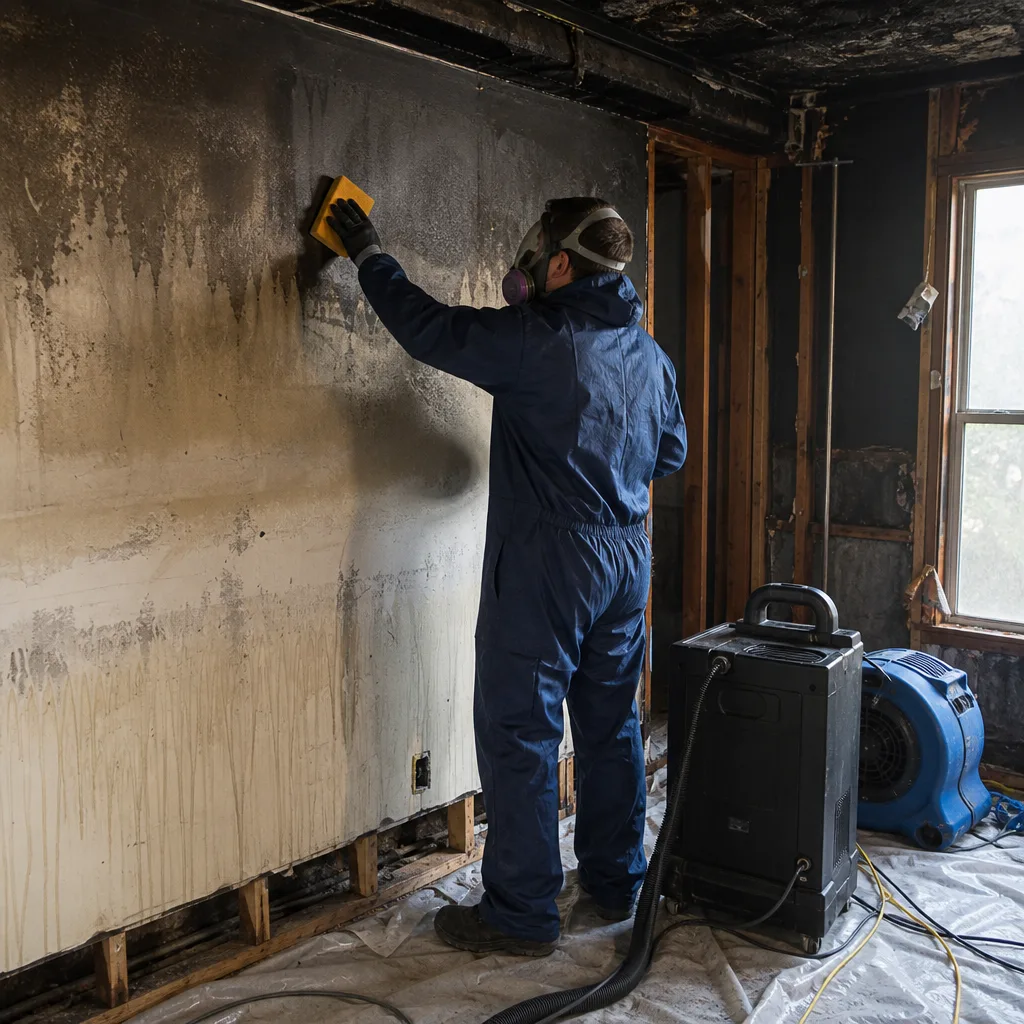
In Los Angeles, storm damage cleanup begins with clearing what the storm left behind: sycamore leaves, broken tile, fallen stucco, saturated drywall. Then we map the moisture. Using Dri-Eaz and Phoenix extraction and drying equipment, we read every affected surface with moisture meters and log the numbers daily. That log goes to you and your carrier. No guesswork. When the numbers say dry, we stop. When they don’t, we keep drying. The extended dry season in Los Angeles bakes roofing sealants and caulk brittle, so when the first major storm arrives, buildings that leaked zero drops all summer fail catastrophically in a single 48-hour event. Our crews are ready for that surge every January and February.
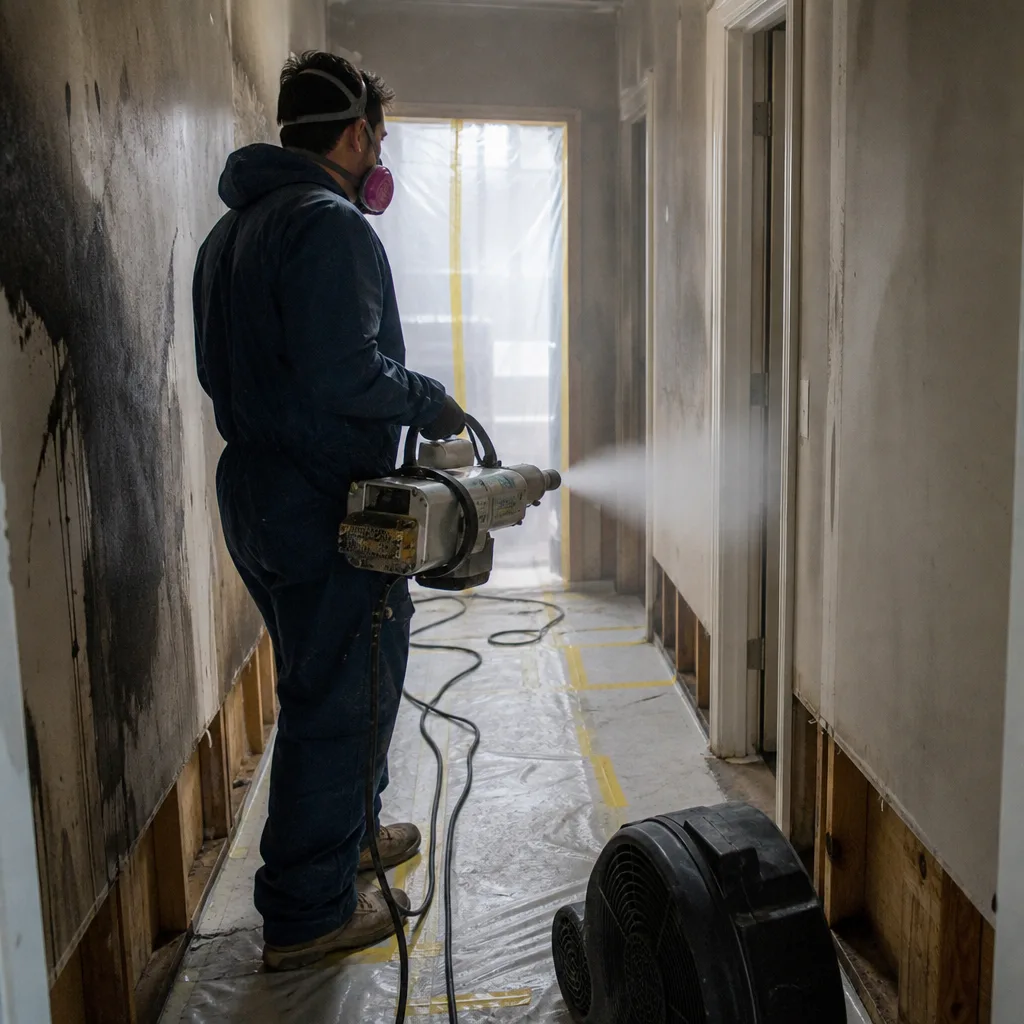
Wind Damage Repair
Santa Ana winds push 50 to 70 mph gusts through the canyons and flatten fencing, tear roofing membranes, and drive rain horizontally into wall cavities. In Los Angeles neighborhoods like View Park-Windsor Hills, wind-driven rain enters through parapet cracks and around window flashing, bypassing the roof entirely. We find those entry points, repair the flashing, and dry the wall cavity from the inside. We don’t just patch what you can see.
What happens when you call
- 1
A real person answersNo phone trees - you reach a local pro.
- 2
You get an upfront price rangeHonest numbers before anyone is dispatched.
- 3
A background-checked tech heads outLicensed & insured, dispatched right away.
- 4
You approve before work beginsNothing starts until you say go.
Trusted Brands We Service in Los Angeles
Floodline Restoration Co. of California is certified to IICRC, RIA, and IFA standards, and we service equipment from every major manufacturer. Our crews run Dri-Eaz and Phoenix extraction systems, B-Air air movers, XPOWER fans, and Injectidry drying mats on Los Angeles jobs. What does that mean for you? Faster drying. Fewer visits. A moisture map that your insurance adjuster can read without a translator. Most jobs in Los Angeles are completed in a single visit, because the equipment is professional-grade and the crew knows how to deploy it. We keep the same equipment on our trucks for the next Los Angeles call.
Common Storm & Disaster Restoration Problems We See in Los Angeles Homes
- Clogged flat-roof drains flooding multiple units at once. The sycamore leaves and construction debris that pile up on Koreatown and Harvard Heights courtyard roofs through the dry season turn the first heavy rain into an emergency. Water backs up at the interior drain and pours through ceilings of four units inside 20 minutes. Start at the roof drain, not the ceiling stain.
- Unreinforced masonry parapet cracks from past earthquakes letting wind-driven rain past the flashing. Pico-Union and Koreatown have dense concentrations of URM buildings. Every moderate seismic event opens hairline cracks that sit dormant through the dry season, then soak plaster walls during the first atmospheric river. Mold blooms 72 hours later, and the homeowner never saw the entry point.
- Original clay sewer laterals cracking at the stub-out during saturated soil expansion. The 1920s and 1930s bungalows in ZIP codes 90001 through 90004 frequently still have original clay sewer lines. When stormwater saturates the soil, the ground shifts, the clay cracks at the connection point, and backflow reaches ground-floor units. Many contractors misdiagnose this as a roof leak. We don’t.
- Decades of unpermitted bedroom additions creating hidden roof valleys that pool water. Los Angeles has a long history of unpermitted construction. Those flat-roof conversions and tacked-on additions create valleys no one designed for drainage. They overload interior drains and collapse ceilings during the exact storm that was supposed to only wet the exterior.
Pricing for Storm & Disaster Restoration in Los Angeles, CA
Storm damage restoration in Los Angeles runs on a range because every structure is different. A straightforward emergency board-up on a single window typically costs $350-$550. Roof tarping on a flat courtyard building section runs $500-$900, more if the parapet is damaged. Full storm damage cleanup with water extraction and drying usually starts around $1,200 for a single room and can reach $6,000-$12,000 for multi-unit flooding in older buildings. What pushes Los Angeles prices up? URM buildings requiring city habitability review, original plaster walls that wick water for weeks before showing stains, and clay sewer laterals that need scope work before drying can begin. We give you a written scope before any work starts, so there are no surprises on the bill. Call (888) 737-2439 for a free estimate.
| Service | Typical Los Angeles Price Range |
|---|---|
| Emergency board-up (single opening) | $350-$550 |
| Roof tarping (flat or pitched section) | $500-$900 |
| Storm damage cleanup + extraction (single room) | $1,200-$2,800 |
| Storm damage cleanup + extraction (multi-unit) | $6,000-$12,000+ |
| Wind damage repair (flashing, parapet, siding) | $800-$3,500 |
Done right - and backed in writing. We also honor three standing offers on every Los Angeles job: $50 Off Any Repair Over $250, the $89 Seasonal Tune-Up, and a Senior & Veteran 5% Discount. Always. Just mention it when you call.
We Also Serve Cities Near Los Angeles
Our crews based from our Los Angeles office cover the surrounding communities, including Koreatown, Echo Park, Silver Lake, and View Park-Windsor Hills. If you’re in one of those neighborhoods, you’re still getting the same live dispatch, the same certified technicians, and the same written guarantee. Learn more about Storm & Disaster Restoration in Los Angeles and the neighborhoods we serve.
Serving Los Angeles, CA - Our Local Coverage Area
We’re based in the Los Angeles area and know this community well. Use the map below to see our service coverage - if you’re nearby, we can almost certainly help.
FAQs - Storm & Disaster Restoration in Los Angeles
Koreatown’s 1940s and 1950s courtyard apartment buildings have flat roofs that drain to interior scuppers, not eaves. Those drains clog with sycamore leaves and debris during Los Angeles’s long dry season, so the first heavy rain turns the roof into a basin. Water backs up and pours through ceilings of multiple units at once, while windows stay perfectly dry. Our crews clear the drains first, then tarp the failed membrane and dry each affected unit. Call (888) 737-2439 and we’ll start at the roof drain, not the ceiling stain.
Yes, in most cases. Original plaster-on-lath walls in 1920s and 1930s Los Angeles bungalows wick water behind the surface for weeks before any stain appears. If you wait for visible wetness, mold has already established. We use Injectidry mats and Dri-Eaz blowers to dry plaster cavities from the inside, and we log daily moisture readings until the dry standard is met. The log goes to you and your carrier. Call (888) 737-2439 for a free assessment of your 90001 ZIP property.
It depends on what the debris damaged. Wind-driven sycamore branches often puncture older flat-roof membranes, and if the membrane is already brittle from Los Angeles’s dry season, the puncture has likely spread. We assess the roof membrane, the parapet flashing, and the interior drains before recommending a tarp versus a targeted repair. A full tarp on a Harvard Heights courtyard roof typically runs $500-$900. A repair may cost less, but only if the membrane is still sound. Call (888) 737-2439 for an honest read.
No, not inside the structure. When Los Angeles Department of Building and Safety red-tags an unreinforced masonry building, the habitability review must clear before interior restoration begins. What we can do immediately is secure the exterior: emergency board-up on broken openings, roof tarping to stop water intrusion, and clearing parapet debris that could fall. Once the city clears the building, we move inside for extraction, drying, and rebuild. We coordinate with your adjuster through every phase. Call (888) 737-2439 to get the exterior secured before the next storm.
If the opener is original to a 1960s or 1970s home, it’s past its service life. The failure wasn’t random. In Los Angeles, windstorms push garage doors against their tracks, and an old opener with a seized carriage won’t release pressure properly. A modern opener with a battery backup and auto-reverse costs roughly $400-$700 installed. Repairing a 40-year-old unit is throwing good money after a failure that will repeat. Call (888) 737-2439 and we’ll give you a straight answer on repair versus replacement.
What to Do First in a Los Angeles Storm Emergency
Before you call a plumber, before you call your insurance agent, before you do anything else, do this: secure the structure and stop the water. In Los Angeles, that typically means clearing your flat-roof drains, tarping the failed roof section, or boarding up a broken window. The city’s disaster cycle is predictable: six to eight months of bone-dry conditions, then an atmospheric river that overwhelms aging infrastructure in a single event. Your flat roof, your legacy garage door, your pre-earthquake wall cracks are the real culprits, not your plumbing. We’ll find exactly where the water entered and we’ll fix it right. Start with a call to (888) 737-2439. A live person answers, any hour, any day. We’ll be there when we say.
Written by Curt Bowman, Owner at Floodline Restoration Co. of California, serving Los Angeles since 2010.