
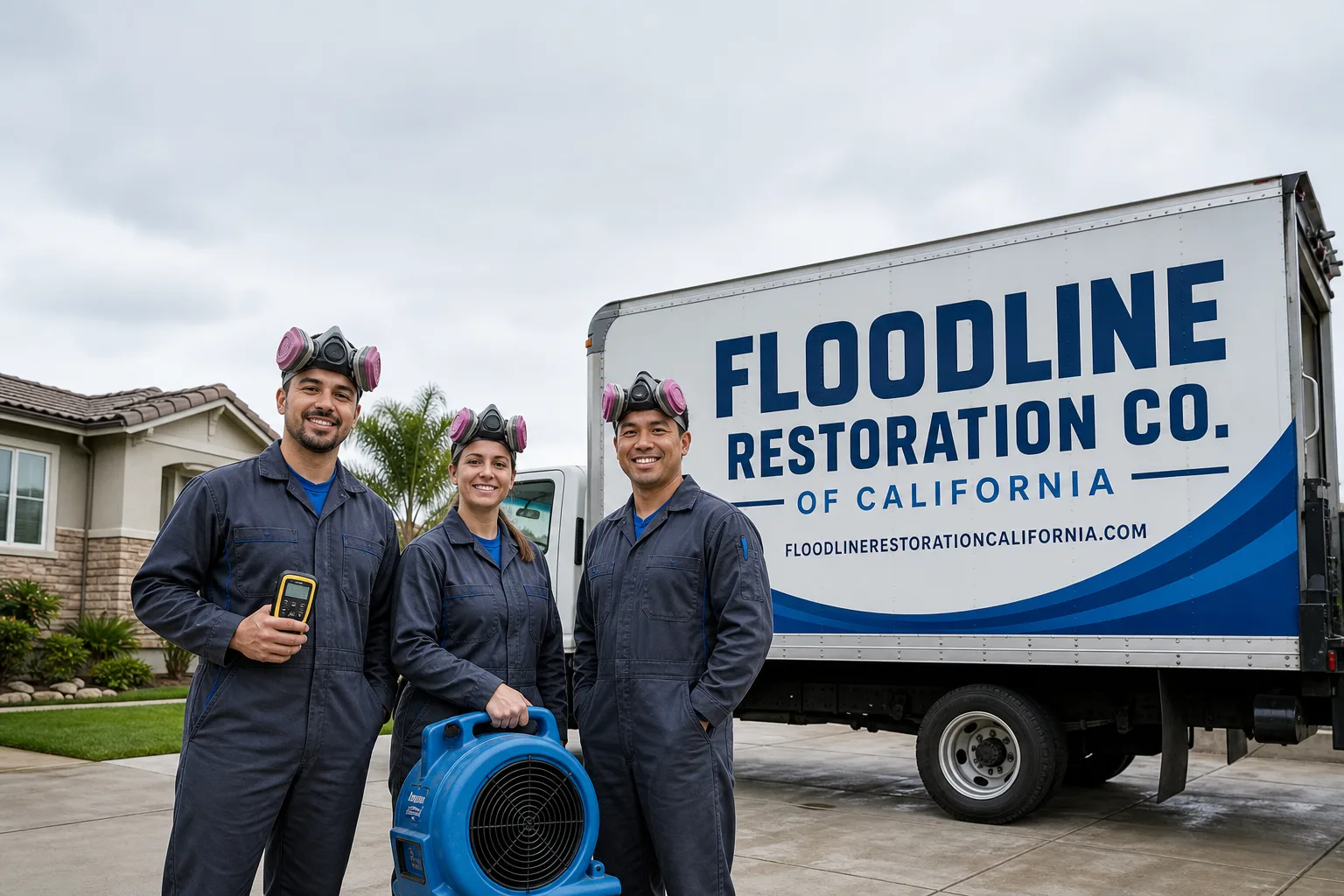
Fast, Reliable Storm & Disaster Restoration Across Livermore
Storm damage in Livermore moves fast, and the first 24 hours decide whether a small breach becomes a full wall rebuild. Water entering through storm-torn roofing in a Springtown slab-on-grade home finds hidden channels behind post-1980 earthquake retrofit patches, and by the time staining shows on the ceiling, mold has often already colonized the warm cavity. Floodline Restoration Co. of California sends certified, background-checked crews to every Livermore ZIP code, 94550 and 94551, with extraction running same visit. If wind took part of your roof or water is moving through your walls right now, call (888) 737-2439. A live dispatcher answers at any hour, not a recording.
Storm and disaster restoration in Livermore typically runs $1,200 to $7,800 depending on whether the job is a tarp-and-dry or a full wall rebuild. We coordinate directly with your adjuster, document everything with photos and moisture readings, and stand behind the work in writing with the 90-Day Done Right Promise.
Why Floodline Restoration Co. of California Is Livermore’s Preferred Storm & Disaster Restoration Company
Livermore is not a coastal market with salt spray chewing on garage hardware. It is a fault-line city with earthquake retrofit history hiding behind drywall, and Diablo wind events that push embers and sub-10% humidity into neighborhoods from Blackhawk to Springtown. Those are two very different jobs, and we built our Storm & Disaster Restoration team around what actually fails here.
Curt Bowman founded Floodline Restoration Co. in 2010 around a dispatch board, not a sales desk. The crews who show up in Livermore are uniformed, background-checked, and trained to IICRC, RIA, and IFA standards. They carry Dri-Eaz and Phoenix drying equipment, and they log moisture readings daily until the dry standard is met, not until the surface looks fine. The 90-Day Done Right Promise goes in writing on every Livermore job. If it is not done right, we make it right. No arguing, no paperwork battles.
We coordinate dispatch and scheduling from our San Francisco Bay Area office, and crews serve Livermore locally. When a Diablo wind event rips through the Altamont corridor and hits the eastern Tri-Valley, we are already staging equipment, because we know Livermore catches the first and worst of it.
Our Storm & Disaster Restoration Services in Livermore
Storm Damage Cleanup
Diablo wind storms push tree limbs, gravel, and fence sections into Livermore yards and against house walls, and the debris does not sit politely until Monday. Our storm damage cleanup crews clear the immediate hazard, stabilize any structural breach, and start water extraction on the same visit. In the Springtown area of 94550, where flat-roofed 1960s homes collect wind-driven debris against parapet walls, we routinely find water already traveling behind stucco before the homeowner sees a stain.
Flood Damage Restoration
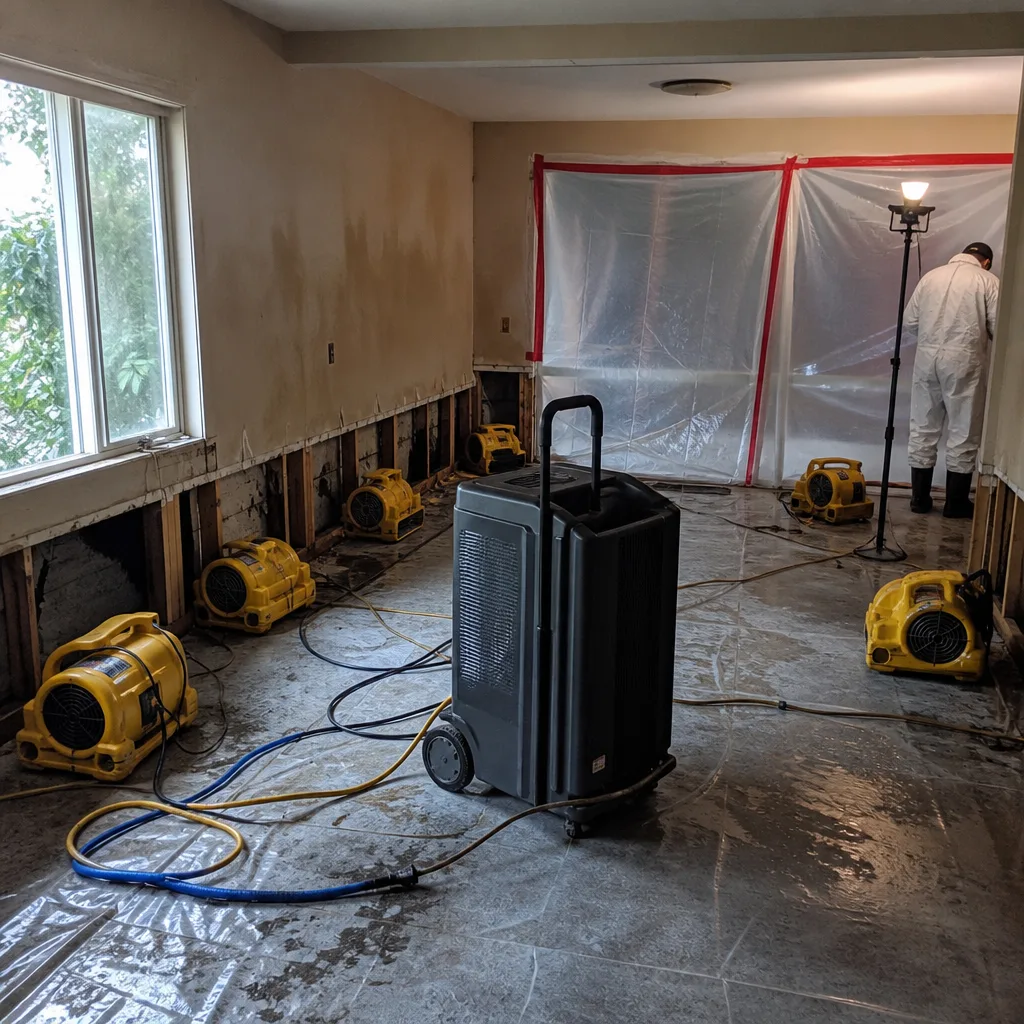
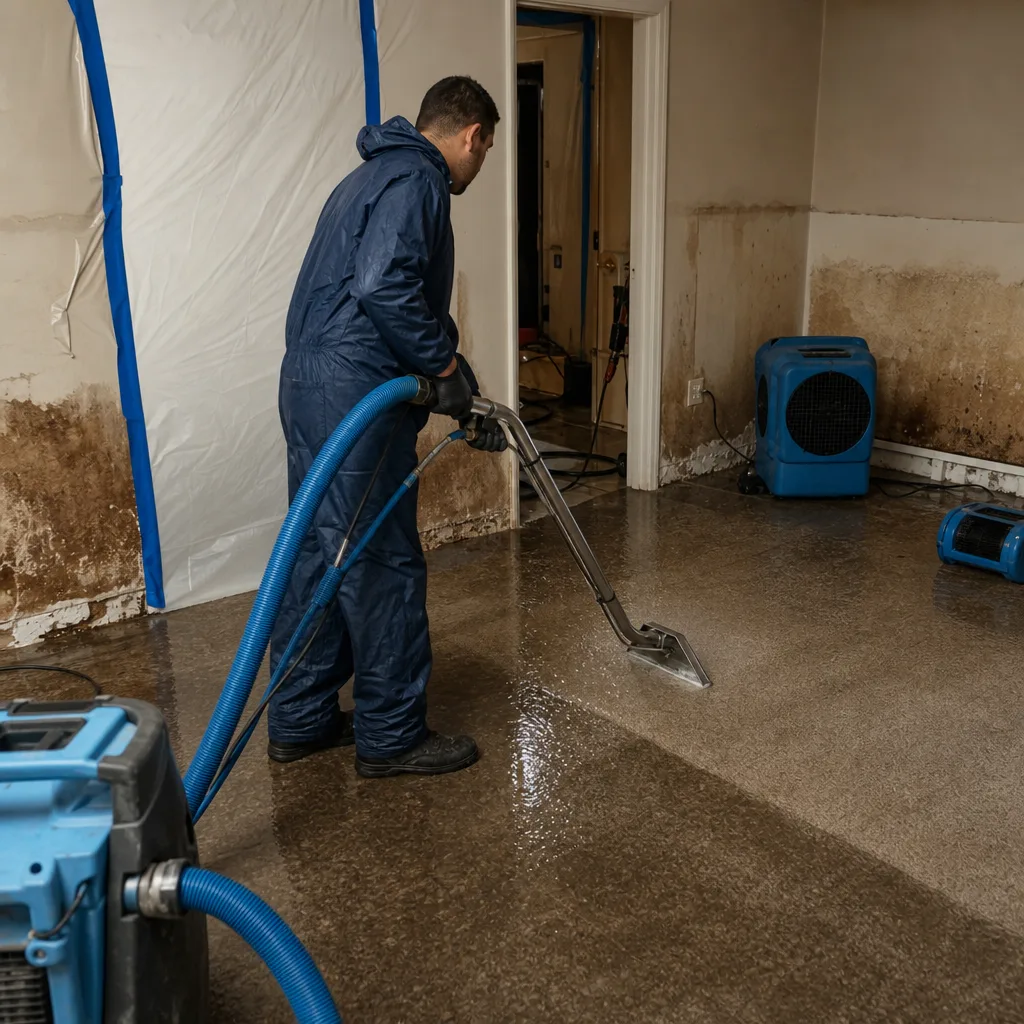
Livermore flood events usually come from two directions: storm water breaching a roof or wall, and hard Zone 7 groundwater making existing copper supply lines fail under added pressure. Restoration in Livermore means we open walls with the earthquake retrofit history in mind, because a localized storm claim in a Springtown-era slab can reveal pinhole corrosion in adjacent copper that the storm water accelerated. We dry the structure, replace what needs replacing, and document every hidden path for your carrier.
Emergency Board-Up
After a storm takes out a window or a wind-driven branch punctures a wall, Livermore nights drop fast and the Tri-Valley wind keeps pushing through any opening. Emergency board-up in Livermore is about more than security; it is about stopping wind-driven moisture from widening the damage footprint. We arrive with plywood cut to fit, we secure it properly, and we photograph the condition before and after so the adjuster sees exactly what we saw.
Roof Tarping
Diablo wind events tear sections of roofing off with startling speed, especially on the 1980s and 1990s wood-frame tracts along the northern edge of Livermore. Roof tarping is not a courtesy; it is the single most effective thing you can do to limit a storm claim. We use heavy-duty polyethylene tarps, secure them over the damaged plane, and set drying equipment inside the affected rooms before the next wind event arrives. In Livermore, where fall wind events come in clusters, a tarp that fails after three days is not a tarp; it is a liability.
What happens when you call
- 1
A real person answersNo phone trees - you reach a local pro.
- 2
You get an upfront price rangeHonest numbers before anyone is dispatched.
- 3
A background-checked tech heads outLicensed & insured, dispatched right away.
- 4
You approve before work beginsNothing starts until you say go.
Trusted Brands We Service in Livermore
Livermore homes range from 1960s Springtown slab-on-grade construction to 2000s master-planned builds in 94551 near the southern hillsides, and no two wall assemblies dry the same way. We stock drying equipment and materials sized for all of them. Our crews run Dri-Eaz and Phoenix dehumidifiers, and our moisture-mapping approach is built around the IICRC and RIA standards our technicians train to. We keep the equipment and the parts local, so a Livermore homeowner is not waiting on a shipment from the coast while water keeps moving through a wall cavity.
Common Storm & Disaster Restoration Problems We See in Livermore Homes
- Hidden wall channels from post-1980 earthquake retrofits. The 1980 M5.5 and M5.8 Greenville Fault earthquakes left thousands of Livermore homes with structural repairs of variable quality. Those non-standard wall assemblies create channels that storm water follows invisibly, often for weeks, before anyone sees damage.
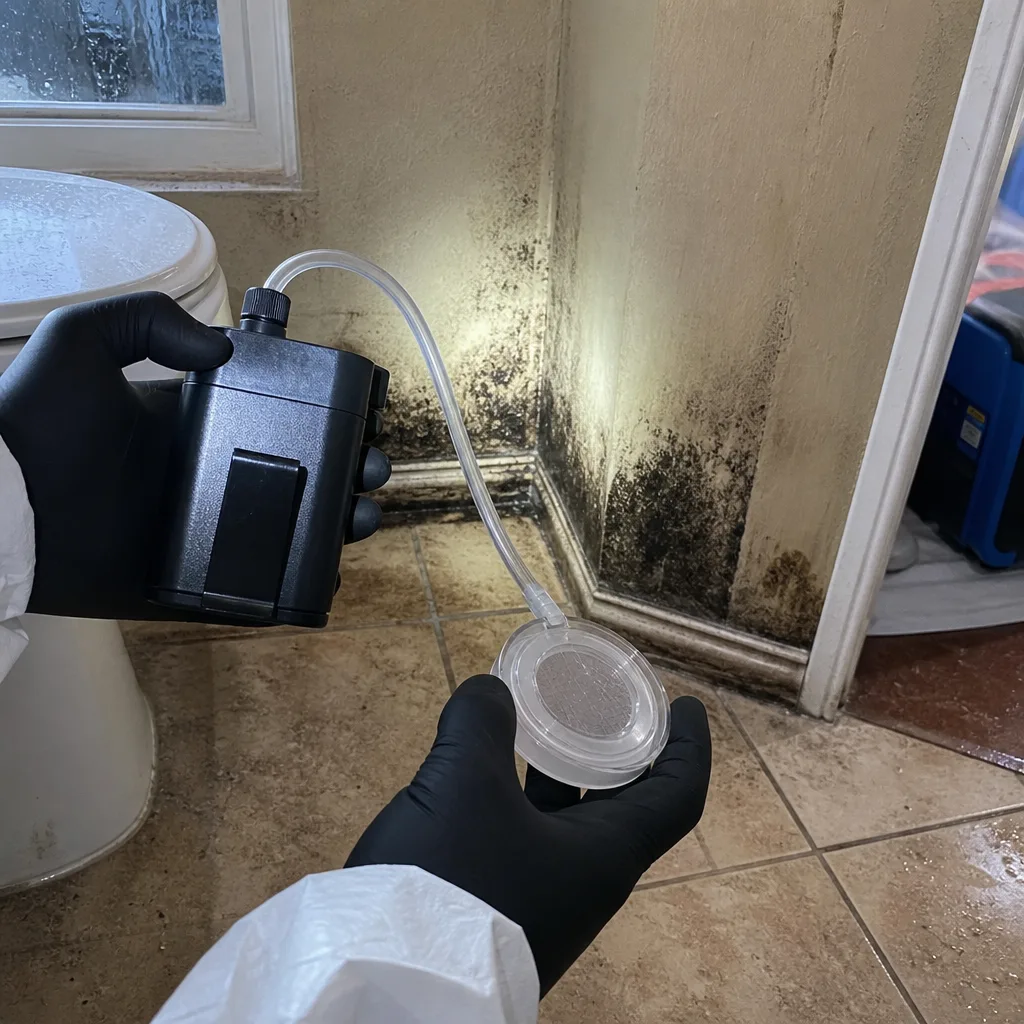
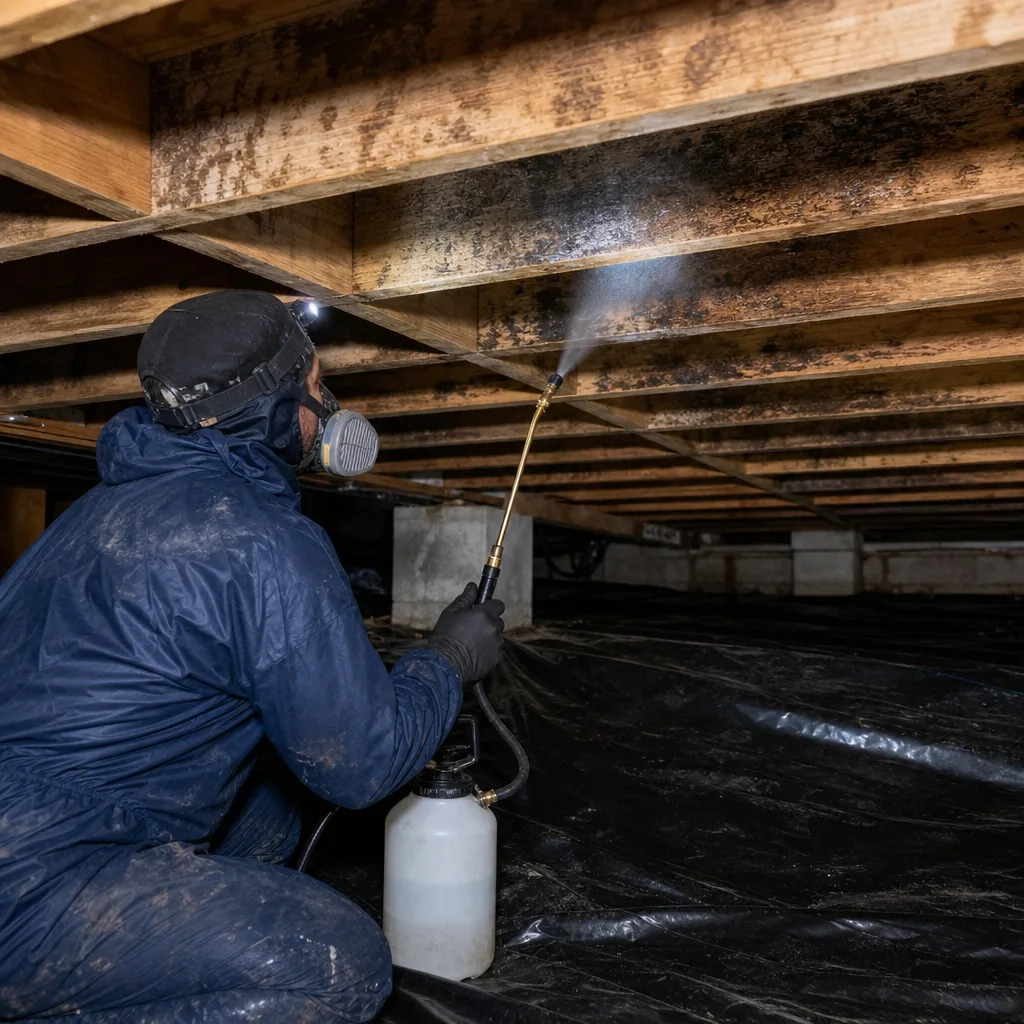
- Rapid mold colonization in high summer attics. Livermore regularly records the highest summer temperatures in the Bay Area, topping 100°F. When storm water enters an attic or wall cavity, those temperatures push mold colonization timelines down to a fraction of what coastal cities experience. A three-day delay is often the difference between cleaning a wet rafter and removing a mold-compromised one.
- Diablo wind ember cast and smoke infiltration. Fall wind events push embers from the Altamont and Diablo Range foothills directly into Livermore neighborhoods. Even when a home is not burned, smoke infiltrates attic insulation and roof sheathing, and that odor reactivates on warm days unless it is handled with air scrubbing and thermal fogging.
- Zone 7 hard water accelerating pinhole corrosion. Livermore’s groundwater is notably hard, and storm-driven leaks create exactly the conditions that accelerate pinhole corrosion in copper supply lines. A localized storm claim in a Springtown-era slab is often the beginning of a whole-house repiping conversation, not the end of one.
How Livermore’s Earthquake and Wind History Makes Storm Restoration Different Here
Livermore sits directly atop the active Greenville Fault, and two damaging earthquakes in 1980, an M5.5 in January and an M5.8 in May, left a substantial share of the city’s mid-century housing stock with post-quake structural repairs that were never documented to modern standards. The 1960s Springtown planned community in 94550, built slab-on-grade with flat roofs, received thousands of retrofit patches after those quakes. Decades later, many of those patches sit inside wall assemblies that do not follow any standard framing pattern. That means storm water entering through a roof breach or a wind-driven wall puncture does not follow a predictable path. It moves behind non-standard wall assemblies, collects in warm cavities, and causes hidden mold growth long before a water stain appears on finished drywall.
Compounding this, Livermore’s position at the eastern mouth of the Tri-Valley makes it the first major residential area hit by fall Diablo wind events. The wind arrives from the Altamont and Diablo Range foothills, pushing ember cast and smoke infiltration into neighborhoods in a way that Pleasanton and Dublin, sheltered further west, do not experience at the same frequency or intensity. A Livermore storm restoration scope has to account for both the hidden moisture paths from old quake patches and the smoke and ember pressures that coastal restoration crews rarely see.
After a Diablo wind storm tore a section of roofing off a 1960s Springtown slab-on-grade home in 94550, our crew tarped the exposed roof cavity and found the post-1980 quake retrofit had left a non-standard wall assembly where rainwater had already wicked behind the drywall. We set up Dri-Eaz dehumidifiers inside the wall, cut back the delaminated sections, and documented the hidden path for the adjuster before rebuilding the affected corner. That is a typical Livermore storm job: the visible damage is never the whole story.
Pricing for Storm & Disaster Restoration in Livermore, CA
Storm restoration pricing in Livermore breaks down by scope, and we quote it in writing before work starts. Roof tarping for a typical single-family home in 94550 or 94551 runs $450 to $950. Emergency board-up for one or two openings runs $300 to $700. Storm damage cleanup with debris removal runs $800 to $2,400 depending on the size of the debris field. Flood damage restoration with extraction, drying, and daily moisture readings runs $1,500 to $7,800 depending on how many rooms are involved and whether walls are opened. When hidden wall channels from old retrofit patches require additional demolition and reconstruction, the rebuild scope is priced separately and in writing, like a remodel, not an emergency dispatch.
Floodline Restoration Co. handles direct insurance billing, so you are not playing messenger between us and your carrier. We document every step with photos and moisture logs, and we hand that log to both you and the adjuster. Estimates are free, and a live person answers at (888) 737-2439 day or night.
We Also Serve Cities Near Livermore
Floodline Restoration Co. of California serves the full Tri-Valley and surrounding communities. In addition to Livermore, we respond to storm and disaster calls in Pleasanton, Dublin, San Ramon, and Blackhawk. Our crews know the wind patterns, the housing stock, and the roads across all of them, and we stage equipment so response times stay short across the whole area.
Serving Livermore, CA - Our Local Coverage Area
We’re based in the Livermore area and know this community well. Use the map below to see our service coverage - if you’re nearby, we can almost certainly help.
FAQs - Storm & Disaster Restoration in Livermore
The 1980 Greenville Fault earthquakes left thousands of Livermore homes with retrofit patches inside wall assemblies that do not follow standard framing patterns. When storm water enters these wall cavities, it moves behind the patches invisibly and pools in warm, enclosed spaces. A restoration scope in Livermore must include opening and inspecting these areas, not just drying the surface, or hidden mold will show up months later. Call (888) 737-2439 to have a Livermore storm job scoped correctly the first time.
Livermore sits at the eastern mouth of the Tri-Valley and takes the first and strongest hit from fall Diablo wind events. The wind pushes embers and smoke from the Altamont and Diablo Range foothills directly into Livermore neighborhoods, and relative humidity can drop below 10%. Pleasanton and Dublin, sheltered further west, see less frequent and less intense ember cast. That means Livermore storm restoration more often requires attic insulation replacement and thermal fogging to prevent smoke odor reactivation.
Because Livermore’s fall storm season comes in clusters. A torn roof plane left exposed for even one day takes wind-driven moisture into the wall cavities below, and with Livermore’s summer heat or fall wind cycles, that moisture moves fast behind old retrofit patches. Tarping immediately, the same visit, limits the water intrusion footprint and keeps the claim from growing. We offer tarping as an emergency service across both Livermore ZIP codes, 94550 and 94551.
Yes. Livermore’s Zone 7 groundwater is notably hard, and hard water accelerates pinhole corrosion in copper supply lines. When storm water enters a wall or slab area and raises the moisture level, adjacent copper lines that were already corroding can fail suddenly. In Springtown-era slab-on-grade homes, a localized storm claim often becomes a whole-house repiping conversation once we open the wall. We document everything for the adjuster so the full scope is on the record.
We recommend moving debris only enough to make the structure safe, then documenting everything before removing it. The adjuster needs to see the debris field and the damage in place to understand the full scope. Our crews photograph and video the scene, then handle debris removal in a way that preserves the evidence trail. We coordinate directly with your carrier so nothing gets lost between the storm and the check.
Contact Floodline Restoration Co. of California in Livermore
If storm damage has made a mess of your Livermore home, do not wait for the next wind event. A live person answers at (888) 737-2439, at 2 a.m. or 2 p.m., and a certified crew can be on the way to your 94550 or 94551 neighborhood immediately. The estimate is free, the billing goes directly to your carrier, and the work is backed in writing by the 90-Day Done Right Promise. We stand behind it.
Written by Curt Bowman, Owner at Floodline Restoration Co. of California, serving Livermore since 2010.