
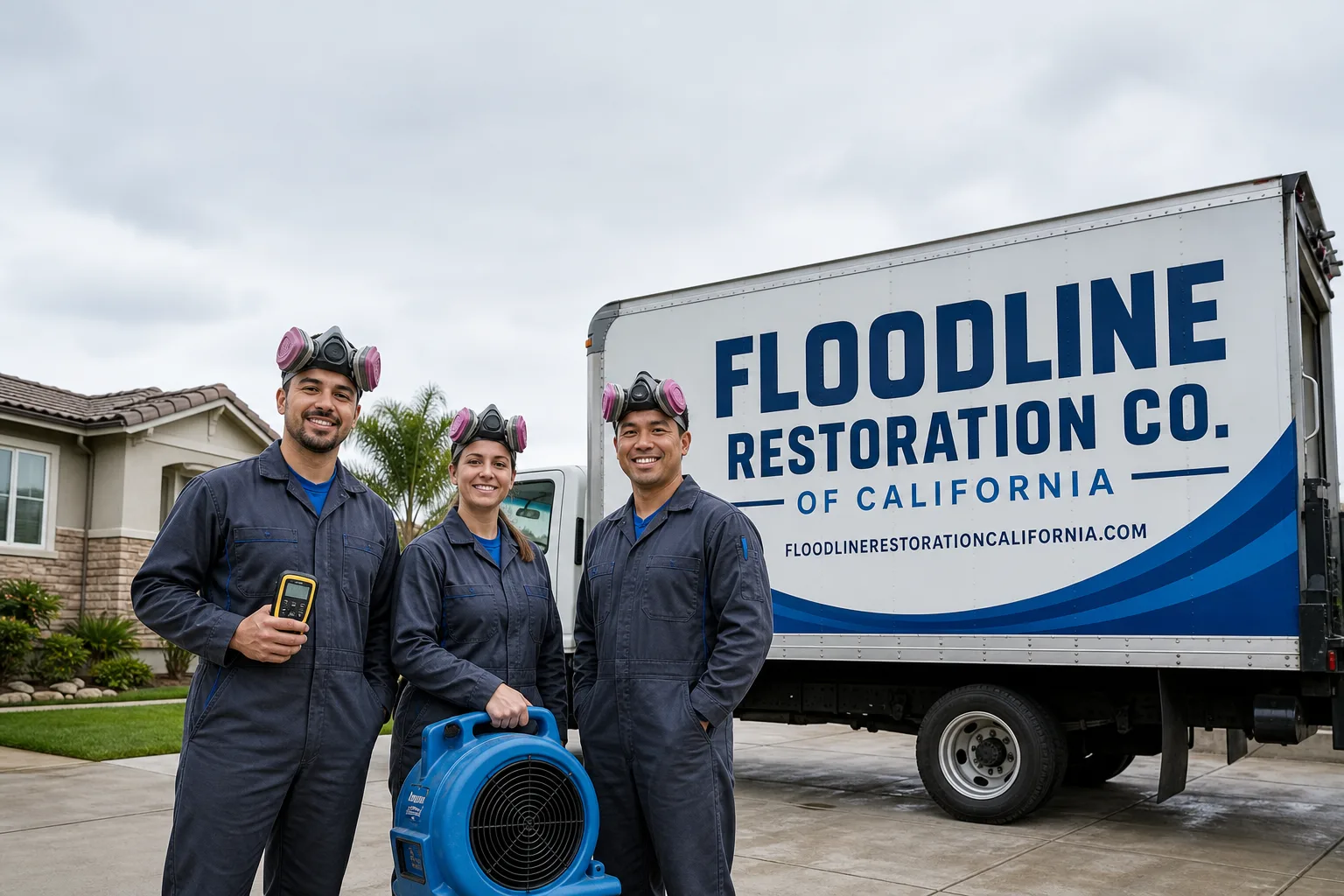
Fast, Reliable Storm & Disaster Restoration Across Homeland
Storm damage in Homeland moves fast, and the response has to move faster. When Santa Ana winds tear a carport loose or valley runoff pushes water under a manufactured home off Juniper Flats Road, the first 48 hours decide whether you’re looking at cleanup or a full rebuild. Floodline Restoration Co. of California answers live, 24/7, and our crews reach Homeland the same visit, ready to board up, tarp, extract, and start drying with professional-grade equipment. Call (888) 737-2439 any hour, day or night, and you’ll speak with a dispatcher, not a recording.
Why Floodline Restoration Co. of California Is Homeland’s Preferred Storm & Disaster Restoration Company
Homeland’s storm damage looks different than what our crews see in Menifee or Sun City. The housing stock here is dominated by manufactured and mobile homes from the 1970s through 1990s, and storm response in Homeland means working with particleboard subfloors, fiberglass belly insulation, and vinyl belly boards that absorb water in ways site-built homes don’t. Our technicians carry the local knowledge that matters: where runoff pools in low-lying parcels off Highway 74, how expansive clay soil cracks stem walls when saturated, and why skirting damage is a structural issue, not a cosmetic one.
Curt Bowman founded Floodline Restoration Co. in 2010 around a simple rule: answer the phone with a person, keep the job whole from first extraction to finished rebuild, and stand behind the work in writing. That’s the 90-Day Done Right Promise, our Keystone Standard, and every Homeland homeowner gets it in writing before we pack up. Technicians arrive background-checked, uniformed, and certified to IICRC, RIA, and IFA standards. The same crew that reads the moisture map on day one handles daily readings and hands the log to you and your carrier. No mid-job handoff. No arguing over scope. A square deal, with direct insurance billing so you never play messenger.
Dispatch and scheduling for Homeland are coordinated from our Inland Empire office. But the crews who knock on your door know this valley, know manufactured-home construction, and know that a storm here isn’t just wind and rain. It’s belly board damage, saturated particleboard, and clay soil that shifts under piers. That’s the difference between a vendor and a neighbor.
Our Storm & Disaster Restoration Services in Homeland
Storm Damage Cleanup
Storm damage cleanup in Homeland typically starts with removing water-logged debris and assessing how far moisture has traveled beneath the visible surface. In a 1980s mobile home, a wind-driven leak near the roofline can run down the wall cavity, saturate fiberglass belly insulation, and lift vinyl flooring without ever showing a stain up top. We track the moisture map with Dri-Eaz and Phoenix meters, remove only what can’t be saved, and keep drying the chassis cavity until the dry standard is met. Most jobs are completed in a single visit.
Flood Damage Restoration
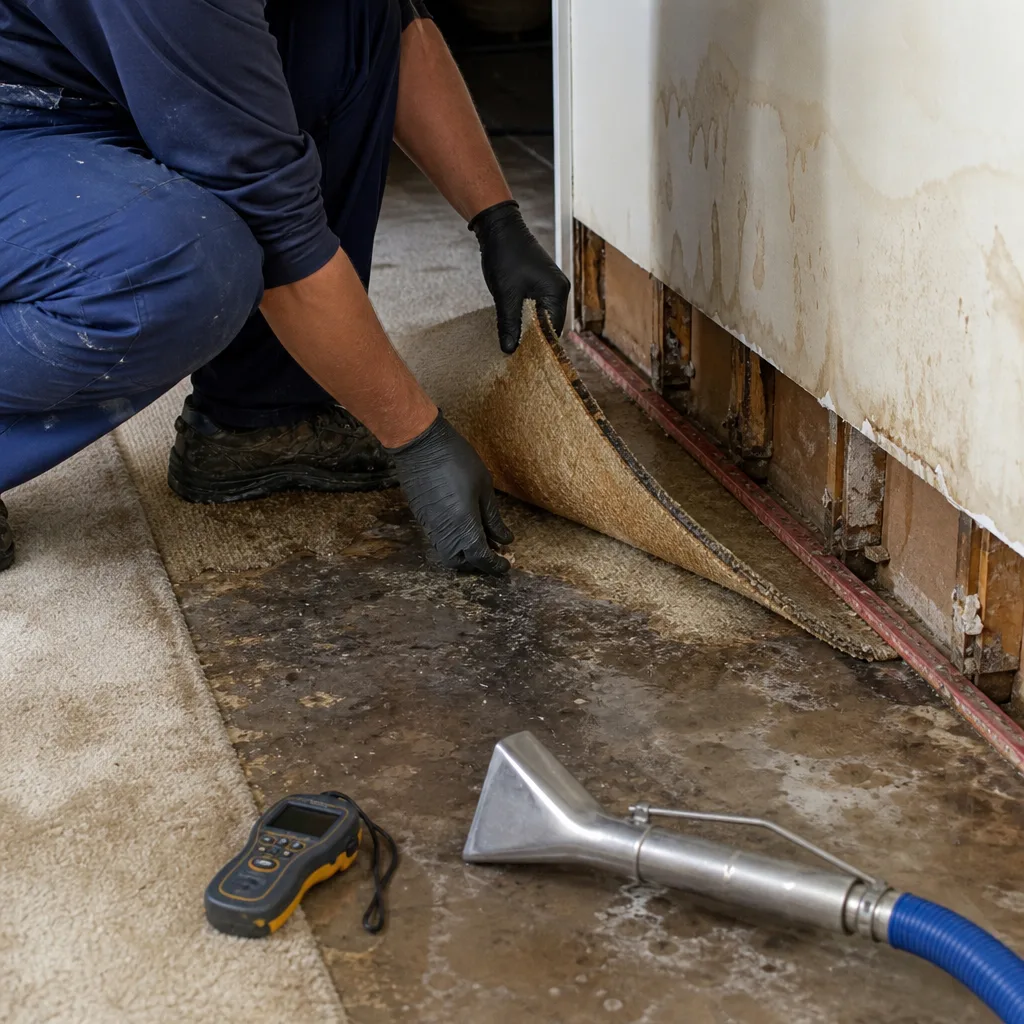
Flood damage in Homeland rarely comes from rivers. It comes from valley runoff creeping over pads, pooled water against skirting, and that low-lying basin floor doing what it does during heavy rain. For manufactured homes, the critical move is drying the undercarriage, not just the living space. We use Injectidry panels and XPOWER air movers positioned for chassis geometry, pulling air through the belly cavity rather than just across the floor surface. That approach prevents the hidden saturation that turns a cleanup into a mold remediation 60 days later.
Emergency Board-Up
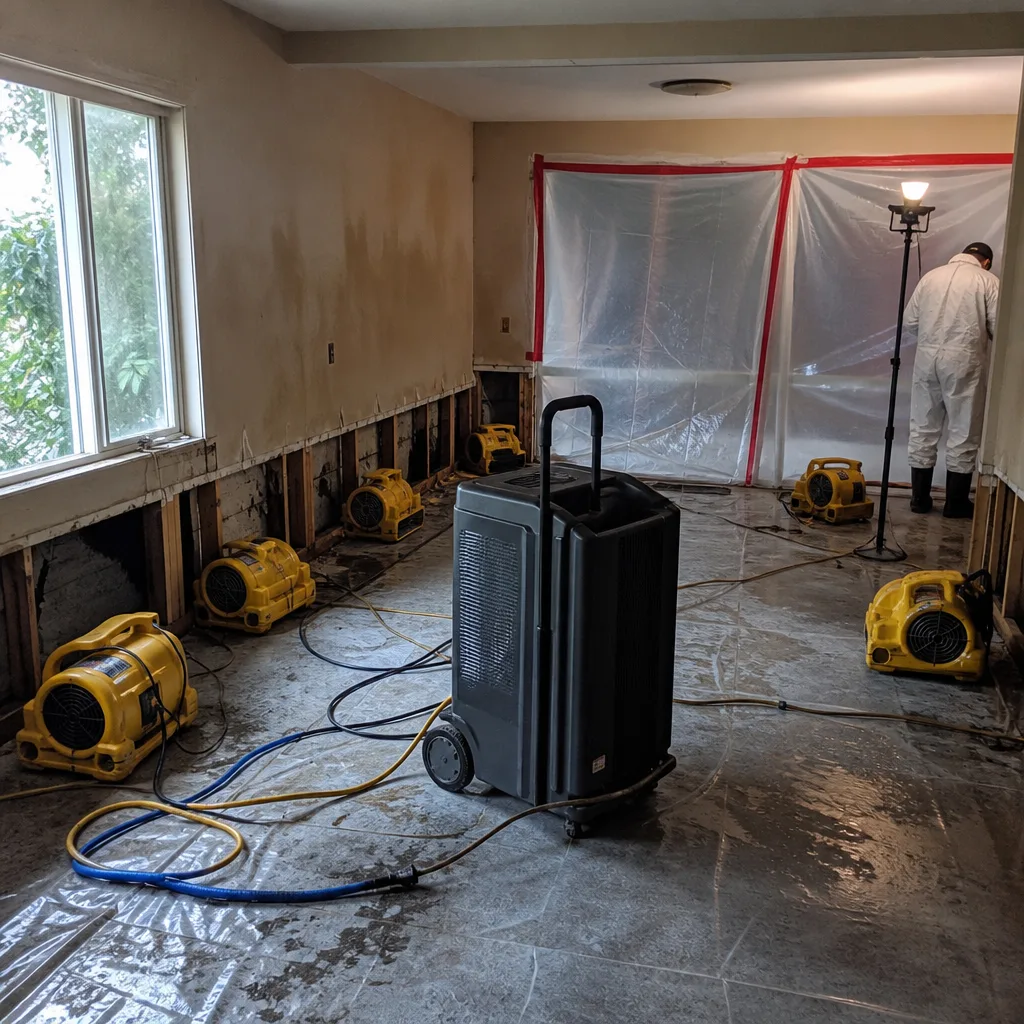
When wind blows out a window or a carport collapses into a wall, securing the opening is the first priority. Emergency board-up in Homeland has to account for manufactured-home framing: OSB sheathing, 2×4 studs at 16-inch spacing, and shear values that differ from site-built construction. We check the shear ties and chassis anchors before we button anything up, because a shifting home on piers is a roof membrane failure waiting to happen. Our crews board up the same visit, with materials rated for the wind loads this valley sees every fall.
Roof Tarping
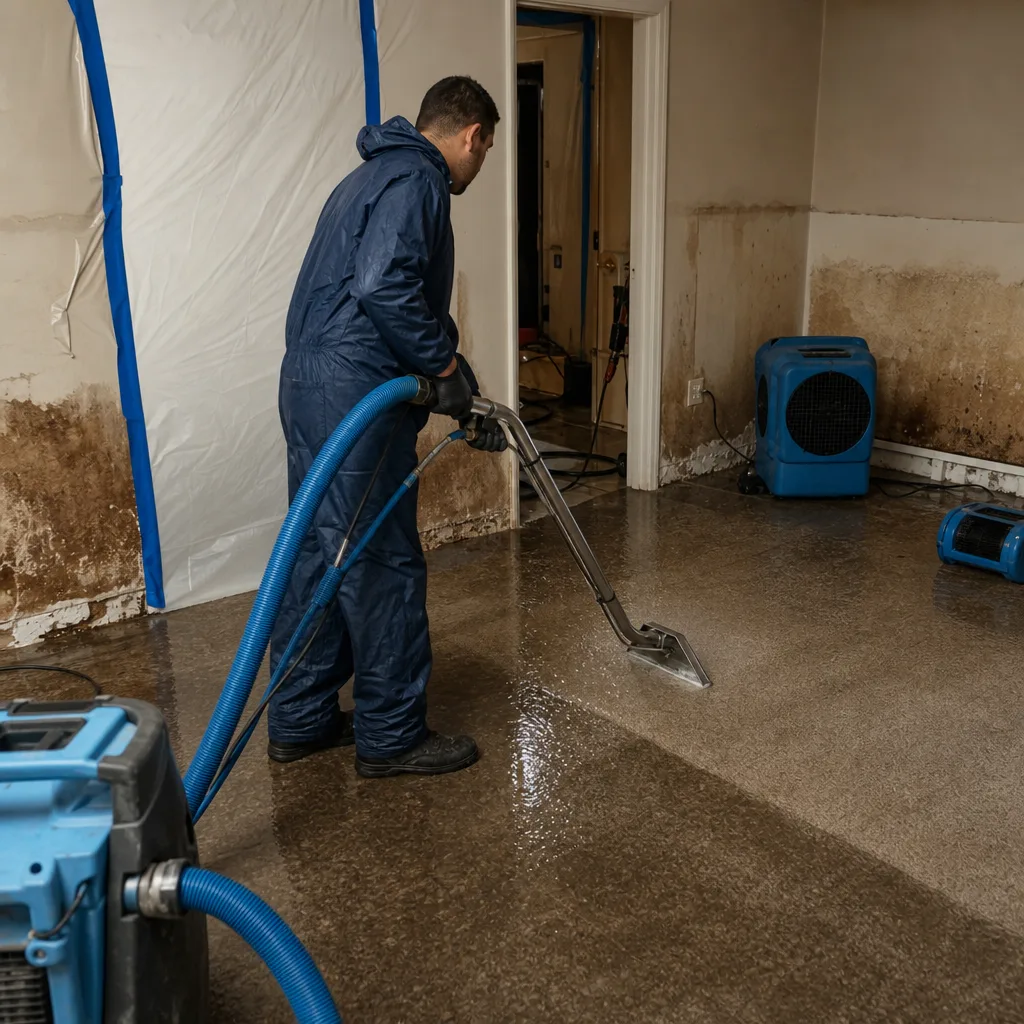
Roof tarping in Homeland is usually about buying time. A Santa Ana wind event can strip shingles or membrane from a mobile-home roof in minutes, and the next rain will turn that into a ceiling collapse. We tarp same-day with UV-stabilized material, fasten it for wind uplift, and document everything with photos for your carrier. Where repair work is needed, we handle the full scope: roof repair, membrane repair, and structural tie-downs, so you’re not coordinating three vendors and hoping they talk to each other.
What happens when you call
- 1
A real person answersNo phone trees - you reach a local pro.
- 2
You get an upfront price rangeHonest numbers before anyone is dispatched.
- 3
A background-checked tech heads outLicensed & insured, dispatched right away.
- 4
You approve before work beginsNothing starts until you say go.
Trusted Brands We Service in Homeland
Most Homeland homes, including the manufactured stock on larger parcels throughout 92548, rely on dedicated HVAC, water heating, and appliance systems that take a beating during storms. Our crews regularly service storm-damaged Rheem and Bradford White water heaters, Goodman and Carrier HVAC units, and Whirlpool and GE appliances throughout Homeland. We stock common parts for quick turnaround, so a storm-damaged water heater doesn’t mean a week of cold showers while we order from a distributor two states away. When a wind event crushes an A/C condenser or floodwater reaches a water heater burner, we repair or replace with the same no-surprises pricing and written scope we bring to every job, including the $89 Seasonal Tune-Up and the Senior & Veteran 5% Discount, always honored, for Homeland homeowners.
Common Storm & Disaster Restoration Problems We See in Homeland Homes
- Trapped moisture in particleboard subfloors. Homeland’s manufactured homes use OSB and particleboard subflooring that swells and delaminates when saturated. A tech who dries only the visible top surface leaves water trapped below, and the floor buckles within weeks.
- Belly board damage from wind-blown debris. Santa Ana winds regularly tear vinyl belly boards, exposing fiberglass insulation to rain. Patching the tear without removing saturated insulation lets water wick six feet or more unseen, setting up a mold callback.
- Skirting and pier shifting from saturated clay. The expansive clay soils on Homeland’s valley floor shift hard when wet, cracking stem walls and moving piers. Emergency board-up done without checking chassis anchoring lets the home move enough to crack roof membranes during repairs.
- Secondary moisture pockets that trigger mold. In older Homeland mobile homes, a single under-sink leak can travel laterally six to ten feet through compromised insulation before showing any surface stain. We map the full moisture spread, not just the visible stain, then dry to standard and verify with daily readings until the log says done.
Pricing for Storm & Disaster Restoration in Homeland, CA
Here’s what storm and disaster restoration work in Homeland actually costs, based on the work we’ve done across 92548. Emergency roof tarping on a manufactured home typically runs $350 to $800, depending on roof size and how much fastening is needed for wind uplift. Board-up of a window or door typically runs $150 to $450 per opening, including materials. Storm damage cleanup and extraction on a flooded manufactured home typically runs $2,500 to $7,500, with undercarriage drying and belly board replacement adding $1,200 to $3,500 depending on the amount of damaged insulation and skirting. A full storm-damage rebuild, including subfloor replacement, insulation, and skirting, typically runs $8,000 to $25,000 on older Homeland units. Every job starts with a free written estimate, and we bill your carrier directly. Call (888) 737-2439 and we’ll come out, assess the damage, and give you a scope in writing before any work starts.
We Also Serve Cities Near Homeland
Our crews run the same routes from Homeland out to Nuevo, Sun City, Menifee, and Good Hope, and we know the manufactured-home stock in each town like we know our own. Wherever the storm hit in the valley, we’re a live phone call away and a same-visit dispatch.
Serving Homeland, CA - Our Local Coverage Area
We’re based in the Homeland area and know this community well. Use the map below to see our service coverage - if you’re nearby, we can almost certainly help.
FAQs - Storm & Disaster Restoration in Homeland
We start with moisture mapping using penetrating and non-penetrating meters, reading through the particleboard subfloor to identify saturated areas without removing flooring. Where readings indicate trapped water, we access the undercarriage through the skirting and remove only the damaged sections of belly board needed to inspect and dry the insulation. Injectidry panels and directed airflow then dry the chassis cavity from below, so the floor stays in place. Call (888) 737-2439 for a free assessment.
Re-tarping in unincorporated Riverside County, including Homeland’s 92548, falls under county standards for temporary protective coverings, and the practical requirement is wind-load resistance for Santa Ana events, not just rain resistance. We fasten tarps with uplift-rated methods and UV-stabilized material that survives until permanent repairs are permitted and scheduled. Call (888) 737-2439 for same-day tarping.
Storm runoff and shifting clay soil add moisture to the undercarriage, so a small plumbing leak that was already wetting the particleboard subfloor now has nowhere to dry and travels farther through compromised belly insulation. In Homeland’s manufactured homes, that small leak routinely means a moisture pocket that runs six to ten feet and triggers mold within 60 days. We map and dry the full spread. Call (888) 737-2439 for an exact scope.
Blowing air across the top surface without addressing the undercarriage pushes moisture down into the particleboard and belly insulation, worsening the failure. Standard site-built drying protocols don’t account for manufactured-home chassis geometry, which is why we run Injectidry and XPOWER equipment positioned to dry the belly cavity, with daily moisture readings logged until the dry standard is met. Call (888) 737-2439 and we’ll set the drying plan up correctly.
Within 48 hours, before the next humidity cycle bakes the trapped moisture into a mold-friendly micro-climate inside the wall and floor cavities. Homeland’s summer heat regularly exceeds 105°F, which turns a small pocket of saturation into a mold problem fast. We inspect, document, and give you a written plan. Call (888) 737-2439 for immediate scheduling.
Written by Curt Bowman, Owner at Floodline Restoration Co. of California, building the Keystone Standard since 2010.