
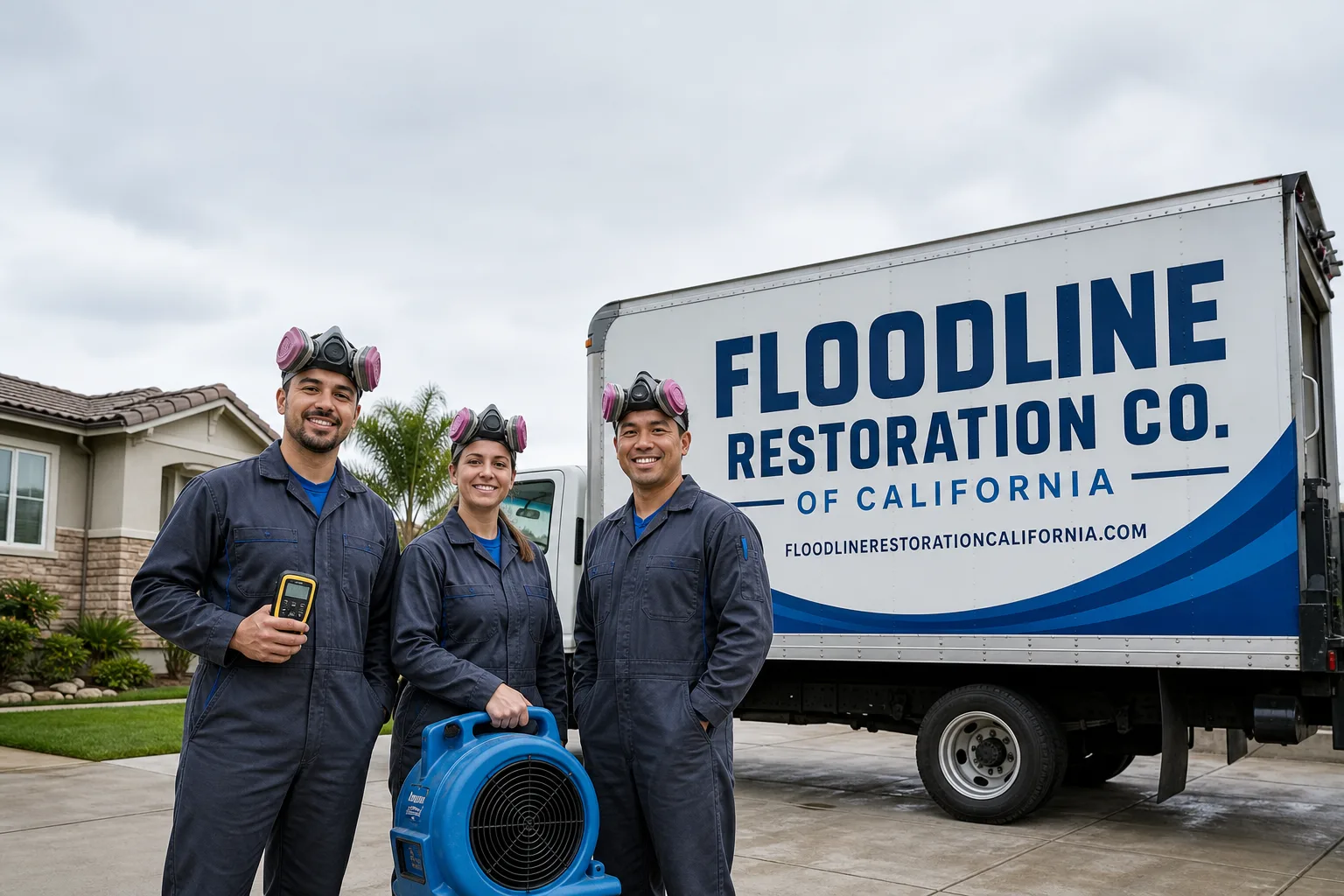
Fast, Reliable Storm & Disaster Restoration Across East Foothills
Storm damage in East Foothills doesn’t play by valley rules. When a winter atmospheric river hits the Diablo Range and sends debris-laden runoff down those hillside swales, or when summer downslope winds drive smoke and embers into homes along the wildland edge, you need a restoration crew that already knows what East Foothills is up against. Floodline Restoration Co. dispatches certified technicians to East Foothills within the hour, most days. A live person answers at (888) 737-2439, twenty-four hours a day, every day, and our crews carry the equipment and the local know-how to start extraction or board-up the same visit. No call center. No “leave a message and we’ll get back to you.” Just a square deal and work that’s done right, backed in writing.
Why Floodline Restoration Co. of California Is East Foothills’s Preferred Storm & Disaster Restoration Company
East Foothills homeowners call us because we’ve been on these hillside streets before. We know the 1960s ranch homes off Alum Rock Avenue, the drainage swales behind properties that look dry until a winter storm turns them into debris chutes, and the crawl spaces that sit “uphill” and still take on water when the runoff finds a path. That’s not general contracting knowledge. It’s what you learn when you’ve pulled a Dri-Eaz dehumidifier into a saturated crawl space on a hill above San Jose and documented the moisture readings daily until the dry standard is met.
Our crews are background-checked, uniformed, and trained to IICRC, RIA, and IFA standards. We don’t hand the job off after extraction. The same crew that reads the moisture map on day one handles the daily readings, hands the log to you and your carrier, and rebuilds what needs rebuilding. That continuity matters in East Foothills, where storm damage often means debris removal, structural assessment, and water extraction all happening on the same hillside property at once. Every job carries the 90-Day Done Right Promise, the Keystone Standard, in writing. If it’s not done right, we make it right. No arguing, no paperwork battles.
Our Storm & Disaster Restoration Services in East Foothills
Here’s what we handle most often in East Foothills, and how we approach each one with local conditions in mind. Our full Storm & Disaster Restoration team works directly with East Foothills property owners from first damage assessment through final repair.
Emergency Board-Up
Wind-blown debris and falling limbs breach windows and doors on East Foothills hillside exposures more than almost anywhere else in the San Jose metro. We respond fast, install temporary protection with the right materials for the exposure, and secure the property against the next frontal system. Our board-up work accounts for wind-load direction, not just covering the opening, because a sheet of plywood that fails at 3 a.m. in an East Foothills wind event is worse than none at all.
Roof Tarping
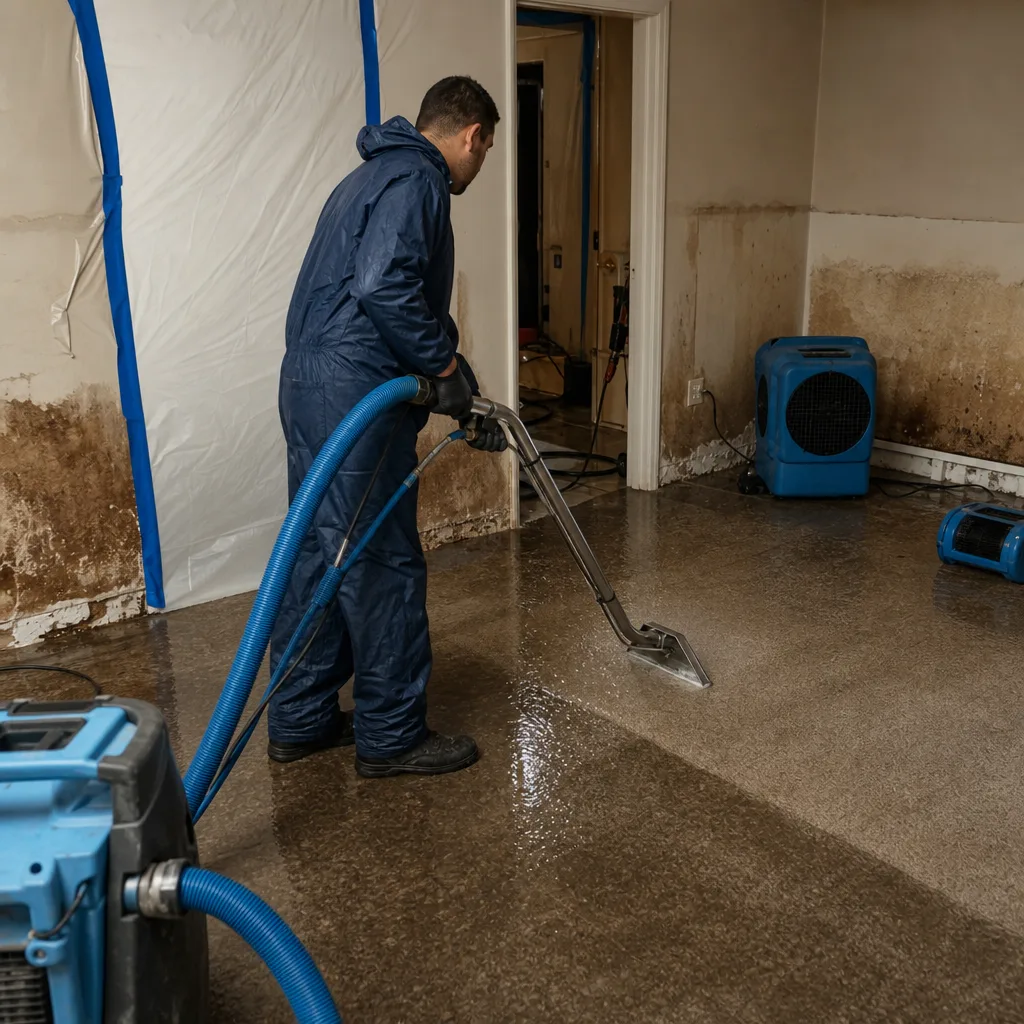
Wind and debris damage to roofs on hillside streets off Alum Rock Avenue and throughout 95127 needs immediate attention. We tarp to shed water and hold the envelope until permanent repairs are scheduled. On East Foothills homes with post-1950s construction, we inspect for asbestos-bearing materials before any tarp tie-downs or repair work disturb surfaces. That’s not a delay we can skip; it’s an abatement requirement that protects you from a regulatory shutdown later.
Debris Removal
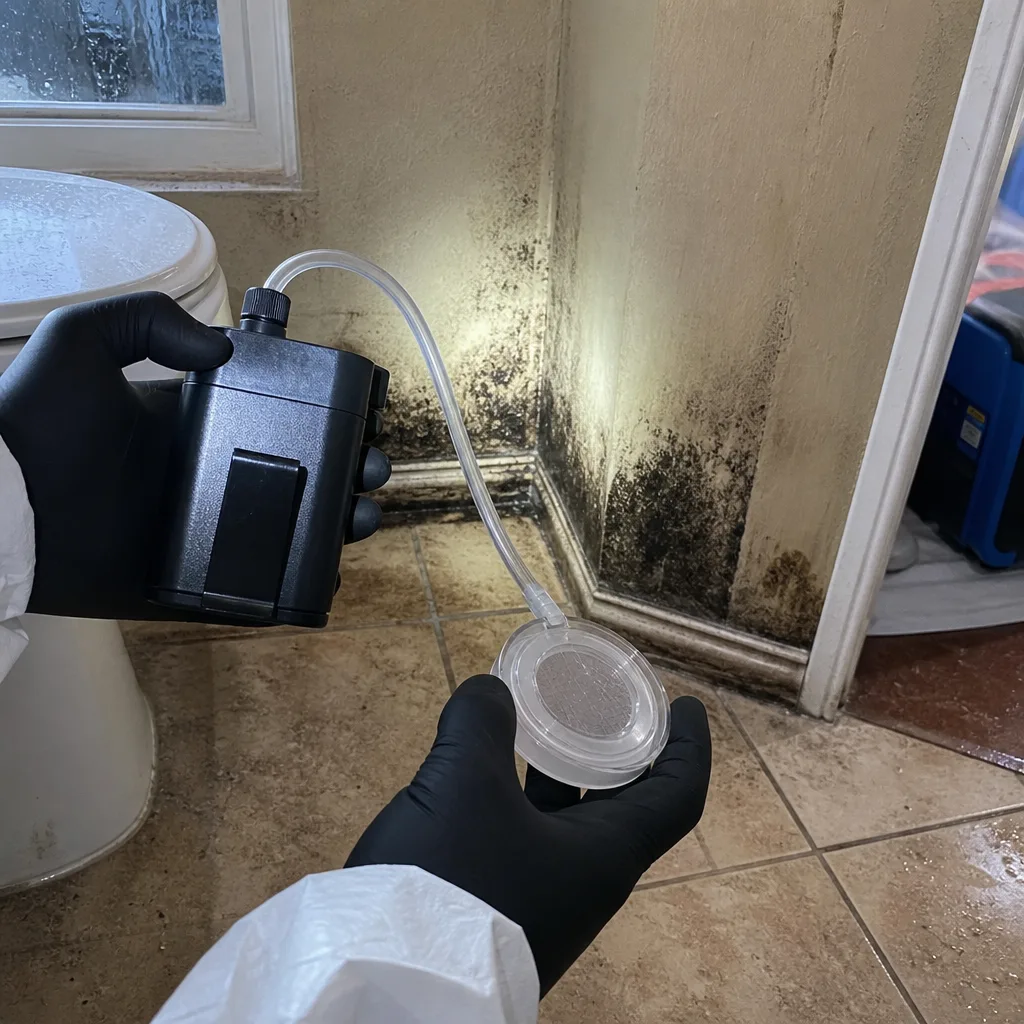
After a hillside fire or a debris flow, East Foothills properties fill with material that’s heavy, wet, and often contaminated. We clear it, separate what can be saved, and document everything for your insurance carrier. Our photo documentation and direct adjuster coordination mean you’re not the one playing messenger between us and the carrier. We handle that. A written scope is on the table before any debris leaves your property.
Storm Damage Cleanup
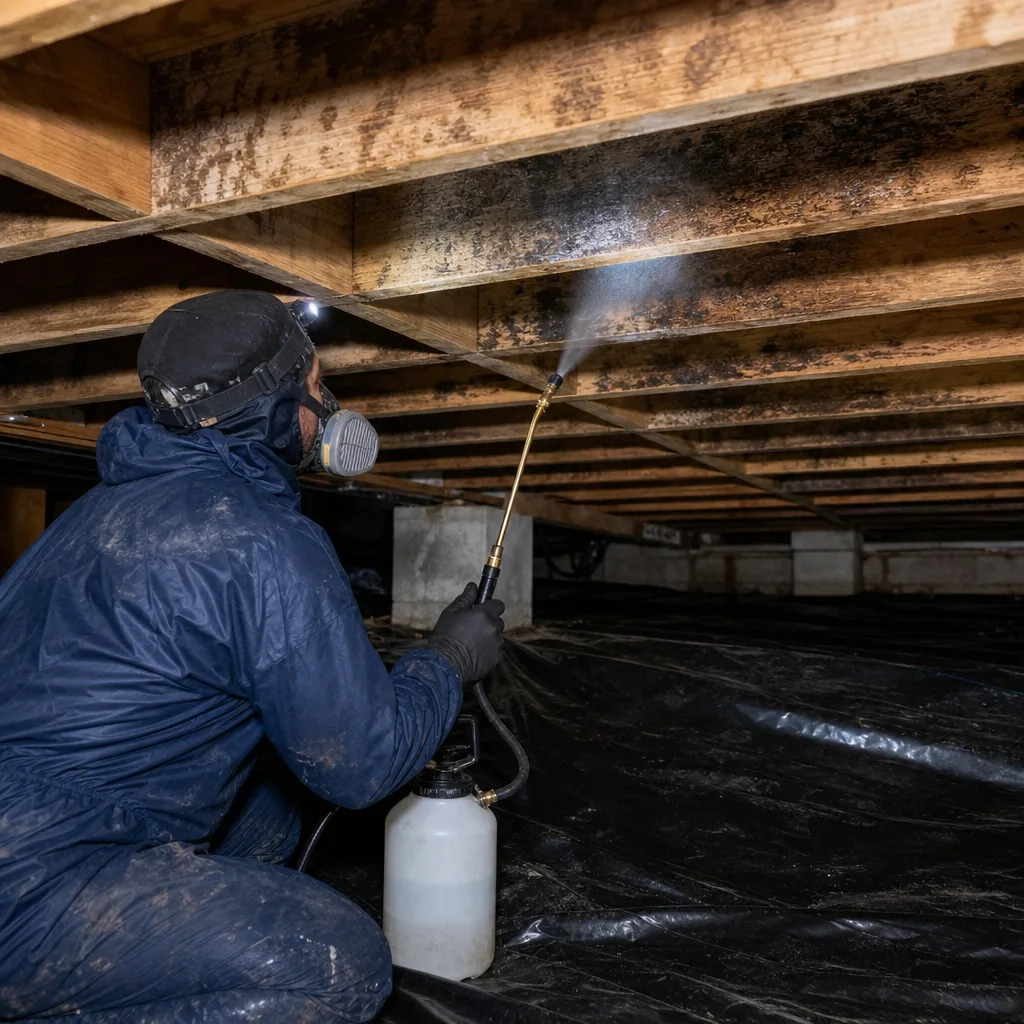
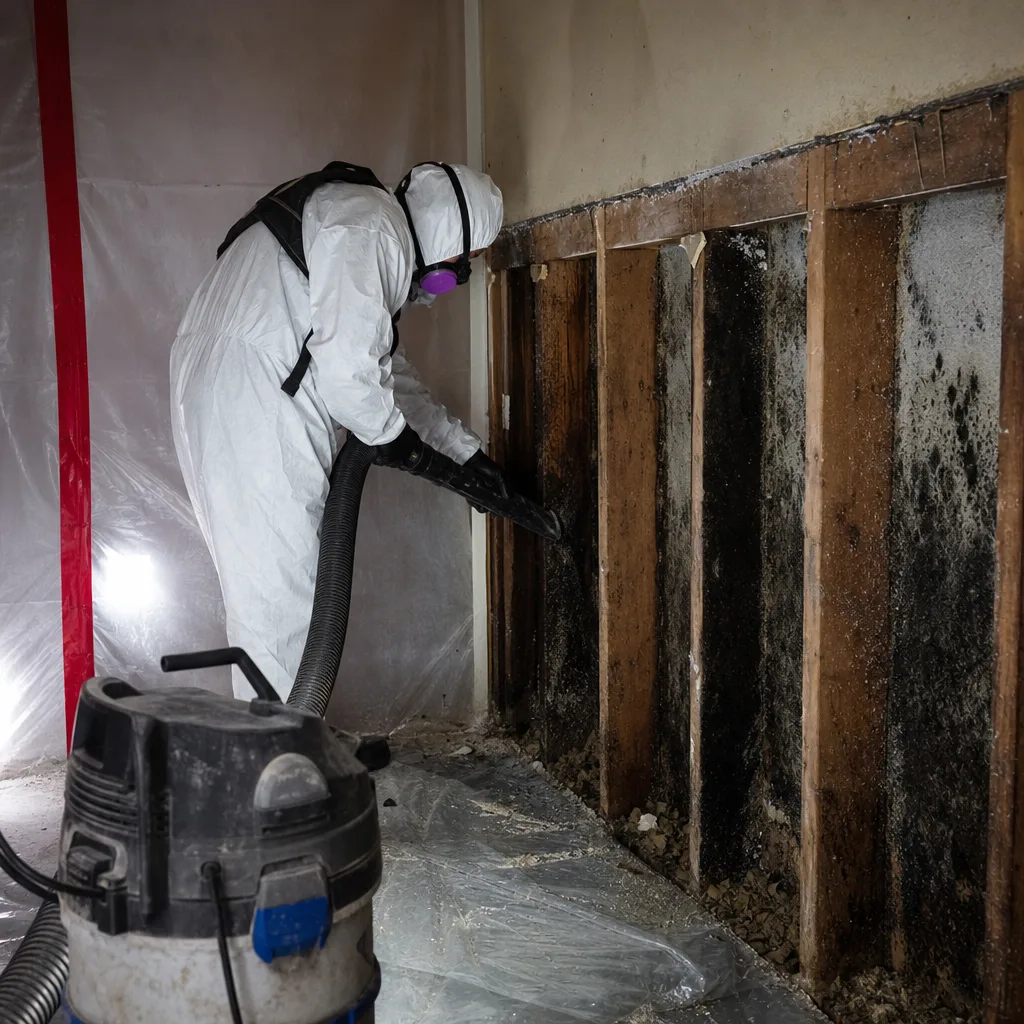
Smoke and ash from summer dry-season fires settle into East Foothills homes with hillside exposures far more heavily than valley-floor properties. Then winter storms hit fire-denuded slopes and push sediment-laden water into crawl spaces and against stem walls. This combined fire-and-water cycle is specific to East Foothills, and we treat it that way: structural compromise assessment alongside smoke remediation and water extraction. The line the water left is where we start, not where we finish.
What happens when you call
- 1
A real person answersNo phone trees - you reach a local pro.
- 2
You get an upfront price rangeHonest numbers before anyone is dispatched.
- 3
A background-checked tech heads outLicensed & insured, dispatched right away.
- 4
You approve before work beginsNothing starts until you say go.
Common Storm & Disaster Restoration Problems We See in East Foothills Homes
- Hillside drainage swales turned into debris chutes. The natural swales cut behind many 1960s homes on uphill streets collect debris during heavy rain and funnel it directly against foundations and into crawl spaces. Homeowners are often convinced they’re “too far uphill to flood” until the water shows up anyway.
- Asbestos surprises in post-WWII ranch homes. East Foothills’s housing stock was largely built between the early 1950s and mid-1970s, and many of those homes contain asbestos-bearing floor tiles, duct wrap, and popcorn ceilings. Skipping abatement before tearing out storm-damaged materials causes regulatory shutdowns and costly delays.
- Wind-load failures on door and roof repairs. Hillside exposures in East Foothills experience stronger and more sustained wind than flat San Jose neighborhoods. Repairing a door or roof to valley-floor standards means repeated blow-in damage each winter storm.
- Galvanized steel supply lines with pinhole leaks. Many original supply lines in East Foothills homes have corroded internally over fifty or sixty years. A slow leak behind a wall often goes undetected until storm-driven moisture pushes the hidden damage into full-blown mold and structural rot.
Pricing for Storm & Disaster Restoration in East Foothills, CA
Here’s the honest picture for East Foothills pricing, based on what we’ve seen across hundreds of local jobs. Emergency board-up typically runs $400 to $900 depending on the number of openings and the exposure. Roof tarping usually lands between $450 and $1,100, with steep hillside roofs on the upper end. Debris removal for a typical storm event in East Foothills costs $800 to $2,500 depending on volume and whether the material is water-contaminated. Crawl space extraction and drying after a drainage swale failure commonly runs $1,200 to $3,500. Full storm damage cleanup with structural assessment and rebuild work is scoped in writing after inspection. Every job includes a written scope before work starts. Estimates are free, and we bill your insurance carrier directly. Call (888) 737-2439 and we’ll come out, look it over, and put the number in front of you. No surprises on the bill.
Trusted Brands We Service in East Foothills
We work on every type of storm-damaged system in East Foothills homes, and our crews stock local parts for the common hardware and door assemblies found on 1950s through 1970s tract homes throughout 95127. Whether it’s impact-rated door hardware, wind-rated roof flashing, or moisture barriers for crawl space rehabilitation, we carry what East Foothills properties actually need. Our technicians are IICRC, RIA, and IFA certified, and we use Dri-Eaz and XPOWER equipment for extraction and drying on every job. Fast turnaround matters here, because the next storm system is usually close behind the last one.
How East Foothills’s Wildland-Urban Interface Changes the Restoration Job
East Foothills occupies the true wildland-urban interface where the Diablo Range rises directly behind residential streets. That position changes everything about storm and disaster restoration here. Summer downslope winds accelerate drying of the grasslands above the neighborhood, fueling grass and brush fires whose smoke loads infiltrate homes with hillside exposures far more heavily than properties a few miles west on the valley floor. Then winter atmospheric river storms hit those same fire-denuded slopes and generate rapid runoff and debris flows that overwhelm older storm infrastructure. The Calaveras Fault system threading through the hills layers in persistent seismic damage risk. So a restoration contractor in East Foothills routinely assesses structural compromise alongside debris and water cleanup, a dual risk that flat San Jose neighborhoods simply do not share.
We saw this firsthand after a winter atmospheric river event. We responded to a 1960s ranch on a hillside street off Alum Rock Avenue where debris-laden runoff had funneled through the natural swale behind the home, saturating the crawl space and undermining a slab corner. Our crew used XPOWER air movers and a Dri-Eaz dehumidifier to dry the crawl space, then repaired wind-damaged roof flashing and reinforced the rear door with impact-rated hardware before the next frontal system arrived. That’s East Foothills work: water, debris, structure, and wind all on the same hillside property at the same time. Get our full overview of how we handle this Storm & Disaster Restoration in East Foothills and what it means for your home.
Key Takeaways for East Foothills Homeowners
- Storm restoration here means structural assessment alongside debris and water cleanup, not one or the other.
- Homes built between 1950 and 1975 often contain asbestos materials that trigger abatement before demolition.
- Drainage swales behind uphill homes fail predictably during atmospheric river events, even on properties that never flood on paper.
- Wind-load reinforcement for doors and roofs must meet hillside exposure standards, not valley-floor standards.
- Floodline Restoration Co. answers the phone with a live person at (888) 737-2439, 24/7, and every job is backed by the 90-Day Done Right Promise in writing.
We Also Serve Cities Near East Foothills
Our crews work throughout the hillside and valley communities around East Foothills, including Alum Rock, San Jose, Milpitas, and Communications Hill. If you’re in one of those areas and storm damage has hit your property, call (888) 737-2439 and a live dispatcher will route a certified crew your way. We stand behind everything we do, in every ZIP code we serve.
Serving East Foothills, CA - Our Local Coverage Area
We’re based in the East Foothills area and know this community well. Use the map below to see our service coverage - if you’re nearby, we can almost certainly help.
FAQs - Storm & Disaster Restoration in East Foothills
East Foothills sits at the base of the Diablo Range with strong downslope winds that accelerate across the hillsides and hit door and roof exposures with significantly more force than properties on the flat San Jose valley floor. A standard door assembly that holds fine in Alum Rock or central San Jose may blow in repeatedly on an East Foothills hillside street. Wind-rated door hardware and proper reinforcement prevent repeated storm damage each winter. Call (888) 737-2439 and we’ll assess your door exposures before the next frontal system arrives.
A failing exterior door shows itself in specific ways: visible gaps around the frame, a door that sticks or won’t latch cleanly, warping from previous water exposure, or hardware that’s loose at the hinges. On an East Foothills hillside exposure, that door is the weak point in your home’s wind envelope, and once it fails during a storm, water and debris pour in behind it. The repair is urgent. It should be assessed and reinforced before the next heavy wind event, not after. We complete most door reinforcement work in a single visit.
After a hillside fire strips vegetation from the Diablo Range slopes above East Foothills, the next rainy season brings a sharp increase in debris-laden runoff and mudflows that funnel down the natural drainage channels and swales. Homeowners should expect saturated crawl spaces, sediment against stem walls, and in some cases, undermined slab corners. The damage often hits homes that have never flooded before, because the hillside above them has changed its drainage behavior. We respond to these post-fire storm events with full extraction, drying, and structural assessment. Estimates are free, and we work directly with your insurance carrier.
Yes. East Foothills’s housing stock is dominated by post-WWII ranch homes built largely between the early 1950s and mid-1970s, and a significant share contain asbestos-bearing materials, including floor tiles, duct wrap, and popcorn ceilings. Any fire, water, or storm restoration work that involves demolition or material disturbance triggers abatement requirements. Skipping the asbestos check causes regulatory shutdowns and costly delays mid-project. We handle the assessment as part of our written scope before any work begins.
Yes. The natural drainage swales cut behind many 1960s homes on uphill streets act as debris chutes during heavy atmospheric river events, saturating crawl spaces and undermining slabs on properties whose owners are convinced they’re “too far uphill to flood.” This is a foothill-specific failure mode that standard flood-zone maps don’t show, and we see it every winter in East Foothills. If you’ve noticed water in your crawl space after a heavy rain, call (888) 737-2439 for a free assessment before the next storm makes it worse. Senior and veteran homeowners receive a 5% discount, always.
Written by Curt Bowman, Owner at Floodline Restoration Co., serving East Foothills and the surrounding communities with storm and disaster restoration since 2010.