
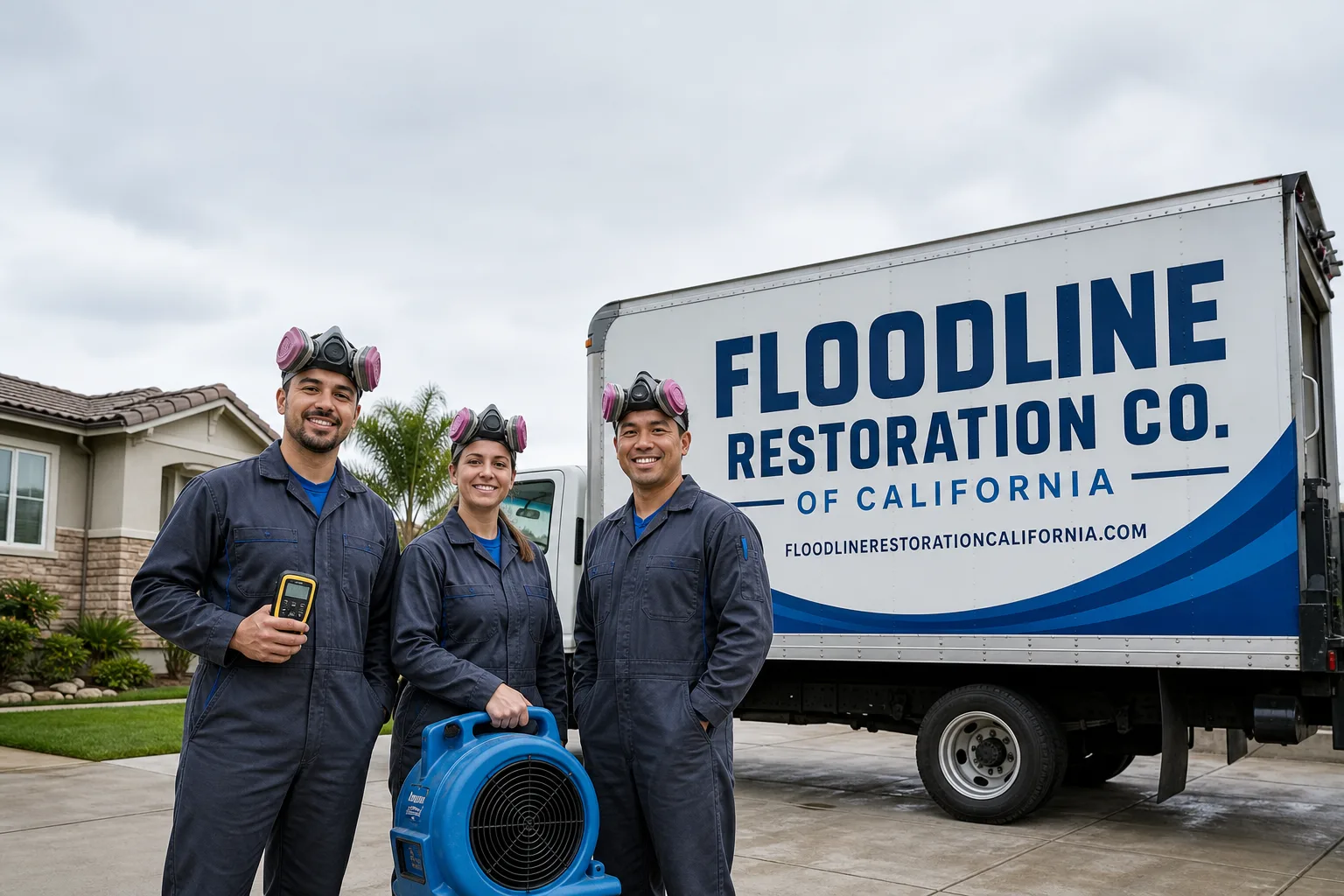
Fast, Reliable Sewage Cleanup Across San Francisco
Sewage cleanup in San Francisco typically costs $1,800-$6,500 depending on how far the black water traveled through your walls, floors, or crawl space, and whether framing needs removal. Most jobs in our service area are started the same day you call, with extraction running before the crew leaves that first visit. If you’ve got a toilet overflow in Noe Valley, a backup in a Mission District soft-story garage, or a broken cast-iron waste line in a Nob Hill Victorian, call (888) 737-2439 and a live dispatcher picks up, day or night.
We work in San Francisco’s older wood-frame buildings every week, so we come knowing what’s behind the lath and plaster before we open the wall. That matters when sewage has been soaking old-growth redwood inside a fog-damp balloon-frame cavity. The clock starts before you even notice the smell, and in this city it moves faster than most restoration companies are set up to handle. Our crews are local to the Bay Area, dispatched specifically to San Francisco neighborhoods, and trained to work under DBI rules while the job is still an emergency.
Why Floodline Restoration Co. of California Is San Francisco’s Preferred Sewage Cleanup Company
Floodline Restoration Co. of California has spent over 42 years in restoration work, and our San Francisco crews know the difference between a 1920s Edwardian flat floor system and a 1970s remodel. That matters because a sewage backup behaves completely differently in a balloon-frame building than in a platform-frame one. We’ve pulled sewage out of crawl spaces under Visitacion Valley bungalows and cut open walls in Chinatown mixed-use buildings where three generations of piping share one chase. Local knowledge isn’t marketing copy here; it’s what keeps us from knocking holes in the wrong stud bay.
Reviews from San Francisco homeowners consistently mention two things: that we answered the phone at the hour the backup happened, and that the crew stayed until the moisture readings were logged and the drying plan was clear. Background-checked, uniformed technicians do the work. Every job is documented with photos and moisture logs, which makes direct insurance billing cleaner for the homeowner and the adjuster. You’ll talk to a live dispatcher at 2 a.m., not a call-back service. Curt Bowman, who founded Floodline Restoration Co., set the company standard that the person who answers the phone should know what a sewage loss actually looks like and what to do first.
Every job we complete in San Francisco carries the 90-Day Done Right Promise, our written Keystone Standard. If it’s not done right, we make it right. No paperwork battles, no arguing. We put that in writing before we leave.
Our Sewage Cleanup Services in San Francisco
We handle the full scope of Category 3 water damage in San Francisco, from the first extraction to the final rebuild permit sign-off. These are the services our local crews run most often in the 94122, 94123, 94124, and 94125 ZIP codes.
Sewage Backup Cleanup
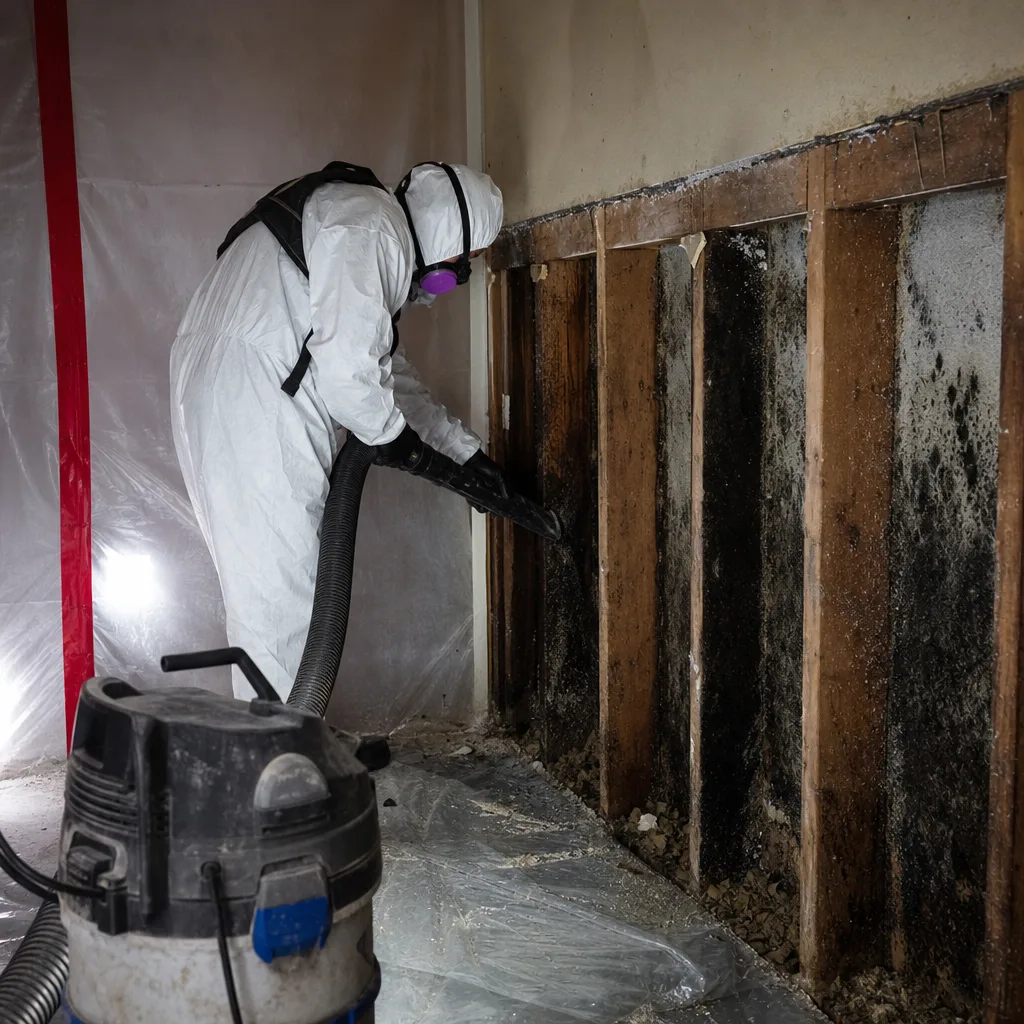
Sewage backups in San Francisco are usually a failed waste line, a clogged building drain, or a city sewer surcharge pushing back into ground-level floors. In the Mission and the Castro, we see a lot of soft-story garages where the floor drain backs up and black water runs across the slab and into the wall cavities above. We extract, cut wet drywall and plaster to solid wood, and treat every affected surface with an EPA-registered disinfectant before drying begins. Because San Francisco’s marine layer keeps background moisture high, we don’t rely on how the surface feels. We log moisture content daily with our meters until the dry standard is met.
Toilet Overflow Cleanup
A toilet overflow in a 1920s flat doesn’t stay a bathroom problem for long. The original fir floorboards soak through, and the water travels down into the ceiling below or sideways into uninsulated stud bays. In Noe Valley and the Richmond, we’re often working inside rooms where lath-and-plaster walls are original, which means containment is essential before any cutting starts. We set up containment, run extraction, and map the moisture spread with thermal imaging. Then we tell you plainly what dried and what has to come out.
Septic Failure Cleanup
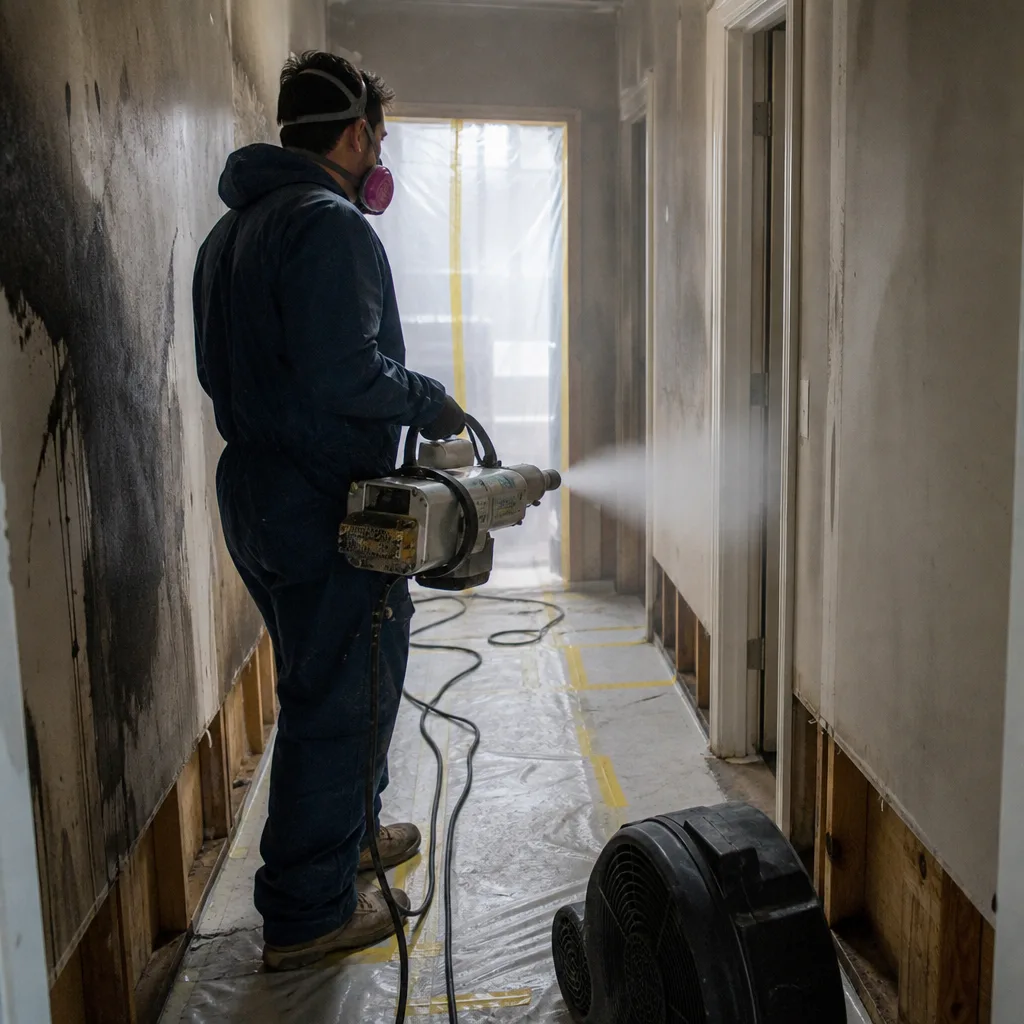
Though most of San Francisco is on the municipal sewer system, a handful of older properties in the western and southern neighborhoods still rely on private septic or holding-tank arrangements, and failure there is a different animal. We handle the cleanup, the black water extraction, and the sanitization. We also coordinate with your plumber and the DBI on the repair permit side so the open permit doesn’t leave your soaked subfloor waiting a week to come out. Sewage sitting under a Visitacion Valley house for seven extra days isn’t acceptable, and we move accordingly.
Black Water Extraction
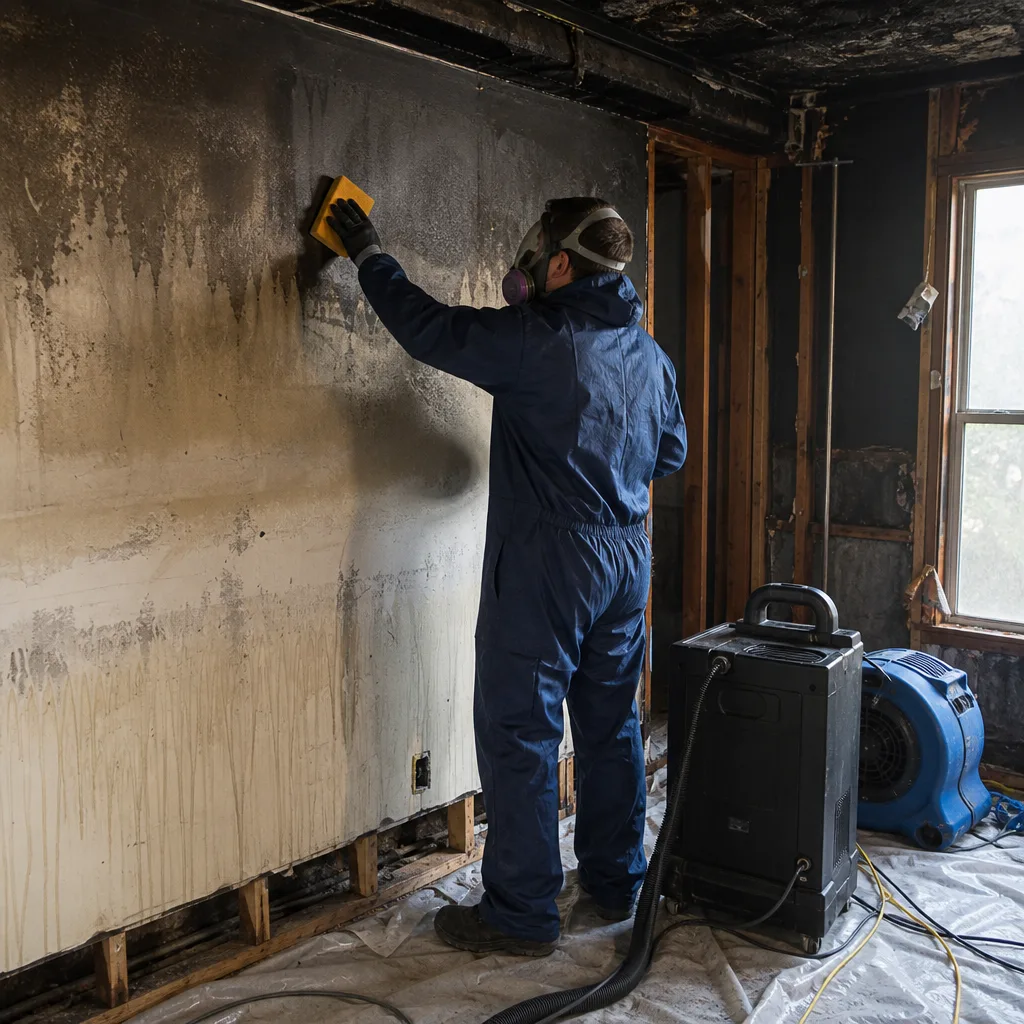
Black water is sewage, by definition, and it carries bacteria, viruses, and parasites. Extraction is the first and most urgent step. We use truck-mounted and portable extraction equipment to lift standing sewage out of floors, crawl spaces, and slab basins before it can migrate deeper into framing and foundation systems. In San Francisco, where old wood framing is often already carrying elevated moisture from fog and salt air, the margin for delay is much narrower than inland. We start extraction on the first visit, not tomorrow.
What happens when you call
- 1
A real person answersNo phone trees - you reach a local pro.
- 2
You get an upfront price rangeHonest numbers before anyone is dispatched.
- 3
A background-checked tech heads outLicensed & insured, dispatched right away.
- 4
You approve before work beginsNothing starts until you say go.
Trusted Brands We Service in San Francisco
We run professional-grade equipment from Dri-Eaz and Phoenix on every San Francisco sewage job, because these machines move enough air and pull enough moisture to actually meet dry standards in fog-heavy building cavities. Smaller consumer-grade fans don’t. We stock parts and supplies locally for our Bay Area customers, so a failed dehumidifier pump or a torn containment panel doesn’t stall your job by three days. Our technicians are trained to IICRC, RIA, and IFA standards and use the same equipment daily that we trust on your home’s sewage loss.
Common Sewage Cleanup Problems We See in San Francisco Homes
- Fog-damp framing hides the true moisture load. San Francisco’s marine layer keeps old-growth redwood and fir framing at a higher background moisture content year-round. When sewage soaks that same wood, moisture meters can give misleading readings unless the technician understands the pre-loss baseline. We use thermal imaging alongside pin meters to map the damage accurately.
- Balloon-frame cavities move sewage vertically. In Victorians and Edwardians built before 1930, open wall cavities run from foundation to attic with no fire blocking. A toilet overflow on the second floor ends up in the first-floor wall, the crawl space, and sometimes the garage ceiling. That architecture changes where we open walls and how long drying takes.
- DBI permits and historic-preservation overlays add time. In historic districts across San Francisco, even emergency structural repair needs the right permit and often period-appropriate materials. We can file DBI paperwork and source matching old-growth redwood or period millwork so a sewage damage project doesn’t sit half-finished while the permit gets sorted.
- Soft-story garages trap sewage under the building’s weakest point. In the 94109 and 94110 areas, wood-frame apartments over open garages are everywhere. A sewage backup at garage level seeps into uninsulated cavities above, usually hidden from view. Without thermal imaging and aggressive drying, that’s a future mold colony in the making.
Pricing for Sewage Cleanup in San Francisco, CA
Here are honest, realistic ranges for the San Francisco market. Every job is different because the building stock is different, but these numbers should help you plan:
- Septic waste cleanup with full sanitization: $1,600-$2,900
- Toilet overflow cleanup in a single bathroom: $1,500-$3,200
- Sewage backup extraction with drying equipment: $2,500-$6,500
- Crawl space sewage removal and treatment: $2,800-$5,500
- Full black water extraction with wall removal and drying: $4,000-$12,000
What moves the number: how much sewage is in the structure, how far it traveled, whether framing is saturated, and whether a DBI repair permit and historic-preservation materials are required. Our estimate is free, and it’s detailed before any work starts. We bill your insurance carrier directly and handle the paperwork. Call (888) 737-2439 for an exact scope and written estimate.
We Also Serve Cities Near San Francisco
Our crews work throughout San Francisco and the surrounding neighborhoods, including the Mission District, Noe Valley, Chinatown, and Visitacion Valley. If you’re in one of these areas, you’ll get the same emergency response and local crew from Sewage Cleanup in San Francisco. We also cover the wider Bay Area from our San Francisco Bay Area office, and our Sewage Cleanup team handles the full range from backup to rebuild.
Serving San Francisco, CA - Our Local Coverage Area
We’re based in the San Francisco area and know this community well. Use the map below to see our service coverage - if you’re nearby, we can almost certainly help.
FAQs - Sewage Cleanup in San Francisco
For the cleanup work itself, DBI does not require a permit, but the plumbing repair that caused the backup often does, and if structural framing must be repaired or replaced, a building permit is required. A sewage cleanup company in San Francisco that doesn’t know DBI’s permit rules can leave you exposed on an open permit while your wall sits open. We file the right permits as part of our scope, so the rebuild doesn’t stall.
Because the sewage travels into balloon-frame cavities where the old-growth redwood is already damp from fog condensation, and Category 3 water triggers secondary mold in 24-48 hours in San Francisco’s humid marine layer. If the first responder only extracts the visible water and leaves the wall closed, bacteria and mold grow inside the cavity. Two weeks later the homeowner smells it, and the insurance claim is now a mold contamination claim with a much bigger scope. Call (888) 737-2439 and we’ll map the moisture correctly the first day.
Six to ten days is realistic for old-growth redwood that was saturated with sewage, not the three-day standard used for inland framing. San Francisco’s marine layer keeps relative humidity high, and redwood wicks and holds water far longer than modern dimensional lumber. We run Dri-Eaz dehumidifiers and XPOWER air movers with daily moisture readings until the dry standard is met, and we log every reading for you and your insurance carrier.
If the subfloor is solid and only surface-saturated, sanitizing with an EPA-registered disinfectant and aggressive drying usually works. If the sewage has penetrated the tongue-and-groove joints and the wood is delaminating or spongy, that section comes out. In older San Francisco flats with original fir flooring, we often find hidden pockets of moisture between the subfloor and the finished floor that require lifting boards to dry correctly. We’ll tell you the truth, and we’ll show you the moisture map before we cut.
San Francisco’s older, denser housing stock and its DBI and historic-preservation rules make sewage cleanup slower and more permit-sensitive than a newer suburban house in Daly City or Pacifica. The building materials are older, the framing is balloon-style and often fog-moistened, and the city expects professional-grade containment and moisture documentation. A company used to tract homes in the Peninsula will consistently underestimate drying time and permit obligations in San Francisco. We’d rather tell you honestly on day one than surprise you on day ten. Call (888) 737-2439 for an exact quote, and we’ll walk you through the scope.
Written by Curt Bowman, Owner at Floodline Restoration Co. of California, serving San Francisco and the Bay Area.