
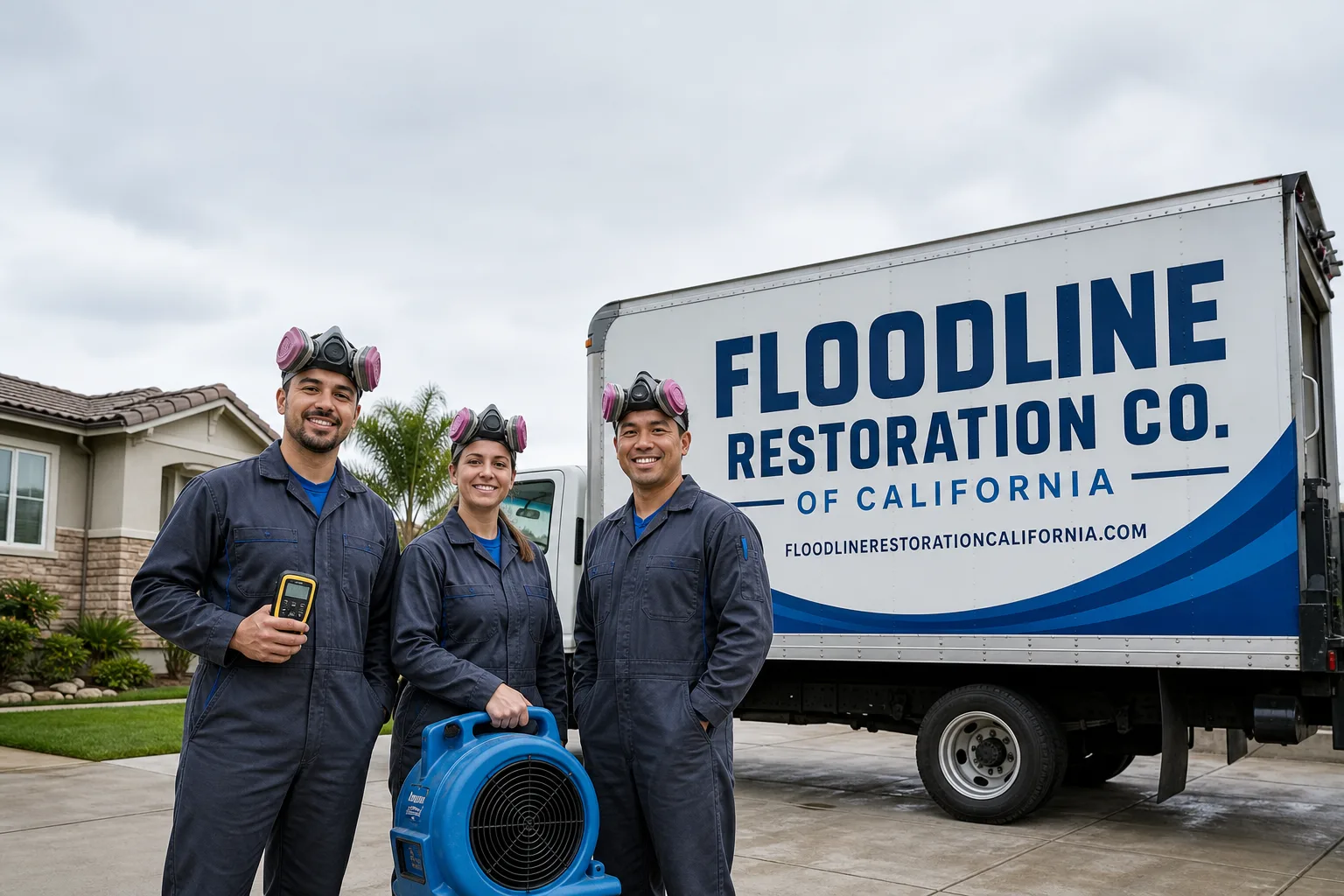
Fast, Reliable Mold Remediation Across Placentia
Mold remediation in Placentia typically costs $1,800-$6,500 depending on how far the colony has spread and whether it’s behind walls, under slab flooring, or in a crawl space. Most inspections in Placentia can be scheduled within 24 hours, and our crews arrive in marked trucks with moisture-mapping equipment already loaded. If you’re seeing dark staining along baseboards, smelling something musty near a hallway, or noticing a warm spot underfoot on a slab floor, call (888) 737-2439 and a live dispatcher will walk you through what happens next.
We’ve worked both sides of Placentia: the Old Town blocks near Bradford Avenue where balloon-frame walls hide vertical moisture paths, and the 1960s-1980s tracts off Kraemer Boulevard where copper slab lines pinhole under decades of hard water. Those two housing types fail differently, and a mold plan that works for one won’t fix the other. That’s the local knowledge that matters when you’re deciding who to let into your home.
Why Floodline Restoration Co. of California Is Placentia’s Preferred Mold Remediation Company
Placentia homeowners call us because we answer the phone with a person, not a menu. At 2 a.m. on a Sunday, a live dispatcher picks up. That matters when you’ve just found mold under a bathroom vanity and you don’t know whether it’s been there for weeks or months. We’ll tell you what we can see from your description, what it likely means, and when a certified crew can be standing in your driveway.
Our technicians are background-checked, uniformed, and trained to IICRC, RIA, and IFA standards. They carry Dri-Eaz and Phoenix equipment, which means the moisture readings you get on day one are the same readings we log every day until the dry standard is met. Curt Bowman founded this company in 2010 around a dispatch board, not a sales desk. We’re the crew that shows up, does the work, and hands you a moisture log with the 90-Day Done Right Promise in writing before we leave.
In Placentia specifically, our familiarity with the two dominant housing eras means we don’t waste time guessing. We know a 1970s tract home near Orangethorpe Avenue is going to present a different moisture profile than a 1930s craftsman near Santa Fe Avenue. That experience shapes where we probe first, which containment boundaries we set, and how we sequence the drying plan.
Our Mold Remediation Services in Placentia
Mold Inspection & Testing
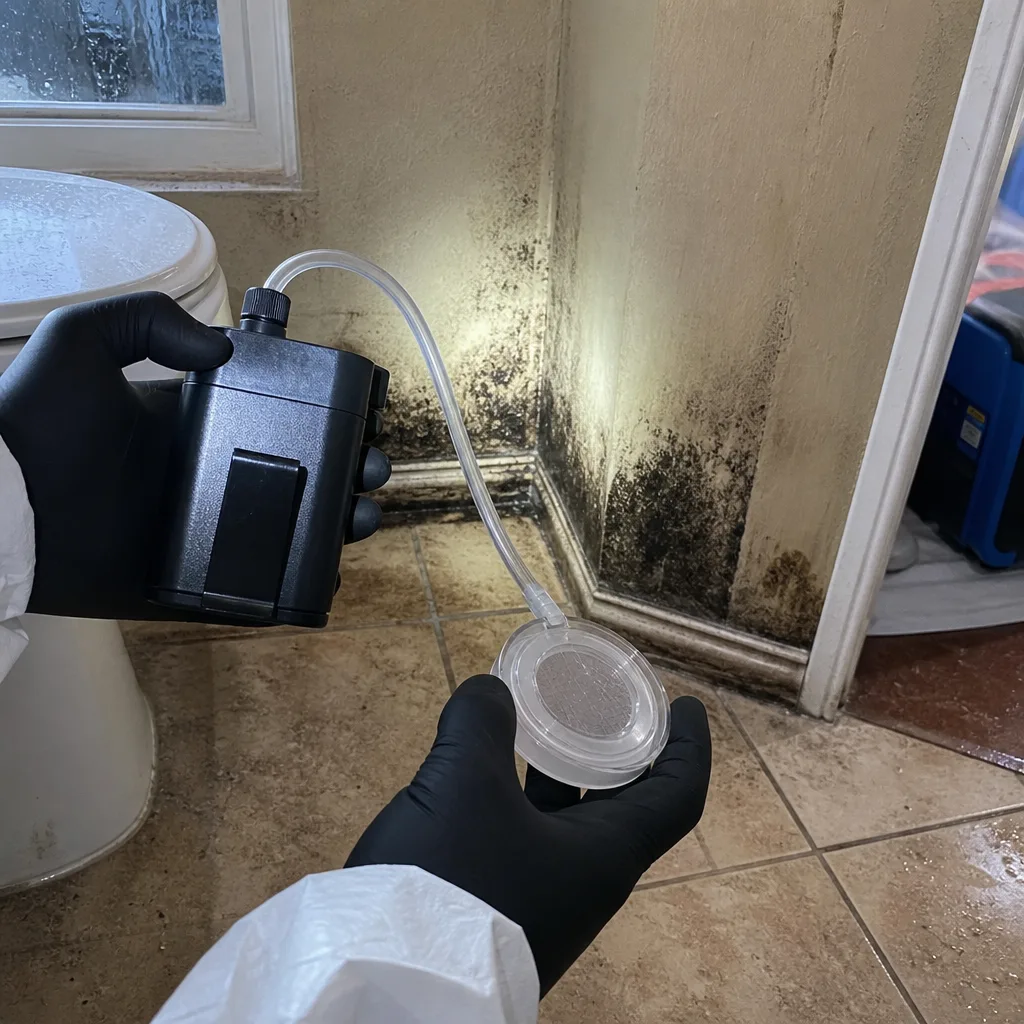
We start every Placentia mold job with a real inspection: visual sweeps in the likely failure zones, infrared scanning with Dri-Eaz cameras, and moisture readings at wall bases, under sinks, and along slab edges. In Placentia’s slab-on-grade tracts, we pay particular attention to warm spots on vinyl or hardwood flooring, because that’s the classic signature of a concealed copper pinhole leak that has been feeding mold between the concrete and the floor for months. If testing is warranted, we collect samples and send them to an independent lab, then walk you through exactly what the report says and what it means for your house.
Mold Removal
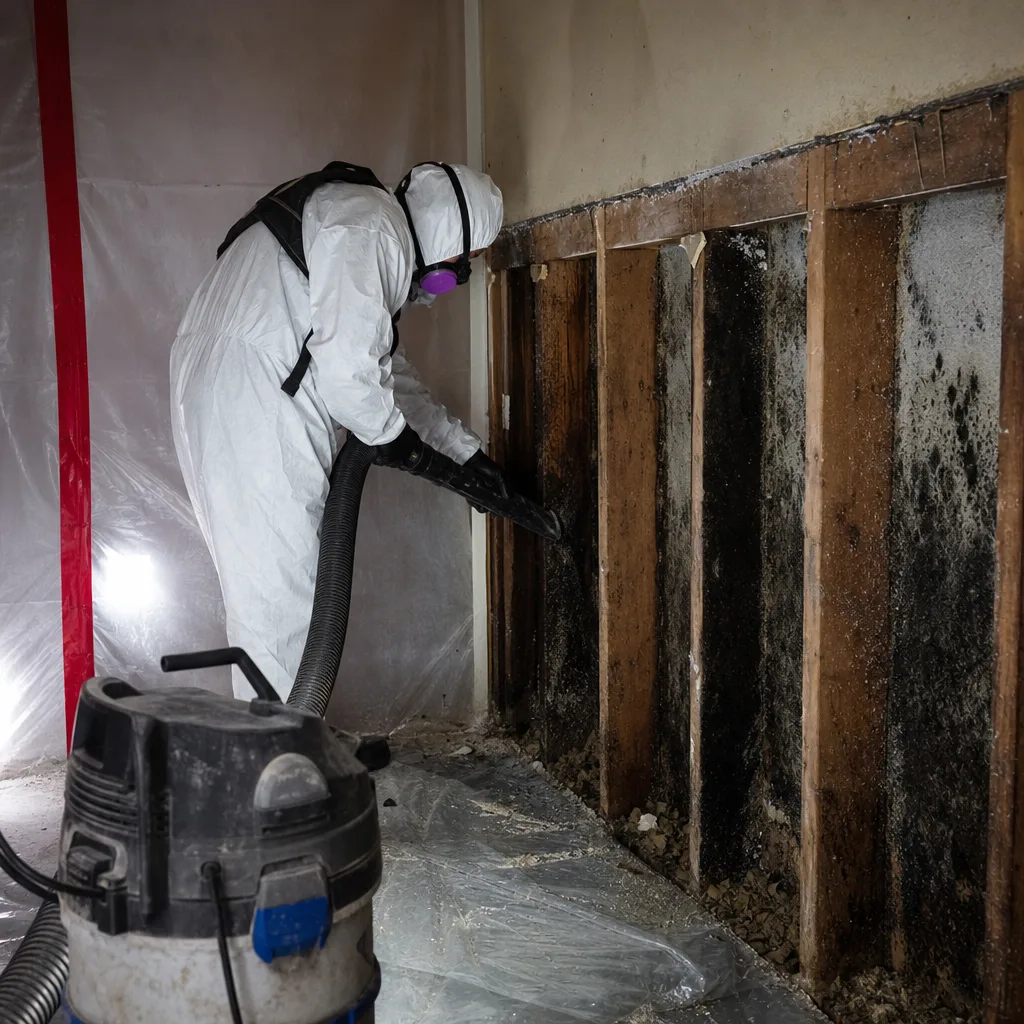
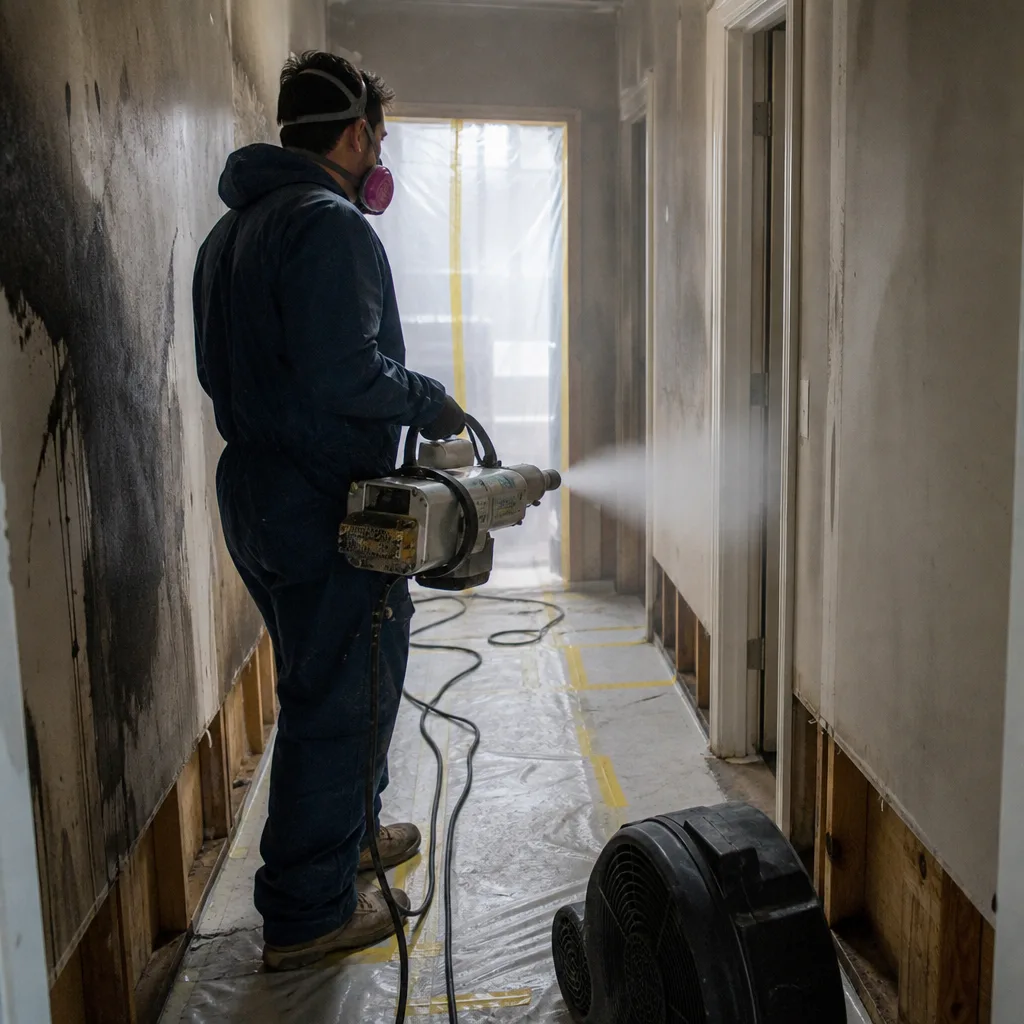
When we find colonies in Placentia homes, the removal process is contained and methodical. We set negative-air containment around the affected area so spores don’t spread into hallways or HVAC returns while we cut away damaged drywall, lift affected flooring, and bag contaminated materials. In Old Town homes with balloon-frame construction, we check wall cavities above the visible damage, because the original framing creates vertical channels that carry moisture and mold upward in ways a 1990s platform-framed house never would. We don’t just spray and walk away; we remove the source, treat the cavity, and verify with post-remediation readings.
Black Mold Remediation
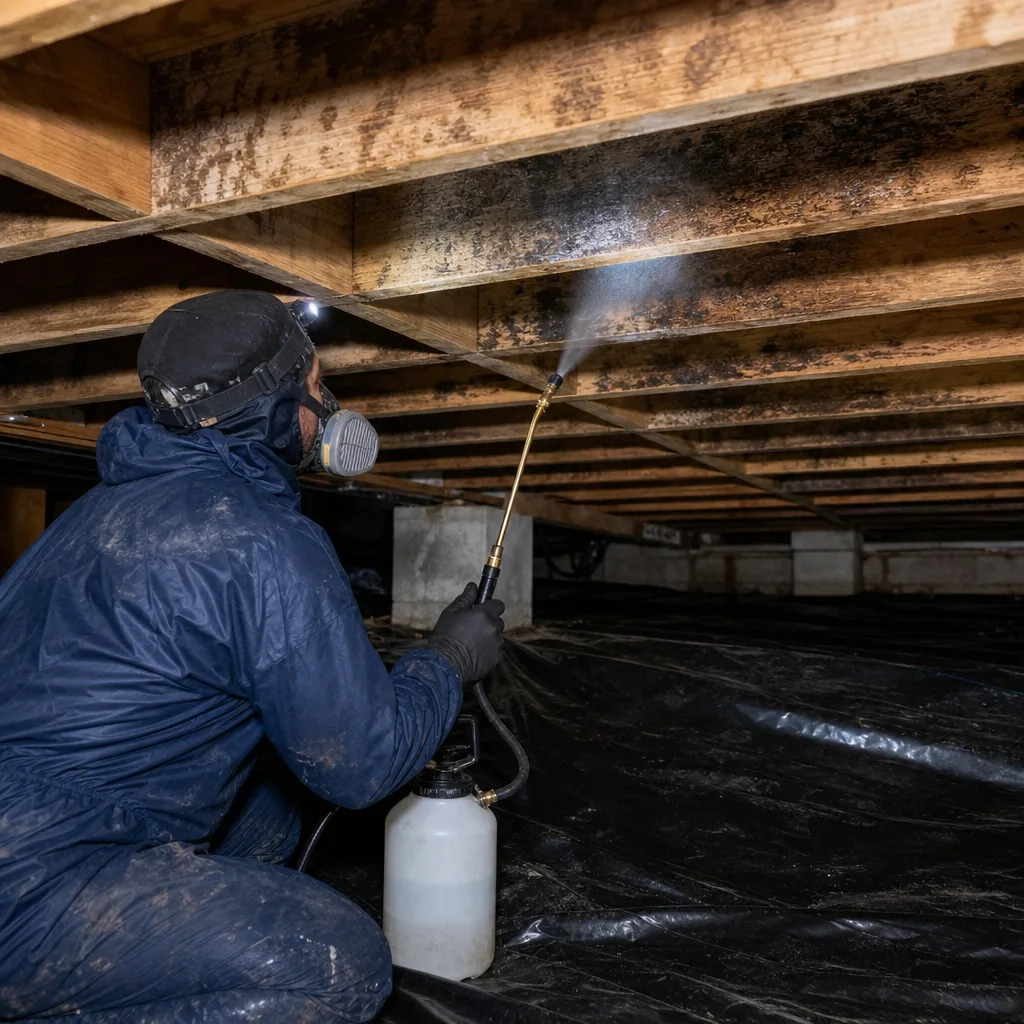
Black mold, or Stachybotrys, gets more attention than other species because it’s associated with chronic moisture and can produce mycotoxins. In Placentia, we most often find it under slab flooring that’s been quietly wet for months, behind laundry walls, and in crawl spaces where Santa Ana wind-driven dust has layered organic material over residual moisture. Our approach is the same as for any mold: contain first, remove the affected material, treat the surfaces, and dry the space to the target standard. We never recommend “just spraying something on it” because that doesn’t remove the colony or fix the moisture source.
Air Quality Restoration
After removal and drying, we run HEPA-filtered air scrubbers to pull airborne spores and fine particulates out of the living space. In Placentia’s older homes, where original plaster walls and hardwood floors have decades of embedded dust, this step makes a noticeable difference in how the house smells and how it feels to breathe. We’ll take post-remediation air samples if you want third-party verification, and we’ll give you a written report showing what was found, what was removed, and where the moisture readings settled.
What happens when you call
- 1
A real person answersNo phone trees - you reach a local pro.
- 2
You get an upfront price rangeHonest numbers before anyone is dispatched.
- 3
A background-checked tech heads outLicensed & insured, dispatched right away.
- 4
You approve before work beginsNothing starts until you say go.
Mold Remediation Problems We See in Placentia Homes
- Hidden slab leaks under vinyl and hardwood. Placentia’s 1960s-1980s tract homes were built on concrete slabs. Copper supply lines buried in or under those slabs corrode from Orange County’s hard water, develop pinhole leaks, and feed mold between the concrete and the flooring for months. Homeowners often discover it only when a floor feels warm or the water bill ticks upward.
- Balloon-frame moisture wicking in Old Town. The pre-WWII craftsman and bungalow homes near Bradford Avenue were built with balloon framing, meaning wall studs run continuously from foundation to attic. Moisture from a slab leak or a plumbing failure wicks vertically through those original cavities, carrying mold upward past modern containment barriers and into rooms far from the source.
- Santa Ana wind-driven dust in vents and crawl spaces. Placentia’s inland position in the Fullerton-Placentia valley means Santa Ana events arrive with less coastal buffering than Anaheim Hills or even Fullerton. That wind pushes fine dust and organic debris into poorly sealed crawl space and garage vents, and when residual moisture is present, that organic layer becomes a mold growth medium faster than most homeowners expect.
- Older drainage overwhelmed in wet cycles. During El Niño winters, runoff from the Carbon Canyon and Brea Canyon foothills to the north can push capacity in Placentia’s older drainage corridors. Lower-lying residential pockets see ground-floor and garage flooding, and if drying isn’t thorough, the wall bases and subfloor hold enough moisture to support mold within days.
Why Placentia’s Hidden Slab Leaks and Balloon-Frame Wicking Need a Different Mold Plan
Here’s what a generic mold page won’t tell you about Placentia: the city packs two vulnerability eras into a four-square-mile footprint, and they demand different approaches. The pre-WWII Old Town homes near Bradford Avenue have balloon-frame construction, original galvanized supply lines, and cast-iron drains. When moisture gets into those wall cavities, it travels vertically, bypassing whatever containment barrier you set at the baseboard line. A crew that only treats the visible damage will miss the colonies spreading upward through the stud bays. Blocks away, the 1960s-1980s slab-on-grade tracts hide a different problem: copper lines corroding under hard water, pinhole-leaking inside or beneath the concrete, and feeding mold between slab and flooring for months before anyone notices. In a 1970s tract home near Kraemer Boulevard and Orangethorpe Avenue, our crew traced a hidden mold colony under vinyl flooring to a pinhole leak in a hard-water-degraded copper slab line. After moisture mapping with Dri-Eaz infrared cameras, we performed contained removal, applied antimicrobial treatment, and installed moisture barriers to prevent recurrence. That job required a slab-specific plan: find the leak, open the floor at the right spot, dry the concrete to standard, and only then rebuild. A generic mold protocol would have missed the source entirely.
Placentia’s restoration market sits at the intersection of those two housing eras, with Santa Ana wind events layered on top. The wind blows dust and debris into crawl spaces and vented garages, and in homes with residual slab moisture, that organic dust accelerates mold growth in the exact places you can’t see from the living room. We train our crews to check both failure modes on every Placentia job, because the city’s housing stock demands it.
Pricing for Mold Remediation in Placentia, CA
A focused mold removal in Placentia, where the colony is contained to one bathroom or a single wall cavity, typically runs $1,800-$3,200. A whole-room remediation with flooring removal, drywall replacement, and full containment usually lands between $3,500 and $6,500. Crawl space treatment in Placentia, including debris removal, antimicrobial application, and moisture barrier installation, generally falls in the $1,200-$2,800 range depending on square footage and access. Air quality restoration with HEPA scrubbing and post-remediation sampling adds $400-$900 on average. These are Placentia market numbers, not national averages. What moves the final figure: how far the colony has spread, whether slab concrete needs to be dried, whether balloon-frame cavities are involved, and what the moisture mapping reveals in the first hour. Estimates are free. Call (888) 737-2439 and we’ll give you a written scope before any work starts.
We Also Serve Cities Near Placentia
If you’re in Brea, Anaheim, Fullerton, or Yorba Linda, our Mold Remediation crews cover those communities with the same dispatch and equipment. Our Placentia coverage area extends through the 92870 and 92871 ZIP codes and into the neighboring foothill neighborhoods whenever the call comes in.
Serving Placentia, CA - Our Local Coverage Area
We’re based in the Placentia area and know this community well. Use the map below to see our service coverage - if you’re nearby, we can almost certainly help.
FAQs - Mold Remediation in Placentia
Slab-on-grade construction means copper supply lines run through or beneath the concrete foundation. Decades of Placentia’s hard water corrode those lines until they develop pinhole leaks, and the water migrates laterally under the slab, saturating the underside of vinyl or hardwood flooring. By the time you feel a warm spot underfoot or notice a water bill spike, mold has often been growing between the concrete and the flooring for months. The fix requires finding the leak, opening the floor at the right location, drying the slab to standard, and treating the affected space. Call (888) 737-2439 to schedule an inspection with infrared scanning.
Balloon-frame walls run studs continuously from foundation to attic with no fire blocking or horizontal separation. When moisture enters those wall cavities from a plumbing leak or slab wicking, it travels vertically through the original framing, carrying mold upward into rooms far from the visible damage. We have to inspect the full wall height, not just the wet spot, and set containment boundaries that account for vertical spread. Our experience with the Bradford Avenue historic district means we check those cavities on day one, not after the colony reappears months later.
The first step is a moisture map. We run Dri-Eaz infrared cameras over the floor and wall bases to identify the source and extent of the wet area, then take moisture readings at the slab surface to determine how far the water has migrated. That map tells us where to open the floor, whether the concrete needs drying, and what containment zone we need to set. Without that map, you’re guessing at the leak location and risking a partial fix. Call (888) 737-2439 and we’ll bring the cameras on the first visit.
Yes. Placentia sits inland in the Fullerton-Placentia valley, which means offshore Santa Ana events arrive with less coastal buffering than they do in Anaheim Hills or Fullerton. The wind pushes fine dust and organic debris through poorly sealed crawl space vents and garage openings, and when residual moisture is present from a slab leak or drainage issue, that organic layer becomes a mold growth medium. We recommend annual vent and crawl space checks in Placentia, particularly after red-flag wind events, and we can install sealed vent covers and moisture barriers to reduce the load.
Because they fail differently, and a crew that only knows one housing type will misdiagnose the other. Old Town balloon-frame homes wick moisture vertically through original wall cavities. Tract-era slab-on-grade homes hide copper pinhole leaks under concrete for months. A technician who has only ever worked on post-1990 platform framing won’t think to check the wall cavities above the visible damage in a Bradford Avenue craftsman, and won’t recognize a warm spot underfoot as a slab leak signature in a Kraemer Boulevard tract. Our crews work both housing stocks every week, and our moisture mapping catches what a generic inspection would miss. Call (888) 737-2439 for an assessment from people who actually know Placentia’s housing.
Call Floodline Restoration Co. of California for Mold Remediation in Placentia
If you’ve found mold, smelled something wrong, or noticed a warm spot on your slab floor, call us at (888) 737-2439. A live dispatcher answers 24/7. We’ll schedule a free estimate, send a certified Placentia crew, and give you a written scope before any work starts. Every job is backed by the 90-Day Done Right Promise, in writing. Stand on that.
Written by Curt Bowman, Owner at Floodline Restoration Co. of California, serving Placentia’s Old Town and tract neighborhoods with mold remediation, moisture control, and full restoration since 2010.