
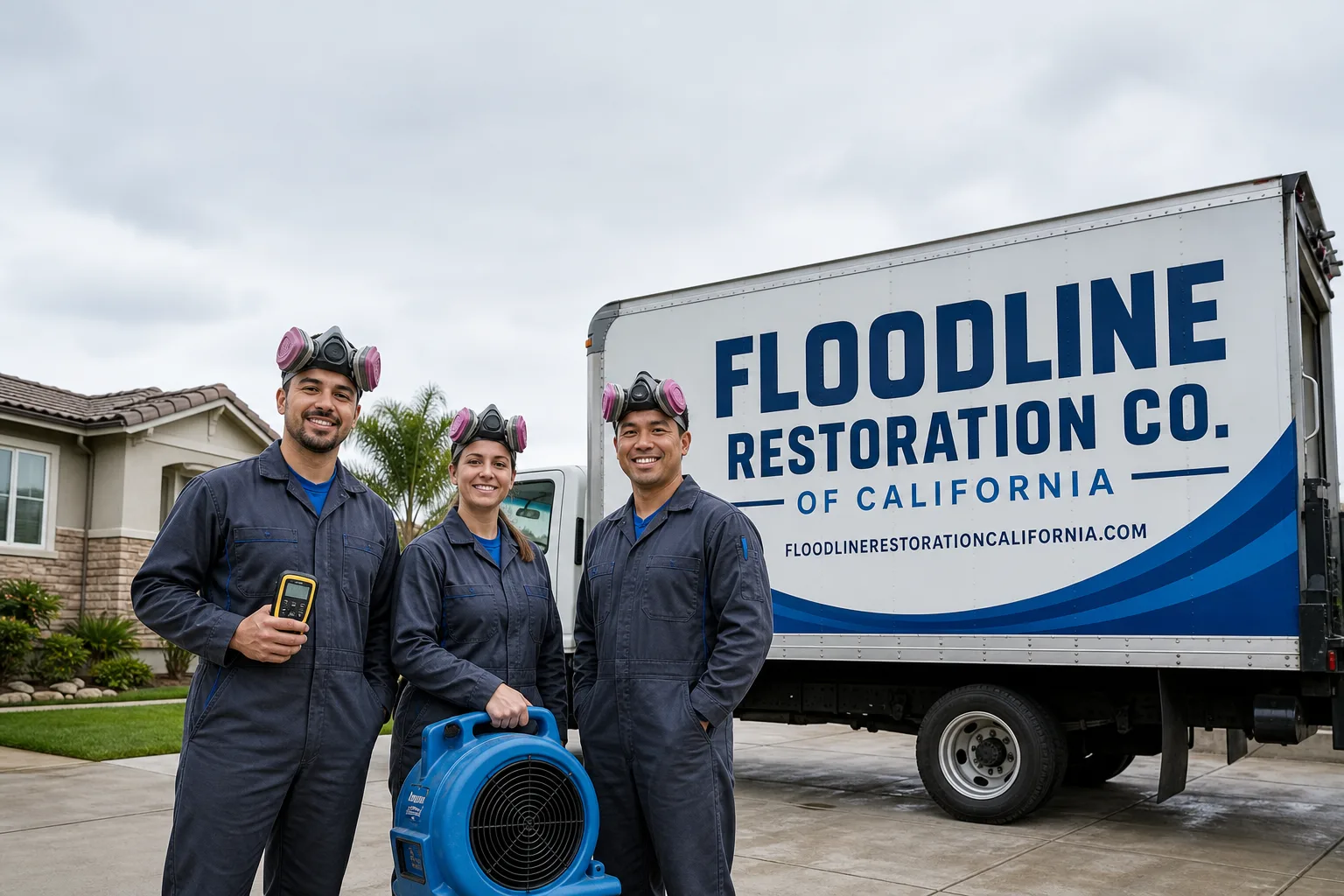
Fast, Reliable Mold Remediation Across Lakeland Village
Mold remediation in Lakeland Village typically costs between $1,800 and $6,500 depending on the size of the affected area, whether crawl spaces are involved, and how long moisture has been present. Most jobs are completed within 2 to 5 days once we start. If you’re seeing black staining on walls, smelling musty odors, or noticing condensation on windows near the lake side of your home, call (888) 737-2439 and a live person will answer, day or night.
Lakeland Village has a mold problem that most inland communities don’t. The lake itself, Lake Elsinore, is endorheic. It has no outlet to the ocean. When heavy rain comes, the water has nowhere to go but up and out, and the water table underneath the low-lying parcels around the lake rises with it. That means homes a block or two from the shoreline can have damp crawl spaces for months after the last storm passes, even if the house itself never flooded. We know this because we’ve been pulling wet insulation and moldy subfloor sheathing out of Lakeland Village homes for years. Our Mold Remediation team treats the whole problem, not just the visible stain.
Why Floodline Restoration Co. of California Is Lakeland Village’s Preferred Mold Remediation Company
We’re a full-cycle restoration company, which matters in Lakeland Village more than most places. The lake overflow in 2023 didn’t just flood homes. It saturated the ground underneath them. Months later, homeowners were still finding mold in crawl spaces that had looked dry. We handle the water, the mold, the drying, and the rebuild with the same certified crew, so nobody gets handed off to a subcontractor who doesn’t know the history of your house.
Curt Bowman founded Floodline Restoration Co. in 2010 and built it around a dispatch board, not a sales desk. That’s why when you call at 2 a.m. with mold spreading through a bedroom wall, a live dispatcher picks up and a background-checked, uniformed technician gets scheduled to reach Lakeland Village fast. We don’t leave you listening to a recording.
Every job is backed by the 90-Day Done Right Promise, what we call the Keystone Standard. If it’s not done right, we make it right. In writing. No paperwork battles, no arguing. We stand behind it, and we give you that promise before we start.
We also bill your insurance carrier directly. If your mold problem came from a covered water event, you won’t be playing messenger between us and the adjuster. We photo-document everything, we log daily moisture readings, and we hand that log to you and your carrier with the final report.
Our Mold Remediation Services in Lakeland Village
Mold Inspection & Testing
Before we remove anything, we find out what we’re dealing with. In Lakeland Village, that means checking crawl spaces and slab perimeters even when the visible mold is on a wall upstairs, because the damp ground under the house is often the source. We use moisture meters and thermal imaging to map where the water is coming from, then we take samples if needed. You get a written scope before any removal work starts, and the price is agreed before we begin.
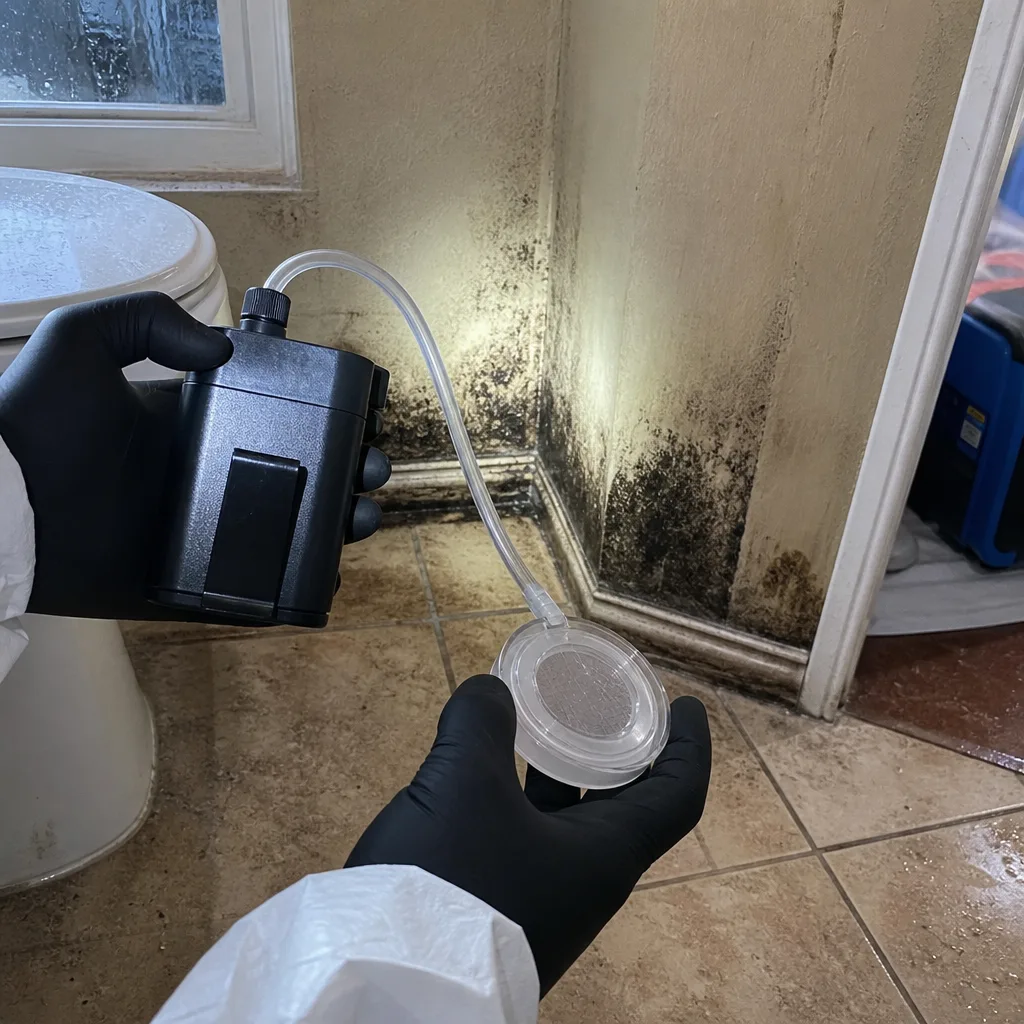
Mold Removal
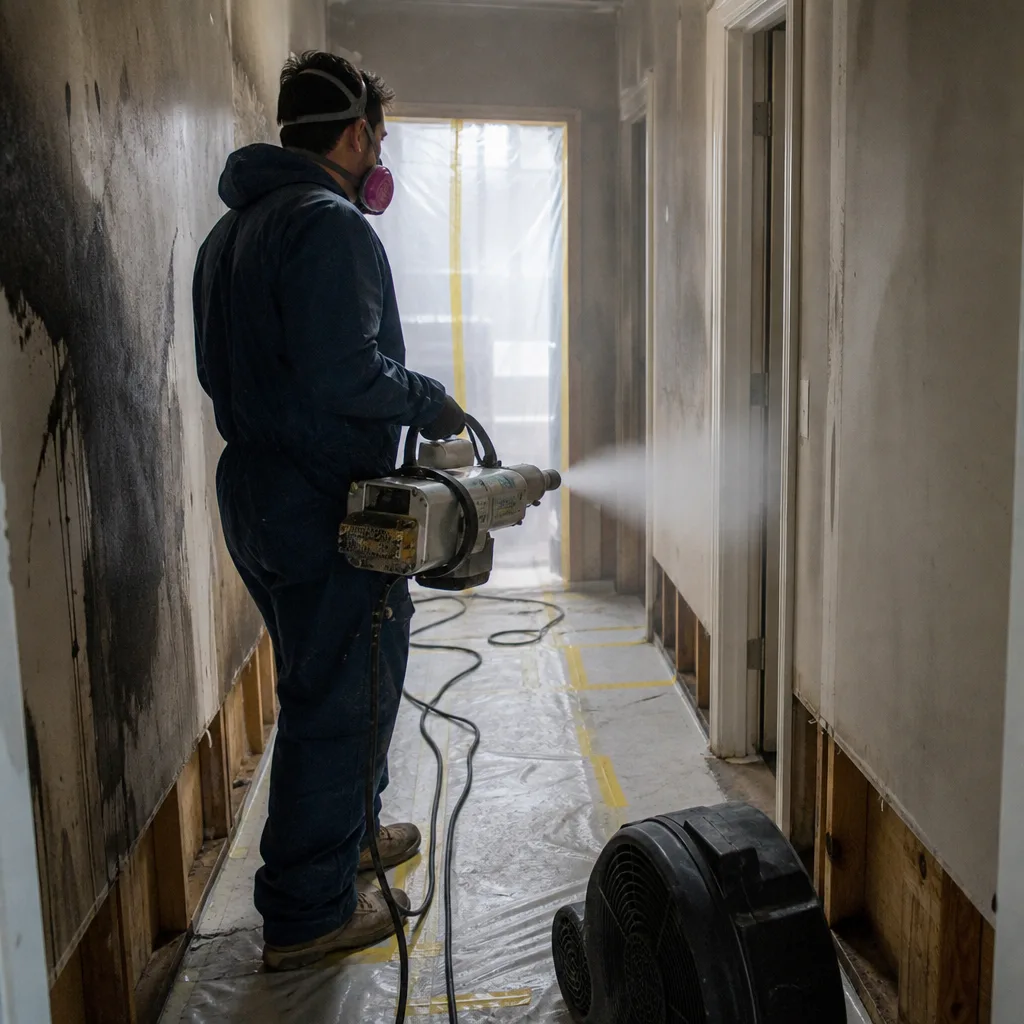
We set containment so spores don’t spread through your living space while we work. Then we remove the affected drywall, insulation, or flooring, seal the area, and run HEPA air scrubbers throughout the job. In Lakeland Village manufactured homes, this often means pulling saturated underbelly insulation and treating the floor joists underneath. We don’t just spray can’t-see-it cleaner on the surface. We remove the material mold is feeding on.
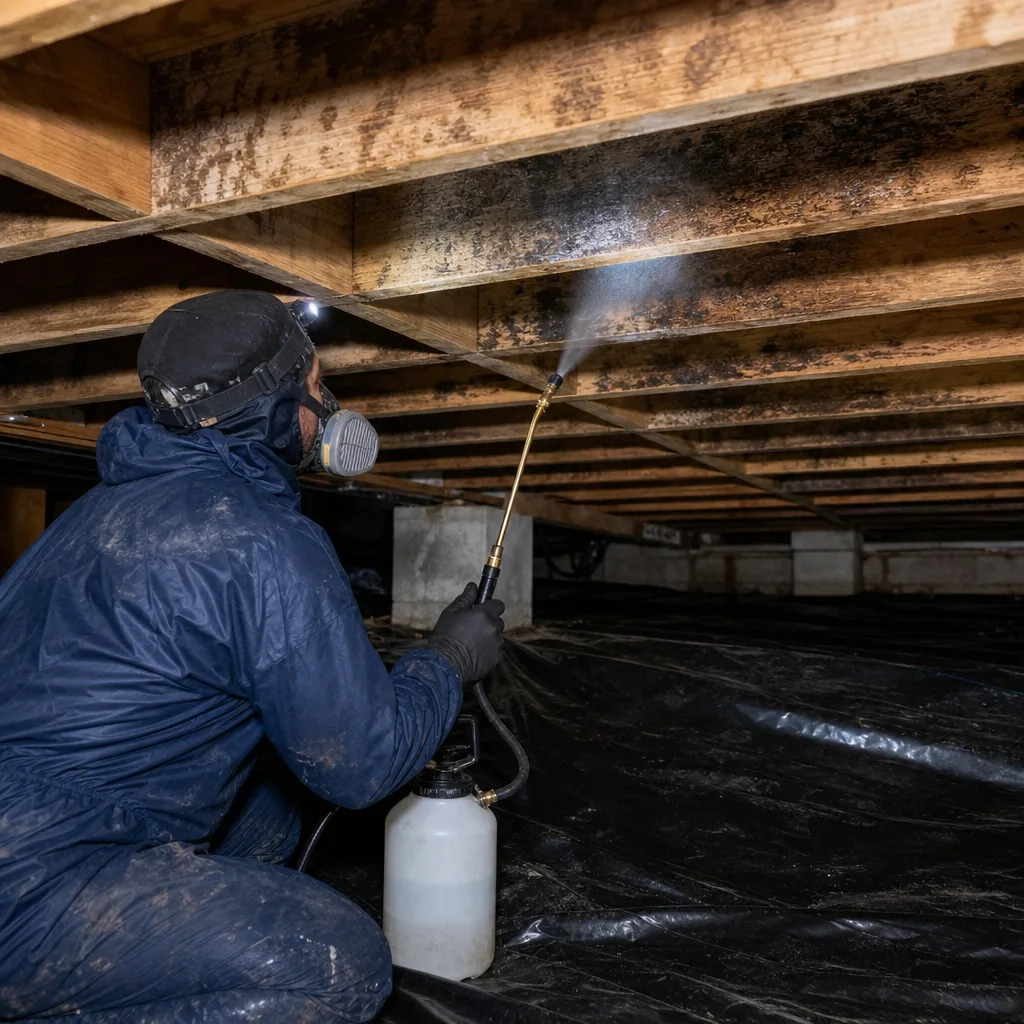
Black Mold Remediation
Black mold, Stachybotrys, grows where there’s been standing water or chronic dampness with organic material to feed on. In Lakeland Village, we see it in crawl spaces after the lake’s water table rises, in wall cavities behind stucco siding that trapped moisture, and in the subfloors of older manufactured homes. We follow IICRC, RIA, and IFA standards for containment, removal, and disposal. The affected material comes out, the surrounding framing gets treated with an EPA-registered antimicrobial, and we dry the space to below 50% relative humidity before we rebuild anything.
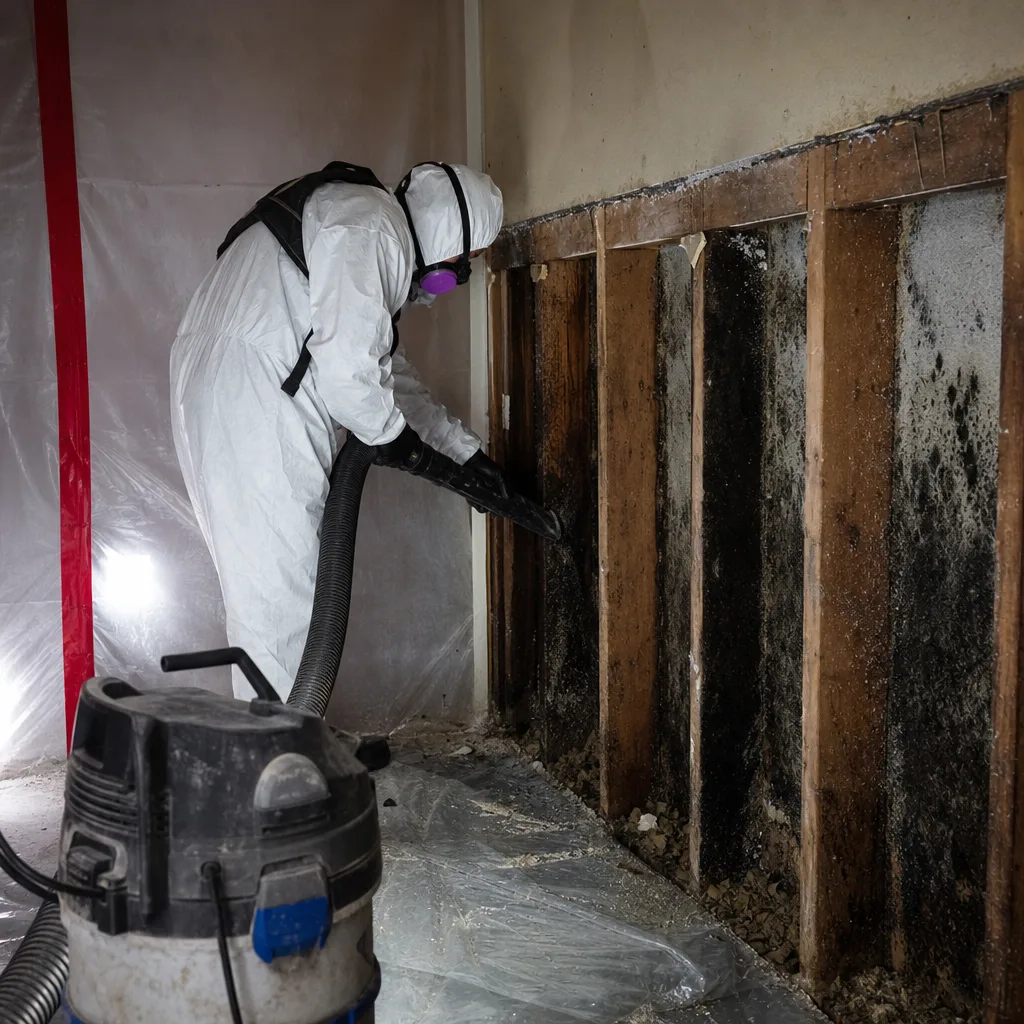
Air Quality Restoration
After removal and cleaning, we verify the air is actually clean. We run professional-grade air scrubbers, check the humidity levels in every affected room, and compare indoor mold spore counts to outdoor baseline readings. In a lakeside community like Lakeland Village, we pay attention to months-long dampness patterns, because if the crawl space under your house is still wet, the air inside won’t stay clean for long.
What happens when you call
- 1
A real person answersNo phone trees - you reach a local pro.
- 2
You get an upfront price rangeHonest numbers before anyone is dispatched.
- 3
A background-checked tech heads outLicensed & insured, dispatched right away.
- 4
You approve before work beginsNothing starts until you say go.
Common Mold Remediation Problems We See in Lakeland Village Homes
- Crawl space mold that returns after remediation. A crew treats the visible wall mold, but never addresses the damp crawl space underneath the house. The endorheic water table keeps the ground wet for months after storm season, and the mold grows right back. We treat the crawl space and the visible mold as one job.
- Pier-and-beam foundation homes holding ground moisture. Many Lakeland Village manufactured and older tract homes sit on raised foundations with underbelly insulation. That insulation absorbs moisture from the ground and becomes a mold colony hidden from view. We remove and replace it, then install a proper moisture barrier.
- Saturated stucco walls along the lake side. Homes facing Lake Elsinore take wind-driven rain and high ambient humidity. Stucco can wick moisture behind the surface, and mold grows in the wall cavity before you ever see a stain. We inspect wall cavities with borescopes when the water source is unclear.
- Post-fire debris against foundations. After wildfires on the Santa Ana Mountains above Lakeland Village, debris flows push ash, charred wood, and organic material against downslope foundations. That buried material holds moisture against the siding and crawl space vents, feeding mold long after the fire is out.
Pricing for Mold Remediation in Lakeland Village, CA
Here’s what homeowners in Lakeland Village can expect to pay, based on the work we’ve done across the 92530 area:
- Mold inspection and moisture mapping: $250-$450
- Air quality testing with lab results: $350-$650 per sample set
- Small isolated mold removal (under 10 sq ft): $900-$1,800
- Typical room-sized remediation (10-50 sq ft): $1,800-$4,000
- Crawl space mold treatment with insulation replacement: $2,500-$6,500
- Full-home remediation after lake overflow or flooding: $8,000-$25,000+
Cost in Lakeland Village runs slightly higher than in higher-ground Inland Empire cities because we’re often dealing with crawl spaces, pier-and-beam foundations, and water that’s still active under the house. The good news: we give you a written scope with a firm price before any work starts. No surprises on the bill. Call (888) 737-2439 for a free estimate.
Trusted Brands We Service in Lakeland Village
We work on every type of home in Lakeland Village, from 1980s stucco tract houses to manufactured homes on permanent foundations. The equipment we bring is the same professional-grade gear used by IICRC-certified restoration companies nationwide: Dri-Eaz dehumidifiers, XPOWER air movers, and Injectidry systems for drying wall cavities and under floors without tearing everything apart. We’re certified to IICRC, RIA, and IFA standards, and every technician who steps onto your property is background-checked and uniformed. That matters when you’re letting someone into your home to rip out moldy drywall.
Mold Problems We See in Lakeland Village Homes
In a manufactured home on Grand Avenue near the lake, our crew opened a crawl space that had been holding 78% relative humidity since the 2023 atmospheric river events. The pier-and-beam foundation’s underbelly insulation was saturated with gray-black mold, and the subfloor sheathing had begun to delaminate. We installed a Dri-Eaz dehumidifier and XPOWER air movers to dry the space to below 50% RH, removed and replaced the affected insulation, and applied an EPA-registered antimicrobial to the joists before reinstalling a moisture barrier. The homeowner had been unaware of the issue until a musty odor appeared during a summer heat wave.
Why Lakeland Village’s Water Table Creates Mold Other Cities Don’t See
Lake Elsinore is a terminal lake. It has no drainage outlet to the Pacific Ocean, which means every drop of water that enters it stays in the valley until evaporation removes it. When the 2023 atmospheric river events hit, the lake swelled and overflowed into nearby residential areas. But here’s the part most mold remediation pages never mention: even properties that never took a drop of floodwater have been fighting mold since then. Because the water table under the entire low-lying lakeside area rose, crawl spaces and slab perimeters in Lakeland Village have stayed damp for months after the surface water receded. That’s not a one-time storm problem. That’s a recurring condition tied to the geology of the Elsinore Valley itself.
The Elsinore Valley adds another layer. It funnels both Santa Ana wind events off the Santa Ana Mountains and cold, moist Pacific storm systems into a narrow corridor. The result is rapid swings between hot, dry fire-risk conditions and heavy flooding. When hillsides burn, the next wet season sends debris flows down onto lakeside properties, and that organic material sits against foundations and vents, holding moisture and feeding mold. The cycle is fire, then flood, then mold, then structural damage. In Lakeland Village, we treat mold as part of that larger cycle, not as an isolated stain on a wall.
That’s what this page delivers that a generic Menifee or Murrieta mold page never would. The mold in your Lakeland Village crawl space isn’t just about a leaky pipe or a bad bathroom fan. It’s tied to the endorheic lake, the valley’s wind patterns, and the recurring fire-flood sequence. If a remediation company doesn’t understand that, they’ll treat the symptom and leave the cause in place.
We Also Serve Cities Near Lakeland Village
Our certified crews handle Mold Remediation in Lakeland Village and the surrounding communities, including Lake Elsinore, Canyon Lake, Wildomar, and Mead Valley. If you’re just outside the village boundary, call us. We’ll send a technician who knows the area’s water table and housing stock. Phone (888) 737-2439, any hour.
Serving Lakeland Village, CA - Our Local Coverage Area
We’re based in the Lakeland Village area and know this community well. Use the map below to see our service coverage - if you’re nearby, we can almost certainly help.
FAQs - Mold Remediation in Lakeland Village
Because the company that treated it didn’t address the water table. Lake Elsinore is endorheic, so groundwater stays high under low-lying properties for months after storm season. If your crawl space isn’t dried to below 50% RH and a moisture barrier isn’t installed or repaired, mold will regrow within a season. We treat the moisture source first, then the mold. Call (888) 737-2439 and we’ll inspect it properly.
It raised the water table under the entire lakeside area. Homes that never took floodwater directly still had damp crawl spaces, saturated underbelly insulation, and elevated indoor humidity for months afterward. We’ve confirmed this in homes on Grand Avenue and along the southwestern shore. If you haven’t checked your crawl space since 2023, you should.
Yes. Manufactured homes sit on pier-and-beam foundations with underbelly insulation that acts like a sponge for ground moisture. Remediating them requires removing and replacing saturated insulation, treating the floor joists, drying the space thoroughly, and installing a proper vapor barrier. A slab-on-grade approach from a newer inland suburb won’t work here.
You should check your foundation and crawl space vents. Post-fire debris flows push charred organic material against downslope foundations, and that debris holds moisture against the structure. If it’s not removed as part of the same job, it becomes a mold food source. We include debris clearing and foundation inspection in our post-fire mold assessments.
We’ve measured crawl spaces holding above 70% relative humidity for four to six months after the last major storm, strictly because of the elevated water table. That’s more than enough time for mold to colonize insulation and subfloor sheathing. A moisture meter check costs a fraction of a full remediation. Call (888) 737-2439 and we’ll come out with professional-grade equipment and give you honest readings.
Written by Curt Bowman, Owner at Floodline Restoration Co. of California, providing mold remediation and full-cycle restoration services to Lakeland Village and surrounding communities since 2010.