
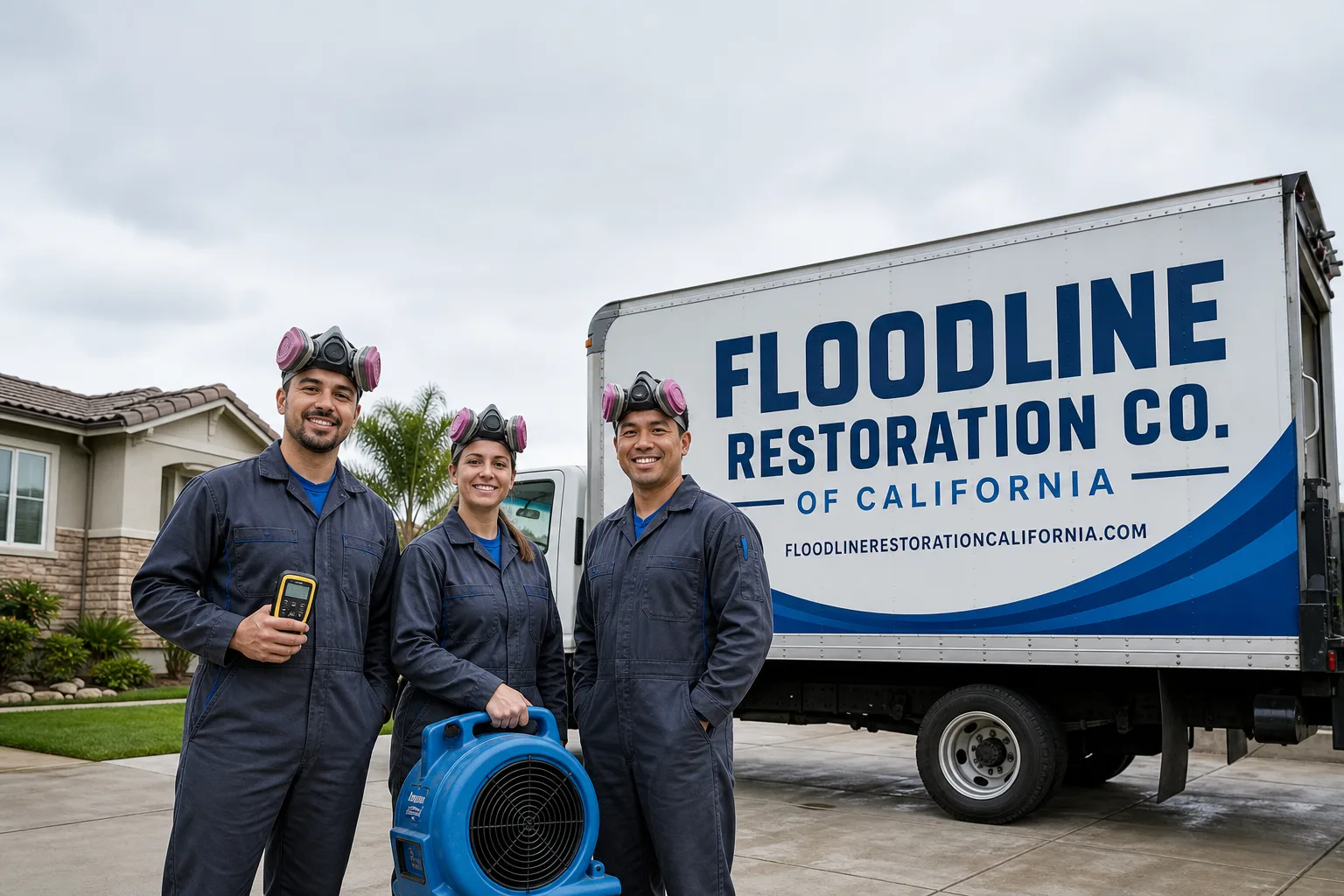
Fast, Reliable Water Damage Restoration Across Chula Vista
Water damage restoration in Chula Vista typically costs $1,800-$4,500 for a standard extraction and structural drying job, with emergency response available 24/7. Our crews reach most Chula Vista homes within 60-90 minutes of your call, because we know exactly how to navigate the 805, the 125, and Telegraph Canyon Road at any hour. You’ll speak to a live dispatcher, not a recording, every time you call (888) 737-2439. The line the water left is where we start, and we don’t hand the job off until the drywall is reconstructed and the moisture log is in your hands.
Floodline Restoration Co. of California has worked in Chula Vista long enough to know that a water stain on a stucco ceiling in Eastlake is rarely just a ceiling stain. Curious what we mean? Keep reading.
Why Floodline Restoration Co. of California Is Chula Vista’s Preferred Water Damage Restoration Company
We were founded in 2010 by Curt Bowman, built around a dispatch board rather than a sales desk. That’s why our Water Damage Restoration team still answers the phone with a person, at two in the morning, every day of the year. You’ll get a background-checked, uniformed technician certified to IICRC, RIA, and IFA standards, not a subcontractor of the week. And every job is backed by the 90-Day Done Right Promise, our written, no-argument guarantee. If it’s not done right, we make it right.
Chula Vista homeowners call us because they remember being burned by a contractor once, and they want a name they can hold accountable. We’ve built that reputation across 91911, 91913, and 91914 by doing what we say we’ll do: showing up when we say, doing the job in one visit when possible, and handing you a moisture log with daily readings until the dry standard is met. Our 90-Day Done Right Promise is in writing. We stand behind it.
We also bill your insurance carrier directly. You never play messenger between us and the adjuster. Photo documentation, daily readings, and a written scope before work starts - that’s how we work with adjusters so you don’t have to.
Our Water Damage Restoration Services in Chula Vista
We handle every phase of water damage response, from first extraction to finished rebuild. Homeowners in Chula Vista don’t get handed from one company to another mid-job. The same certified crew that reads the moisture map on day one handles daily readings and rebuilds what needs rebuilding.
Emergency Water Extraction
When a supply line bursts in a kitchen off H Street or a water heater fails in a garage on a Monday morning, the first hour dictates how much drywall you’ll lose. We arrive in Chula Vista fast - typically within 60 to 90 minutes - and start extraction the same visit. Our crews run Dri-Eaz and XPOWER extraction units in Otay Ranch, Bonita, and west Chula Vista every single week. The goal is simple: get standing water out before it wicks into baseboards, cabinets, and framing.
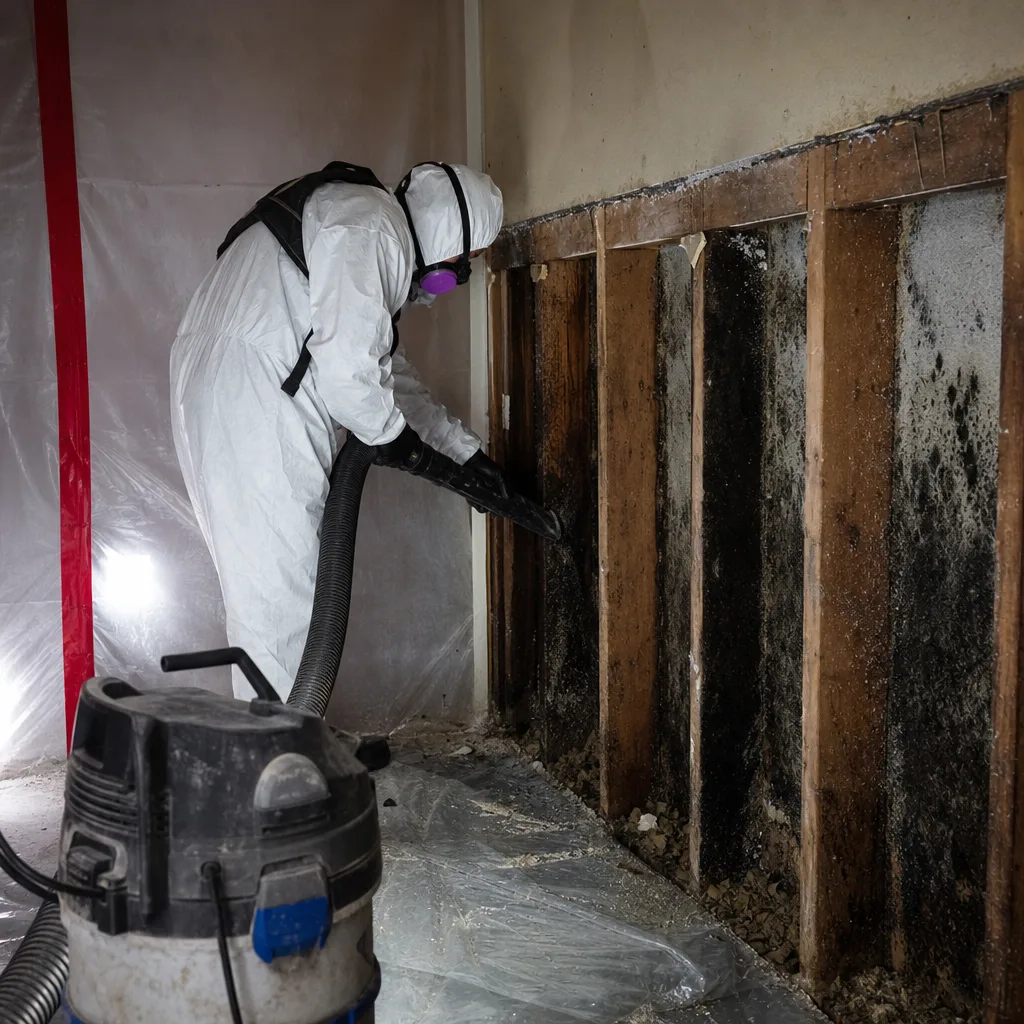
Structural Drying & Dehumidification
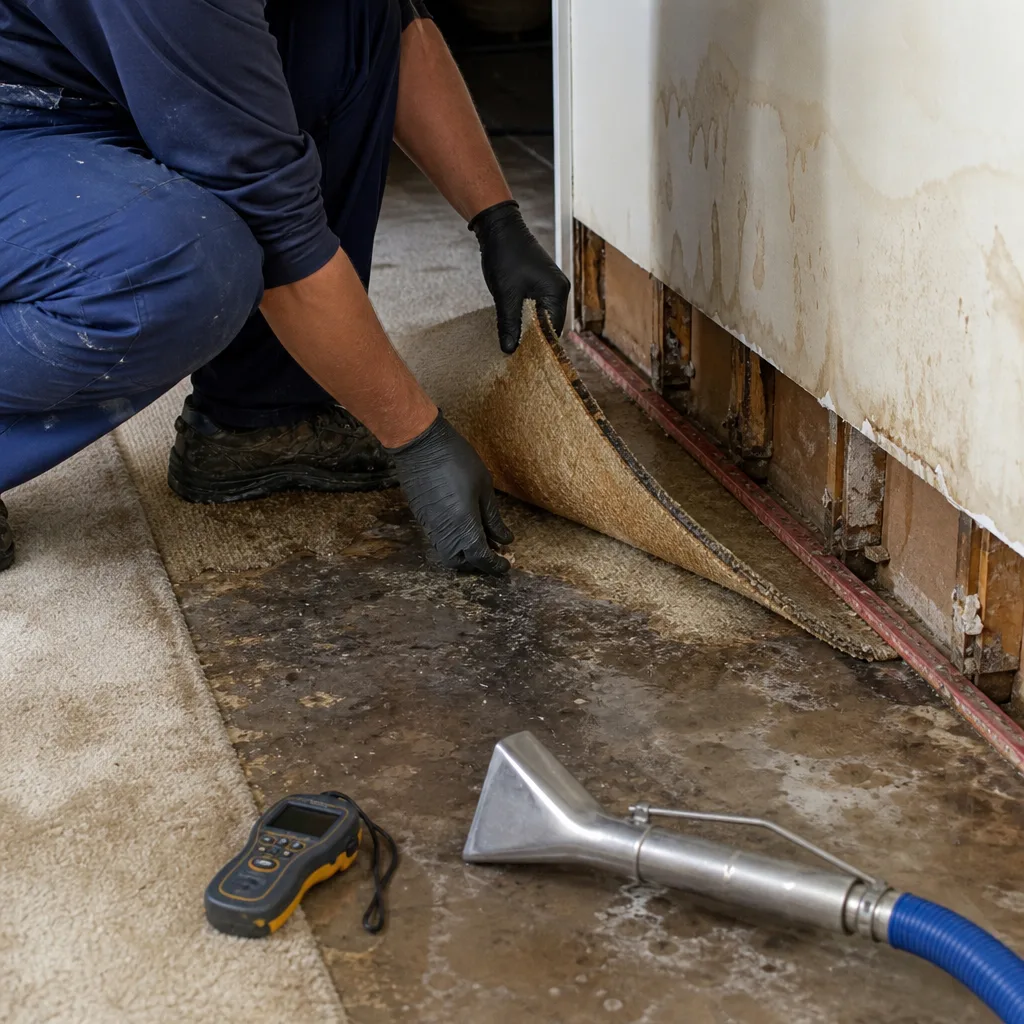
Extraction is step one. Drying is where the science matters. A 1,500-square-foot Eastlake great room needs professional-grade Dri-Eaz LGR 2800i dehumidifiers and Phoenix air movers, not the residential-grade units you’ll find at a hardware store. In Chula Vista’s marine-layer humidity, drying cycles run longer than they would inland. Our technicians set equipment, take daily moisture readings, and don’t remove the gear until the dry standard is confirmed with a Protimeter moisture meter. You get that log in writing. Your adjuster gets it too.
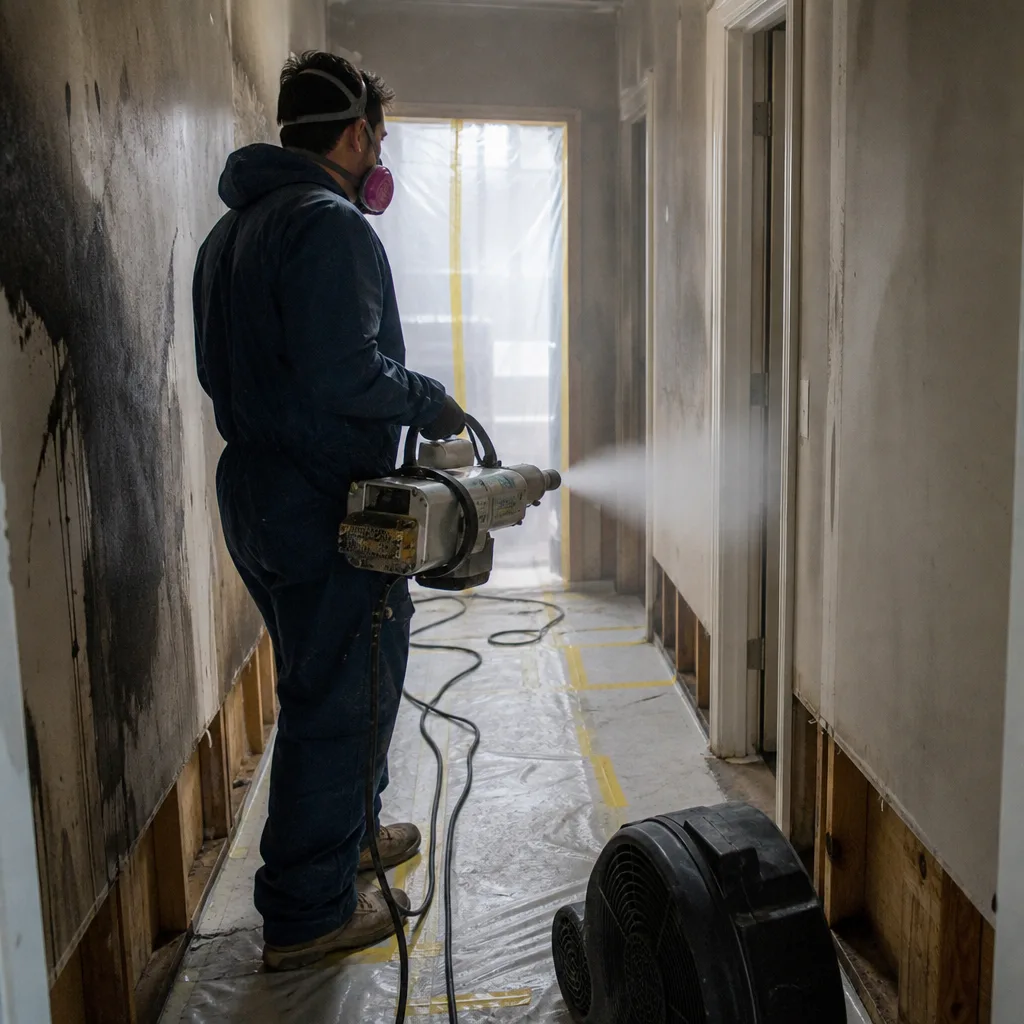
Flood Cleanup
When the Otay or Sweetwater watersheds flash-flood low-lying streets, the water coming in isn’t clean. It carries sediment, bacteria, and whatever else was on the ground. Flood cleanup in Chula Vista areas near the bay or in low-lying pockets off Main Street often means more than extracting water; it means cutting out contaminated drywall, treating framing with antimicrobial, and tracking down moisture that’s already migrated into adjacent wall cavities. We handle extraction, decontamination, drying, and the rebuild. Done right, and backed in writing.
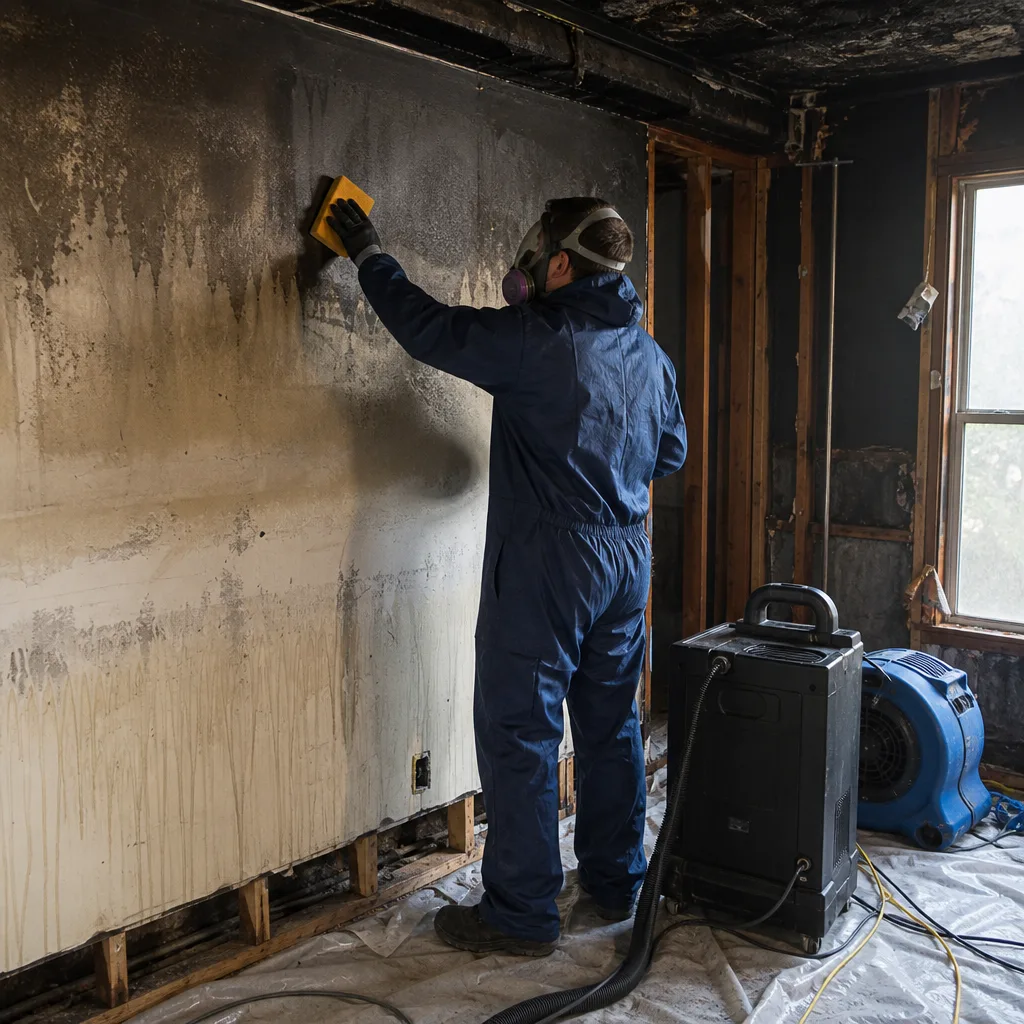
Burst Pipe Restoration
Slab leaks and aging copper in western Chula Vista’s 1950s-1970s homes are a recurring call for us. A burst pipe behind a wall or under a slab isn’t just about the water you can see. It’s about the water that traveled along the bottom plate into the next room, the moisture wicking up the stucco from the inside, and the drywall that looks fine but reads 40-percent moisture when we check it. Our crew does the plumbing stop, extraction, drying, and then rebuilds whatever needed to come out. One call, one crew, one written scope before we open the first wall.
Ceiling & Roof Leak Water Damage
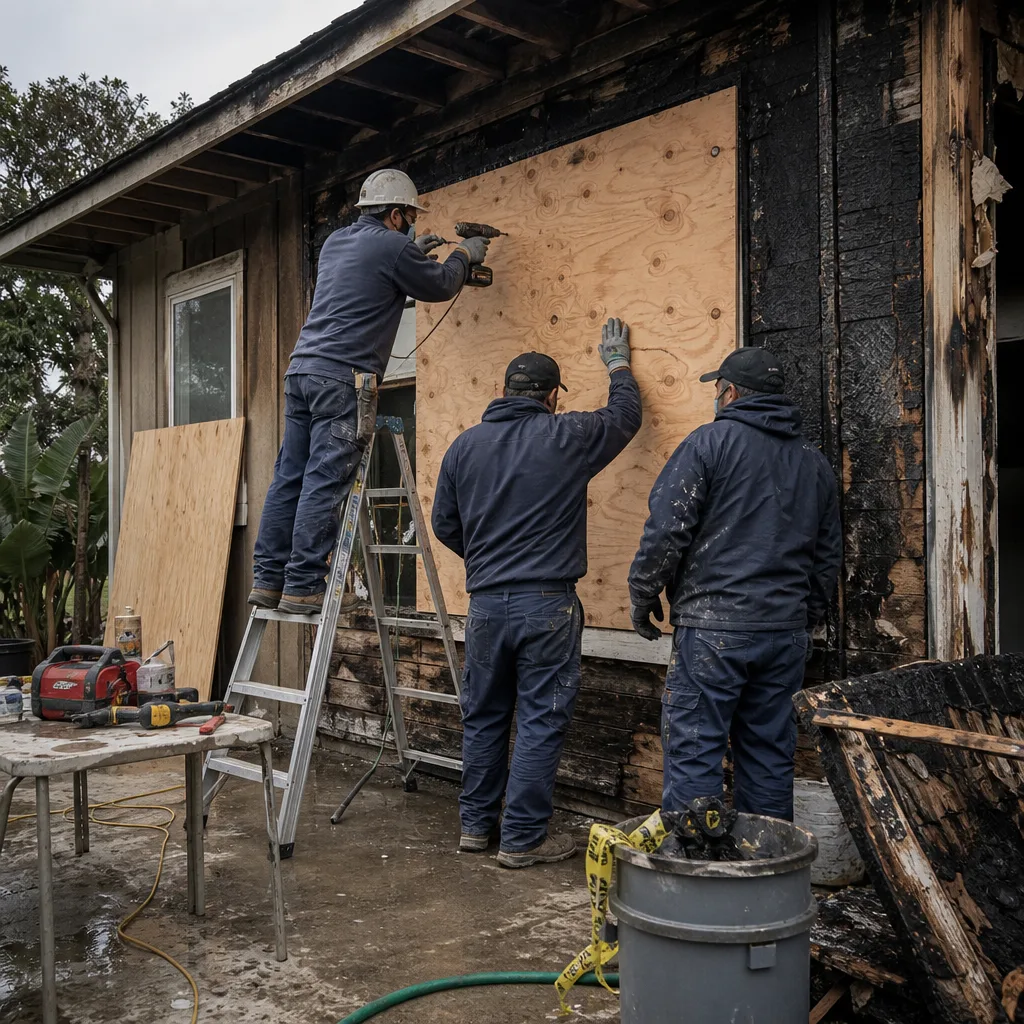
Chula Vista sits at the convergence of marine-layer humidity off San Diego Bay and dry Santa Ana wind corridors from the east. Structures cycle between salt-air moisture and extreme low humidity, which accelerates stucco cracking and opens pathways for water intrusion. When an atmospheric river hits, we get calls from Eastlake, Otay Ranch, and west Chula Vista about ceiling stains and dripping light fixtures. The stain on the drywall is the last stop, not the first. We trace the water to the source - a failed flashing, a cracked stucco corner, a compromised roof-wall intersection - and fix the path, not just the patch.
What happens when you call
- 1
A real person answersNo phone trees - you reach a local pro.
- 2
You get an upfront price rangeHonest numbers before anyone is dispatched.
- 3
A background-checked tech heads outLicensed & insured, dispatched right away.
- 4
You approve before work beginsNothing starts until you say go.
Trusted Brands We Service in Chula Vista
We use professional-grade equipment you’ll recognize from real restoration crews, not big-box rental gear. That means Dri-Eaz, Phoenix, XPOWER, B-Air, and Injectidry drying systems on our Chula Vista jobs. Injectidry is particularly useful in the east side’s stucco tract homes, because it lets us force dry inside wall cavities without tearing out every panel. We carry what we need in our service vehicles, so you’re not waiting on a warehouse run from across the county. We know these homes. We know how they fail. We know how to fix them.
Common Water Damage Restoration Problems We See in Chula Vista Homes
- Stucco over wood frame in Otay Ranch and Eastlake. This is the big one. Tens of thousands of stucco-over-wood-frame homes built in the 1990s and 2000s share a systematic failure mode: improperly detailed flashing and moisture barriers at window corners and roof-wall intersections. When atmospheric-river rain events hit, hidden mold colonies and structural rot develop deep inside wall cavities. A small stain can mean mold running six to twelve feet along an entire exterior wall cavity.
- Aging plumbing in western Chula Vista. The 91910 and 91911 areas are built largely on 1950s-1970s wood-frame and concrete-block homes, many originally housing Rohr Aircraft workers. The original copper supply lines and cast iron drains are past their expected service life. Burst pipes and slab leaks are routine for us in these neighborhoods.
- Marine-layer humidity that slows drying. Chula Vista’s proximity to San Diego Bay means ambient humidity often hovers high enough to extend drying cycles. Homeowners who use residential-grade fans and dehumidifiers on a flood with no moisture mapping end up with secondary mold growth inside the wall. We see this weekly. The equipment is half the job; the daily readings and dry-standard discipline are the other half.
- Ceiling leaks that keep coming back after the drywall is patched. A homeowner patches a ceiling stain in an Eastlake home. Six months later, the stain returns. The real issue is a failed wall drainage plane - the original stucco was applied without a proper drainage plane, and every winter rain has been quietly feeding the cavity behind it. Patch the drywall, and the problem stays. We cut it out, fix the water path, and rebuild with a proper rainscreen detail.
Pricing for Water Damage Restoration in Chula Vista, CA
You should know what to expect before you call. Here are real ranges for Chula Vista’s market:
- Emergency water extraction: $800-$1,600 for a typical single-room or garage job, depending on square footage and the amount of standing water.
- Structural drying and dehumidification: $1,200-$3,000 for a standard three-to-five-day drying cycle in an Eastlake or Otay Ranch home, including daily moisture readings and a log for your adjuster.
- Ceiling and roof leak water damage: $1,400-$4,000 when you’re opening stucco wall cavities, treating framing, and rebuilding with a proper moisture barrier. The cavity work is what separates a real fix from a patch-and-paint.
- Burst pipe restoration with rebuild: $2,500-$7,000 depending on how far water traveled before we arrived and how much drywall, trim, and cabinetry has to come out.
We give you a written scope before work starts, with no surprises on the bill and no paperwork battles. If you have insurance, we bill the carrier directly - you don’t play messenger between us and the adjuster. Call (888) 737-2439 for a free estimate. We’ll be there when we say.
We Also Serve Cities Near Chula Vista
Floodline Restoration Co. of California serves more than just Chula Vista. Our crews regularly work in Water Damage Restoration in Chula Vista and the surrounding communities, including Bonita, National City, Imperial Beach, and La Presa. If you’re just outside the city line, call us anyway. We’ll tell you honestly whether we can get to you quickly, and we’ll always send a live person to answer the phone.
What a Restoration Crew Actually Finds Inside an Otay Ranch Stucco Home
Here’s what this page will tell you that most others won’t: an Otay Ranch or Eastlake water-damage restoration job is rarely what it looks like from the drywall side. In an Eastlake home off Otay Lakes Road, our technician responded to a ceiling stain that the owner thought was a minor roof leak. Using a FLIR thermal camera and a Protimeter moisture meter, we traced elevated readings not just at the ceiling but across a 14-foot exterior wall cavity. The original stucco had no drainage plane, and years of winter rain had been feeding hidden mold behind the paper backing. We contained the area, set up a Dri-Eaz LGR 2800i dehumidifier and XPOWER air movers for structural drying, then cut out and replaced the entire wet wall section. We treated the framing with an antimicrobial and reinstalled with a proper rainscreen detail before the next storm.
Chula Vista’s eastern ZIPs - 91913, 91914, and 91915 - contain Otay Ranch and Eastlake, among the largest master-planned communities in the United States. These tens of thousands of stucco-over-wood-frame homes were built rapidly in the 1990s and 2000s. The defining water-damage pattern in Chula Vista’s eastern half is moisture intrusion and mold remediation inside wall cavities - a pattern largely absent in older neighboring cities like National City or Lemon Grove. Our crews open a single water-stained drywall section for what looks like a minor plumbing leak and find mold fields running six to twelve feet along an entire exterior wall cavity. Because the original contractor-era stucco was applied without a proper drainage plane, every winter rain for a decade has been quietly feeding the cavity behind it.
Serving Chula Vista, CA - Our Local Coverage Area
We’re based in the Chula Vista area and know this community well. Use the map below to see our service coverage - if you’re nearby, we can almost certainly help.
FAQs - Water Damage Restoration in Chula Vista
The stain keeps coming back because the water path was never fixed. In Otay Ranch and Eastlake homes built in the 1990s and 2000s, the original stucco was often applied without a proper drainage plane or secondary moisture barrier. When rain hits a cracked stucco corner or a failed flashing at a roof-wall intersection, water enters the wall cavity and wicks inward. Patching the drywall hides the symptom while the cavity behind it stays wet and keeps feeding mold. The fix is opening the wall, drying the cavity, treating the framing with an antimicrobial, and rebuilding with a proper rainscreen detail. Call (888) 737-2439 for an inspection before the next atmospheric river.
During a marine-layer humidity week, structural drying in a Chula Vista home typically takes four to six days when professional-grade equipment is used correctly. That assumes Dri-Eaz LGR dehumidifiers, Phoenix or XPOWER air movers, daily moisture readings with a Protimeter, and the dry standard confirmed before equipment comes out. Without that equipment, drying can stretch to two weeks or longer, and secondary mold growth becomes much more likely. We hand you the moisture log in writing and bill your carrier directly. Call (888) 737-2439 and a live dispatcher will set it up.
Yes, likely. Dry to the touch on the surface tells you almost nothing about the wall cavity behind it. In Eastlake’s stucco tract homes, a ceiling leak that was visible on the drywall often came from a roof-wall intersection failure, meaning water traveled down inside the wall before it ever showed up on the ceiling. The paper backing of drywall is mold’s favorite food, and a wet cavity in warm Chula Vista air can grow mold in 24 to 48 hours. We use FLIR thermal imaging and a Protimeter moisture meter to check what’s actually inside the wall, then write a scope for exactly what needs to come out. Call (888) 737-2439 before the drywall goes back up.
Yes, we do it regularly in Chula Vista garages with heavy roll-up doors. We disconnect the opener and manually raise the door with the emergency release, keeping the tracks aligned and supporting the door while we work. Extraction hoses run under or around the door without forcing it. The bigger issue isn’t the door itself; it’s the water that’s already wicked into the drywall and the bottom plate of the walls on either side of the garage. We check those with a moisture meter before calling the job done. Call (888) 737-2439 for a same-visit assessment.
A musty smell after a Santa Ana wind event in a Chula Vista stucco home means the wall cavity is holding moisture and the dry, warm wind is pushing air through it. That’s not a surface cleaning issue; it’s a cavity issue. The smell comes from mold or mildew growing on the paper backing of drywall inside the wall, usually behind windows or at roof-wall intersections where flashing was poor. The fix is to open the affected cavity, dry it, treat the framing, and rebuild with a proper moisture barrier. Cleaning the surface won’t stop it. Call (888) 737-2439 and a certified technician will find the source.
Contact Floodline Restoration Co. of California in Chula Vista
We answer the phone with a live person, 24 hours a day, 7 days a week. No recordings, no call centers, no waiting until Monday. If you’ve got water where it shouldn’t be in Chula Vista, call (888) 737-2439 right now. We’ll tell you what to do in the next ten minutes, then send a certified crew to handle the rest. A square deal, a written scope, and the 90-Day Done Right Promise in writing. That’s how we work. Curt Bowman founded this company on a simple idea: do the job right, and stand behind it. We still do.
Written by Curt Bowman, Owner at Floodline Restoration Co. of California.