
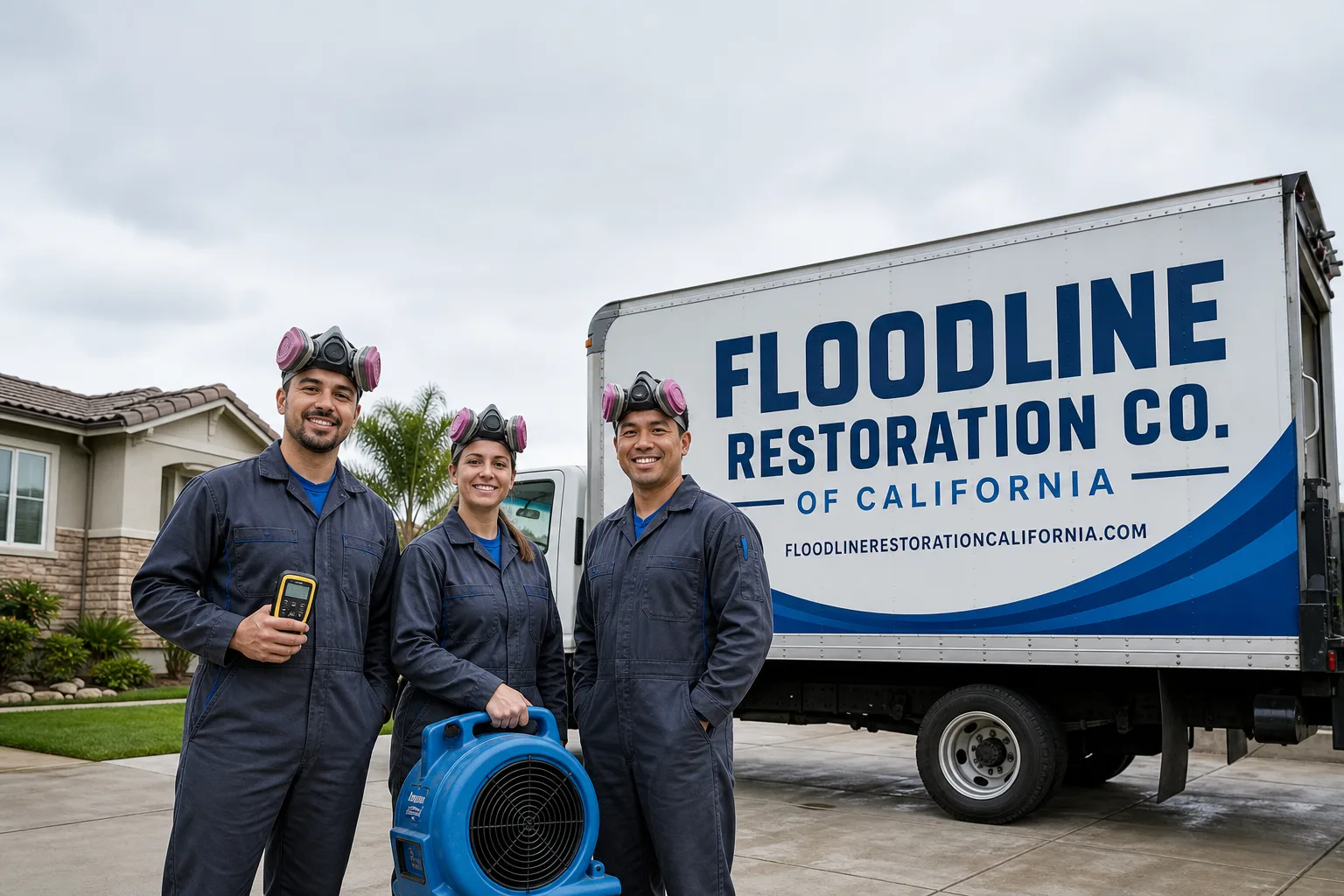
Fast, Reliable Storm & Disaster Restoration Across Culver City
Storm damage in Culver City moves fast, and so do we. When wind rips a patio door off its track on a Jefferson Boulevard bungalow or Ballona Creek stormwater backs up into a crawlspace off Higuera Street, you need a crew that knows exactly what the city’s permit process demands, how the local housing stock fails, and how to get extraction running before secondary damage sets in. Our Storm & Disaster Restoration team serves all four Culver City ZIP codes (90230, 90231, 90232, 90233) with live dispatch around the clock. Call (888) 737-2439 and a real person answers, not a recording, at two in the morning if that’s when the storm hits.
We’re Floodline Restoration Co. of California, and we’ve handled storm losses in Culver City that stretched from emergency board-up on a wind-battered storefront near downtown to full structural drying inside Fox Hills condo towers after a fourth-floor pipe let go during a storm cycle. The job starts at the floodline, the honest mark the water left on the wall, and it doesn’t stop until the rebuild is finished, the moisture log is in your hand, and our 90-Day Done Right Promise is in writing.
Why Floodline Restoration Co. of California Is Culver City’s Preferred Storm & Disaster Restoration Company
Culver City homeowners call us because we don’t treat their storm loss like our Water Damage Restoration in Culver City as a generic water job. The city runs its own Building & Safety department, separate from LA City’s LADBS, and that changes how quickly drywall and structural work can legally begin after a storm. A crew that doesn’t know this boards up a damaged opening, waits, and watches moisture wick behind the framing while the permit sits in the wrong queue. We know the Culver City permit path, we sequence the work around it, and we keep drying running the entire time.
Curt Bowman founded this company in 2010 around a dispatch board, not a sales desk. That means when a windstorm tears through the 90232 ZIP, the person who answers our phone is scheduling a certified, background-checked, uniformed technician to your door, not transferring you to a call center. Our crews are trained to IICRC, RIA, and IFA standards, and they show up with Dri-Eaz, Phoenix, and XPOWER equipment that’s sized to handle Culver City’s persistent marine layer, the humidity that slows structural drying compared to inland cities just a few miles east.
Homeowners in the original 1920s and 1930s neighborhoods around Carlson Park and Veterans Memorial Park tell us the same thing: they’d rather pay a fair price once than gamble on a low bid twice. We give you a written scope before work starts, we bill your carrier directly, and we back the work with the 90-Day Done Right Promise, the Keystone Standard, in writing with no arguing. If it’s not done right, we make it right.
Our Storm & Disaster Restoration Services in Culver City
Emergency Board-Up
When a tree limb punches through a window on a 1920s Spanish Colonial Revival home near downtown Culver City, the opening has to be sealed before the next weather system arrives. We board up storm-damaged openings the same visit, using framing that holds up to Culver City’s wind-rating enforcement, and we schedule the Building & Safety inspection that governs the Reconstruction & Cleanup in Culver City and permanent repair. A delayed permit can leave a home boarded for weeks; we file the paperwork the day we board the opening so drying and structural repair don’t stall behind a desk.
Flood Damage Restoration
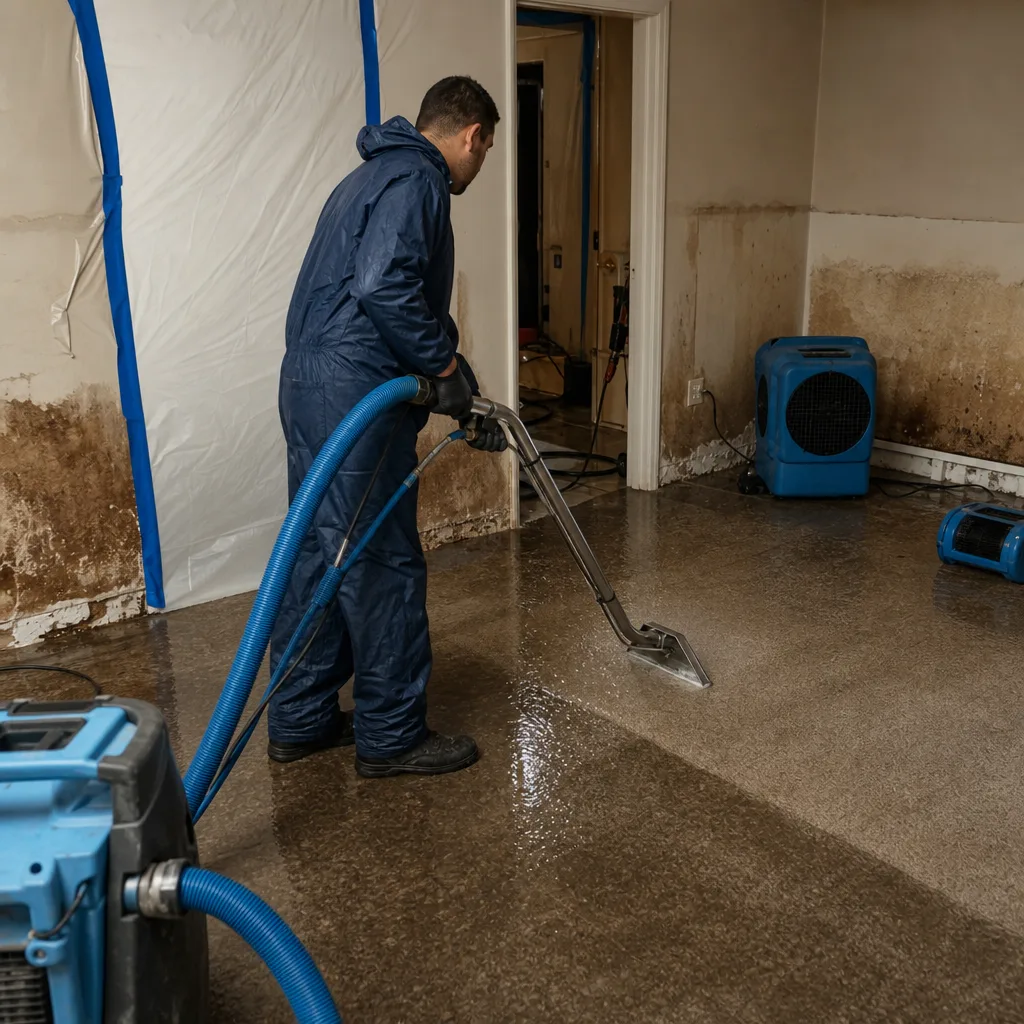
The Ballona Creek corridor along Jefferson Boulevard and Higuera Street floods during El Niño cycles in a way that Ladera Heights and Inglewood simply don’t see. Flat drainage basin topography means stormwater backs up into subfloors and crawlspaces, and the marine layer keeps ambient humidity high enough that wet framing dries slowly. We run Dri-Eaz dehumidifiers and Phoenix air movers on longer cycles than a San Gabriel Valley job would need, taking daily moisture readings until the dry standard is met, and we hand that log to you and your adjuster.
Roof Tarping
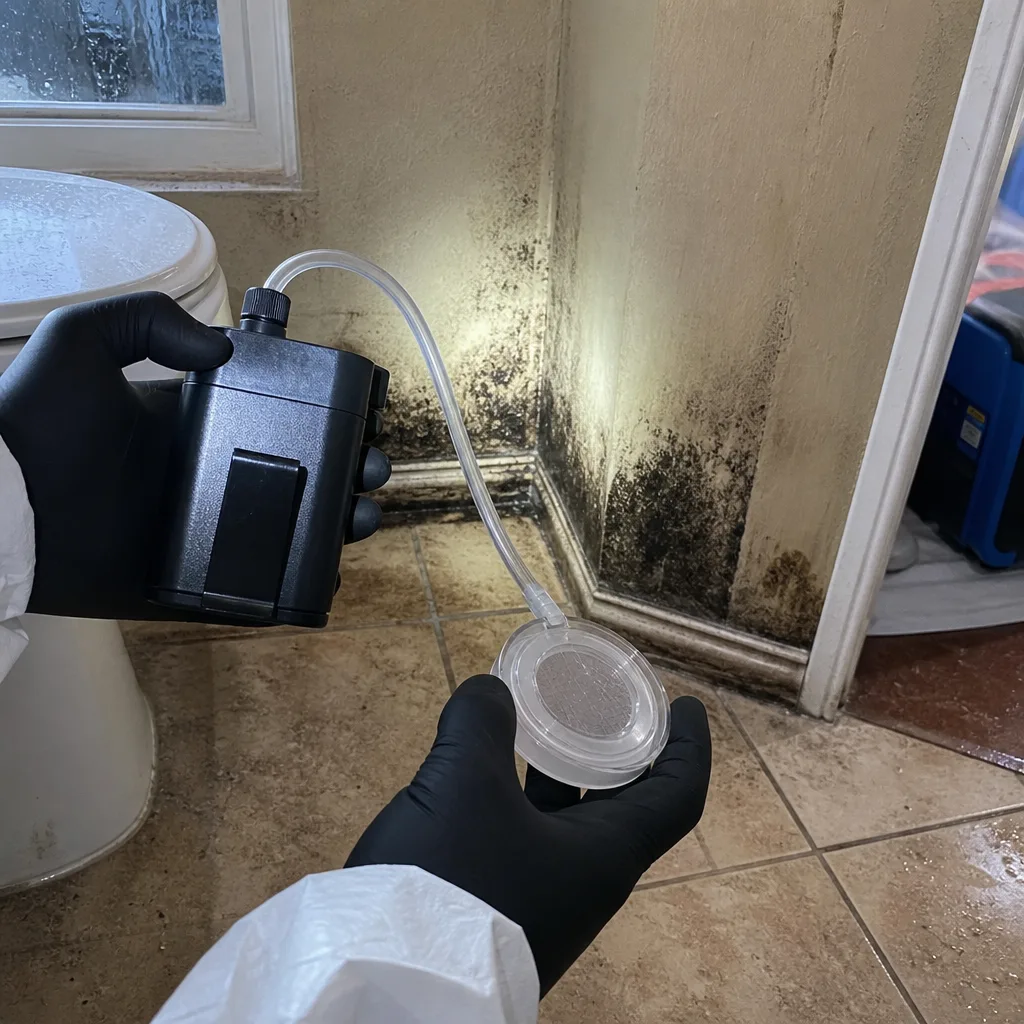
A punctured roof on a Culver City craftsman bungalow can’t wait until a full roofing crew is available. We tarp storm-damaged roofs the same day, tying into the existing structure so the tarp doesn’t lift in the next wind event. The goal is to stop water at the source, then get the permanent repair scoped with a written estimate and scheduled through Culver City’s permit process without losing time.
Storm Damage Cleanup
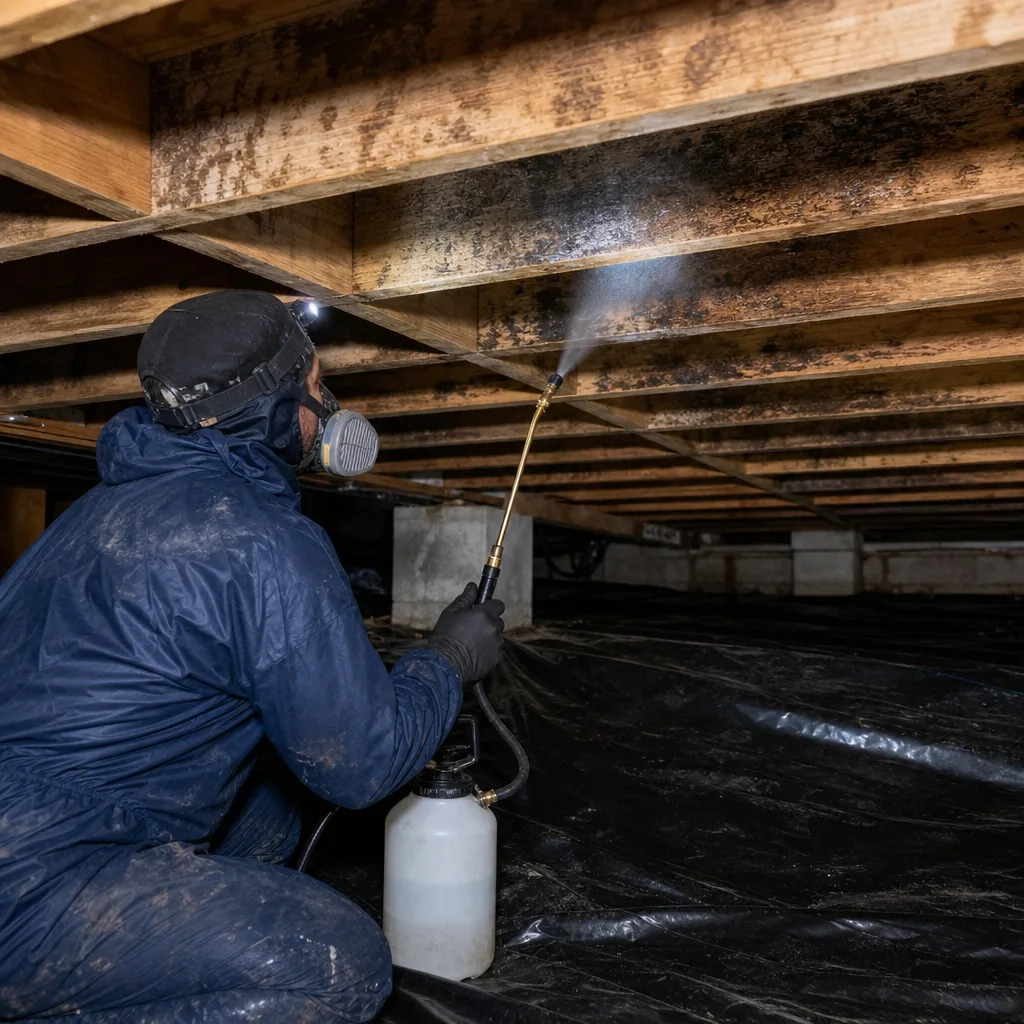
After a storm, the debris field is the first problem and the last thing you want to handle yourself. We remove fallen limbs, broken glass, saturated drywall, and storm-blown debris from Culver City properties, then we map the moisture that’s already migrated into wall cavities and subflooring. Storm cleanup in Culver City almost always reveals concealed water damage in older homes with original galvanized supply lines, so we treat every cleanup as the first phase of Biohazard & Crime Scene Cleanup - Culver City and full restoration, not a haul-away job.
What happens when you call
- 1
A real person answersNo phone trees - you reach a local pro.
- 2
You get an upfront price rangeHonest numbers before anyone is dispatched.
- 3
A background-checked tech heads outLicensed & insured, dispatched right away.
- 4
You approve before work beginsNothing starts until you say go.
Trusted Brands We Service in Culver City
We work on every major door, window, and roofing system common in Culver City’s housing stock, from impact-rated patio doors on Jefferson Boulevard bungalows to the aging plumbing chases inside Fox Hills condo towers. Our techs carry the parts and materials that Culver City properties actually need, so a wind-damaged door frame or a tarped roof doesn’t sit waiting on a supply run across town. We service the brands you already have, and we’re certified to IICRC, RIA, and IFA standards so the repair and drying work meets the documentation your carrier expects when a storm claim lands.
Common Storm & Disaster Restoration Problems We See in Culver City Homes
- Delayed Culver City Building & Safety approvals. Storm-damaged openings stay boarded up while permits move through a city department that’s separate from LA City’s system. Every day of delay is another day moisture wicks behind warped framing and feeds mold growth.
- Shared plumbing chases in Fox Hills condo towers. A fourth-floor supply-line burst during a storm cycle doesn’t stay on the fourth floor. Water travels the shared vertical chase and produces simultaneous claims from three or four units below, each with a different carrier. We coordinate the loss across all affected units from day one.
- Wind-rating mismatches on older bungalows. Contractors who apply typical LA City wind-load assumptions to Culver City’s original Spanish Colonial homes get flagged during Building & Safety inspection. Replacement doors and reinforcement brackets here must meet the city’s stricter wind-rating enforcement, and we spec them correctly the first time.
- Persistent marine layer humidity. Culver City sits about two miles from the coast, and the marine layer means structural drying that would take three days in Pasadena takes five or six here. A crew that pulls dehumidifiers too early leaves moisture behind the drywall, and the 90-Day Done Right Promise doesn’t mean much if the mold shows up on day 91 because someone rushed the drying curve.
Pricing for Storm & Disaster Restoration in Culver City, CA
Storm restoration pricing in Culver City starts with the scope, not a sales pitch. Emergency board-up on a single door or window opening typically runs $350-$600, including materials and labor. Roof tarping for a standard storm puncture runs $450-$850 depending on pitch and access. Full flood damage restoration, including extraction, structural drying, and drywall repair, falls between $2,800 and $7,500 for most single-family homes in the 90232 and 90233 ZIPs. Fox Hills condo claims tend to run higher when shared-chase water damage spans multiple units. We write every scope before work begins, we bill your carrier directly, and we honor the Senior & Veteran 5% discount and $50 off any repair over $250 on every qualifying Storm & Disaster Restoration job in Culver City. Call (888) 737-2439 for a free estimate.
We Also Serve Cities Near Culver City
Our Storm & Disaster Restoration crews work throughout the Westside, including Ladera Heights, Century City, Venice, and Beverly Hills. The permit path and building stock shift from city to city, but the standard doesn’t: same certified crew from extraction through rebuild, same written scope, same 90-Day Done Right Promise in your hand.
Serving Culver City, CA - Our Local Coverage Area
We’re based in the Culver City area and know this community well. Use the map below to see our service coverage - if you’re nearby, we can almost certainly help.
FAQs - Storm & Disaster Restoration in Culver City
Culver City runs its own Building & Safety department, entirely separate from LA City’s LADBS, so every storm restoration permit moves through a distinct approval queue with its own timelines. Emergency board-up can happen immediately, no permit required, but the permanent structural repair, the framing replacement, the new wind-rated door, all of that waits on Culver City’s review cadence. What matters is that you keep drying running the entire time, because a boarded-up opening that sits for three weeks without dehumidification is an invitation for mold behind the framing. We file the permit paperwork the same day we board the opening, and we keep the moisture readings logged and the drying equipment running until the city signs off. Call (888) 737-2439 if you’re stuck in permit limbo with a wet wall; we’ll get drying started while the paperwork moves.
Yes, and it changes two things at once. First, stormwater backup along the Ballona Creek corridor pushes into subfloors and crawlspaces on Jefferson Boulevard and Higuera Street properties during El Niño cycles, and that water sits longer because Culver City’s flat drainage basin doesn’t shed it quickly. Second, the marine layer keeps ambient humidity high right along the coast, so structural drying takes longer than it would a few miles inland. A crew that treats a Jefferson Boulevard crawlspace like a standard inland basement job will pull equipment too early and leave moisture in the framing. We size the dehumidification cycle for Culver City’s actual conditions, not a California average.
You’ll see the door dragging on its track, a gap opening at the jamb when the wind gusts, or stress cracks radiating from the fastener holes where the frame meets the wall. On Culver City’s older Spanish Colonial bungalows, the original door frames were never designed for the wind-load ratings the city now enforces, so a door that has held for forty years can fail catastrophically in the next Santa Ana event. If you notice any of these signs, get the door and its reinforcement bracket inspected before the storm season peaks. A door that holds through one storm can tear off its track in the next, which is exactly what happened on a Jefferson Boulevard bungalow we repaired last winter, impact-rated glass shattered, frame twisted, and Ballona Creek floodwater already moving into the crawlspace before we arrived.
Fox Hills condo towers are stacked-unit buildings with shared vertical plumbing chases, so a storm event that compromises one unit’s exterior or supply lines quickly becomes a multi-unit claim. A burst supply line on the fourth floor migrates down the shared chase and produces water damage in the three units below, each with its own carrier and its own adjuster. Single-family bungalows in the 90232 ZIP fail differently: original galvanized supply lines, aging window frames, and storm-driven rain intrusion through original Spanish Revival detailing. We coordinate multi-party losses in Fox Hills as standard procedure, and we handle the permit and drying requirements for single-family homes without treating the two building types as the same job.
The marine layer. Culver City sits about two miles from the coast, and the persistent marine layer keeps ambient humidity elevated enough to slow structural drying compared to inland cities in the San Gabriel Valley or the eastern South Bay. An older bungalow with original lath-and-plaster walls and a vented crawlspace holds that moisture even longer, because the wall cavities don’t breathe the way modern construction does. We run dehumidification cycles longer in Culver City than we would on the same damage profile a few miles inland, and we take daily moisture readings until the IICRC dry standard is met, not until the surface feels dry. That’s the difference between a restoration that holds and one that molds behind the baseboard six months later.
Call Floodline Restoration Co. of California for Storm & Disaster Restoration in Culver City
When the storm blows through Culver City, you want a crew that knows the independent permit process, the Ballona Creek flood patterns, and the wind-rated door requirements that keep older bungalows and Fox Hills towers standing. You want a company that answers the phone with a live person at 2 a.m., sends a background-checked technician the same visit, and hands you a written scope plus a 90-Day Done Right Promise before the job wraps. We’re that company. Call (888) 737-2439 now for a free estimate, and let’s get the line the water left moving in the right direction.
Written by Curt Bowman, Owner at Floodline Restoration Co. of California, serving Culver City since 2010.