
Fast, Reliable Reconstruction & Cleanup Across Topanga
Reconstruction and cleanup in Topanga after fire, debris flow, or water damage typically costs $4,200 to $38,000 depending on scope, and most jobs start with a same-week site assessment. Our crews know the canyon: the single winding road in and out, the custom 1960s cabins with non-standard framing, and the two-phase damage pattern that flatland contractors never see. Call (888) 737-2439 any hour and a live dispatcher answers. That’s the point of this page: tell you exactly how we handle Topanga’s specific brand of damage, what it costs, and how the work gets done right the first time.
Why Floodline Restoration Co. of California Is Topanga’s Preferred Reconstruction & Cleanup Company
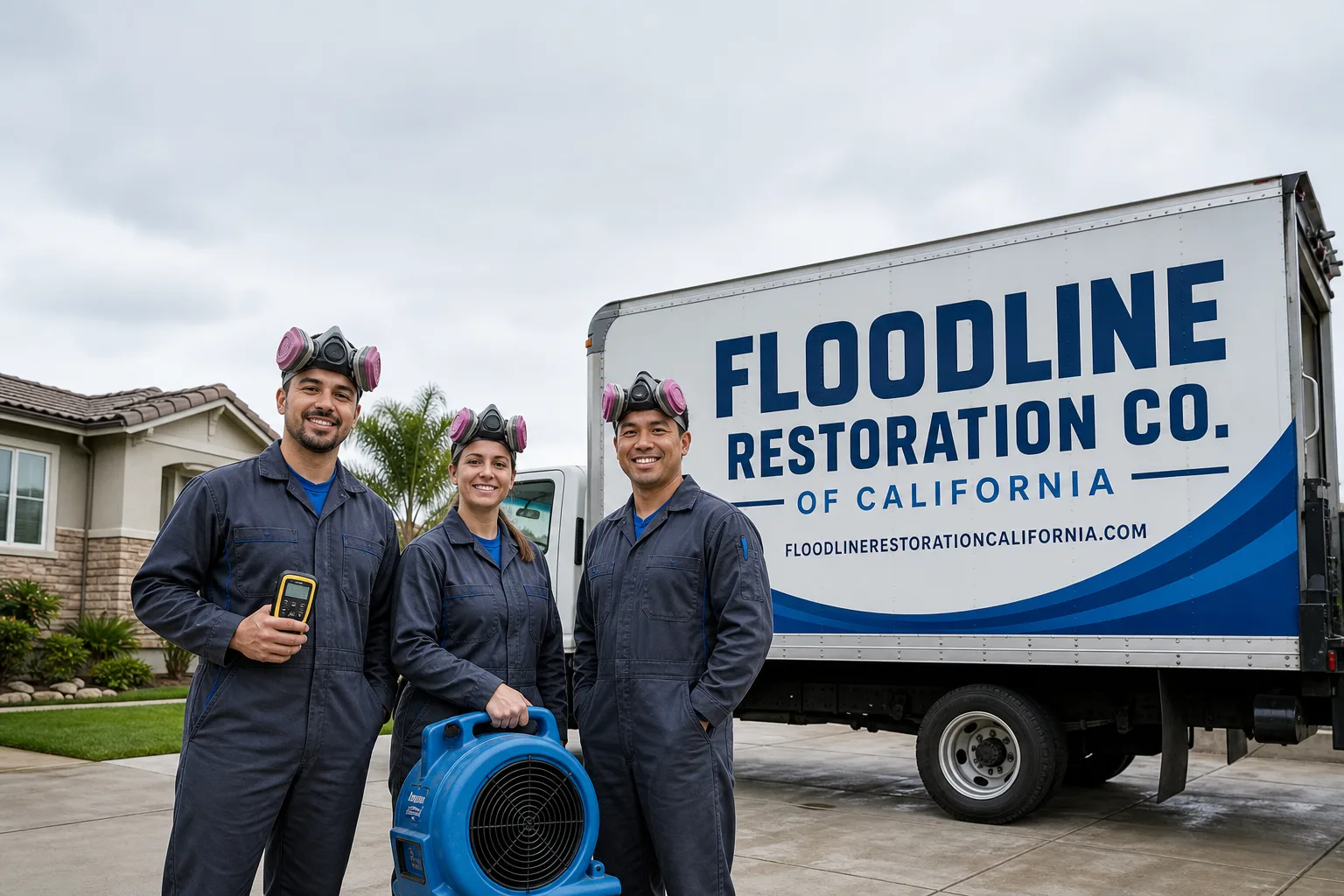
Curt Bowman founded this company in 2010 around a dispatch board, not a sales desk. The crews that show up in Topanga Canyon are background-checked, uniformed, and trained to IICRC, RIA, and IFA standards. We carry Dri-Eaz and Injectidry equipment because Topanga’s marine-layer humidity demands extraction and drying equipment that flatland restoration jobs rarely need. A live person answers the phone at 2 a.m., and that person can route a crew up Topanga Canyon Boulevard the same visit.
Topanga homeowners call us because we stay on a job until the rebuild is finished. No handoff to an outside contractor. No inherited crew nobody knows. Most jobs are completed in a single visit sequence: assessment, extraction, drying, rebuild, finish work. When we finish, you get a moisture log and the 90-Day Done Right Promise in writing. It says if it’s not done right, we make it right. No arguing, no paperwork battles.
Our Reconstruction & Cleanup Services in Topanga
Full-Service Reconstruction
After a fire or debris flow in Topanga, reconstruction means more than replacing drywall. The 1950s and 1970s canyon homes up here have custom framing, non-standard door sizes, rough-sawn siding, and wood-shake roofing that’s long been prohibited but still sits on many unrenovated structures. We rebuild to match what was there before the damage, not whatever’s cheapest at the lumberyard. That means sourcing matching redwood or cedar, cutting to the existing non-standard openings, and working with the character of the original cabin rather than flattening it into a tract-home box.
Post-Construction Cleanup
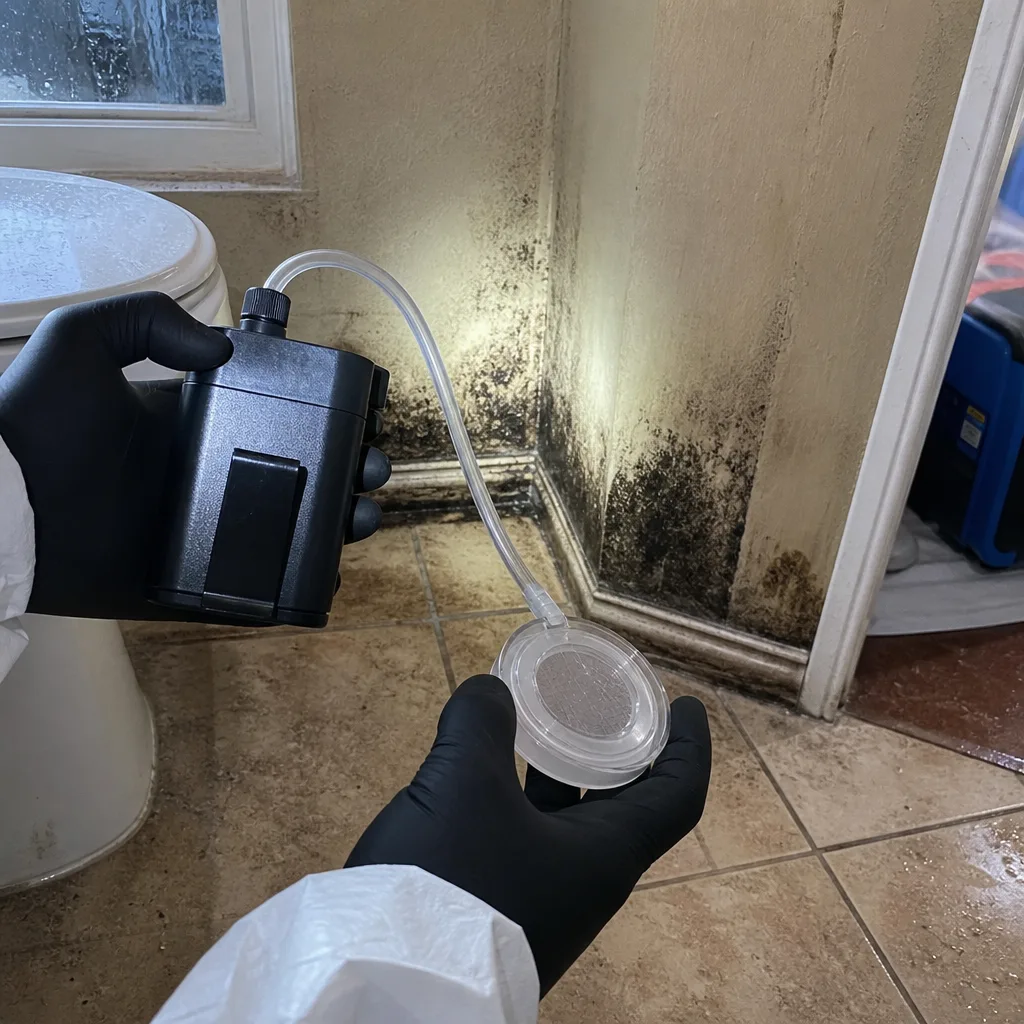
After we finish reconstruction on a Topanga home, the site gets a full post-construction clean: HEPA vacuuming of framing dust, HVAC cleaning, window and surface detailing. Canyon homes sit in chaparral and coastal scrub, so dust and ash travel far indoors. We leave the place livable, not “almost done.”
Insurance Claim Documentation
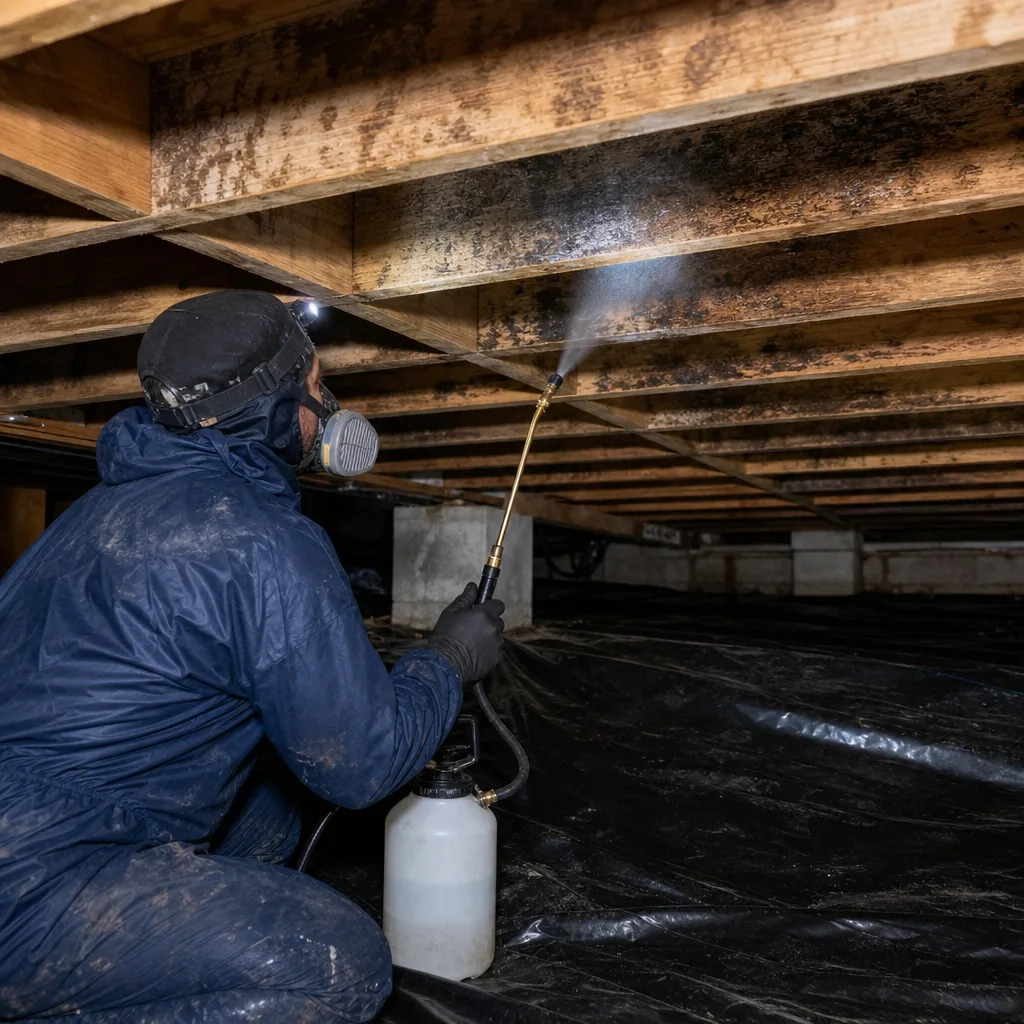
The single biggest variable on a Topanga claim is the second hit. A property gets fire or smoke damage in October, the owner starts rebuild planning, and then the first heavy January rain sends a debris flow through the same structure. We photograph and document both events separately, coordinate directly with your adjuster, and bill the carrier directly. You never play messenger between Floodline and your insurance. Each day of drying and each phase of reconstruction is logged with moisture readings and photo documentation so the claim is complete before the adjuster asks for it.
Drywall & Flooring Repair
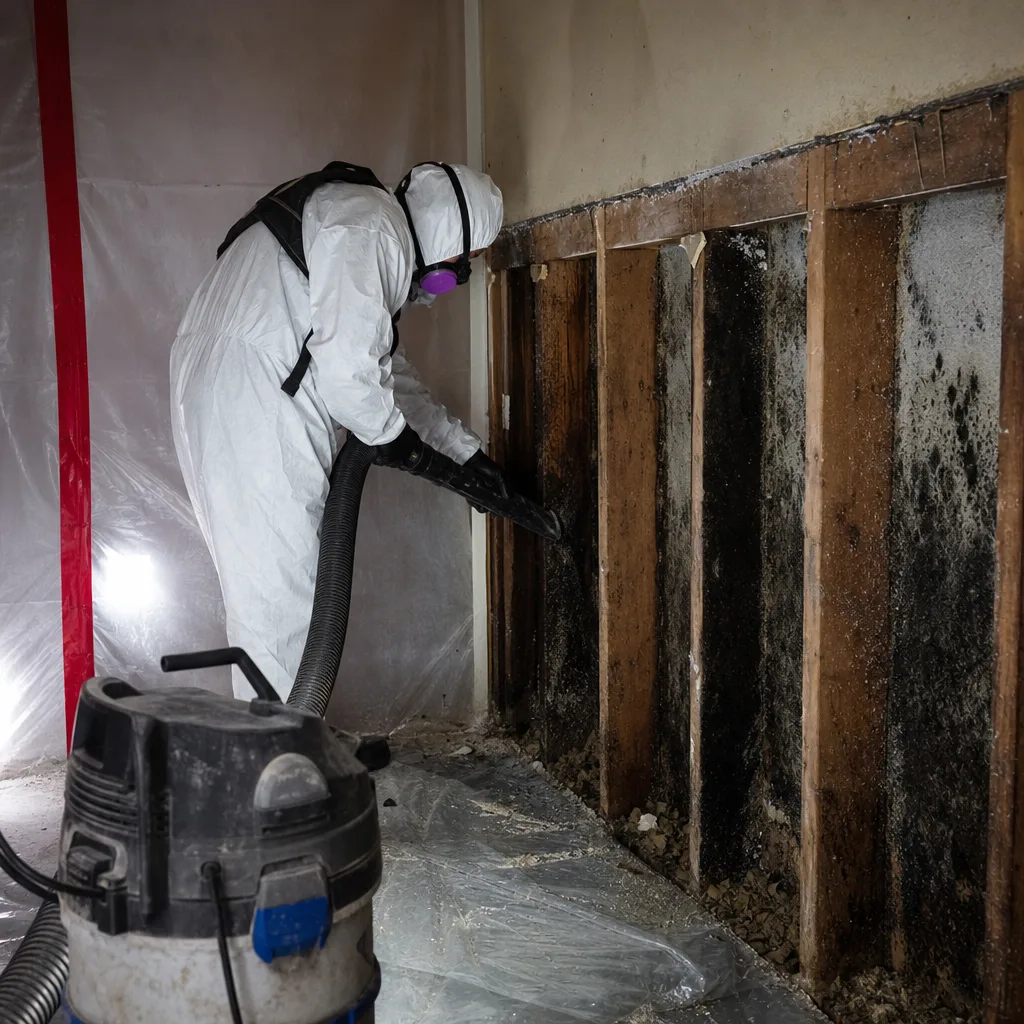
Topanga’s persistent morning humidity means any drywall that’s been wet from fire-suppression water or a debris flow needs aggressive drying before new material goes up. We run Dri-Eaz and Injectidry equipment with daily moisture readings until the dry standard is met. Then we hang, finish, and match texture. Flooring follows the same discipline: old-growth subfloor from a 1960s cabin needs to dry completely before we lay anything over it.
What happens when you call
- 1
A real person answersNo phone trees - you reach a local pro.
- 2
You get an upfront price rangeHonest numbers before anyone is dispatched.
- 3
A background-checked tech heads outLicensed & insured, dispatched right away.
- 4
You approve before work beginsNothing starts until you say go.
Trusted Brands We Service in Topanga
We work on custom carriage-house doors, wood doors, and the non-standard frames that 1950s through 1970s Topanga cabins were built with. We stock local parts for common canyon door sizes and opener configurations, and when a WhisperDrive or smart-home-integrated opener is specified, we match it to the home’s existing hub rather than forcing a retrofit. Fast turnaround matters here because a damaged entry door on a canyon lot is not something you leave for a week.
Common Reconstruction & Cleanup Problems We See in Topanga Homes
- Debris flow behind new drywall. A fire-damaged Topanga structure gets hit by a January mudslide, and a crew that doesn’t re-scope will seal ash-laden mud inside the walls. We remove the contamination before rebuild, not after.
- Mold timelines that run faster than flatland LA. Topanga Canyon channels the Pacific marine layer inland daily. Fire-suppression-wet framing starts colonizing mold within 48 to 72 hours. Standard flatland drying timelines fail up here. We accelerate drying and log it daily.
- Non-standard door and hardware sizes. A 1960s custom cabin rarely has a standard 36-inch door opening. Specifying generic hardware or openers forces rework. We measure, match, and custom-fit.
- Two separate covered events, one confused claim. Fire in October, debris flow in January. If the claim documentation doesn’t separate the two events cleanly, reconstruction costs get denied. We document each phase independently.
Pricing for Reconstruction & Cleanup in Topanga, CA
Full-service reconstruction after fire or debris flow damage in Topanga runs $18,000 to $38,000 for a typical single-structure canyon cabin with structural wall repair, custom finish matching, and full interior rebuild. Post-construction cleanup runs $650 to $2,100 depending on square footage and dust load. Drywall and flooring repair after localized water intrusion runs $3,800 to $11,000. Contents restoration and pack-out runs $2,500 to $9,000. What moves the number: the size of the non-standard framing, whether custom siding needs sourcing and milling, and whether a second covered event (fire then debris flow) is layered onto the same claim. Call (888) 737-2439 for a free estimate specific to your Topanga property. Estimates are free, and the scope is written before work starts.
We Also Serve Cities Near Topanga
Our Reconstruction & Cleanup crews work across the canyon and the surrounding foothills. We regularly serve Las Flores, Calabasas, Woodland Hills, and West Hills. If your property sits in one of those canyons or on the edges of Topanga, call (888) 737-2439 and a live dispatcher routes the nearest crew. Learn more about Reconstruction & Cleanup in Topanga.
Serving Topanga, CA - Our Local Coverage Area
We’re based in the Topanga area and know this community well. Use the map below to see our service coverage - if you’re nearby, we can almost certainly help.
FAQs - Reconstruction & Cleanup in Topanga
When Topanga Canyon Boulevard closes during an active wildfire or post-fire debris flow, no restoration crew can reach your property until the road reopens. That’s not a scheduling excuse; it’s the physical reality of this canyon. What we do is pre-stage: we coordinate site access, equipment staging, and material sourcing before closures happen whenever possible, and we maintain dispatch capacity so the moment the road reopens, our crew is on it. Call (888) 737-2439 the day you suspect you’ll need us, not the day after the road opens.
You need removal of ash-laden mud, structural drying of fire-suppression-wet framing, contamination testing, and re-scoping of the entire rebuild plan before any new drywall goes up. A debris flow through a fire-damaged Topanga structure carries ash, sediment, and particulates that ordinary water extraction doesn’t address. We run Injectidry extraction mats for the mud, then dry the framing with an accelerated marine-layer-adjusted drying protocol, then document the contamination removal before rebuild. Skipping that sequence leaves hidden mud behind new drywall.
Topanga Canyon channels the Pacific marine layer inland daily, creating persistent morning humidity and condensation. Fire-suppression water soaked into wood-framed 1960s cabins doesn’t dry the way it would in Woodland Hills or West Hills. Mold colonization starts within 48 to 72 hours in the canyon’s humidity. Our crews use Dri-Eaz dehumidifiers and Injectidry mats on accelerated timers with daily moisture readings until the dry standard is met. The humidity here doesn’t let you wait three days to call.
Yes. We source rough-sawn redwood and cedar to match original siding, and we custom-fit doors to the non-standard openings common in Topanga’s older cabins. We don’t order a commodity door and force it into a handmade frame. We measure the opening, build or source to spec, and match the finish. On a steep lot off Topanga Canyon Boulevard, our crew rebuilt a 1960s custom cabin after a debris flow punched through its wood-framed wall. We removed ash-laden mud with Injectidry extraction mats, dried the structural framing, then matched the original rough-sawn redwood siding and rebuilt a custom carriage-house door with a WhisperDrive opener integrated into the home’s existing smart hub.
Yes. We document the two covered events separately, coordinate directly with your adjuster, and provide photo evidence and daily moisture logs for each phase. When a single Topanga property has a fire in October and a debris flow in January, the claim paperwork must show two distinct damage events or reconstruction costs get denied. We handle that documentation so you’re not re-negotiating alone.
Written by Curt Bowman, Owner at Floodline Restoration Co. of California.