
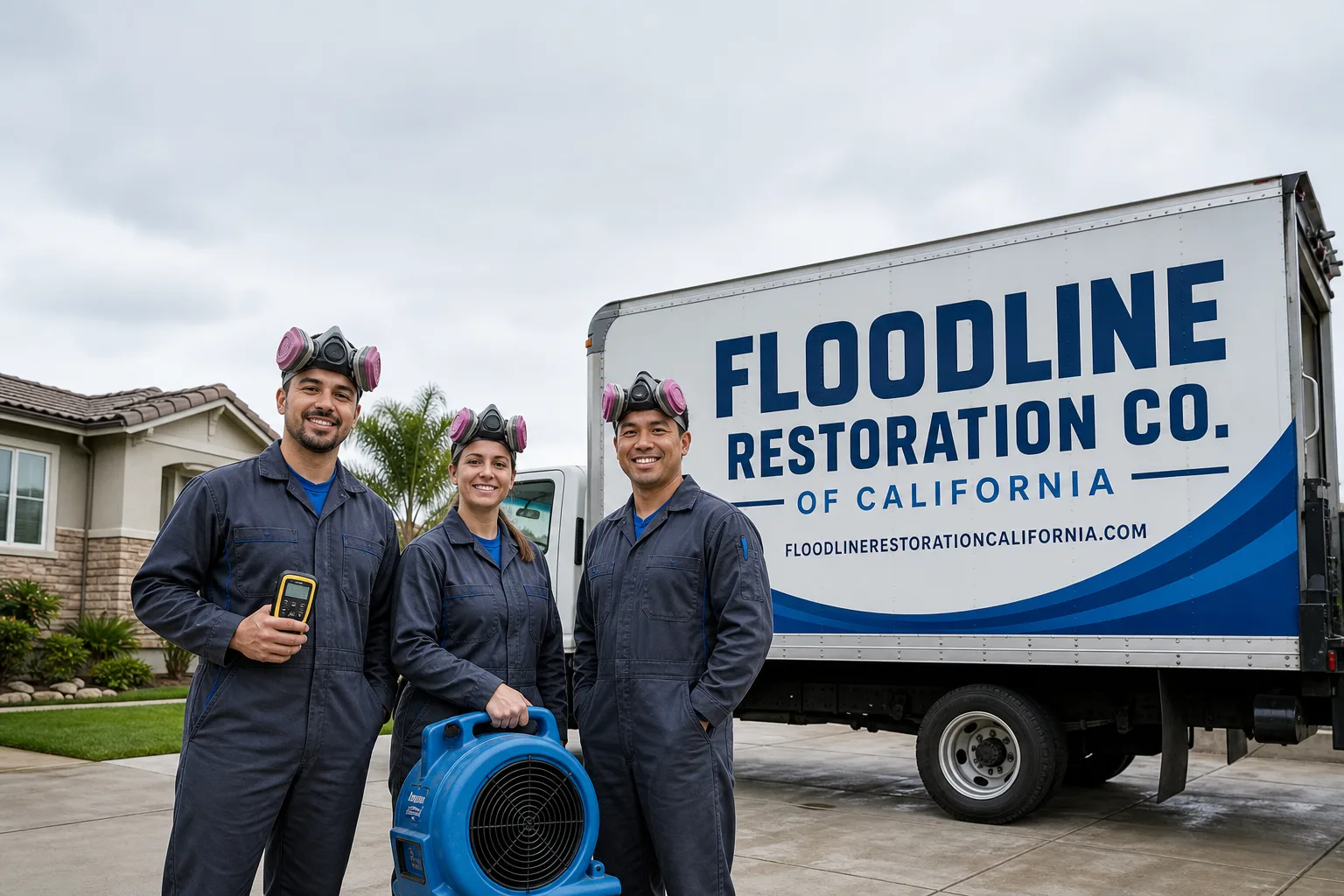
Fast, Reliable Reconstruction & Cleanup Across Claremont
Reconstruction and cleanup in Claremont after a fire, storm, or flood typically runs from a few days for targeted drywall and flooring work to several weeks for a full rebuild. Floodline Restoration Co. of California handles every phase with the same crew, from first extraction to finished trim, and we answer the phone at (888) 737-2439 around the clock. If you live north of Foothill Boulevard, in the Village, or anywhere in the 91711 ZIP, our crews know your streets and your walls. We start where the damage stopped and we don’t hand the job off.
Key Takeaways:
- Reconstruction in Claremont commonly runs $4,800-$18,600 depending on scope; a single-room drywall and paint restoration typically lands at $3,200-$6,900.
- Ash-laden runoff from the San Gabriel slopes after any burn event carries Category 3 contamination, even if it looks like ordinary stormwater.
- Original lath-and-plaster walls in 1920s-1940s Claremont homes can often be saved in place with Injectidry rather than ripped out.
- We document everything for your carrier and bill them directly. No messenger work for you.
Why Floodline Restoration Co. of California Is Claremont’s Preferred Reconstruction & Cleanup Company
We’ve rebuilt homes in the Village, off Indian Hill Boulevard, and up in the foothill streets near Padua Avenue. Claremont’s housing stock is different from what you’ll find five miles south in Pomona. The lath-and-plaster walls, old-growth framing, and original millwork in this city’s Craftsman bungalows and Spanish Colonials demand a restoration crew that knows when to repair and when to replace. Our technicians are background-checked, uniformed, and trained to IICRC, RIA, and IFA standards. We’re led by Curt Bowman, who founded this company in 2010 around a dispatch board, not a sales desk. That’s why a live person answers at 2 a.m., and why the same crew that takes moisture readings on day one returns for every reading after.
Our Reconstruction & Cleanup team has worked through enough Claremont wind events and post-burn rain cycles to know what your home faces before we open the first wall. We inspect, scope, and write it down before work starts. You get a square deal: no surprises on the bill.
Our Reconstruction & Cleanup Services in Claremont
Full-Service Reconstruction
When a Santa Ana wind event drops a fifty-year-old branch through your roof, the damage doesn’t stop at the shingles. We handle structural repair, insulation replacement, drywall, texture, paint, and trim. In Claremont’s older homes, that often means matching original Craftsman details, not throwing up builder-grade replacements. We coordinate the entire rebuild from the same office that ran the extraction, so you’re never explaining your loss to a stranger mid-project. The work is backed by the 90-Day Done Right Promise, in writing.
Drywall & Flooring Repair
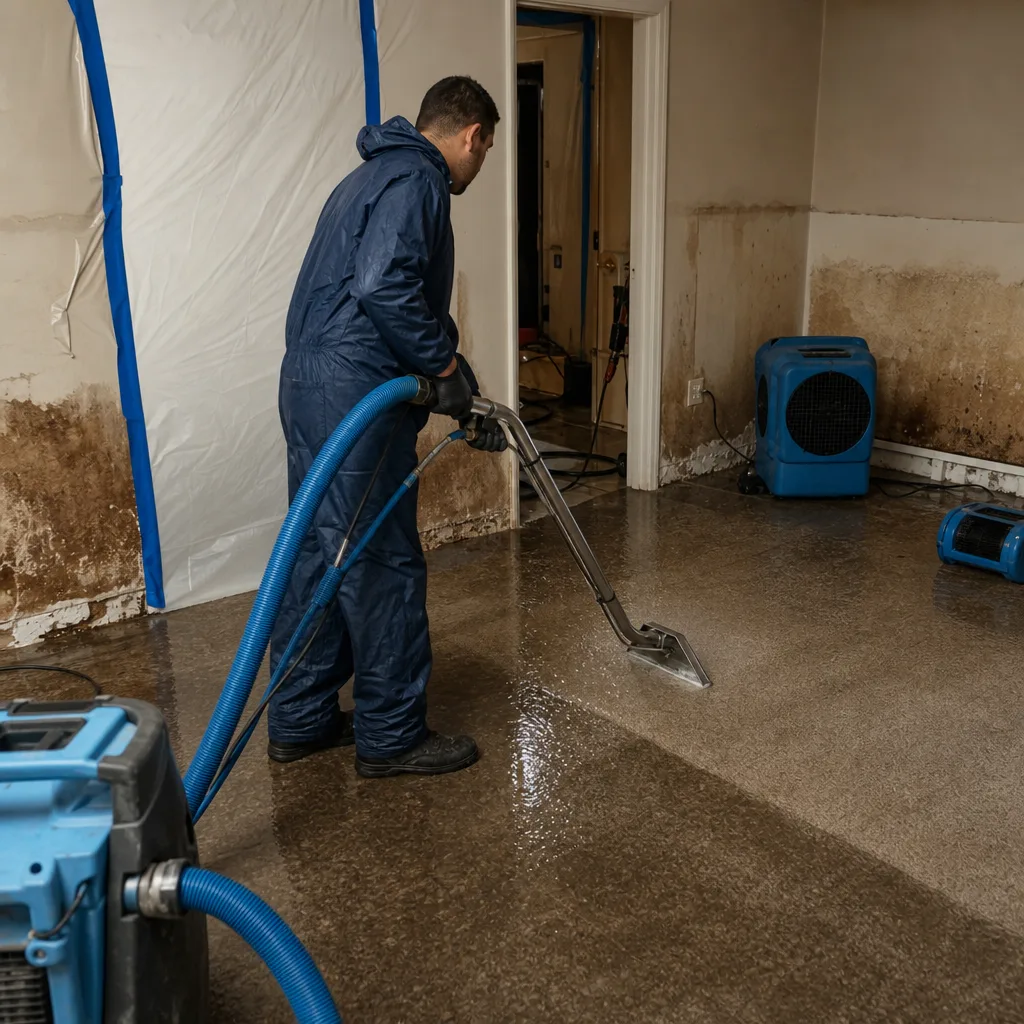
Plaster and drywall in Claremont homes respond badly to rushed drying. Old plaster cracks and delaminates; new drywall wicks and molds. Our crews use Dri-Eaz, Phoenix, and Injectidry systems to dry wood and plaster in place where it’s salvageable, then rebuild what isn’t. For flooring, we handle slab-leveling, subfloor repair, and hardwood, tile, or carpet replacement. In the Village’s older homes, we match existing floor heights and transitions so the repair doesn’t announce itself.
Contents Restoration & Pack-Out
After a fire on the foothills or a sewage back-up in a 1940s home, your furniture, clothing, and papers need a clean, dry place while the structure is rebuilt. We pack out, inventory, clean, store, and return contents when the rebuild is done. In Claremont, where many homeowners have lived in the same house for twenty or thirty years, that inventory often includes things that can’t be replaced: photo albums, collected books, vintage furniture. Our team documents everything with photos for your carrier and treats each item like it’s our own.
Carpet & Upholstery Cleaning
Ash and sediment from foothill runoff bury themselves in carpet fibers and upholstery padding. Standard cleaning doesn’t touch Category 3 contamination. We run professional-grade XPOWER and B-Air equipment for deep extraction and drying, and we clean with the same level of documentation we use on reconstruction jobs. Call (888) 737-2439 and we’ll be there when we say.
What happens when you call
- 1
A real person answersNo phone trees - you reach a local pro.
- 2
You get an upfront price rangeHonest numbers before anyone is dispatched.
- 3
A background-checked tech heads outLicensed & insured, dispatched right away.
- 4
You approve before work beginsNothing starts until you say go.
Trusted Brands We Service in Claremont
We don’t sell equipment, so we’re not tied to one brand. That matters in a city where a 1930s Spanish Colonial needs different drying hardware than a 1980s ranch. Our crews arrive with Dri-Eaz and Phoenix extraction and drying units, XPOWER air movers, B-Air filtration, and Injectidry panels for in-place plaster drying. For older Claremont homes, we keep a range of trim profiles, plaster washers, and hardwood transitions on hand so jobs don’t stall waiting on a part from a warehouse in another state. Fast turnaround, matched materials, and a crew that knows which system fits which wall.
Common Reconstruction & Cleanup Problems We See in Claremont Homes
- Post-burn ash runoff mistaken for stormwater. After any fire on the San Gabriel slopes above Claremont, the next rain carries ash, organic material, and sediment into north Claremont streets and homes. This is Category 3 water by definition. Homeowners who delay the call let contaminated moisture settle into plaster and framing, and mold establishes within 48 hours.
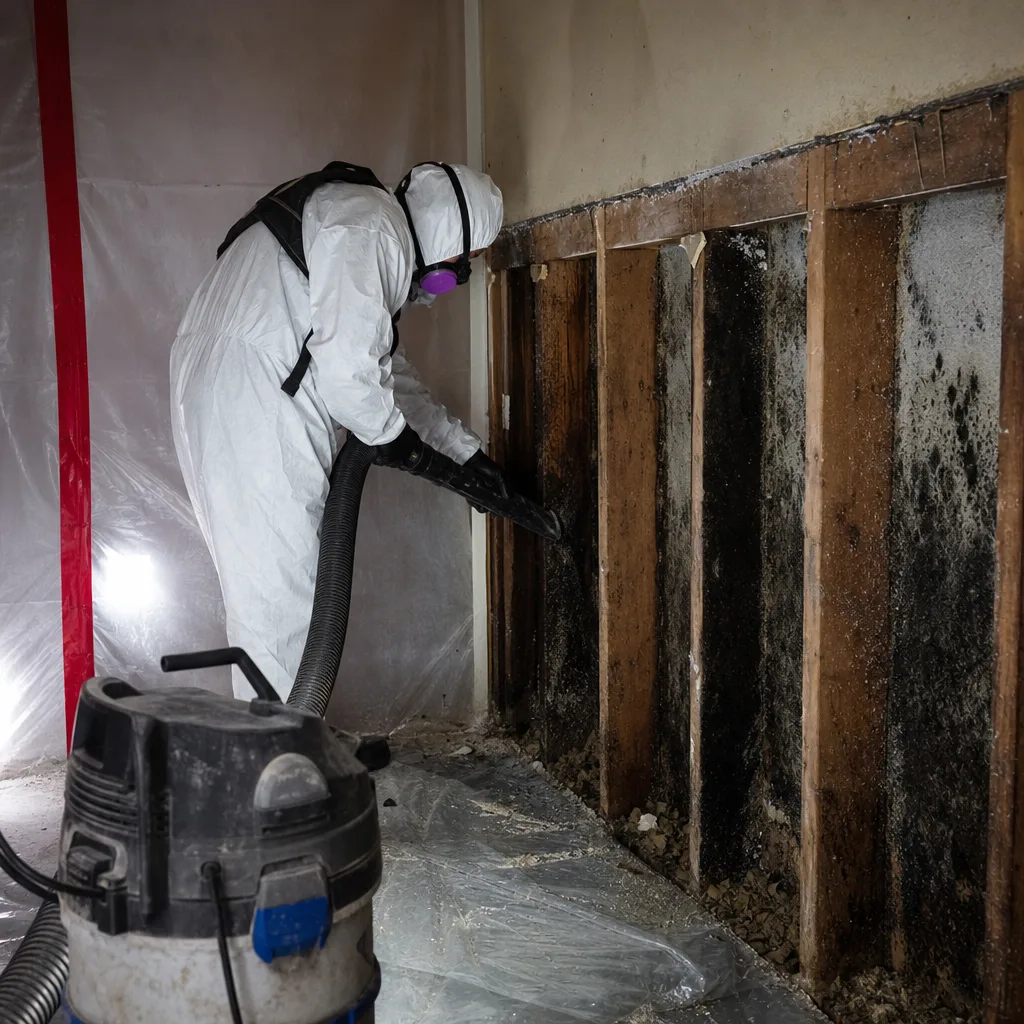
- Lath-and-plaster walls cracked by forced drying. Old plaster doesn’t behave like drywall. Blowing hot air at it too fast causes cracking, delamination, and full wall loss. We use Injectidry panels and controlled drying to save original walls wherever the moisture map allows.
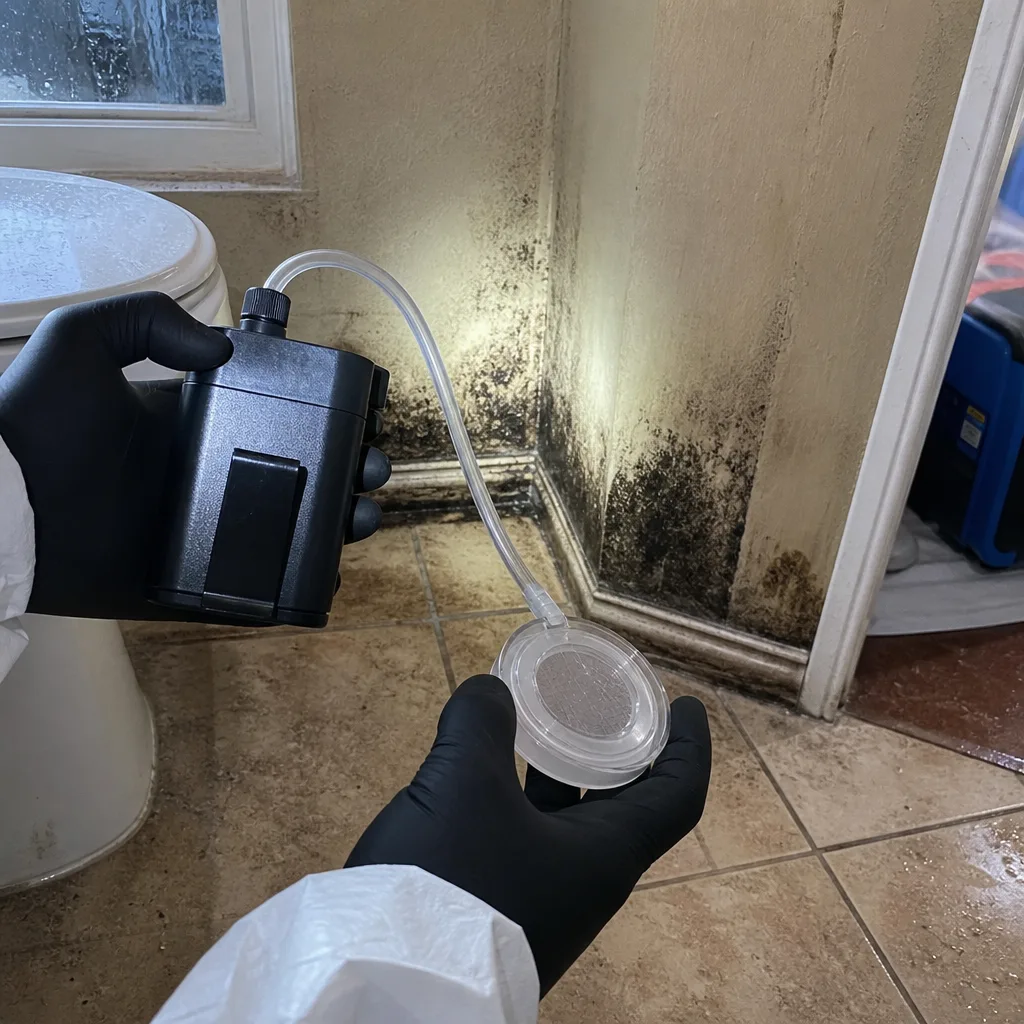
- Lead paint and asbestos in 1920s-1940s remodels. Homes in the Village and foothill neighborhoods built before 1950 commonly contain lead paint and, less often, asbestos in plaster or flooring. Cutting into those materials without testing creates a regulatory violation and an unsafe job site. We test, document, and handle it correctly.
- Historic-preservation requirements on Craftsman rebuilds. Claremont’s Village has design-review requirements for exterior work on contributing historic structures. A porch rebuild or roofline repair isn’t a simple swap. We work within those rules and document every step for the city and your carrier.
Pricing for Reconstruction & Cleanup in Claremont, CA
Here’s what Claremont homeowners typically see for common reconstruction scopes:
- Drywall repair and repaint after a ceiling leak: $1,400-$3,800
- Full room reconstruction (drywall, texture, paint, flooring): $3,200-$6,900
- Kitchen rebuild after a fire or flood (cabinets, counters, drywall, flooring): $9,500-$24,000
- Whole-home contents pack-out and restoration: $4,800-$18,600
- Post-construction cleanup after a rebuild: $600-$1,800
Labor rates in Claremont run slightly above the San Bernardino County average because of the specialized work older homes require. Crews need plaster skills, lead-safe protocols, and experience with historic materials. You’re not paying a premium for a brand name; you’re paying for the right crew on a house that deserves it. Estimates are free, and we offer $50 off any repair over $250, plus a 5% discount for seniors and veterans. Call (888) 737-2439 for exact numbers on your scope.
We Also Serve Cities Near Claremont
Our Claremont crews regularly work in Montclair, La Verne, Upland, and Pomona. If your home sits near the city line, we’ll still respond as though you’re a neighbor, because you are. Same dispatch, same crew standards, same 90-Day Done Right Promise in writing.
Serving Claremont, CA - Our Local Coverage Area
We’re based in the Claremont area and know this community well. Use the map below to see our service coverage - if you’re nearby, we can almost certainly help.
FAQs - Reconstruction & Cleanup in Claremont
Yes. Runoff that enters a home after rain following any burn on the San Gabriel slopes carries ash, organic debris, and sediment that classify it as Category 3, or black water. It is not ordinary stormwater, even if it looks like it. Delaying treatment lets that contamination wick into plaster and framing. Call us at (888) 737-2439 the moment you see sediment inside your home; the longer it sits, the more wall we have to remove.
Lath-and-plaster walls hold moisture differently than drywall. They absorb slowly, release slowly, and crack badly if dried too fast. Our crews use Injectidry panels and controlled air flow to dry plaster in place when possible, preserving the original wall character. When a section is too far gone, we cut clean lines, rebuild with compatible materials, and match texture. This is slower than a drywall swap-out, but it’s the right repair on a historic home.
Most likely, yes. The Village has design-review requirements for exterior work on contributing historic structures, and a porch rebuild on a Craftsman typically needs city approval before work starts. We handle that documentation as part of our scope. Our team has navigated Claremont’s review process on multiple porch, roofline, and exterior-wall rebuilds. We’ll put the application together, file it, and keep the project moving while the city reviews.
First, shut off power to the affected area if it’s safe to reach the panel. Then tarp the opening and call (888) 737-2439. A live dispatcher answers around the clock. In Claremont’s October wind season, a punctured roof becomes a water-damage event within hours if not tarped. We’ll get a certified crew to your home the same visit, tarp the breach, and start documenting for your insurance carrier with photos.
Yes, with phasing. The Claremont Colleges’ older campus buildings have different construction than the city’s homes, but the same drying science applies. We run moisture mapping and containment zones that let instruction continue in unaffected areas while we dry, rebuild, and restore damaged ones. We’ve handled institutional work here and coordinate directly with facilities staff and the carrier on scheduling, access, and documentation.
What Claremont Homeowners Should Know About Ash and Plaster
Here’s the part most people miss. After a burn on the San Gabriel slopes above Claremont, the next rain doesn’t just bring water. It brings ash, charred organic matter, and slope sediment down through the foothill streets north of Foothill Boulevard. By the time that mix reaches a home, it is Category 3 water under IICRC standards. The problem is that it doesn’t always look contaminated. It looks like muddy stormwater. Homeowners mop it up, open windows, and move on. Within two or three days, the moisture that seeped into lath-and-plaster walls has started growing mold inside the wall cavity, where nobody sees it until the paint blisters. That’s the exact scenario we’ve handled in this city after fire events. The fix is early: call before the wall dries on its own, and let us read the moisture map with professional equipment, not a finger pressed to the plaster.
Claremont’s older housing stock makes this sequence worse than in flatter, newer cities. A 1920s Craftsman bungalow off Mills Avenue has original plaster over wood lath, with old-growth Douglas fir framing behind it. Those materials absorb contaminated water deeply and release it slowly. If you dry them with hot air and brute force, the plaster cracks and separates from the lath. If you don’t dry them at all, the framing rots behind a facade that looks fine. Neither outcome is acceptable on a home that’s stood for a hundred years.
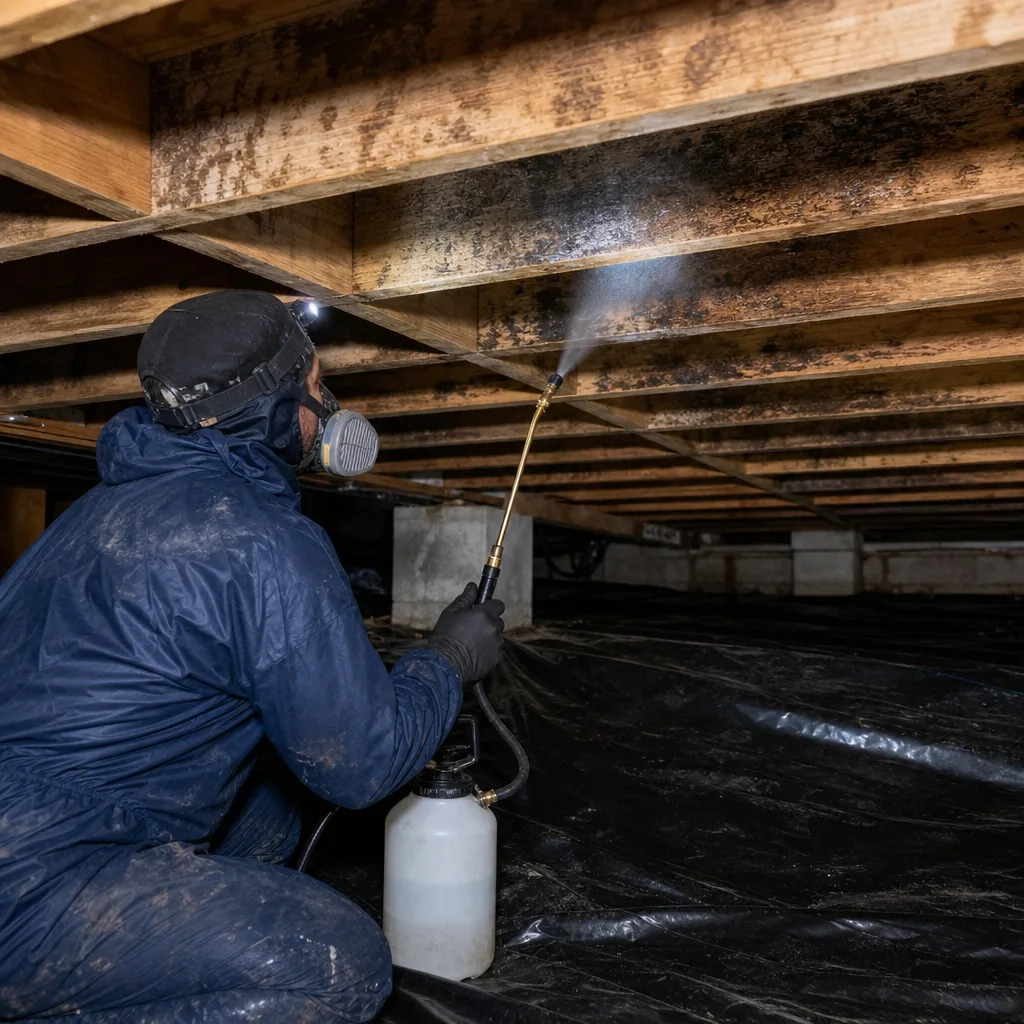
We saw this play out after a rain following the 2022 burn on the slopes above town. Our crew was called to a 1920s Craftsman off Mills Avenue in the Village. The north-facing lath-and-plaster walls had wicked ash-laden sediment through the siding. We removed the lower three feet of plaster, treated the old-growth Douglas fir framing with an antimicrobial, and used Injectidry panels to dry the remaining plaster in place. The home kept its original walls and character. The alternative would have been a full plaster tear-out and replacement, at triple the cost and none of the history.
Claremont sits hard against the base of the San Gabriel Mountains. That position means the city records some of the highest temperatures in the Los Angeles Basin and catches the full force of Santa Ana winds funneling down the foothills each fall. Those winds tear branches from the city’s mature tree canopy and drive them through roofs, fascia, and windows. The next rain after a slope burn then turns those breaches into contaminated-water entry points. This dual-threat sequence, fire damage followed immediately by sediment intrusion, is largely absent in flatter neighboring cities like Pomona or Montclair. If you live north of Foothill Boulevard, you live in that cycle. We do too, which is why our crews are on that side of town when the calls start.
For lead paint and asbestos in 1920s-1940s homes, the same honesty applies. We test before we cut. If lead is present, we follow lead-safe work practices and document everything. We don’t sand old painted trim into dust and we don’t demo plaster without containment. The city’s older homes deserve that level of care, and your carrier deserves the documentation that proves it was done right.
When the estimate is done, you’ll have it in writing. When the work is done, you’ll have the 90-Day Done Right Promise in writing. That’s the Keystone Standard, and it’s not negotiable. It’s how Curt Bowman built this company from the start, and it’s how we still operate in Claremont, from the Village to the foothills.
Call (888) 737-2439 for a free estimate. A live person answers, day or night, and we’ll be there when we say.
Written by Curt Bowman, Owner at Floodline Restoration Co. of California, serving Claremont since 2010.