
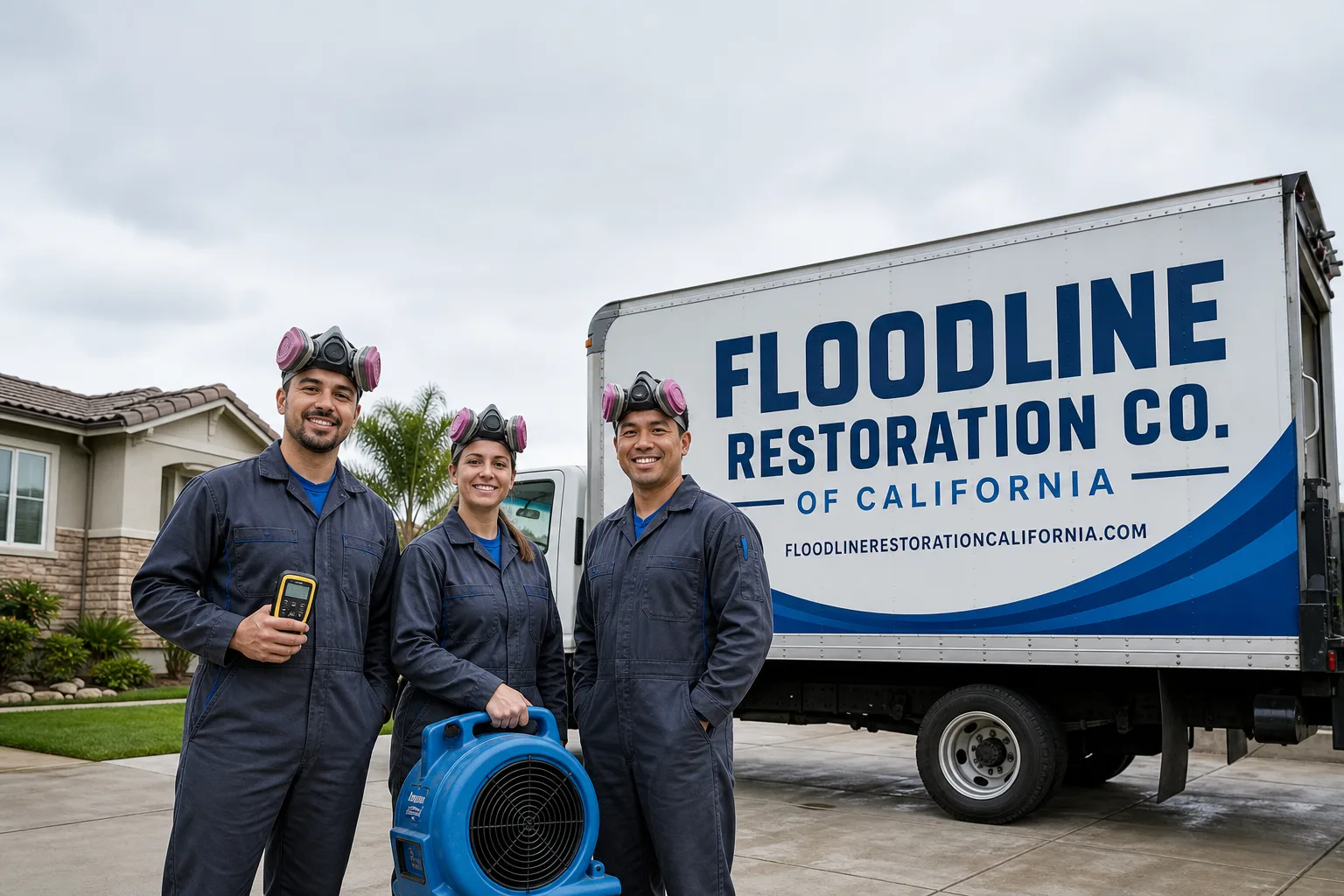
Fast, Reliable Mold Remediation Across Santa Monica
Mold remediation in Santa Monica, CA typically costs $1,800-$6,500 depending on how far the colony has spread, and in this city the clock moves faster than almost anywhere else in Los Angeles County. The coastal marine layer keeps ambient humidity high enough that mold reaches germination conditions within 24-48 hours of a water event, not the 72-hour window restorers use inland. If you’ve spotted discoloration on a wall, smelled mustiness near the baseboards, or just had a leak in a 1930s Spanish Colonial on 14th Street, call (888) 737-2439 now. A live dispatcher answers around the clock, and a certified crew can be at your doorstep in Santa Monica the same day.
Key Takeaways
- Mold in Santa Monica germinates in 24-48 hours due to the marine layer, so delay is expensive.
- Rent-controlled buildings require room-by-room sequencing, not whole-unit evacuation.
- Salt air corrodes copper and galvanized fittings, forcing material replacement inland crews skip.
- Mold inspection and testing in Santa Monica runs $350-$750; full remediation typically $1,800-$6,500.
- Floodline Restoration Co. backs every job with the 90-Day Done Right Promise, in writing.
Why Santa Monica Homes Need a Different Approach to Mold
Santa Monica’s building stock isn’t like the rest of Los Angeles. Most of the housing was built between the 1930s and 1960s: Spanish Colonial apartments near the beach, Streamline Moderne walk-ups along Wilshire Boulevard, mid-century courtyard buildings off Pico. Many still have original galvanized plumbing, original roofing, original stucco. When a supply line finally fails – and corrosive salt air from Santa Monica Bay makes that failure a question of when, not if – the moisture doesn’t just sit in the wall. It feeds mold growth immediately, because the marine layer keeps relative humidity high year-round. We’ve been called to open walls on 12th Street and found black mold colonizing Douglas fir studs within two days of a pinhole leak. Inland restorers seldom see that. We see it weekly. Our Santa Monica crews are trained specifically for this housing stock and this microclimate. We know which buildings on Montana Avenue have original lath-and-plaster walls, which Wilshire corridor properties have soft-story parking that hides water damage, and which Ocean Park bungalows need crawl space treatment after every El Niño winter.
Why Floodline Restoration Co. of California Is Santa Monica’s Preferred Mold Remediation Company
We’ve been doing this since 2010, and Santa Monica property managers and homeowners call us for a reason: we understand rent control, we understand salt air, and we don’t hand jobs off to someone else mid-project. The same crew that reads the moisture map on day one handles daily readings, hands the log to the owner and the carrier, and rebuilds what needs rebuilding. No messengers, no passed buck.
Our technicians are background-checked, uniformed, and certified to IICRC, RIA, and IFA standards. They arrive in marked vehicles, set up professional-grade Dri-Eaz and Phoenix equipment, and treat your home like it belongs to someone they answer to. Which it does. We answer to you, and we back the work with the 90-Day Done Right Promise – in writing, no arguing, no paperwork battles. If it’s not done right, we make it right.
Santa Monica homeowners have specific fears: that the mold will spread while they wait, and that a remediation company will oversell once the walls are open. We answer both. Dispatch is live 24/7, so a crew can be in 90401, 90402, 90403, or 90411 the same day you call. And before we start work, you get a written scope agreed to before any wall comes open. No surprise line items, no upsell pressure. A square deal.
Our Mold Remediation Services in Santa Monica
Mold Inspection & Testing
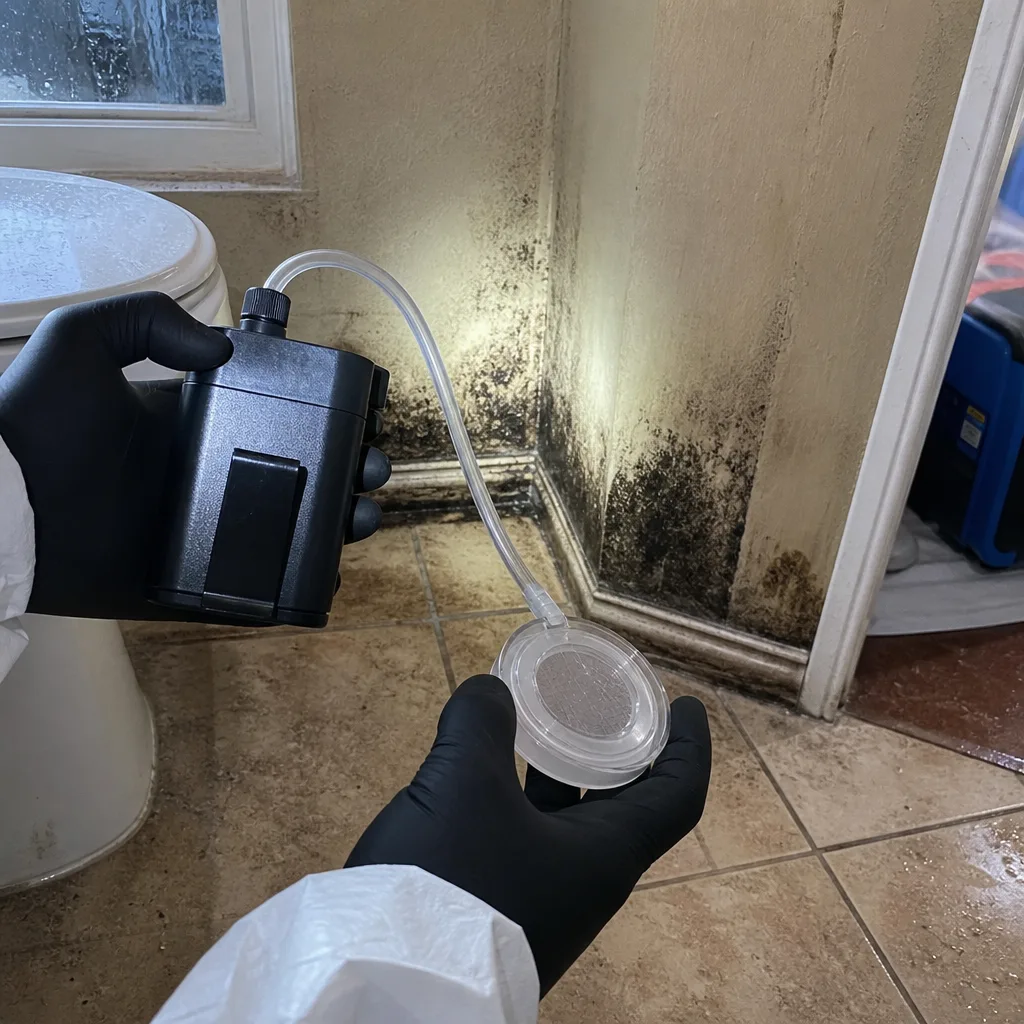
Before remediation, you need to know what you’re dealing with. In Santa Monica, that means more than a visual check. The marine layer means hidden colonies thrive inside wall cavities where you can’t see them. We run air sampling, surface sampling, and moisture-mapped readings with professional equipment, then give you a written report showing exactly what’s present and where. Mold inspection and testing in Santa Monica typically runs $350-$750 depending on square footage and the number of samples. The report is yours to keep, even if you hire someone else.
Mold Removal
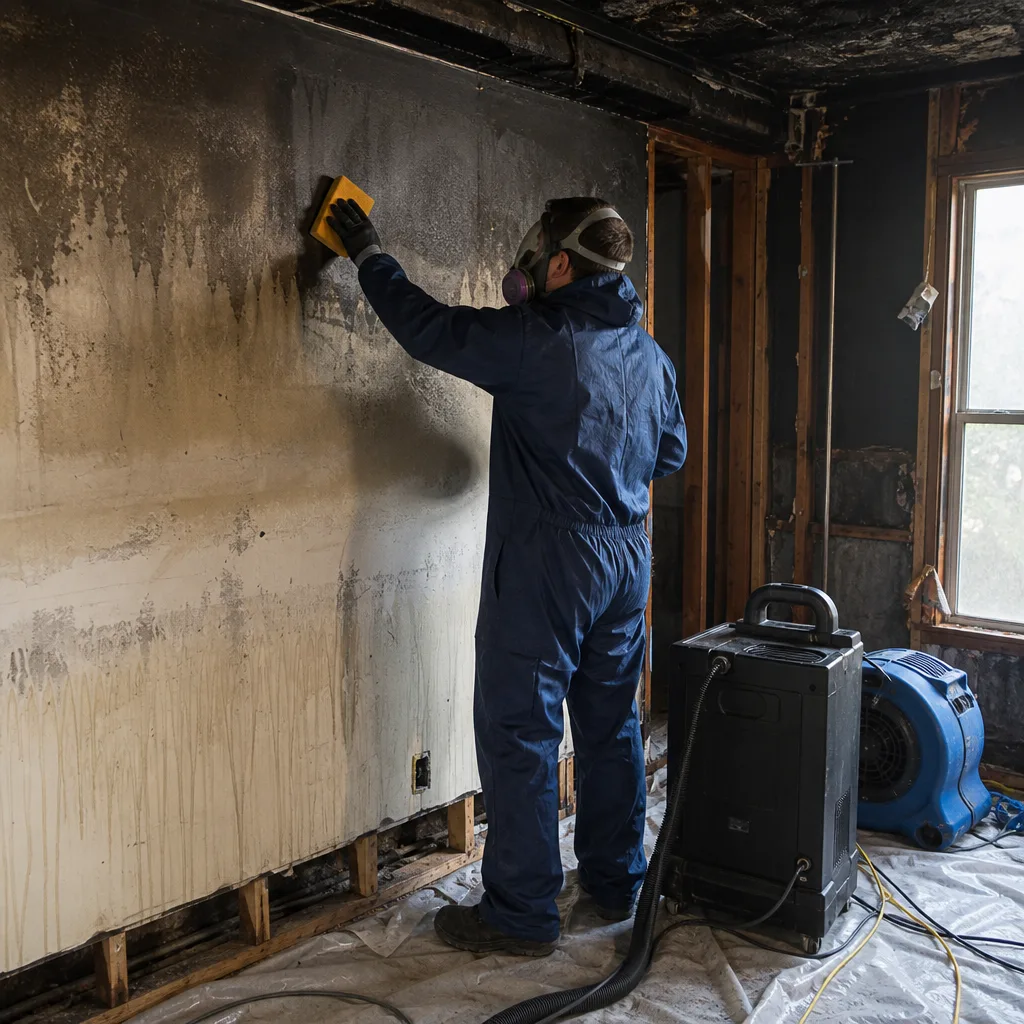
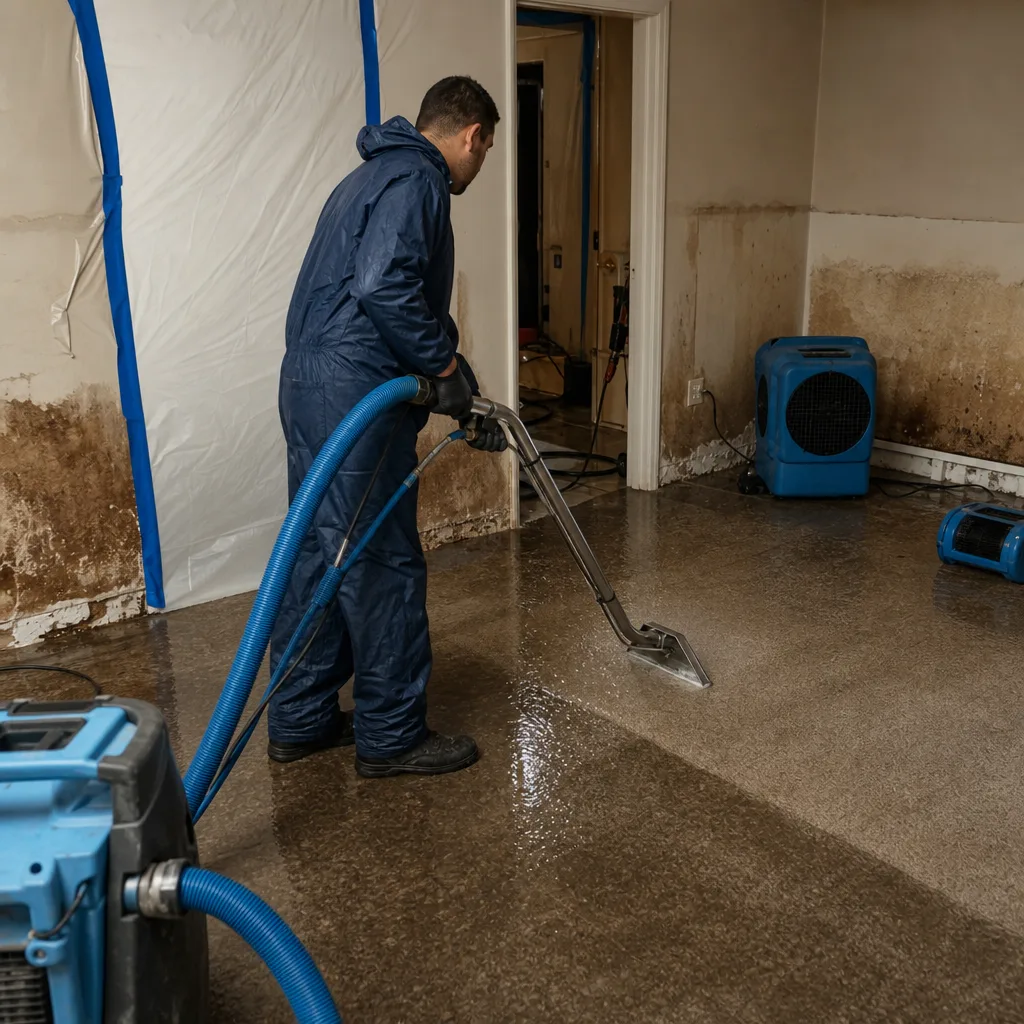
Removal means physically eliminating the colony and the moisture source feeding it. In Santa Monica’s older buildings, that often means opening lath-and-plaster or original drywall to expose the full extent of growth behind the surface. We isolate the work area with proper containment, run HEPA air scrubbers, remove contaminated materials, and treat remaining surfaces with anti-microbial encapsulant. The goal isn’t just to kill what’s visible – it’s to make sure nothing comes back when the next marine-layer-heavy June arrives.
Black Mold Remediation
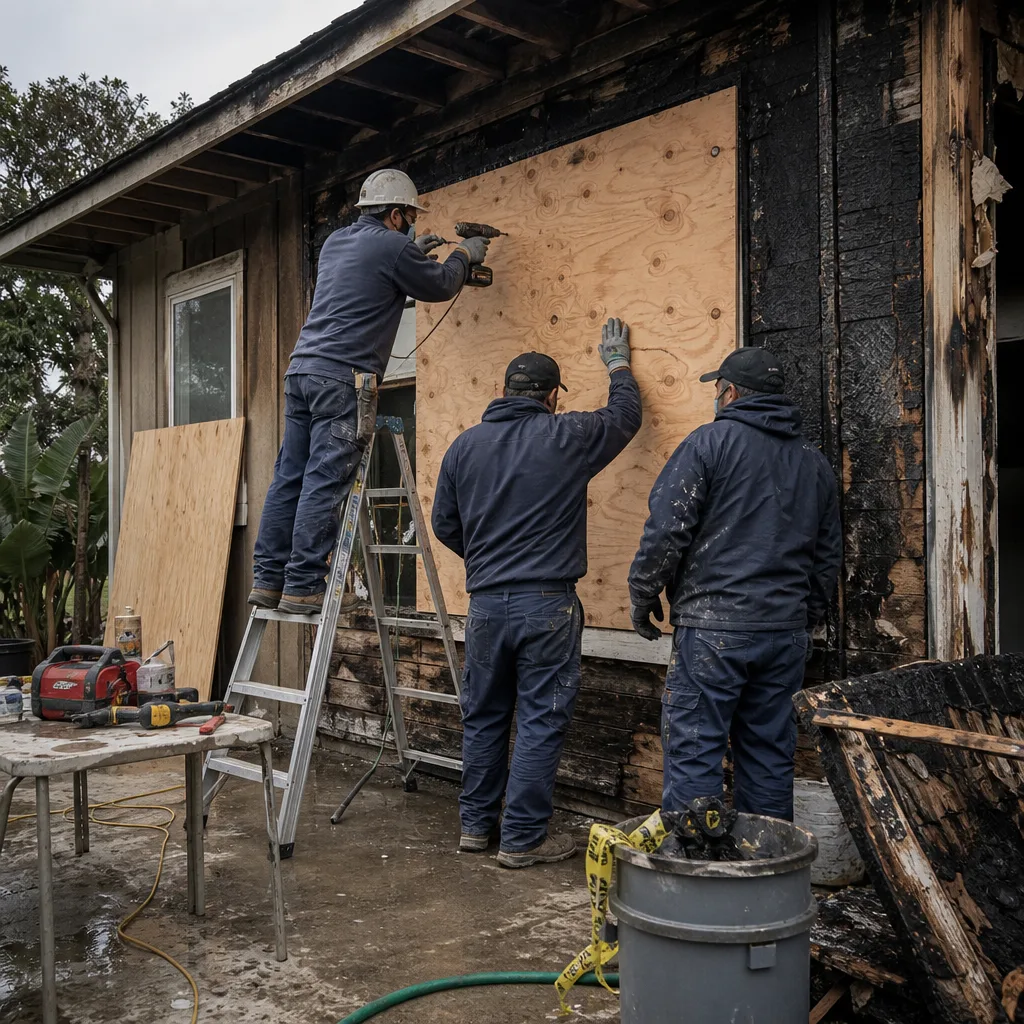
Stachybotrys – the “black mold” people worry about – thrives in the damp, dark, cellulose-rich environments Santa Monica’s aging building cavities provide. When we find it, we don’t just clean the surface. We identify the moisture source, dry the structure to standard, remove affected materials, and seal remaining surfaces. In a 1940s Spanish Colonial on 14th Street, that recently meant replacing original plaster, treating exposed studs, and installing marine-grade brass fittings so the salt air couldn’t eat through new copper the way it ate through the old galvanized line.
Air Quality Restoration
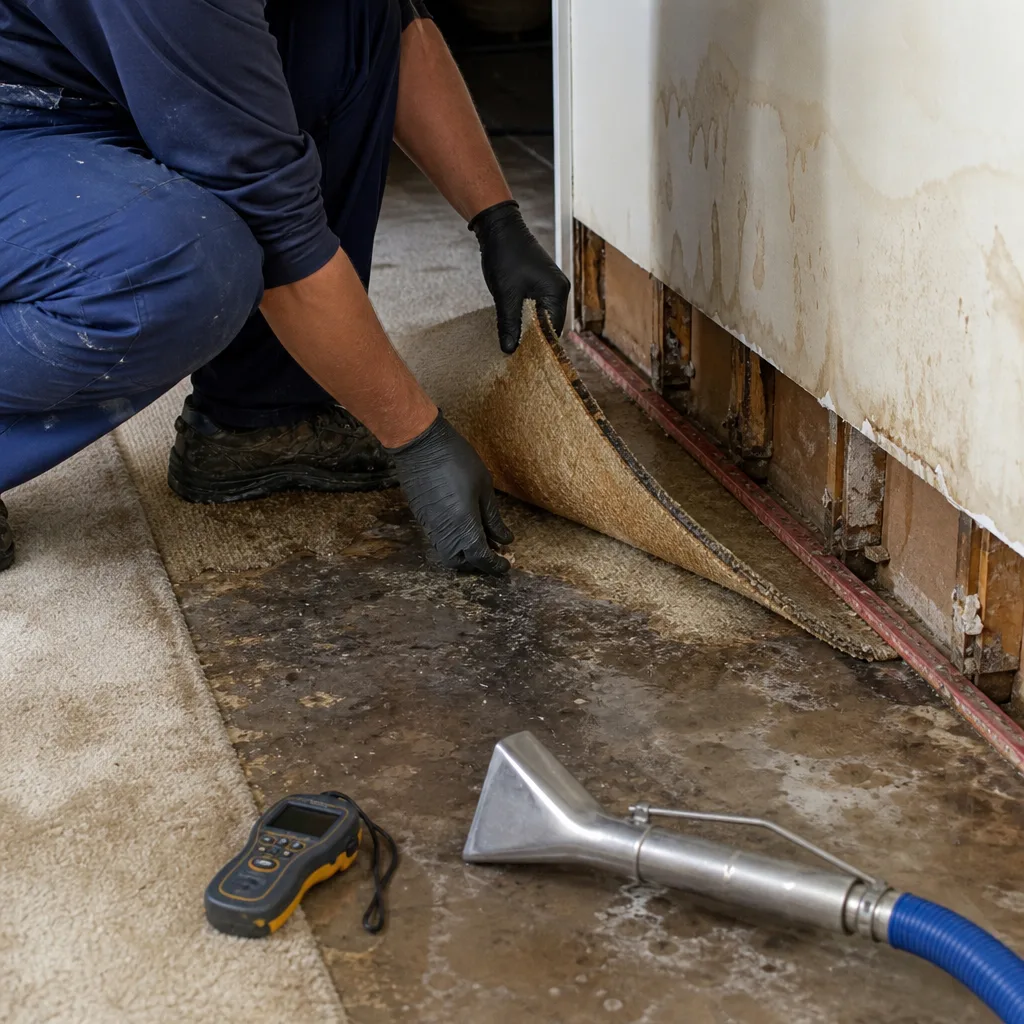
After physical removal, the air in your home still carries spores and VOCs. We run commercial HEPA air scrubbers – Phoenix units – and negative air machines throughout the remediation, then finish with post-remediation verification sampling. Santa Monica’s tightly-sealed mid-century apartments hold contaminants longer than the drafty craftsman-style bungalows you see inland, so this step matters more here. You get documentation showing the air in your home meets clearance standards when we’re done.
Moisture & Humidity Control
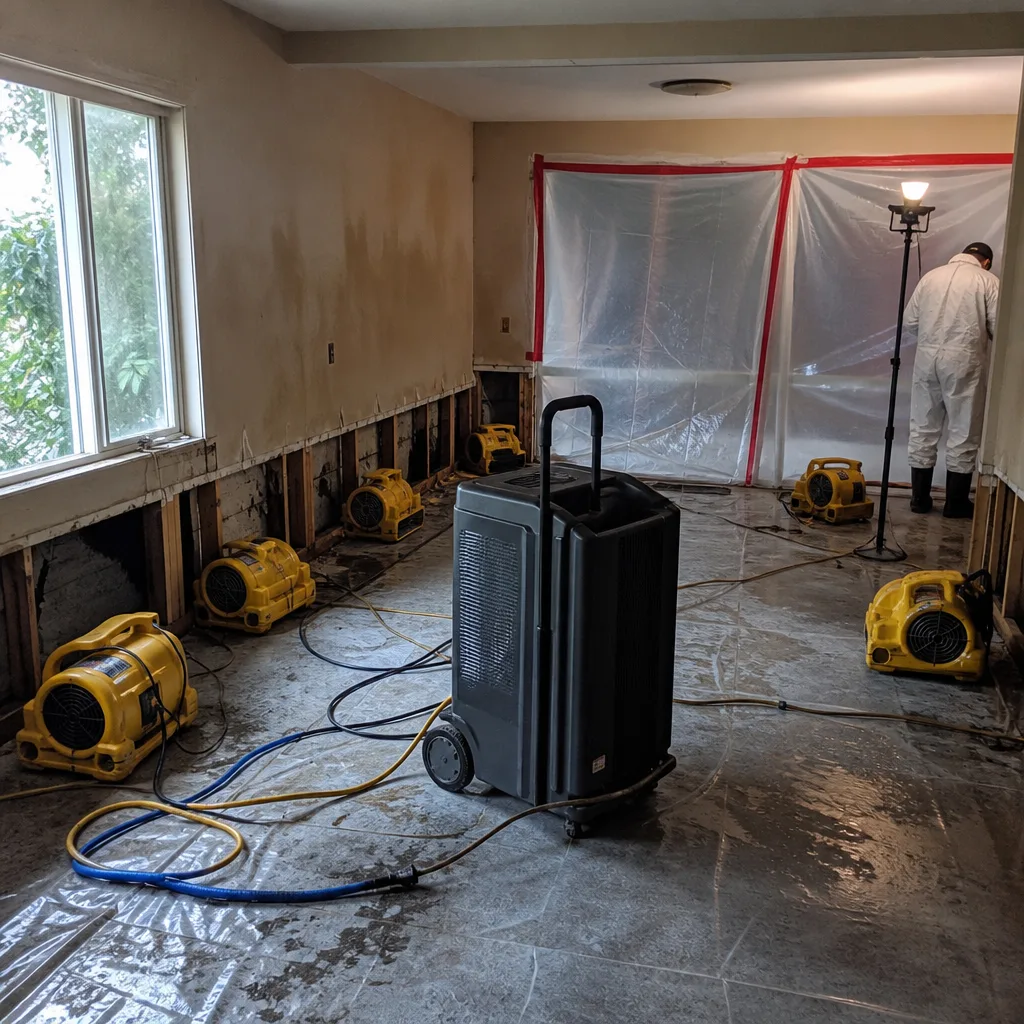
Mold is a moisture problem before it’s anything else. In Santa Monica, the outside air itself is moist. Fog off the Bay settles into crawl spaces and wall cavities daily. We install and calibrate dehumidification systems sized for coastal conditions, seal crawl spaces where appropriate, and set up ongoing monitoring where older buildings need it. The fix isn’t just drying out the current problem – it’s changing the conditions that let mold take hold in the first place.
Crawl Space Treatment
Santa Monica’s beach-adjacent neighborhoods – Ocean Park, Sunset Park, the flats near the Pier – have crawl spaces that hold moisture year-round. The marine layer keeps the soil damp, salt air accelerates vapor barrier breakdown, and poorly ventilated 1940s crawl spaces become mold factories under the floorboards. We inspect, dry, treat, and seal crawl spaces with materials rated for coastal exposure. If you’ve noticed a musty smell coming up through the floorboards of a 90405 flat, this is where we start.
What happens when you call
- 1
A real person answersNo phone trees - you reach a local pro.
- 2
You get an upfront price rangeHonest numbers before anyone is dispatched.
- 3
A background-checked tech heads outLicensed & insured, dispatched right away.
- 4
You approve before work beginsNothing starts until you say go.
Common Mold Remediation Problems We See in Santa Monica Homes
- Galvanized supply line failures behind original walls. Salt air from Santa Monica Bay corrodes galvanized steel faster than inland water chemistry ever does. When a 60-year-old line bursts in a wall cavity on 15th Street, the mold clock starts at 24 hours, not 72.
- Hidden colonies behind soft-story retrofit work. The city’s mandatory seismic retrofit ordinance means buildings get opened up for structural work, and that’s when owners discover long-undiscovered mold behind original drywall and stucco. If you’re planning retrofit work on a tuck-under parking building from the 1960s, have us inspect before the walls come down.
- Rent-control sequencing challenges. In rent-controlled apartments, you can’t just evacuate the unit and dry the whole thing at once. Tenant displacement triggers Rent Control Board protections, so work has to be sequenced room-by-room. We’ve been doing this in Santa Monica long enough that our crews set up containment and drying per-room as a matter of habit.
- Recurring mold in beach-adjacent crawl spaces. The flats south of Pico and near the Pier flood during El Niño winters, and even without flooding, the crawl spaces never fully dry. If you’ve had mold removed once and it’s back, the moisture source was never addressed. We find it and fix it.
Pricing for Mold Remediation in Santa Monica, CA
Here’s what mold remediation actually costs in Santa Monica, straight numbers. A single-room containment with removal and air scrubbing runs $1,800-$3,500. Whole-unit remediation in a 1930s-1960s apartment typically lands between $4,000 and $6,500, more if the soft-story garage or crawl space is involved. Inspection and testing alone: $350-$750. These ranges reflect Santa Monica’s labor costs and the extra material replacement salt air demands – you’ll pay more here than in Culver City for the same square footage because we’re often replacing corroded fittings and treating marine-exposed wood. Call (888) 737-2439 for a free estimate. We give you a written scope before work starts, and direct insurance billing means you don’t play messenger between us and the carrier.
Santa Monica Rent Control and Mold Remediation: What Property Managers Need to Know
This is the piece almost nobody from outside the city understands. Santa Monica’s rent-controlled apartment buildings – protected under the 1979 Rent Control Charter Amendment – create a workflow constraint that doesn’t exist in neighboring Culver City or unincorporated LA County. Tenant displacement during drying and remediation triggers protections under the city’s Rent Control Board rules, which means crews can’t simply evacuate a unit and run full-size equipment across the whole floor plan. Work has to be sequenced room-by-room, with containment set up and torn down repeatedly. It takes longer. It costs more. And if a remediation company doesn’t know the rules, they’ll stall your job mid-drying. We know the rules. Our Santa Monica crews sequence work room-by-room as standard practice, coordinate with property managers on tenant notification, and keep the job moving without running afoul of the Rent Control Board.
What the Salt Air Does to Mold Remediation Scopes
Salt-laden air off Santa Monica Bay doesn’t just affect what grows – it affects what we have to replace. Copper fittings that would last decades in Culver City or Beverly Hills get eaten by pinhole corrosion within a few years within a mile of the beach. HVAC coils corrode faster. Metal structural fasteners rust through in places restorers inland never touch. So when we write a remediation scope in Santa Monica, we plan for marine-grade brass fittings where copper would fail, corrosion-resistant fasteners where standard ones won’t hold, and anti-microbial encapsulants rated for high-humidity coastal exposure. A remediation company that doesn’t factor in salt air is a company you’ll be calling back in eighteen months. That’s an expensive way to learn a lesson.
A Santa Monica Job That Shows What We Mean
We were called to a 1940s Spanish Colonial apartment on 14th Street after a galvanized supply line corroded by salt air burst inside a wall cavity. Our techs opened the lath-and-plaster wall to find black mold had already colonized the original Douglas fir studs within 48 hours. We set up Dri-Eaz LGR dehumidifiers and a Phoenix air scrubber, then sequenced remediation room-by-room so the tenant never had to move out under Rent Control Board rules. We replaced the corroded copper fittings with marine-grade brass and applied an anti-microbial encapsulant before closing up. That was a standard call for us. The building owner had called another company first – one from inland – and they’d told him to wait 72 hours before drying. By the time we got there, what should have been a $2,300 repair had become a $5,800 remediation. The marine layer doesn’t wait. Neither should you.
Mold Remediation in Santa Monica’s Neighborhoods
We work across all of Santa Monica – the rent-controlled corridor along Wilshire Boulevard, the beach-adjacent flats near the Pier, the Spanish Colonial apartments in Sunset Park, the mid-century courtyard buildings off Pico, the walk-ups in Ocean Park. Zip codes 90401, 90402, 90403, and 90411 all see regular mold calls, and the patterns are consistent: aging plumbing in pre-1965 buildings, salt-air corrosion, crawl space moisture, and soft-story garages that hide water damage until someone opens them up. You won’t find a Santa Monica mold problem we haven’t seen before. Our mold remediation team is on call for you now.
Trusted Equipment We Use in Santa Monica
You don’t need to know the gear by name, but you should know we don’t show up with rental-shop junk. Our dehumidifiers are Dri-Eaz LGR units – the kind that actually pull moisture out of coastal air instead of just moving it around. Air scrubbers are Phoenix HEPA units. Our techs train to IICRC, RIA, and IFA standards, so the person reading the moisture readings on your wall actually understands what the numbers mean for a 1930s lath-and-plaster assembly with salt-air exposure. It matters. It matters more in Santa Monica than almost anywhere else in the county.
We Also Serve Cities Near Santa Monica
If you own property in Venice, Century City, Culver City, or Beverly Hills, our Mold Remediation in Santa Monica crews serve those areas too. The marine layer doesn’t stop at the city line, and we’re already on the road.
Serving Santa Monica, CA - Our Local Coverage Area
We’re based in the Santa Monica area and know this community well. Use the map below to see our service coverage - if you’re nearby, we can almost certainly help.
FAQs - Mold Remediation in Santa Monica
Mold typically germinates within 24-48 hours after a water leak in Santa Monica, compared to 72 hours or more in inland cities like Culver City or Beverly Hills. The coastal marine layer keeps ambient humidity high enough that mold spores find the moisture they need almost immediately. If you’ve had a leak, call (888) 737-2439 the same day. Waiting even one extra day in Santa Monica can mean the difference between a contained fix and a full wall-cavity remediation.
In rent-controlled buildings, whole-unit evacuation triggers tenant displacement protections under Santa Monica’s Rent Control Board rules, so we sequence work room-by-room to keep the job moving without forcing a tenant out. It’s a legal constraint specific to this city – in Culver City or unincorporated LA County, you can dry a whole unit at once. The room-by-room approach takes slightly longer and requires repeated containment setup, but it keeps you on the right side of the law. Call (888) 737-2439 if you manage a rent-controlled building and need an assessment that accounts for sequencing.
Yes. Santa Monica’s mandatory soft-story retrofit ordinance has forced owners of tuck-under parking buildings from the 1960s-70s to open up walls and structural elements, and that’s when many discover hidden mold colonies behind original drywall and stucco. If you’re planning retrofit work, have us inspect before the walls come down so you’re not surprised mid-project. A pre-retrofit mold inspection in Santa Monica runs $350-$750 and can save you thousands in change-order costs.
Salt-laden air off Santa Monica Bay corrodes copper fittings, galvanized supply lines, HVAC coils, and metal fasteners at a rate restorers inland almost never see. A copper fitting that would last 20 years in Culver City can develop pinhole leaks within 3-5 years within a mile of the beach. When we remediate mold in Santa Monica, we routinely replace corroded metal with marine-grade brass or corrosion-resistant alternatives. If a remediation company doesn’t factor in salt air, you’ll be calling them back in under two years.
Expect containment setup, HEPA air scrubbing, selective removal of contaminated materials, room-by-room sequencing if the building is rent-controlled, and material replacement that accounts for salt-air exposure. The work usually takes 2-5 days depending on the spread, and you’ll get daily moisture readings and a final clearance report. We hand you the written scope before work starts and the 90-Day Done Right Promise in writing when we’re done. Call (888) 737-2439 for a free estimate from a crew that knows this city’s buildings.
Written by Curt Bowman, Owner at Floodline Restoration Co. of California