
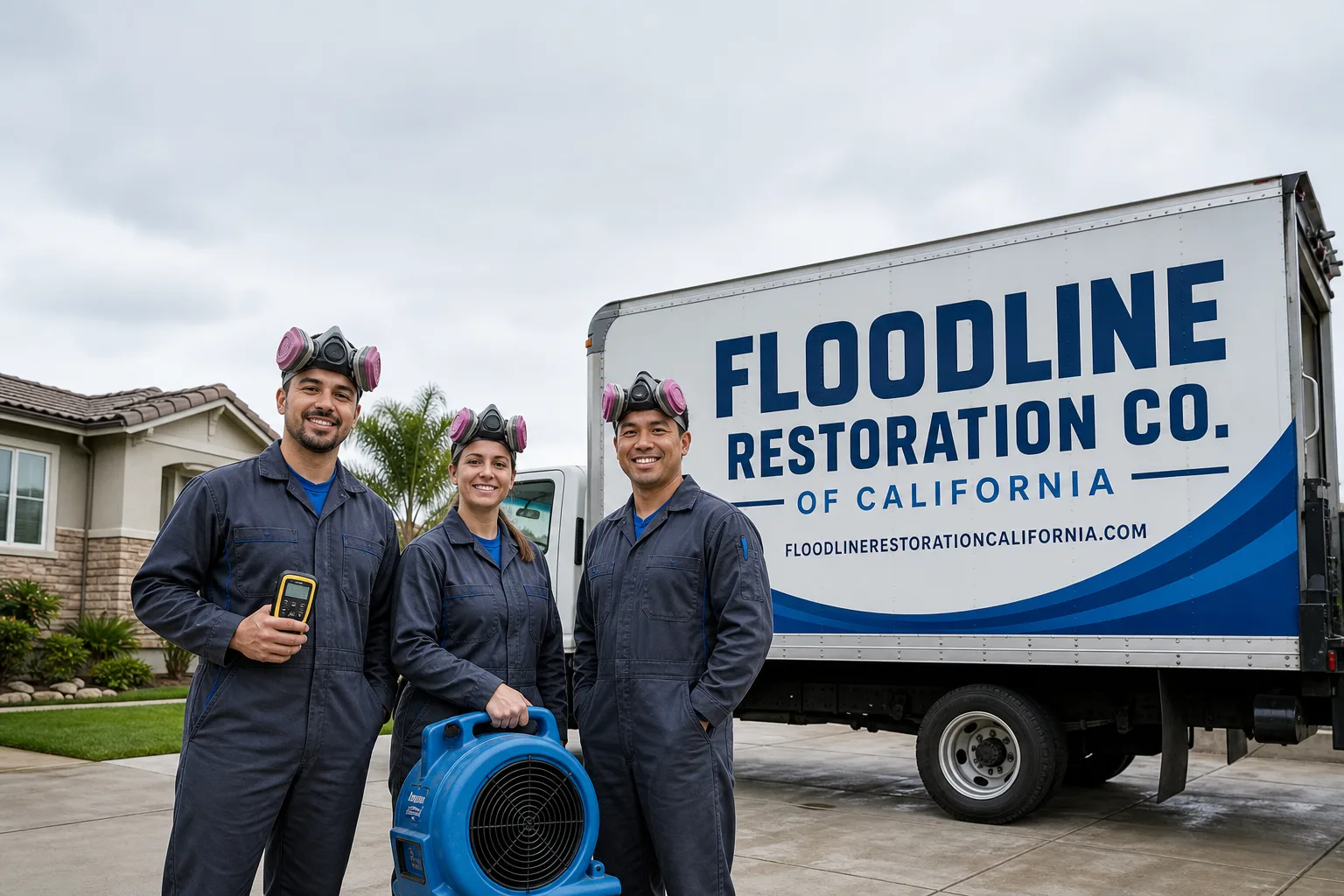
Fast, Reliable Biohazard & Crime Scene Cleanup Across Monrovia
Biohazard and crime scene cleanup in Monrovia typically runs $850-$4,500 depending on the scope, and most emergency jobs can be dispatched the same day. Our crews reach Monrovia homes quickly because we know the streets, the housing stock, and the particular way contamination behaves in this mountain-front city. We answer the phone with a live dispatcher at any hour, every day, so you won’t leave a voicemail while you’re standing in a house that needs professional help now. Call (888) 737-2439 and a certified, background-checked technician will be on the way.
Key Takeaways
- Monrovia’s post-wildfire debris-flow cycle means biohazard cleanup often begins with excavation, not disinfection.
- Most biohazard jobs in Monrovia run $850-$4,500, with trauma and unattended death cleanup on the higher end.
- Older Craftsman and Spanish Colonial homes here wick contamination upward through plaster-and-lath walls, extending timelines.
- Our Biohazard & Crime Scene Cleanup team works to IICRC, RIA, and IFA standards with a written 90-Day Done Right Promise.
Why Floodline Restoration Co. of California Is Monrovia’s Preferred Biohazard & Crime Scene Cleanup Company
Monrovia trusts us because we have been answering the phone here for years, not routing calls through a national call center. When a homeowner on Hillcrest Boulevard calls at 2 a.m. after a trauma event, they get a live person who knows where Hillcrest is, knows what the street is like at night, and can dispatch a uniformed technician who doesn’t need a map to find the house. That matters in a city where the mountain front complicates everything from humidity to debris movement.
Our technians are certified to IICRC, RIA, and IFA standards, which means they understand how to handle bloodborne pathogens, how to remove contaminated materials without spreading pathogens, and how to document everything for insurance carriers. We bill the carrier directly, so you don’t become the go-between. And every job, including biohazard work, is backed by the 90-Day Done Right Promise: if it isn’t done right, we make it right, in writing, with no paperwork battles.
We’ve handled Biohazard & Crime Scene Cleanup in Monrovia on properties from the flatlands near Myrtle Avenue to the hillside streets approaching the foothills. That range means we know how different this city’s contamination scenarios are, block by block. A job in a 1930s bungalow downtown is not the same as a job in a hillside home with mud intrusion. We treat them accordingly.
Our Biohazard & Crime Scene Cleanup Services in Monrovia
Crime Scene Cleanup
Crime scene cleanup in Monrovia usually means blood and bodily fluid removal, and it starts with containment. We seal off affected areas, remove contaminated materials like carpet, drywall, and personal items, and disinfect every surface to IICRC standards. In Monrovia’s older homes, that often includes plaster-and-lath walls that have wicked fluids upward beyond the visible area. We test, not guess, and we hold that line until the space passes remediation standards.
Trauma & Unattended Death Cleanup
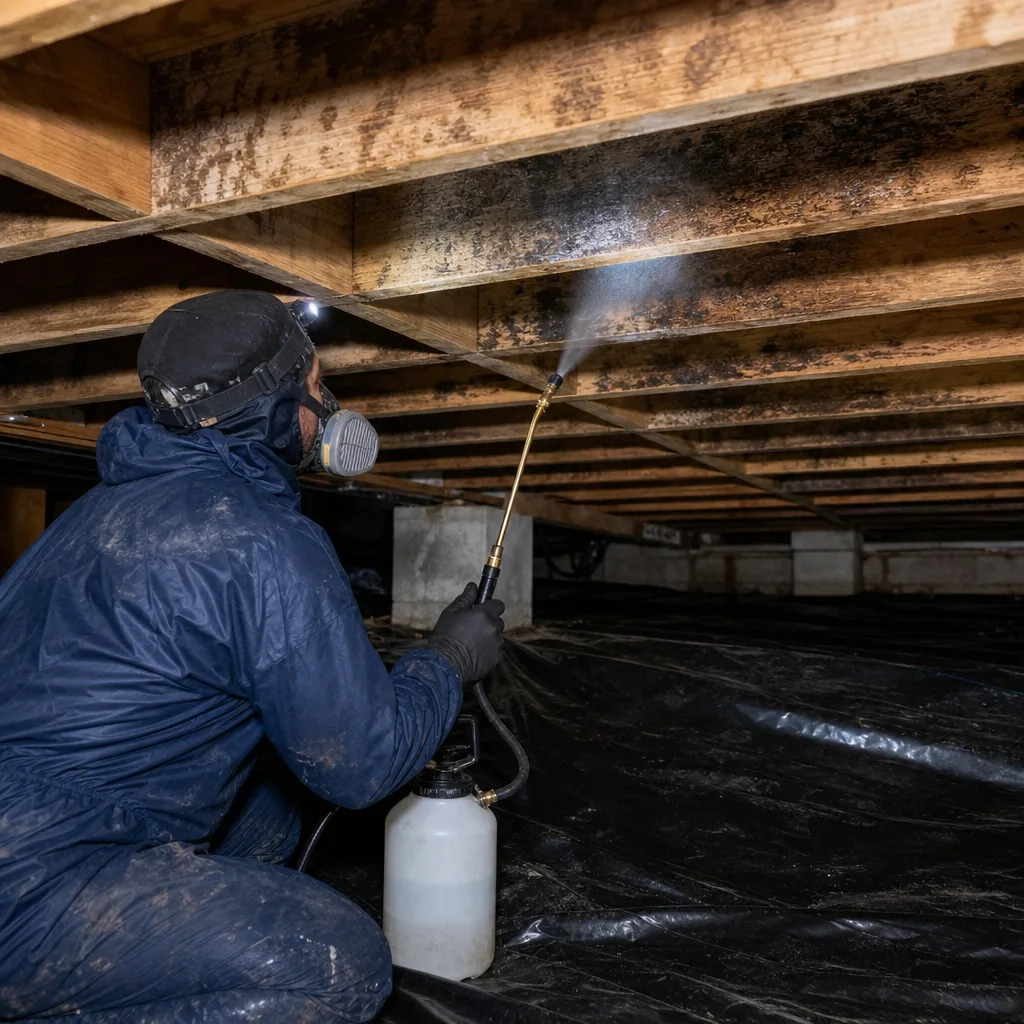
Trauma and unattended death cleanup is work we handle with the respect it demands. The biological reality is that decomposition fluids move through flooring and subflooring quickly in Monrovia’s warm, dry stretches, and they move farther than homeowners expect. We remove affected materials, treat the structure, and run professional-grade equipment, including Dri-Eaz air movers, to manage airborne pathogens during the process. You shouldn’t have to handle any of this alone, and you don’t have to.
Hoarding Cleanup
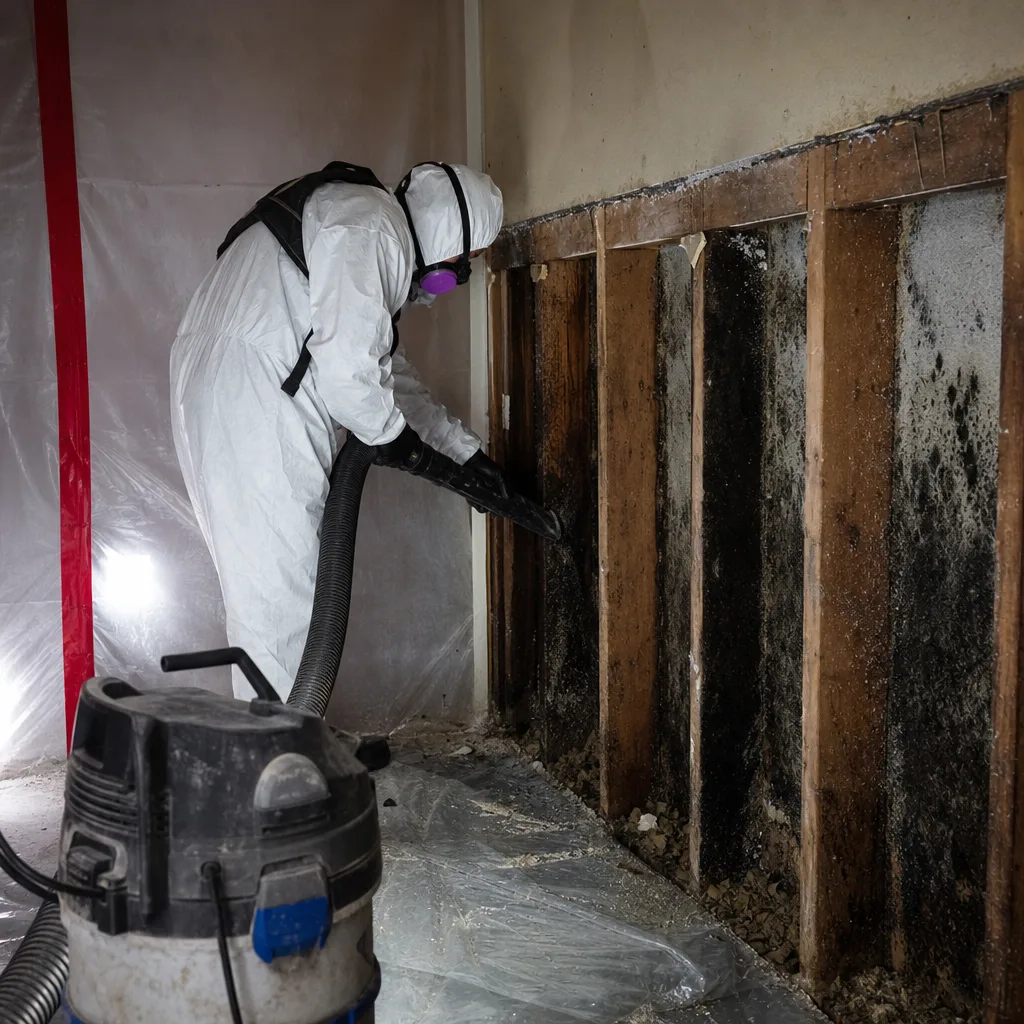
Hoarding cleanup in Monrovia often reveals biohazards hidden under years of accumulated material: rodent waste, mold, spoiled food, and sometimes sewage. We work methodically, room by room, separating items for salvage from materials that must be disposed of under biohazard protocols. Many Monrovia hoarding jobs are in older Craftsman bungalows where narrow hallways and small rooms make access tight. Our crews are trained to work those spaces without causing further damage to the structure, and we coordinate directly with the insurance carrier when coverage applies.
Blood & Bodily Fluid Cleanup
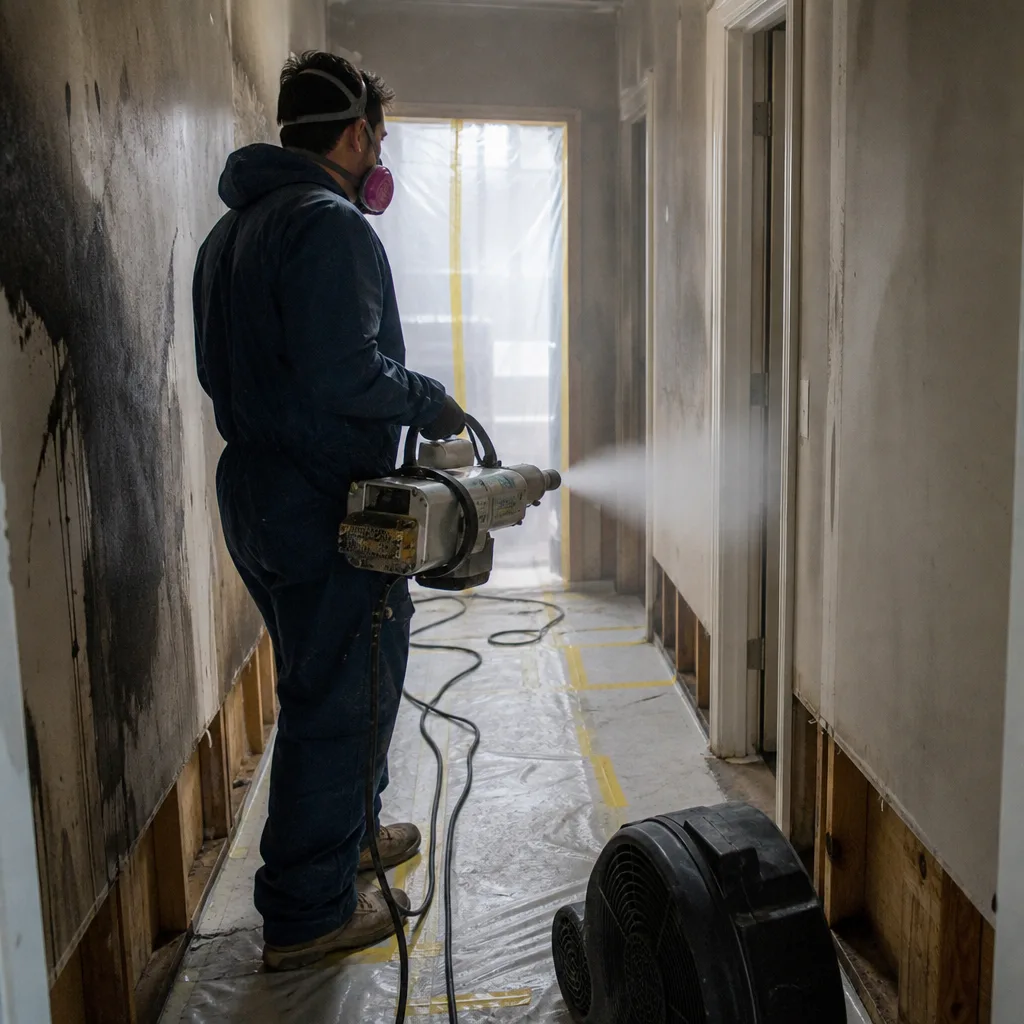
Bloodborne pathogen cleanup is regulated work. We follow OSHA and IICRC protocols, use professional-grade disinfectants, and remove porous materials rather than trying to “clean” them in ways that leave infectious residue. In Monrovia’s climate, the concern is compounded by heat: blood and fluids that sit in a closed-up house during a hot stretch can drive contamination into wood floors and subflooring faster than in cooler coastal cities. We check what’s underneath, not just what’s visible.
Infectious Disease Disinfection
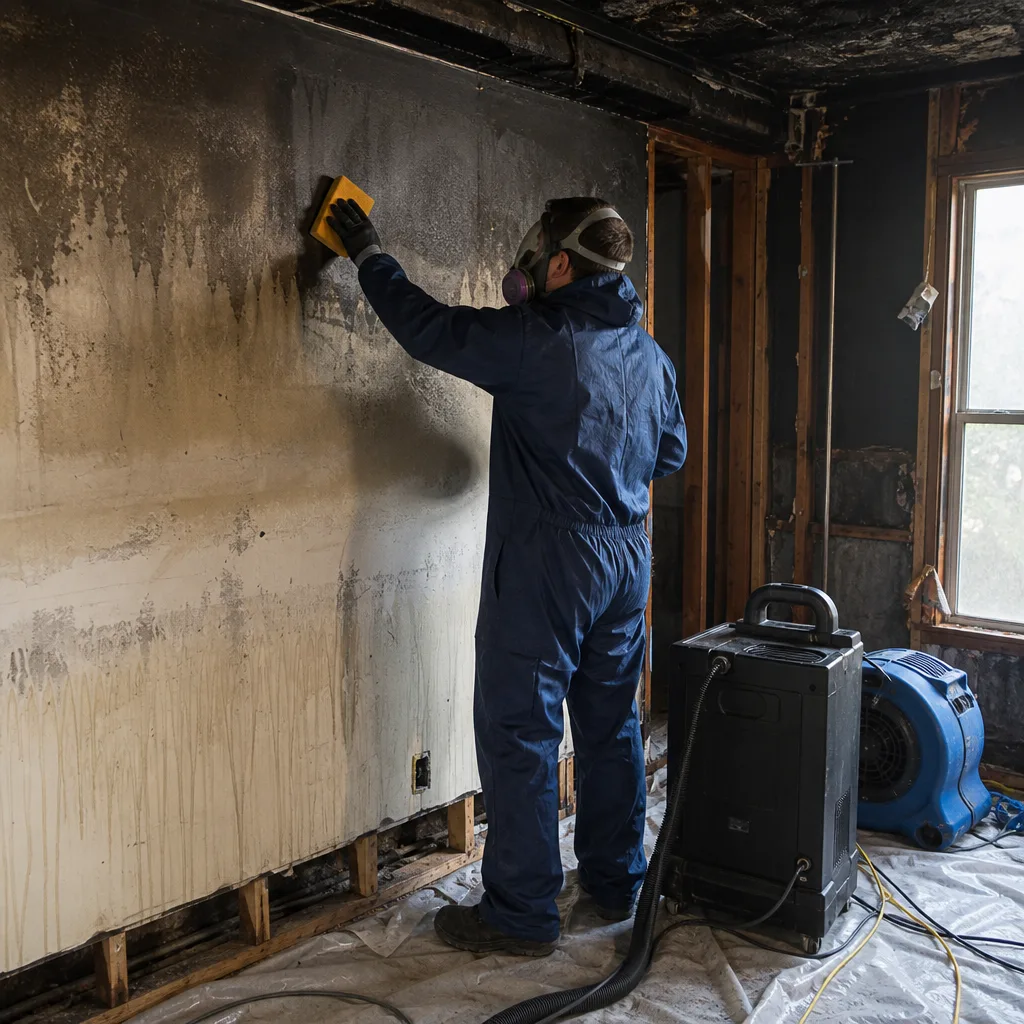
Infectious disease disinfection in Monrovia often follows two distinct paths. The first is a standard outbreak response, like norovirus or a confirmed COVID exposure in a home or small business. The second, and more common here, is tied to the city’s debris-flow cycle: mud and sewage that enter a home carry pathogens that require full disinfection before any structural drying or rebuild can begin. We use EPA-registered disinfectants with verified dwell times, and we document every surface treated for the homeowner and the insurance carrier.
Tear Gas & Chemical Cleanup
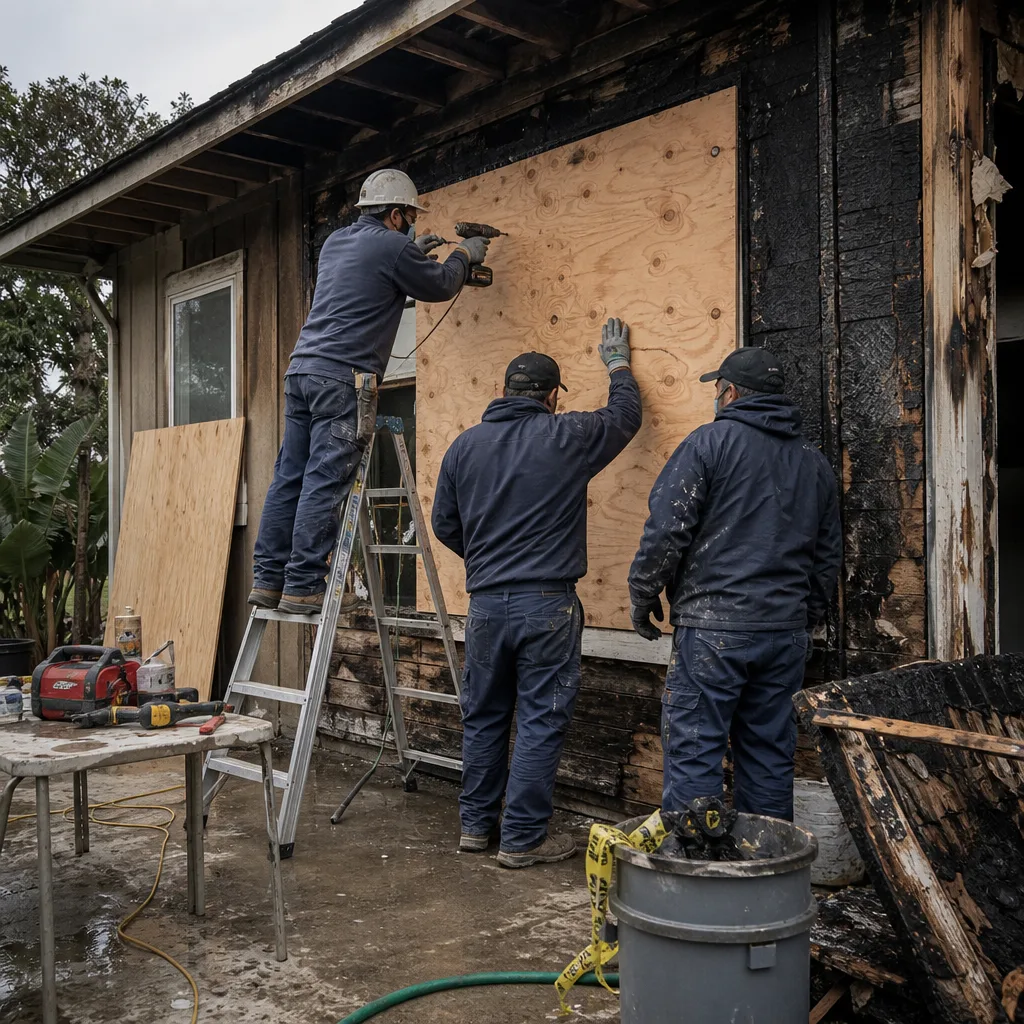
Tear gas and chemical cleanup in Monrovia requires more than airing out a room. Tear gas residue bonds to walls, flooring, HVAC ducts, and furniture, and it releases fine particulates that irritate lungs for months if left alone. We remove contaminated materials, clean ductwork, and run air scrubbers until particulate counts drop to acceptable levels. This work matters in Monrovia because the mountain-front wind patterns, particularly during Santa Ana events, can push chemical residue deeper into attic spaces and wall cavities than flatland neighbors ever experience.
What happens when you call
- 1
A real person answersNo phone trees - you reach a local pro.
- 2
You get an upfront price rangeHonest numbers before anyone is dispatched.
- 3
A background-checked tech heads outLicensed & insured, dispatched right away.
- 4
You approve before work beginsNothing starts until you say go.
Trusted Brands We Service in Monrovia
You won’t see us listing a dozen equipment brands just to sound credible. We use what works: Dri-Eaz air movers and dehumidifiers on every biohazard job because they’re reliable and they move air the way containment chambers need. We run Injectidry systems when plaster walls require targeted drying. And our technicians carry IICRC, RIA, and IFA certifications that reflect actual training hours, not a printed certificate from a weekend seminar. For Monrovia homeowners, that means the person in your house knows why a 1920s lath-and-plaster wall behaves differently than a 1990s drywall partition, and they’ll adjust the protocol accordingly.
Common Biohazard & Crime Scene Cleanup Problems We See in Monrovia Homes
- Post-fire mudflow contamination: When debris basins above the city fill during post-fire rain events, mud and ash pour into homes along the Sawpit Wash corridor and foothill streets. That mud carries pathogens, and standard biohazard cleanup without excavation just spreads contamination deeper.
- Plaster-and-lath wicking: Older Craftsman and Spanish Colonial homes around downtown Monrovia absorb contaminated water upward through plaster walls, well above the visible waterline. Disinfection protocols have to account for that hidden migration, or the job fails.
- Residual wildfire smoke in attics and HVAC: Homes near the mountain interface often have ash and smoke embedded in attic insulation and ductwork from past fire seasons. When moisture returns, either from a mud event or a plumbing failure, that contamination reactivates and spreads spores and particulates through the house.
- Secondary contamination from failed cleanup attempts: We regularly see homes where a homeowner or an unlicensed cleaner tried to handle blood or sewage contamination with household bleach. In Monrovia’s heat, that partial cleanup can drive fluids deeper into subflooring and wall cavities, making the real remediation harder and more expensive.
Pricing for Biohazard & Crime Scene Cleanup in Monrovia, CA
A straightforward blood cleanup in a single room of a Monrovia home typically runs $850-$1,800. Trauma and unattended death cleanup, which involves flooring and sometimes subfloor removal, usually lands between $1,800 and $4,500. Hoarding cleanup with biohazard contamination often runs $2,500-$8,000 depending on the volume of material and the size of the structure, and infectious disease disinfection typically costs $1,200-$3,500 for a full home treatment. Tear gas and chemical cleanup falls between $1,500 and $4,000 depending on square footage and whether HVAC ductwork is involved.
What moves the price in Monrovia is largely the age of the home and the presence of mud or debris from the mountain-front runoff cycle. Plaster-and-lath walls take longer to treat than drywall. Homes along the foothill streets may need excavation before disinfection. We give you a written scope before work starts, with line-item pricing, so you know what you’re paying for. Call (888) 737-2439 for a free estimate, and ask about the Senior & Veteran 5% discount, the $50 Off Any Repair Over $250 offer, or the $89 Seasonal Tune-Up if a maintenance item applies.
We Also Serve Cities Near Monrovia
Beyond Monrovia, our crews regularly work in Mayflower Village, Duarte, Arcadia, and Sierra Madre. Each has its own housing stock and contamination patterns, and we treat them accordingly, but the same 24/7 dispatch, written pricing, and 90-Day Done Right Promise apply everywhere. If you’re in one of those communities and need biohazard cleanup, call (888) 737-2439 and we’ll be there.
Why Does Biohazard Cleanup in Monrovia Start with Debris Removal Instead of Disinfection?
Because of the city’s post-wildfire debris-flow cycle. After fires denude the slopes above Monrovia, the rainy season transforms burn scars into mudslides that pour into northern residential streets. Unlike flatland neighbors like Arcadia or El Monte, Monrovia’s biohazard cleanup often starts with shovels, not disinfectant. Our crews routinely remove feet of mud and burned debris from bedrooms before trauma or infectious disease protocols can begin. You cannot disinfect a floor that is buried under mud, and you cannot dry a structure that is still waterlogged with contaminated runoff. Excavation comes first, always.
Are Older Craftsman Homes in Monrovia More Likely to Hide Biohazards After a Flood or Mudslide?
Yes, and the reason is the plaster-and-lath wall construction. Monrovia’s 1920s-1940s Craftsman bungalows and Spanish Colonial Revival homes were built with plaster over wood lath, a system that wicks water upward far more aggressively than modern drywall. Contaminated water from a flood or mudslide can migrate four to six feet up those walls, carrying pathogens into areas that look dry from the outside. A homeowner might see a waterline at knee height and assume the hazard ends there. It does not, and a standard cleaning that misses the wicking zone leaves a biohazard embedded in the wall cavity, where it reactivates when humidity returns. That’s why we check the entire wall profile, not just the visible stain.
How Do You Handle a Monrovia Home That Has Both Wildfire Smoke Damage and a Later Trauma or Biohazard Event?
We treat it as a layered contamination sequence and address the layers in order. First, we assess what prior wildfire smoke has done to the attic insulation and HVAC system. Then we address the active biohazard, whether that’s blood, bodily fluid, sewage, or mud intrusion. The danger is that moisture from the biohazard event reactivates smoke residue and spreads it through the house, so we contain and remove the active contamination before we touch the dormant smoke damage. On a home near Hillcrest Boulevard on the mountain interface, we’ve seen this exact sequence play out. A home with smoke embedded in attic insulation and ductwork from a prior fire season took on mud and sewage from a debris flow. Our crews excavated the mud, removed a contaminated wool rug with Dri-Eaz air movers running to contain airborne pathogens, then performed infectious disease disinfection on every porous surface before structural drying could start. That work would never show up in flatland restoration playbooks.
Can Biohazard Cleanup on Myrtle Avenue’s Older Spanish Colonial Homes Take Longer Than Expected?
Yes, and it usually does. The Spanish Colonial Revival homes along Myrtle Avenue and the surrounding streets were built with materials that absorb water and contaminants differently than post-WWII tract housing. Plaster walls, original hardwood floors, and early galvanized plumbing all respond to moisture in ways that extend drying and disinfection timelines. A standard room cleanup that might take a day in a 1970s drywall home can take two to three days in a 1930s Spanish Colonial, because the contamination moves through materials that hold it longer and release it slower. We tell homeowners this up front, not after the bill. The written scope accounts for the real timeline, so there are no surprises.
What Is the Protocol for Bloodborne Pathogens in a Monrovia Home After a Crime or Unattended Death?
We follow OSHA’s Bloodborne Pathogens Standard and IICRC S500 guidelines, which means containment first, then removal, then disinfection. We seal off the affected area with plastic sheeting and negative air pressure to prevent cross-contamination. We remove all porous materials that came into contact with blood or bodily fluids: carpet, pad, fabric, upholstered furniture, and often portions of drywall or plaster. Hard surfaces get disinfected with EPA-registered hospital-grade products at verified dwell times. Then we test to confirm the space is clear. In Monrovia, we pay particular attention to subflooring, because the city’s warm spells accelerate fluid migration into wood and make surface-level cleaning insufficient. We document every step for the insurance carrier, and we bill them directly, so you don’t carry that burden.
Serving Monrovia, CA - Our Local Coverage Area
We’re based in the Monrovia area and know this community well. Use the map below to see our service coverage - if you’re nearby, we can almost certainly help.
FAQs - Biohazard & Crime Scene Cleanup in Monrovia
We can typically dispatch a certified crew to Monrovia within 60 to 90 minutes for a biohazard emergency, including trauma, unattended death, or sewage events. A live dispatcher answers the phone at all hours, every day, and that person can confirm a technician is on the way while you’re still on the call. Call (888) 737-2439.
Yes, we cover all of Monrovia including ZIP codes 91016 and 91017, from the flatlands near downtown and Myrtle Avenue up to the hillside streets approaching Hillcrest Boulevard. The mountain-front properties in 91016 often need mud excavation before biohazard protocols; the downtown bungalows in 91017 typically need plaster-wall-specific disinfection. Both are within our local service area.
Biohazard cleanup after a covered event, like a mudslide, sewage backup, or fire, is typically covered by homeowners insurance, and we bill the carrier directly so you don’t have to play messenger. Trauma and crime scene cleanup may also be covered depending on your policy and the circumstances. We document everything with photos and written scope reports that insurance adjusters accept, and we coordinate with the adjuster directly throughout the job.
Monrovia’s pricing runs in the same general range as Duarte, Arcadia, and Sierra Madre, typically $850-$4,500 for most residential jobs, but two local factors can push costs higher: mud and debris excavation on foothill streets, and plaster-and-lath walls in older homes that extend treatment timelines. A job in a flatland Arcadia home with modern drywall may finish faster and cost less than the same job in a 1930s Monrovia bungalow. We give you the real number in a written scope before work begins.
Yes. Every biohazard job in Monrovia is covered by the same 90-Day Done Right Promise, the Keystone Standard, that applies to all Floodline Restoration Co. work. If the work isn’t done right, we make it right, in writing, with no paperwork battles and no arguing. Call (888) 737-2439 for a free estimate and the full terms on paper.
Call Floodline Restoration Co. of California for Monrovia Biohazard & Crime Scene Cleanup
If you’re dealing with a biohazard situation in a Monrovia home right now, call (888) 737-2439. A live person answers, any hour, any day. We’ll tell you what we can do, when we can get there, and what it will cost, in plain numbers. Our crews are background-checked, uniformed, and certified to IICRC, RIA, and IFA standards. The work is backed by the 90-Day Done Right Promise, in writing. You won’t play messenger with your insurance carrier, and you won’t get a bill that comes as a surprise. That’s a square deal.
Written by Curt Bowman, Owner at Floodline Restoration Co. of California, serving Monrovia and the San Gabriel Valley.